

Solar panels have changed the way we think about energy by using sunlight to create electricity. They are a great example of innovative technology that helps us move towards cleaner and more sustainable energy sources. This article will look at how solar panels work, their environmental benefits, and the future of solar technology.
Key Takeaways
- Solar panels turn sunlight into electricity, making them a clean energy source.
- They have become more affordable over time, allowing more people to use them.
- New types of solar panels, like transparent ones, are being developed.
- Solar energy helps reduce reliance on fossil fuels and promotes energy independence.
- Solar panels can be used in many places, from homes to remote areas without power.
Understanding Solar Panels as Innovative Technology
Definition and Functionality
Solar panels, also known as photovoltaic (PV) panels, are devices that convert sunlight into electricity. They work by using solar cells, which absorb sunlight and turn it into electric current through a process called the photovoltaic effect. This technology is crucial for generating clean energy without harming the environment.
Historical Development
The journey of solar panels began in the 19th century, with significant milestones including:
- 1839: French physicist Edmond Becquerel discovered the photovoltaic effect.
- 1950s: The first silicon-based solar cells were developed, marking the start of modern solar technology.
- 2000s: Advancements in technology led to increased efficiency and reduced costs, making solar energy more accessible.
Key Components
Solar panels consist of several key components:
- Solar Cells: Made primarily of silicon, these cells capture sunlight.
- Inverters: Convert the direct current (DC) produced by solar panels into alternating current (AC) for home use.
- Mounting Systems: Secure the panels in place, ensuring they receive maximum sunlight.
Solar panels are not just a source of energy; they represent a shift towards sustainable living and energy independence.
Environmental Impact of Solar Panels
Reduction of Greenhouse Gases
Solar panels are a clean energy source that helps to reduce greenhouse gas emissions. By generating electricity without burning fossil fuels, they play a crucial role in fighting climate change. Here are some key points:
- Solar energy production emits no carbon dioxide.
- It significantly lowers air pollution compared to traditional energy sources.
- The use of solar panels can lead to a cleaner atmosphere.
Sustainable Energy Production
Solar panels provide a sustainable way to produce energy. They harness the sun’s power, which is abundant and renewable. Some benefits include:
- Solar energy is available in most parts of the world.
- It can be used for various applications, from homes to industries.
- Solar panels can operate for many years with minimal maintenance.
Minimizing Resource Depletion
Using solar panels helps to conserve natural resources. Unlike fossil fuels, solar energy does not deplete the earth’s resources. Here are some advantages:
- Reduces reliance on finite resources like coal and oil.
- Promotes energy independence for communities.
- Supports the transition to a more sustainable energy future.
Solar panels are not just a technology; they are a step towards a cleaner and more sustainable planet.
Technological Advancements in Solar Panels
Monocrystalline and Polycrystalline Panels
Solar panels have come a long way, especially with the development of monocrystalline and polycrystalline panels. Monocrystalline panels are known for their high efficiency and sleek design, while polycrystalline panels are more affordable but slightly less efficient. Here’s a quick comparison:
| Type | Efficiency (%) | Cost (per watt) |
|---|---|---|
| Monocrystalline | 15-22 | $0.70 – $1.00 |
| Polycrystalline | 13-16 | $0.50 – $0.80 |
Bifacial and Thin-Film Panels
Bifacial panels are a new innovation that can capture sunlight from both sides, increasing energy output. Thin-film panels, on the other hand, are lightweight and flexible, making them suitable for various applications. Here are some key points:
- Bifacial panels can perform better in snowy or reflective environments.
- Thin-film panels can be integrated into different surfaces, including clothing and vehicles.
- Both types are helping to expand the use of solar energy in everyday life.
Perovskite Solar Cells
Perovskite solar cells are an exciting new technology that could change the solar industry. They are cheaper to produce and can absorb more sunlight than traditional silicon cells. This means they could lead to:
- Higher efficiency rates.
- Lower production costs.
- Wider adoption in various settings.
The future of solar technology is bright, with innovations like perovskite cells paving the way for more efficient and affordable energy solutions.
Economic Benefits of Solar Panels
Cost-Effectiveness and Affordability
Solar panels have become more affordable over the years. This means more people can use them to save money on their electricity bills. Here are some key points about their cost-effectiveness:
- The price of solar panels has dropped significantly.
- Many governments offer tax credits and incentives to help with installation costs.
- Long-term savings on energy bills can outweigh the initial investment.
Job Creation and Economic Growth
The solar industry is a growing field that creates many jobs. Some areas where jobs are being created include:
- Manufacturing solar panels.
- Installing solar systems on homes and businesses.
- Maintaining and repairing solar equipment.
This growth helps local economies and encourages new technology.
Energy Independence
Using solar panels allows people and communities to produce their own electricity. This leads to:
- Less reliance on imported energy sources.
- More control over energy costs.
- Increased energy security, especially in remote areas.
Solar panels not only help the environment but also boost the economy by creating jobs and reducing energy costs.
Future Innovations in Solar Panel Technology
Transparent Solar Panels
Transparent solar panels are an exciting new technology that allows sunlight to pass through while generating electricity. This means windows could potentially power homes without blocking the view! This innovation could change how we think about energy in buildings, making them more efficient and eco-friendly.
Solar-Powered Satellites
Another innovative idea is using solar panels in satellites. These satellites can harness solar energy in space, where sunlight is abundant. This energy can then be used to power various systems, making space missions more sustainable and reducing the need for fuel.
Floating Solar Farms
Floating solar farms are another breakthrough. These are solar panels placed on bodies of water, like lakes or reservoirs. They can produce energy without taking up land space, which is especially useful in crowded areas. Here are some benefits of floating solar farms:
- Reduces evaporation from water bodies.
- Increases energy efficiency due to cooler temperatures.
- Minimizes land use, preserving natural habitats.
The future of solar technology is bright, with innovations that promise to make energy cleaner and more accessible for everyone.
Applications of Solar Panels
Residential Use
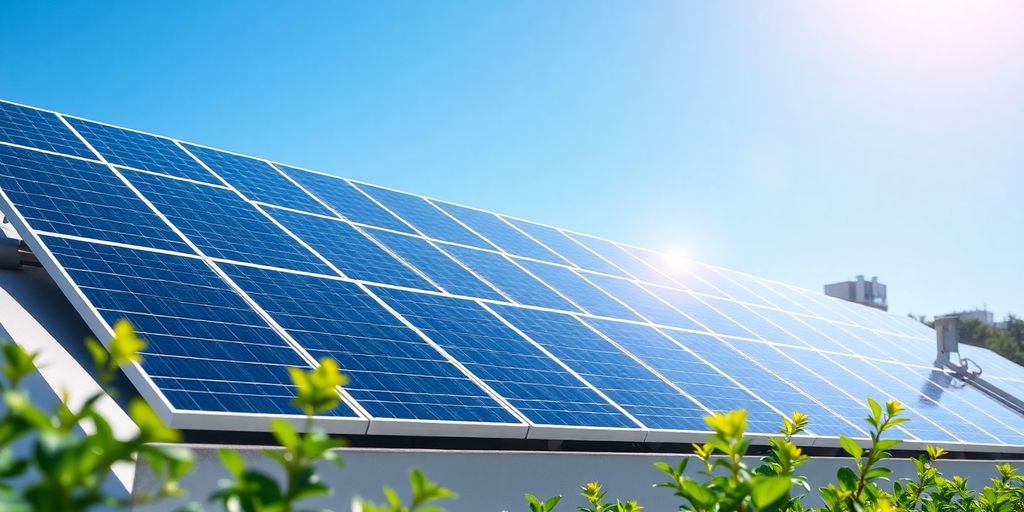
Solar panels are widely used in homes to generate electricity. They help homeowners save on energy bills and reduce their carbon footprint. Here are some common applications:
- Rooftop solar installations
- Solar water heating systems
- Solar-powered outdoor lighting
Commercial and Industrial Use
Businesses are increasingly adopting solar technology to power their operations. This shift not only cuts costs but also promotes sustainability. Key applications include:
- Solar energy for manufacturing facilities
- Solar panels on commercial rooftops
- Solar-powered HVAC systems
Off-Grid Systems in Developing Countries
In many developing regions, solar panels provide essential energy where traditional power sources are unavailable. These systems can:
- Power schools and hospitals
- Supply electricity for small businesses
- Enable clean water solutions through solar-powered pumps
Solar panels are transforming lives by providing access to clean energy, especially in remote areas.
Challenges and Solutions in Solar Panel Adoption
Initial Installation Costs
One of the main hurdles for many people considering solar panels is the high upfront costs associated with installation. Although prices have dropped over the years, the initial investment can still be a barrier for homeowners and businesses. To help with this, many governments offer incentives and tax credits that can significantly reduce these costs.
Energy Storage Solutions
Storing solar energy for use during the night or on cloudy days is another challenge. Current battery technology is improving, but large-scale storage solutions can still be quite expensive. As technology advances, we expect to see more affordable and efficient energy storage options that will make solar energy more reliable.
Policy and Regulatory Support
The adoption of solar panels can also be affected by local policies and regulations. In some areas, there may be restrictions or a lack of support for solar energy initiatives. Advocating for better policies and regulations can help create a more favorable environment for solar energy adoption.
The future of solar energy depends on overcoming these challenges through innovation, support, and community engagement.
Summary of Challenges and Solutions
| Challenge | Solution |
|---|---|
| High Installation Costs | Government incentives and tax credits |
| Energy Storage Issues | Advancements in battery technology |
| Policy and Regulatory Support | Advocacy for better local policies |
Conclusion
In summary, solar panels are a shining example of innovative technology that is changing how we produce and use energy. They offer many benefits, like helping the environment and providing a way for people to create their own electricity. As technology continues to improve, solar panels will play an even bigger role in making our world cleaner and more energy-independent. With ongoing research and new ideas, the future of solar energy looks bright, promising a greener planet for everyone.