

Solar panels are a great way to harness energy from the sun, but how can you be sure they are functioning properly? Regular checks can help you catch any issues early, ensuring that you get the most out of your investment. Here’s a guide on how to determine if your solar panels are working as they should.
Key Takeaways
- Regularly check your solar inverter for status lights to monitor performance.
- Use monitoring apps to keep track of energy production easily.
- Inspect your electric meter to see if you’re pulling too much power from the grid.
- Look for any physical damage or obstructions on your solar panels.
- Understand weather patterns to better assess your solar panel output.
Checking Your Solar Panel System Regularly
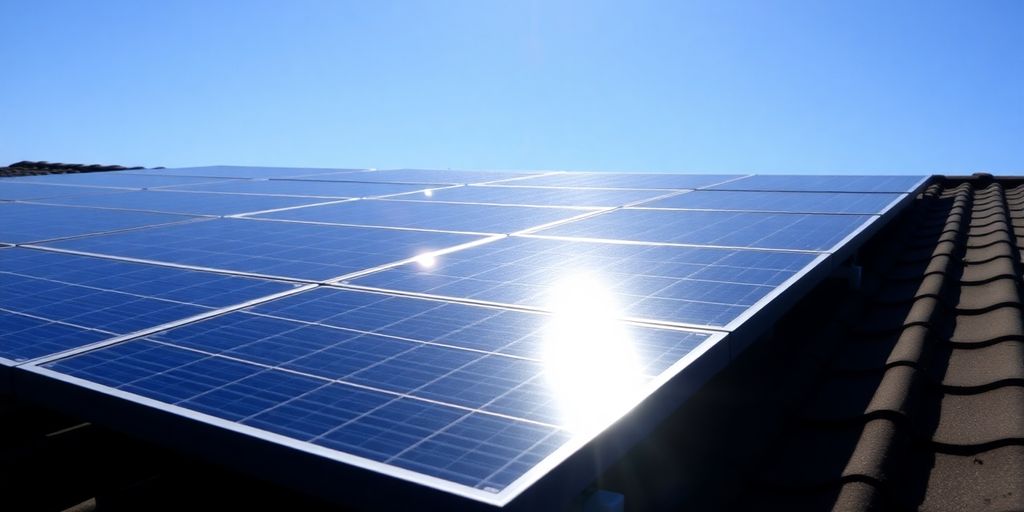
Keeping an eye on your solar panel system is essential to ensure it’s working well. Regular checks can help you catch problems early. Here are some key areas to focus on:
Using Monitoring Apps
- Many modern solar systems come with apps that let you monitor performance.
- These apps can send alerts if something goes wrong.
- Check the app regularly to stay updated on your system’s health.
Inspecting Your Solar Inverter
- The inverter is a crucial part of your solar system. It changes the energy from your panels into power for your home.
- Look for indicator lights:
- Green light: Everything is working fine.
- Orange light: There might be an issue.
- Flashing red light: There’s a serious problem.
- If you see any warning lights, contact a solar technician.
Reviewing Your Electric Meter
- Your electric meter shows how much energy you’re using.
- If your solar panels are working well, your meter should show lower usage.
- During sunny days, you might even send extra energy back to the grid, which can lower your bill.
Regular checks on your solar system can save you money and ensure it runs smoothly.
By following these steps, you can keep your solar panel system in top shape and enjoy the benefits of clean energy.
Understanding Your Electric Bill
Comparing Monthly Bills
To understand if your solar panels are working well, start by comparing your monthly electric bills. Look for these key points:
- Check for consistent usage: Your energy consumption should be stable or decreasing if your solar panels are effective.
- Look for savings: If your bill is lower than before installing solar, that’s a good sign.
- Track changes: Note any significant changes in your bill over time.
Identifying Unexpected Increases
If you notice a sudden spike in your electric bill, consider these factors:
- Increased energy use: Have you added new appliances or devices?
- Panel performance: Are your solar panels producing less energy?
- Utility rate changes: Check if your utility company has raised rates.
Contacting Your Solar Provider
If you have concerns about your electric bill, don’t hesitate to reach out to your solar provider. They can help you:
- Understand your system’s performance: They can provide insights into how much energy your panels are generating.
- Troubleshoot issues: If there’s a problem, they can guide you on what to do next.
- Schedule maintenance: Regular check-ups can keep your system running smoothly.
Understanding your electric bill is crucial for ensuring your solar panels are working effectively. Regularly reviewing your bills can help you catch any issues early.
Visual Inspection of Solar Panels
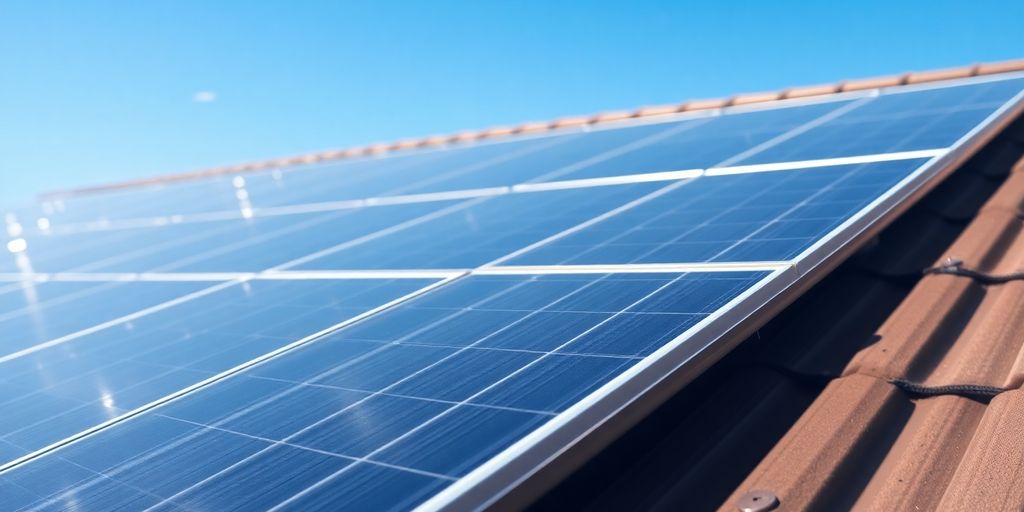
Checking for Physical Damage
Regularly inspect your solar panels for any signs of damage. Look for:
- Cracks in the glass or frame
- Discoloration or dark spots on the panels
- Loose or frayed wires
Identifying these issues early can prevent further damage and ensure your system runs efficiently.
Removing Obstructions
Make sure there are no objects blocking sunlight from reaching your panels. Common obstructions include:
- Tree branches
- Bird nests
- Debris like leaves or dirt
Cleaning the Panels
Keeping your solar panels clean is essential for optimal performance. If you notice dirt or grime:
- Gently rinse the panels with water to remove loose dirt.
- Use a soft cloth or sponge to clean stubborn spots.
- If necessary, hire a professional to ensure safety and thorough cleaning.
Regular maintenance and cleaning can significantly improve the efficiency of your solar panels.
Using Weather Data to Assess Performance
Understanding how weather affects your solar panels is crucial for assessing their performance. Weather conditions can significantly impact the energy output of your solar system. Here are some key points to consider:
Evaluating Recent Weather Trends
- Cloudy Days: Solar panels can still generate power, but their output may drop to 10-25% of their capacity.
- Rainy Weather: Rain can help clean your panels, but energy production will be lower.
- Snow Accumulation: Snow can block sunlight, reducing energy production until it melts or slides off.
Understanding Seasonal Variations
- Summer: Panels often perform best during sunny days, reaching up to 80% of their maximum output.
- Winter: Shorter days and lower sun angles can lead to reduced energy production.
- Spring and Fall: These seasons can vary widely based on local weather patterns.
Considering Long-Term Climate Effects
- Local Climate: Areas with frequent cloudy or rainy days may still benefit from solar energy, depending on overall sunlight exposure.
- Annual Trends: Look at yearly averages to understand how weather impacts your solar output over time.
Monitoring your solar system’s performance in relation to weather conditions can help you identify potential issues and optimize energy production.
Steps to Take If Your Panels Aren’t Working
If you find that your solar panels are not functioning properly, here are some steps you can take to troubleshoot the issue:
Restarting Your Inverter
- Turn off the inverter by flipping the fuse connected to it.
- Leave it off overnight to allow the system to reset.
- Turn it back on in the morning to see if the panels are working again.
Contacting Your Solar Company
- Reach out to your solar provider for assistance.
- They can check the system remotely to identify any issues.
- If needed, a technician will visit your home to inspect the panels in person.
Scheduling Professional Maintenance
- If the above steps do not resolve the issue, consider scheduling a maintenance check.
- A professional can diagnose and fix any underlying problems.
- Regular maintenance can help prevent future issues and ensure your system runs efficiently.
Taking these steps can help you quickly identify and resolve issues with your solar panels, ensuring you continue to benefit from solar energy.
Maximizing Solar Panel Efficiency
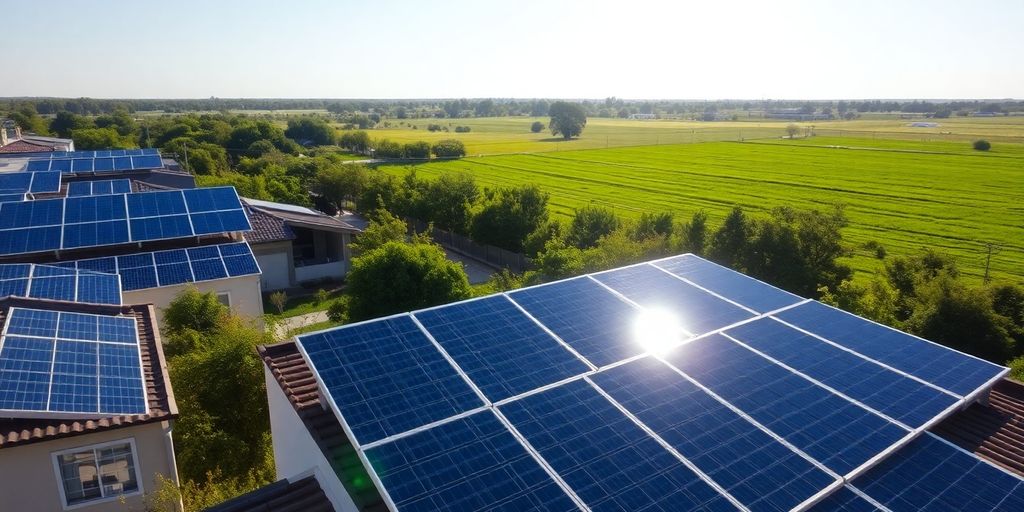
Regular Maintenance Tips
To keep your solar panels working well, consider these tips:
- Clean your panels regularly to remove dirt and debris.
- Check for any shading from trees or buildings that might block sunlight.
- Inspect the wiring and connections for any signs of wear or damage.
Upgrading System Components
Sometimes, upgrading parts of your solar system can help:
- Replace old panels with newer, more efficient models.
- Consider installing a more efficient inverter to reduce energy loss.
- Look into micro-inverters for better performance in shaded areas.
Utilizing Solar Battery Storage
Using battery storage can help you make the most of your solar energy:
- Store excess energy produced during the day for use at night.
- This can reduce your reliance on the grid and save you money.
- Batteries can also provide backup power during outages.
Keeping your solar panels in top shape is essential for maximizing their efficiency and ensuring you get the most out of your investment.
Common Issues and Troubleshooting
Identifying Faulty Wiring
Faulty wiring can cause your solar panels to underperform. Here are some signs to look for:
- Unusual noises from the inverter.
- Burning smells near the wiring.
- Frequent tripping of circuit breakers.
If you notice any of these, it’s best to call a professional.
Addressing Inverter Failures
The inverter is a key part of your solar system. If it’s not working, your panels won’t produce energy. Check the indicator lights:
- Green light: Everything is fine.
- Yellow light: Possible issue.
- Red light: Serious problem.
If you see yellow or red, contact your solar provider for help.
Dealing with Animal Interference
Animals can cause problems for solar panels. Here’s what to do:
- Inspect your panels for signs of nests or droppings.
- Install barriers to keep animals away.
- Regularly clean the area around your panels.
Keeping your solar panels clear of animals and debris is essential for optimal performance. Regular checks can save you from bigger issues later.
Final Thoughts on Checking Your Solar Panels
In conclusion, keeping an eye on your solar panels is important to ensure they are working well. Regular checks can help you spot any problems early, which means you can fix them quickly. Remember to look at your electric meter and bills, and use any monitoring apps if you have them. If you notice anything unusual, don’t hesitate to reach out to your solar company for help. By staying proactive, you can enjoy the benefits of clean energy and save money for many years to come.