

Figuring out where to ground your solar panels can feel like a puzzle, but it’s super important. If you mess it up, you might not pass your inspection, and that’s a headache nobody wants. Grounding is all about connecting your solar panels to the earth, usually with a copper rod. But there’s more to it than just sticking a rod in the ground. Different methods, like using ground rings or mounting poles, come into play depending on your setup. Plus, you’ve got to follow some rules and regulations to make sure everything’s safe and up to code.
Key Takeaways
- Grounding your solar panels involves connecting them to the earth, typically using a copper rod.
- There are various grounding methods, including ground rods, ground rings, and mounting poles.
- Following local regulations and codes is crucial for a safe and compliant installation.
- Regular maintenance and inspection of grounding systems help ensure ongoing safety and performance.
- Proper grounding not only protects against electrical surges but also enhances the efficiency of your solar system.
Understanding Grounding Requirements for Solar Panels
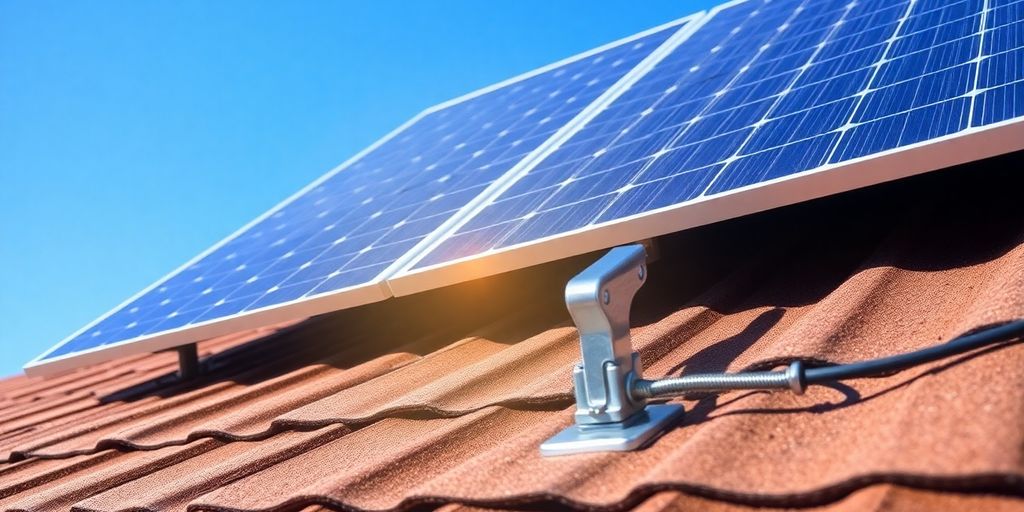
Importance of Grounding
Grounding is a key component in solar panel systems. It protects both people and equipment from electrical shock by directing excess electricity safely into the earth. This process helps in preventing electrical fires and ensuring the safety of anyone who might come into contact with the system. Additionally, grounding minimizes the risk of damage from electrical surges, such as those caused by lightning, which can be catastrophic for solar installations.
Common Grounding Techniques
There are several techniques used to ground solar panels effectively:
- Ground Rods: These are metal rods driven into the ground, providing a direct path for electrical discharge.
- Ground Rings: A loop of copper wire buried in the ground around the installation site, offering a larger grounding area.
- Mounting Pole Grounding: Utilizes the metal mounting poles of the solar panels as grounding conductors, provided they are properly installed and in contact with the earth.
Each method has its pros and cons, and the choice may depend on soil conditions, local regulations, and the specific requirements of the solar system.
Regulatory Standards
Compliance with regulatory standards is crucial for any solar installation. The National Electric Code (NEC) outlines the requirements for grounding and bonding solar panel systems. These standards are updated every three years to reflect new technologies and safety practices. Adhering to these codes not only ensures safety but also helps in passing inspections and avoiding legal issues. Local regulations may also impose additional requirements, so it is essential to be familiar with both national and local codes before proceeding with installation.
Proper grounding is not just a technical requirement; it is a fundamental safety measure that protects both people and property. Ensuring that your solar panel system is correctly grounded can save you from costly repairs and potential hazards.
Choosing the Right Grounding Method
Grounding your solar panels is a critical step for both safety and efficiency. Picking the right method can depend on several factors, including the type of soil, local regulations, and the layout of your solar setup. Here’s a closer look at some of the most common grounding methods and how to choose the right one for your needs.
Ground Rod Installation
Ground rods are one of the most straightforward methods. These are metal rods driven into the ground to provide a direct path for electricity to safely dissipate. A typical installation involves driving an 8-foot rod into the ground, ensuring it’s vertical for maximum effectiveness. This method is often used because it’s simple and cost-effective. However, the effectiveness can vary depending on soil conditions, so it might not be the best choice in all areas.
Using Ground Rings
Ground rings involve burying a continuous loop of wire around the perimeter of your solar installation. This method can provide a more reliable grounding path in areas where soil conditions are poor. It’s particularly useful when the layout of your solar panels allows for easy installation of the ring. The wire used is typically a heavy gauge copper, which is known for its excellent conductivity.
Mounting Pole Grounding
In some cases, the mounting poles for your solar panels can be used as part of the grounding system. This involves connecting the metal structure of the mounting pole to the ground, often with a ground rod or ground ring. This method is efficient when the solar array is mounted on a single pole or a series of poles, as it reduces the need for additional grounding materials. However, it requires careful planning to ensure that all parts of the system are properly connected and that there is a low-resistance path to the ground.
Choosing the right grounding method is not just about following guidelines but understanding the specific needs of your solar setup. Each method has its advantages and limitations, and the right choice can significantly enhance the safety and performance of your solar system.
Best Practices for Grounding Solar Systems

Planning Your Grounding System
Before you even think about installing your solar panels, take a step back and plan out your grounding system. This step is crucial to ensure safety and efficiency. Consider the layout of your solar panels, how close they are to batteries and inverters, and the type of soil you’re dealing with. The soil’s conductivity can really affect how well your grounding system works.
Using Quality Materials
Don’t skimp on materials. Use high-quality conductive materials for your grounding connections. Copper and galvanized steel are great choices for ground rods. Make sure all your connections are tight and resistant to corrosion. This will help maintain good conductivity and extend the life of your system.
Maintaining Low Resistance
The goal is to keep the resistance of your grounding system as low as possible, ideally less than 5 ohms. This ensures a safe path for electricity to flow into the ground. Use an earth resistance meter to check resistance after installation. If the resistance is too high, you might need to add more ground rods or improve your connections.
Regularly checking and maintaining your grounding system is key to preventing electrical issues and ensuring your solar system runs smoothly. Don’t wait for problems to arise; be proactive.
By following these practices, you’ll set up a grounding system that not only protects your solar panels but also enhances their performance.
Grounding Off-Grid Solar Systems
Chassis Grounding Explained
Chassis grounding is all about safety. It involves connecting all those metal parts in your solar setup that don’t carry current—like the frames of your solar panels, the battery enclosures, and the mounting structures. By linking these to the ground, you prevent any unexpected electricity buildup that could give someone a nasty shock. Think of it like making sure there’s a safe escape route for any stray voltage.
Electrical Grounding Techniques
Electrical grounding is slightly different. Here, you’re connecting one of the wires that carries current to the ground. If you’ve got a system with batteries, you want to do this near the battery. Why? Because the battery’s usually the main power source, and keeping the grounding connection close minimizes any voltage drop. This kind of grounding also helps in handling those sudden electrical spikes that can mess with your system.
Installation Steps for Off-Grid Systems
- Determine Grounding Needs: Start by checking out your site. Look at the soil type and moisture because these affect how well your grounding will work.
- Select Grounding Method: Decide whether you’ll use ground rods, ground rings, or mounting poles based on what your site looks like and what local rules say.
- Install Ground Rods: If you go with ground rods, make sure to drive them deep into the ground—at least 8 feet if that’s what the local codes require. They should be vertical for the best results.
- Connect Ground Wires: Use good quality copper wire to hook up all the metal parts of your system—like the solar panels and battery enclosures—to your grounding setup.
- Test Resistance: Get an earth resistance meter and check your system’s resistance. If it’s too high, you might need to add more ground rods or improve the connections.
- Document Your Work: Keep a record of everything you’ve done—diagrams, resistance measurements, the works. This is handy for future checks and to show you’re following the rules.
Grounding your off-grid solar system isn’t just about ticking a box. It’s about making sure your setup is safe, performs well, and lasts a long time. By grounding everything properly, you’re protecting your gear and anyone who might come into contact with it. Plus, it keeps your system running smoothly, even when the unexpected happens.
Connecting to Existing Grounding Systems

When setting up your solar panels, connecting to an existing grounding system is a smart move. It not only saves time but also ensures safety and compliance with local regulations.
Bonding to Main Service Panel
The first step is to connect the equipment grounding conductor (EGC) from your solar setup to the grounding busbar in the main service panel. This connection is crucial as it integrates your solar system into the home’s electrical safety framework. If you can, extend this connection to the main house grounding system, which usually involves a ground rod or a concrete-encased electrode (Ufer ground).
Utilizing Ground Busbars
Using ground busbars can simplify the process of connecting multiple grounding wires. They provide a centralized point where all grounding connections can be made. This is especially useful in complex solar installations where several components need to be grounded. Make sure each connection is secure to avoid any potential electrical faults.
Ensuring Compliance with Local Codes
Ensuring your grounding system complies with local codes is non-negotiable. These regulations are in place to protect both property and life. Check the specific requirements in your area, as they can vary. Often, you’ll need to show that your system’s grounding meets certain resistance levels or uses approved materials.
Proper grounding not only protects your investment but also ensures the safety of everyone around. It’s about more than just following rules; it’s about peace of mind.
Grounding for Safety and Performance
Grounding your solar panels isn’t just about ticking a box on a safety checklist. It’s about protecting your investment and ensuring your solar system performs at its best. Let’s break down why grounding is essential for both safety and performance.
Protecting Against Electrical Surges
Electrical surges can happen for a bunch of reasons, like lightning strikes or sudden changes in power demand. When these surges occur, they can damage your solar panels and other electrical components. Proper grounding channels these excess voltages safely into the earth, preventing potential damage. Think of grounding as your system’s safety net, catching those unexpected spikes and keeping everything running smoothly.
Minimizing Noise in Electrical Signals
Noise in electrical signals can mess with the efficiency of your solar system. This noise often comes from electromagnetic interference, which can be reduced by grounding. By creating a path of least resistance, grounding helps keep your signals clean and clear, ensuring that your energy conversion is as efficient as possible.
Enhancing System Efficiency
A well-grounded system doesn’t just protect against surges and noise; it also boosts overall efficiency. When your system is grounded properly, it reduces the risk of electrical losses and ensures that every bit of energy generated by your solar panels is used effectively. This means more power for your home and less wasted energy.
Regular maintenance of your grounding system is crucial. Check connections for corrosion or wear, and ensure that your grounding paths remain intact. This small effort can make a big difference in the long-term performance and safety of your solar setup.
Regular Maintenance of Grounding Systems

Inspecting Ground Connections
Regularly checking your grounding connections is like giving your solar system a health check-up. Over time, connections can loosen, corrode, or get damaged due to weather and other environmental factors. This can lead to increased resistance, which is not what you want. Make it a habit to inspect all connections at least once a year. Look for signs of wear and tear, and ensure everything is tight and corrosion-free.
Testing Resistance Levels
Testing the resistance of your grounding system is crucial to ensure it’s functioning properly. Ideally, the resistance should be below 5 ohms. Use an earth resistance meter for this task. If the resistance is too high, you might need to adjust by adding more ground rods or improving your connections.
Documenting Grounding Installations
Keeping records of your grounding installations is more important than it sounds. Documenting includes taking note of resistance measurements, connection points, and any maintenance performed. This not only helps in troubleshooting future issues but also ensures compliance with local codes. Plus, if you ever sell your property, having detailed records can be a big plus for potential buyers.
Regular maintenance of grounding systems is not just about safety; it’s about ensuring the longevity and efficiency of your solar setup. By keeping everything in check, you’re safeguarding your investment for the long haul.
Conclusion
So, there you have it. Grounding your solar panels isn’t just a box to tick off; it’s a crucial step to ensure everything runs smoothly and safely. Whether you’re setting up a small off-grid system or a larger installation, getting the grounding right is key. It might seem like a lot to take in, but once you get the hang of it, it becomes second nature. Remember, a well-grounded system not only protects your investment but also keeps everyone safe from electrical mishaps. So, take your time, follow the guidelines, and don’t hesitate to seek help if you’re unsure. Happy solar powering!