

Ever wondered how long those big solar panels last? You know, the ones you see on rooftops or in fields. Turns out, they’re built to stick around for a while. But just like anything else, their lifespan depends on a bunch of things, like the quality of the materials and how they’re installed. And hey, there are even ways to make them last longer! Let’s dig into what affects the life of an industrial solar panel and how you can get the most out of them.
Key Takeaways
- Industrial solar panels typically last between 25 to 30 years, but proper care can extend their life.
- Quality materials and professional installation are crucial for maximizing solar panel longevity.
- Regular maintenance, including cleaning and inspections, helps keep panels efficient and prolongs their lifespan.
- Technological advancements, like bifacial panels and improved materials, are enhancing durability.
- Choosing the right type of solar panel can impact how long they last and how well they perform.
Understanding the Lifespan of Industrial Solar Panels
Factors Affecting Solar Panel Longevity
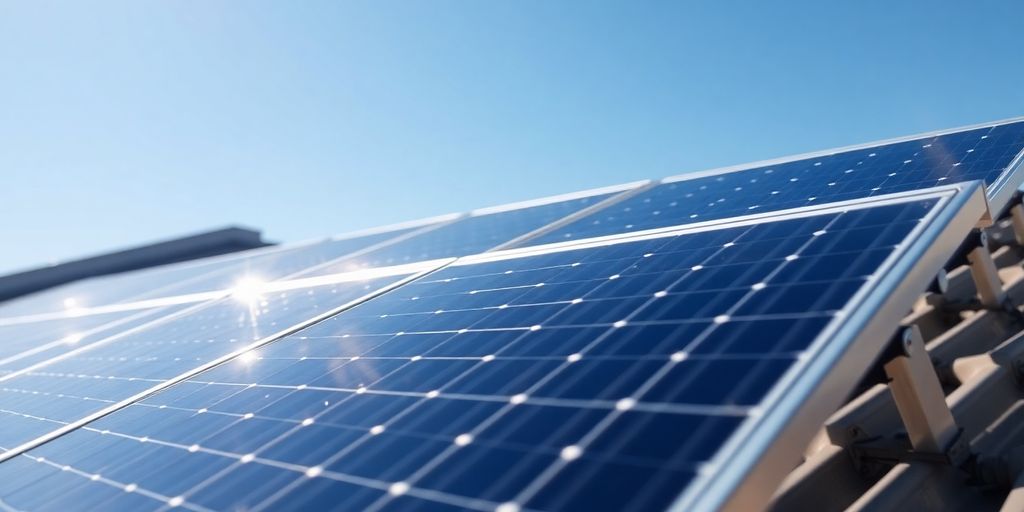
When it comes to commercial solar panels, their lifespan is influenced by several key factors. High-quality materials and expert manufacturing processes are critical. Panels made with top-grade materials tend to resist environmental wear better, maintaining their efficiency longer. Weather conditions, like heavy snow or high winds, can also impact how long they last. Regular maintenance plays a role too, as keeping panels clean and free of debris helps them run efficiently.
Typical Degradation Rates
Solar panels don’t just stop working after a couple of decades. Instead, they experience a slow decline in efficiency, typically at a rate of about 0.5% to 1% each year. This means that even after 25 years, most panels still produce around 75% to 90% of the power they did when they were new. This gradual decrease is due to environmental factors like UV exposure and thermal cycling.
Expected Lifespan Range
Most solar panels are designed to last between 25 to 30 years. However, this doesn’t mean they stop producing electricity after this period. Instead, their efficiency decreases, and they generate less power. Some panels, especially those made with advanced technologies and materials, can continue to operate efficiently beyond the typical lifespan, sometimes reaching up to 40 years. Investing in high-quality panels and ensuring proper maintenance can extend their operational life significantly.
Key Factors Influencing Solar Panel Durability
Quality of Materials and Manufacturing
The materials and manufacturing process are the backbone of solar panel durability. High-quality materials like pure silicon for photovoltaic cells and sturdy, weather-resistant frames make panels more resilient. This resilience is especially important for environmental factors such as UV exposure and temperature swings. The manufacturing process also plays a big role. Panels made with precision and strict quality controls tend to last longer. This means fewer defects and better performance over time.
Impact of Environmental Conditions
Where you place your solar panels matters a lot. Panels in harsh environments might degrade faster. Think coastal areas with salty air or deserts with sandstorms. Even regular weather changes, like heat and cold, can take a toll. Consistent exposure to tough conditions can wear down panels quicker. So, understanding the local climate is key to predicting how long your solar panels will last.
Importance of Professional Installation
Installation isn’t just about sticking panels on a roof. It’s about making sure they’re set up to handle the elements. Proper installation includes securing panels to withstand winds and allowing airflow to prevent overheating. A good installation also considers the angle and direction of the panels for maximum sunlight. Poor installation can lead to damage and reduce how long the panels stay effective.
Ensuring your solar panels are made from top-notch materials, installed correctly, and placed in the right environment can greatly extend their lifespan. It’s not just about buying panels; it’s about making them last.
Technological Advances Enhancing Solar Panel Lifespan
Introduction of Bifacial Panels
Bifacial panels are a game-changer in the solar industry. Unlike traditional panels that only capture sunlight from one side, bifacial panels absorb light from both the front and the back. This dual-sided approach means they can generate more electricity using the same amount of space. They’re especially effective in areas with reflective surfaces, like snow or white rooftops, where the back of the panel can capture additional reflected sunlight.
Use of Advanced Materials
The materials used in solar panels have come a long way. New technologies, like PERC (Passivated Emitter and Rear Cell), are improving how solar cells capture and retain light. This means panels are not only more efficient but also more durable. Tougher glass and better encapsulants protect the panels from harsh weather and UV damage, extending their life.
Extended Warranty Offerings
Manufacturers are so confident in these advancements that they’re offering longer warranties. Nowadays, you can find warranties lasting 25 to 30 years, ensuring that the panels will still produce at least 80% of their original capacity by the end of the warranty period. This is great for anyone worried about the long-term investment in solar technology.
These technological improvements are not just about making solar panels last longer; they’re about making solar energy a more reliable and sustainable choice for the future. As innovations continue, solar panels will only become more efficient and cost-effective.
Best Practices for Maximizing Solar Panel Lifespan
Regular Cleaning and Maintenance
Regular cleaning is key to keeping your solar panels working efficiently. Over time, dust, pollen, and bird droppings can build up on the panels, blocking sunlight and reducing efficiency. Clean them gently with a soft brush or a low-pressure hose, avoiding abrasive materials that might scratch the surface. Consistent cleaning ensures that your panels absorb as much sunlight as possible, maintaining optimal energy production.
Routine Inspections and Repairs
It’s important to schedule regular inspections to catch any minor issues before they become big problems. Look for dirt, physical damage, and loose connections. A simple check can prevent costly repairs and keep your system running smoothly. If you notice any cracks or loose wires, address them promptly to avoid further damage.
Optimal Installation Techniques
Proper installation is crucial. Panels should be mounted securely and at the right angle to maximize sunlight exposure. Ensure there’s good air circulation to prevent overheating. An optimal setup not only boosts efficiency but also prolongs the panel’s lifespan. Consider professional help for installation to make sure everything is done correctly.
Taking care of your solar panels isn’t just about cleaning them once in a while. It’s about regular checks and smart installation choices that together help extend their life and improve efficiency.
The Role of Maintenance in Extending Solar Panel Life
Importance of Regular Cleaning
Keeping your solar panels clean is like giving them a fresh start. Dust, leaves, and bird droppings can build up and block sunlight, making your panels less efficient. Regular cleaning ensures your panels catch as much sun as possible, keeping them working at their best. Use a soft brush or a low-pressure hose to clean them, avoiding harsh tools that might scratch the surface. For large installations, hiring professionals once or twice a year might be the best way to go.
Timely Electrical Checks
Just like any other electrical system, solar panels need their connections checked regularly. Loose wires or worn-out connections can lead to power loss or even safety hazards. Inspect your panels for any signs of damage, like cracks or scratches, and make sure all connections are secure. If you spot any issues, it’s a good idea to call in a professional to handle the repairs.
Addressing Early Signs of Damage
Catching problems early can save you a lot of trouble down the road. Look for physical damage during your inspections, such as cracks or chips, which can affect performance. If you notice a drop in energy output, it might be a sign that something’s wrong. Regularly monitoring your system’s performance can help you spot these issues early.
Regular maintenance of solar panels, such as cleaning and inspections, is essential to prevent dust, dirt, and debris from obstructing sunlight, which can decrease energy efficiency. Learn more about keeping your panels clean.
To wrap it up, keeping an eye on your solar panels and taking care of them regularly can really make a difference. Not only does it help them last longer, but it also ensures you’re getting the most out of your investment. So, don’t skip those maintenance checks!
Comparing Different Types of Solar Panels for Longevity
When it comes to comparing solar panels, a crucial consideration is whether to opt for monocrystalline or polycrystalline types. Monocrystalline panels are often praised for their efficiency and longevity. These panels are made from a single, pure crystal of silicon, which not only enhances their efficiency but also their durability. They typically last longer and perform better in low-light conditions compared to their polycrystalline counterparts.
Polycrystalline panels, on the other hand, are made from multiple silicon crystals melted together. They are generally less expensive but also slightly less efficient. However, they still offer a solid lifespan, often ranging between 25 to 30 years, making them a viable option for many installations.
Impact of Solar Cell Technology
The choice of solar cell technology can significantly impact the longevity of solar panels. Advanced technologies like PERC (Passivated Emitter and Rear Cell) have been introduced to improve efficiency and durability. PERC technology enhances light capture and minimizes electron loss, thereby boosting the panel’s overall performance and longevity.
Choosing the Right Panel for Your Needs
Selecting the right type of solar panel involves considering several factors:
- Budget: Determine how much you are willing to invest upfront versus potential savings over time.
- Space Availability: Monocrystalline panels might be more suitable for areas with limited space due to their higher efficiency.
- Climate Conditions: Consider how different panels perform under local weather conditions, such as high temperatures or frequent cloud cover.
Choosing the right solar panel is not just about initial costs but also about long-term performance and reliability. Balancing these factors will help you make an informed decision that aligns with your energy needs and financial goals.
Economic and Environmental Benefits of Long-Lasting Solar Panels
Cost Savings Over Time
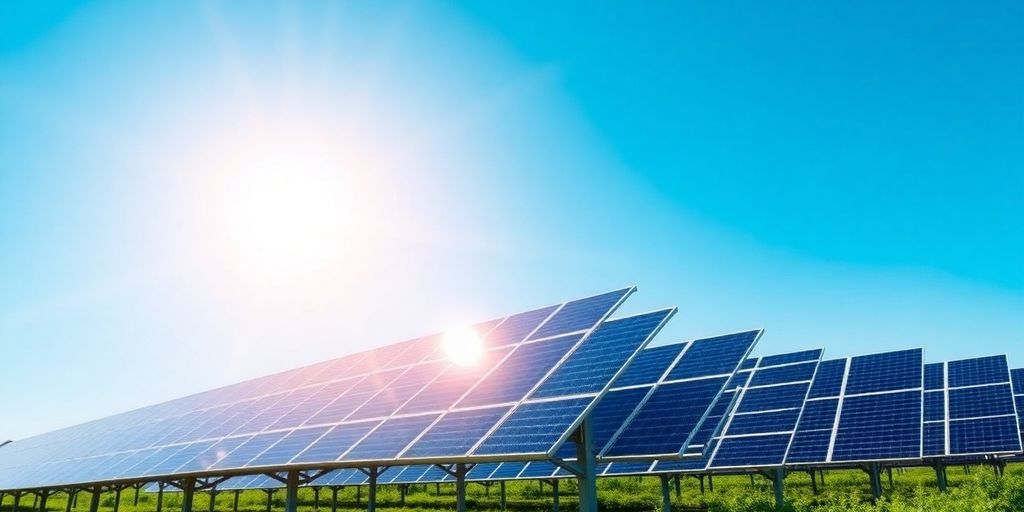
Investing in solar panels is like putting money in a piggy bank that keeps growing. Long-lasting solar panels offer significant cost savings over time. With a lifespan that can stretch up to 30 years, these panels keep generating electricity long after they’ve paid for themselves. Think about it: once the initial investment is recouped, the energy produced is essentially free. This can lead to substantial savings on electricity bills, especially as energy prices continue to rise.
- Initial Investment Recovery: Typically, solar panels pay for themselves within 5-10 years, depending on your location and energy usage.
- Reduced Energy Costs: After the payback period, all the energy generated is free, cutting down your electricity bills significantly.
- Increased Property Value: Homes with solar panels are often valued higher due to their energy efficiency and lower utility costs.
Contribution to Sustainability
Solar panels are not just a financial investment; they are a step towards a healthier planet. By reducing reliance on fossil fuels, solar panels help lower greenhouse gas emissions. Solar power significantly reduces carbon emissions and decreases dependence on nonrenewable resources such as fossil fuels. This shift not only helps combat climate change but also promotes cleaner air and a healthier environment for everyone.
Embracing solar energy is a commitment to a greener future. Each panel installed is a step away from polluting energy sources and a stride towards sustainability.
Enhancing Energy Independence
Switching to solar energy boosts your energy independence. By generating your own electricity, you reduce reliance on the grid and protect yourself from fluctuating energy prices. In areas prone to power outages, solar panels paired with battery storage can ensure a continuous power supply, adding another layer of security.
- Reduced Grid Dependency: Generate your own power and lessen reliance on public utilities.
- Stable Energy Costs: Protect yourself from unpredictable energy price hikes.
- Energy Security: With solar panels and battery storage, maintain power during outages, enhancing your resilience to grid failures.
Conclusion
So, there you have it. Industrial solar panels are built to last, usually clocking in at around 25 to 30 years of service. But, like anything, they need a bit of TLC to keep them going strong. Regular cleaning, smart installation, and keeping an eye out for any issues can really stretch their lifespan. And with tech getting better all the time, these panels are more efficient and durable than ever. Investing in solar isn’t just about cutting down on bills; it’s about making a long-term commitment to cleaner energy. With the right care, your solar panels can keep the lights on for decades, helping you save money and the planet at the same time.
Frequently Asked Questions
How long do industrial solar panels usually last?
Industrial solar panels typically last between 25 to 30 years. With proper care, they can continue to work efficiently even beyond this period.
What can I do to make my solar panels last longer?
To extend the lifespan of your solar panels, keep them clean, check for any damage, and fix issues like loose wires or cracks. Regular inspections by professionals can also help.
Do solar panel warranties cover the whole lifespan?
Most warranties for solar panels last between 10 to 25 years. They usually cover manufacturing defects and unexpected drops in efficiency, but not damage from weather or neglect.
Do solar panels wear out faster in hot places?
Solar panels are designed to work in various climates, including hot ones. Extreme heat might slightly lower efficiency, but it doesn’t mean they will wear out faster.
What can shorten the life of solar panels?
Things like bad weather, physical damage, poor installation, and skipping maintenance can shorten solar panel lifespan. To avoid this, make sure they are installed properly and checked regularly.
How do new technologies help solar panels last longer?
New technologies, like bifacial panels and better materials, make solar panels more durable and efficient. These advancements help panels last longer and work better.