

Ever wondered what sets industrial size solar panels apart from the ones you see on rooftops of homes? Well, you’re not alone. These hefty panels are designed for big energy needs, and they’re not just larger—they’re built differently. In this article, we’ll dig into what makes industrial solar panels tick, from their dimensions to where they’re used. Whether you’re running a factory, a farm, or a big commercial building, understanding these panels can help you make the right choice for your energy needs. Let’s get into it and see how these giants of the solar world can power up your projects.
Key Takeaways
- Industrial size solar panels are larger and more powerful than residential ones, designed for high energy demands.
- These panels are commonly used in commercial, industrial, and agricultural settings due to their efficiency and output.
- Choosing the right panel involves assessing energy needs, available space, and local regulations.
- Technological advancements like monocrystalline and polycrystalline cells enhance the efficiency of these panels.
- Proper installation and maintenance are key to maximizing the efficiency and lifespan of industrial solar panels.
Understanding Industrial Size Solar Panels
Key Features of Industrial Solar Panels
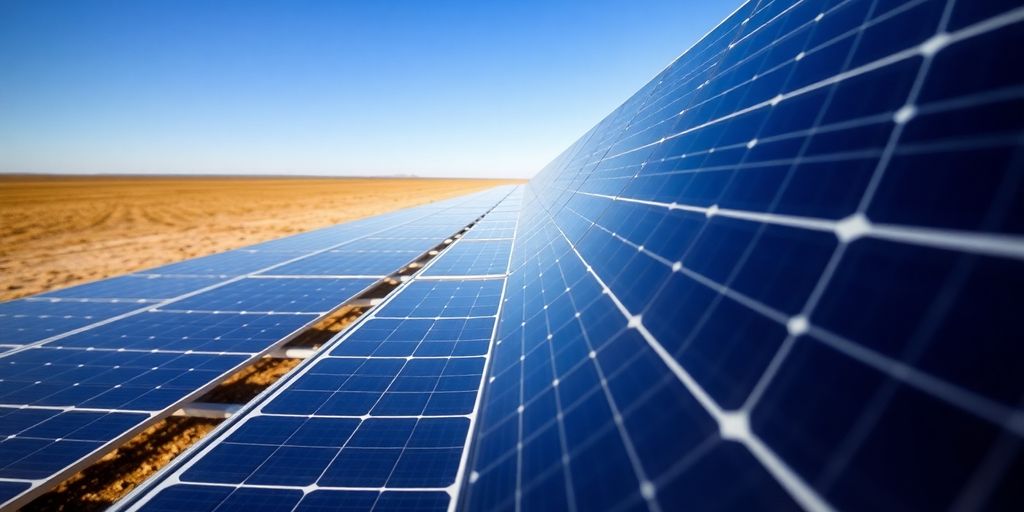
Industrial solar panels are designed for large-scale energy production, making them suitable for commercial and industrial applications. These panels typically feature higher wattage outputs, often ranging from 350 to 400 watts per panel. They are built with robust materials to withstand harsh environmental conditions, ensuring longevity and durability.
- High Efficiency: Industrial panels often utilize advanced monocrystalline or polycrystalline cells, which provide higher efficiency rates compared to standard residential panels.
- Durability: Constructed with weather-resistant materials, these panels can endure extreme temperatures, high winds, and heavy snow loads.
- Scalability: Ideal for large installations, industrial panels can be scaled to meet the energy demands of factories, warehouses, and other large facilities.
Differences Between Industrial and Residential Panels
While both industrial and residential solar panels serve the same fundamental purpose of generating electricity, they differ in several key aspects:
- Size and Power Output: Industrial panels are larger and offer higher power outputs, making them suitable for meeting significant energy demands.
- Installation Complexity: Installing industrial panels requires more planning and expertise due to their size and the scale of the projects.
- Cost: Industrial panels generally come at a higher upfront cost but offer better economies of scale for large projects.
Benefits of Industrial Size Panels
Industrial size solar panels provide several advantages that make them an attractive option for businesses looking to adopt renewable energy solutions.
- Cost Savings: By generating their own electricity, businesses can significantly reduce their reliance on traditional power sources, leading to lower energy bills.
- Environmental Impact: Utilizing solar energy reduces carbon footprints and promotes sustainability.
- Energy Independence: Businesses can achieve greater energy security by producing their own power, protecting against fluctuations in energy prices.
Industrial solar panels not only offer a pathway to sustainable energy but also provide economic benefits that can enhance a company’s bottom line. Transitioning to solar energy is a strategic move that aligns with both environmental goals and financial objectives.
Dimensions of Industrial Size Solar Panels
Standard Dimensions for Industrial Panels
When it comes to industrial solar panels, size really does matter. These panels are generally larger than your typical residential ones, often equipped with 72 or even 96 solar cells. The standard dimensions for industrial panels are about 78 inches by 39 inches. This size allows them to generate more power, typically between 350 to 400 watts per panel. For those looking for even more power, some panels go beyond the standard, incorporating more cells to boost output.
| Panel Type | Dimensions (inches) | Power Output (Watts) | Usage |
|---|---|---|---|
| 72-Cell | 39 x 77 | 350-400 | Commercial |
| 96-Cell | 41.5 x 62.6 | 400+ | Large installations |
Factors Affecting Panel Size
Several factors determine the size of industrial solar panels. The number of cells is a major one—more cells mean a larger panel. The type of solar cell, whether monocrystalline or polycrystalline, also plays a role. Monocrystalline cells are generally more efficient and can sometimes allow for smaller panels with the same power output. Additionally, the panel’s frame and any additional features like integrated optimizers or microinverters can affect the overall size.
- Cell Type: Monocrystalline cells are often more efficient, allowing for smaller panels with the same power output.
- Frame Design: The frame can add extra inches to the panel’s dimensions.
- Additional Features: Integrated optimizers or microinverters can increase the size.
Comparison with Other Panel Sizes
Industrial panels are significantly larger than common solar panel sizes used in residential settings. Residential panels typically measure around 65 inches by 39 inches, with 60 cells, producing between 250 to 300 watts. In contrast, industrial panels are designed for high-output needs, making them ideal for commercial, agricultural, and large-scale industrial applications. This size difference is crucial for businesses that need to maximize energy production in limited space.
Industrial solar panels offer a robust solution for large-scale energy needs, balancing size and power output to meet the demands of commercial and industrial applications.
Applications of Industrial Size Solar Panels
Commercial Applications
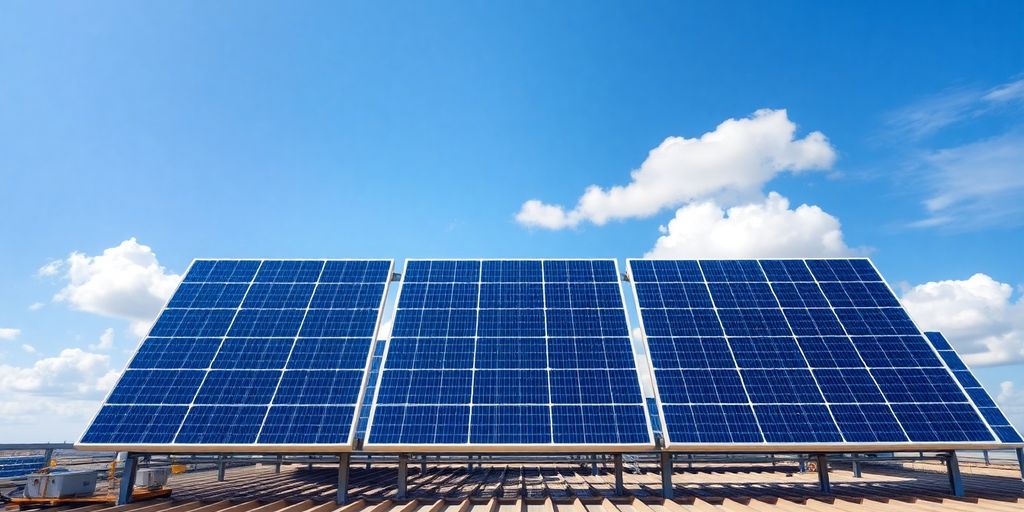
Industrial-sized solar panels are a game-changer for businesses. They provide a reliable energy source that can significantly cut down electricity bills. Big warehouses, shopping malls, and office complexes are increasingly turning to solar energy to power their operations. With vast roof spaces available, these commercial entities can install large solar arrays, which not only meet their energy needs but also contribute to a greener image. Here’s a simple list of where these panels shine in commercial settings:
- Warehouses
- Shopping Malls
- Office Complexes
- Large Retail Stores
Industrial Applications
In the industrial sector, energy demands are massive, and solar panels help in meeting these needs efficiently. Factories and manufacturing plants, especially those with high energy consumption, benefit from solar installations. These panels can power machinery, lighting, and even climate control systems, reducing the reliance on traditional power sources. Industrial solar panels are robust and designed to withstand harsh environments, making them ideal for:
- Manufacturing Plants
- Processing Facilities
- Mining Operations
Agricultural Applications
Farms and agricultural businesses are also tapping into the power of solar energy. Solar panels are used to power irrigation systems, greenhouses, and even farm equipment. They offer a sustainable solution that reduces operational costs and supports eco-friendly farming practices. In agriculture, solar panels are particularly useful for:
- Irrigation Systems
- Greenhouses
- Livestock Facilities
Embracing solar technology in agriculture not only cuts costs but also promotes sustainable farming practices, helping farmers to be both profitable and environmentally conscious.
In summary, solar photovoltaic (PV) technology is making waves across various industries by providing a sustainable energy source that supports large-scale operations and reduces energy costs.
Choosing the Right Industrial Size Solar Panel
Assessing Energy Needs
Before diving into the world of industrial solar panels, you gotta figure out your energy needs. Are you powering a small office or a massive factory? Understanding your energy consumption is the first step. Start by checking your past electricity bills. They usually give you a good idea of your monthly usage in kilowatt-hours (kWh). If you’re planning to expand your operations, factor that in too. You don’t want to be stuck with a system that’s too small a few years down the line.
Evaluating Roof Space and Sunlight
Next up, take a good look at your roof. How much space do you have? Industrial panels are big, often measuring around 77 inches by 39 inches. Make sure your roof can handle the size and weight. Plus, think about sunlight. Panels need plenty of it to work efficiently. If your site is shaded by trees or other buildings, you might need more panels or a different setup.
Considering Local Regulations
Don’t forget about the rules and regs. Local building codes can be a real headache if you don’t pay attention. Some areas have strict guidelines on panel placement, size, and even the type of technology you can use. Check with your local authorities before making any decisions. Skipping this step could lead to fines or having to redo your whole setup.
Picking the right industrial solar panel isn’t just about finding the biggest or most powerful option. It’s about matching the panel to your specific needs and conditions. Take the time to assess your energy use, available space, and local regulations to make the best choice for your business.
Technological Advancements in Industrial Solar Panels
Monocrystalline vs. Polycrystalline
When it comes to solar panels, the type of crystal used can make a big difference. Monocrystalline panels are crafted from a single pure silicon crystal, making them super efficient and sleek. They’re the premium choice but come with a heftier price tag. On the flip side, polycrystalline panels are made from silicon fragments. They’re more budget-friendly but fall a bit behind in efficiency. Typically, monocrystalline panels hit around 20-23% efficiency, while polycrystalline ones range from 15-17%.
Innovations in Solar Cell Technology
Recent advancements in solar panel technology have been all about pushing the boundaries. Flexible solar panels are now a thing, making installations on tricky surfaces much easier. There’s also a buzz around using new materials that are more abundant and cost-effective. Manufacturing techniques are getting smarter too, cutting down on waste and boosting production rates. These innovations are set to change the game, making solar power more accessible and efficient for everyone.
Impact on Efficiency and Output
The push for innovation isn’t just about looking cool—it’s about performance. With new tech, solar panels are now more efficient, meaning they can generate more power from the same amount of sunlight. This is a big deal, especially for industrial applications where every watt counts. The improvements in output mean businesses can meet their energy needs more reliably, potentially reducing their reliance on traditional power sources.
As technology evolves, the gap between cost and efficiency is narrowing, making solar power a more viable option for a broader range of applications. The future of solar is not just bright—it’s powerful.
Maximizing Efficiency with Industrial Size Solar Panels
Installation Best Practices
Getting industrial solar panels set up right is a big deal. Proper installation is key to making sure your system works well and lasts a long time. Here are some things to keep in mind:
- Orientation and Tilt: Make sure your panels face the right direction and are tilted correctly. In the northern hemisphere, a south-facing orientation is usually best. Check out this guide for more on getting the angle just right.
- Avoiding Shade: Even a little shadow can mess up your solar panel’s efficiency. Keep an eye out for trees, buildings, or anything else that might block the sun.
- Sturdy Mounting: Your panels need to be secure. This means using strong mounts that can handle wind and weather without budging.
Maintenance Tips
Keeping your solar panels in good shape is all about regular maintenance. Here’s how you can do it:
- Regular Cleaning: Dust, bird droppings, and leaves can cover your panels and reduce their efficiency. A gentle wash with water every few months should keep them clean.
- Inspect for Damage: Check for cracks or other damage regularly. Fixing small issues early can save you from bigger problems later.
- Monitor Performance: Keep an eye on your energy output. If you notice a drop, it might be time to call in a professional.
Optimizing Energy Production
To squeeze the most power out of your solar panels, consider these strategies:
- Use Energy-Efficient Appliances: The less energy your appliances use, the more you can save or sell back to the grid.
- Battery Storage Systems: Store excess energy in batteries for use when the sun isn’t shining. This can be a game-changer for your energy independence.
- Smart Inverters: These can optimize the energy flow and help manage your power use more effectively.
By following these steps, you can ensure that your industrial solar panels are not just a green choice, but a smart financial one too. Investing in the right setup and upkeep can lead to significant savings over time.
Wrapping It Up: Industrial Size Solar Panels
So, there you have it. Industrial size solar panels are a big deal, literally and figuratively. They come in various sizes and power outputs, tailored to meet the hefty energy demands of businesses and large-scale operations. Whether you’re looking at a 400W panel or something even bigger, these panels are designed to maximize efficiency and space usage. But remember, it’s not just about picking the biggest panel out there. You need to consider your specific energy needs, available space, and budget. And hey, don’t forget to check those local regulations before you start installing. Solar panels can be a game-changer for your energy consumption, but only if you choose the right ones for your setup. So, take your time, do your homework, and maybe consult with a solar expert to make the best decision. Happy solar shopping!
Frequently Asked Questions
What are industrial-size solar panels?
Industrial-size solar panels are large solar panels designed for commercial, industrial, and agricultural use. They are bigger than residential panels and generate more electricity, making them suitable for large-scale energy needs.
How big are industrial solar panels compared to residential ones?
Industrial solar panels are usually larger, measuring around 77 inches by 39 inches, while residential panels are typically about 65 inches by 39 inches. This size difference allows industrial panels to produce more power.
What are the benefits of using industrial-size solar panels?
The main benefits include higher energy production, efficiency in meeting large energy demands, and potential cost savings on energy bills for businesses and farms.
Where can industrial-size solar panels be used?
They can be used in various places like factories, warehouses, large farms, and commercial buildings where there is a high demand for electricity.
How do I choose the right industrial solar panel for my needs?
Consider your energy needs, available space, and local regulations. It’s also important to evaluate sunlight exposure and consult with a solar expert to find the best fit.
What advancements have been made in industrial solar panel technology?
Recent advancements include improvements in solar cell efficiency, the development of monocrystalline and polycrystalline technologies, and innovations that enhance energy output and durability.