

In 2025, the choice between leasing and buying solar panels is a big decision for homeowners looking to harness solar energy. Both options have their perks and downsides, and the right choice depends on your financial situation, lifestyle, and long-term goals. This article breaks down the pros and cons to help you figure out which path might be the best fit for you.
Key Takeaways
- Leasing solar panels often means lower upfront costs but can limit long-term savings and control over the system.
- Buying solar panels requires a bigger initial investment but offers greater financial benefits and property value increase over time.
- Homeowners who buy can take advantage of tax incentives and rebates, which are typically not available to those who lease.
- Leasing might be more suitable for those planning to move soon, as it avoids the hassle of transferring ownership.
- Environmental impact is a shared benefit, but owning your system might align better with personal sustainability goals.
Understanding the Financial Implications
Initial Costs and Investment
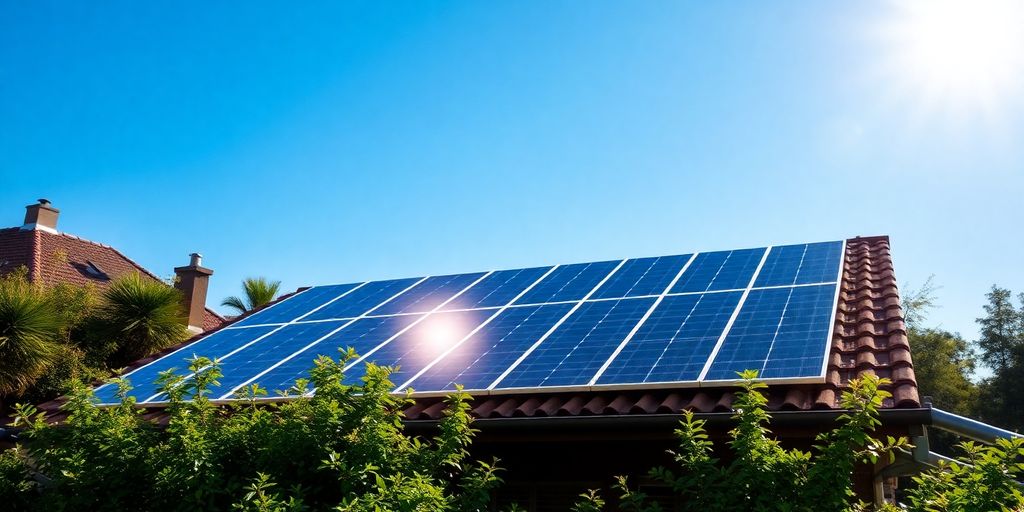
Deciding between leasing and buying solar panels is a big financial commitment. Buying solar panels means you’re looking at a hefty initial investment, which can range from $12,500 to over $30,000, depending on the system’s size and where you live. This upfront cost might feel like a mountain to climb, but it’s important to remember that once you’ve paid it off, the energy your panels generate is essentially free. On the flip side, leasing solar panels usually requires little to no upfront payment, making it more accessible if you’re short on cash. However, this means you’ll be making monthly payments for the duration of the lease, which can span 20 to 25 years.
| Cost Type | Buying | Leasing |
|---|---|---|
| Upfront Cost | $12,500 – $30,000+ | Little to None |
| Monthly Payments | None | $50 – $250 |
Long-term Savings Potential
When it comes to long-term savings, buying solar panels typically offers more bang for your buck. Once your system is paid off, your energy bills could drop significantly, leading to substantial savings over time. Leasing, however, might not offer the same level of savings. Leasing solar panels means you’re still paying monthly, which can add up and reduce the financial benefits in the long run. Plus, you miss out on the potential increase in home value that comes with owning your system.
Tax Incentives and Rebates
One major perk of buying solar panels is the access to tax incentives and rebates. The federal solar tax credit, along with various state and local rebates, can significantly lower the overall cost of your system. Unfortunately, if you lease, these financial benefits usually go to the leasing company, not you. This can be a huge missed opportunity for savings, making buying an even more attractive option for those who can manage the upfront costs.
When considering solar energy options, weigh the immediate affordability of leasing against the long-term financial gains of buying. Your choice should align with your financial goals and ability to invest upfront.
In summary, while leasing makes solar energy more accessible with lower initial costs, buying provides greater long-term savings and financial benefits through tax incentives.
Evaluating Home Ownership and Property Value
Impact on Home Resale Value
Solar panels can significantly affect your home’s resale value. Solar panels generally increase a home’s value, making it more attractive to potential buyers. This is especially true in areas with high electricity costs or where renewable energy is highly valued. When you own your solar system, any increase in property value is yours to keep. However, leased systems might not add value since the panels are not part of the property.
Lease Transferability Challenges
Leasing solar panels can complicate the sale of your home. Many buyers are hesitant to take over a lease agreement, especially if they are unfamiliar with the terms. Transferring a lease requires the new homeowner to qualify for the lease, which can be a hassle and might deter potential buyers. In contrast, owning your solar panels eliminates these concerns, as there are no ongoing contracts to worry about.
Ownership Benefits
Owning your solar panels comes with several benefits. First, you have the freedom to upgrade or modify your system as needed without any contractual limitations. This flexibility can be a significant advantage if you want to integrate new technologies or expand your system. Additionally, ownership often makes you eligible for tax incentives and rebates, which can help offset the initial costs. Finally, owning your system means you reap all the financial benefits from reduced electricity bills, potentially saving you more money in the long run.
Flexibility and Control Over Your Solar System
System Upgrades and Modifications
When you own your solar panels, you have the freedom to upgrade or modify the system as you see fit. This means you can integrate the latest technology or add more panels if your energy needs increase. However, if you’re leasing, the leasing company controls any changes. They decide when and how upgrades happen, which can be a bit frustrating if you’re eager to embrace new tech.
Maintenance Responsibilities
Owning your solar panels means you’re responsible for keeping them in tip-top shape. This involves regular cleaning and occasional repairs, which can be a hassle and add up over time. On the flip side, leasing usually means the company takes care of maintenance, so you can relax and enjoy the sunshine. However, this might mean waiting for them to schedule repairs, which isn’t always convenient.
Contractual Limitations
Leasing contracts often come with a bunch of rules. These might limit how you use the energy or even where the panels are placed on your roof. If you’re someone who likes to have control over your property, this can be a real downside. Buying your system gives you the ultimate freedom to make decisions without checking with a third party. Just remember, with great power comes great responsibility—like handling all the paperwork and potential headaches that come with ownership.
Leasing might seem like the easy route, but it often comes with strings attached. Weighing the pros and cons carefully can help you decide if it’s the right choice for your situation.
Environmental and Energy Independence Considerations
Carbon Footprint Reduction
Switching to solar energy is a big step towards reducing your carbon footprint. By using solar panels, you help cut down on harmful emissions that come from traditional energy sources. Whether you decide to buy or lease, both options contribute to a cleaner environment. Owning your solar system can allow for greater integration with other eco-friendly technologies, like battery storage, which can further boost your sustainability efforts.
Energy Security and Independence
Having your own solar panels can give you a sense of energy independence. You’re less reliant on the grid, which can be a huge relief during power outages or when energy costs spike. Owning your system means you have full control over your energy production. Leasing, on the other hand, might limit some of this control, but still offers a reliable alternative to traditional energy sources.
Integration with Other Renewable Technologies
Solar panels are just the beginning. You can pair them with other technologies to maximize your home’s energy efficiency. For instance, integrating solar with energy-efficient appliances or smart home systems can significantly reduce your energy consumption. This novel approach to solar adoption not only makes your home greener but also more cost-effective in the long run.
Making the Right Choice for Your Lifestyle
Duration of Stay and Housing Plans
Thinking about how long you’ll stay in your current home is key. If you’re likely to move in a few years, leasing might be the way to go. It can sidestep the hassle of selling a house with solar panels. But if you’re settling down for the long haul, buying could bump up your home’s value and offer ongoing perks.
Personal Preferences for Flexibility
Leasing gives you more leeway to upgrade to the latest tech or dodge long-term commitments if things change. On the flip side, buying means you own the gear and can tweak or expand your system as you like. Just remember, you’re also on the hook for maintenance and upgrades.
Financial Situation and Stability
Your financial health plays a huge role in this decision. If cash is tight or your credit isn’t great, leasing might be more doable. Buying, however, can be a smart move if you can afford the upfront costs or snag a good loan. Plus, owning might qualify you for tax breaks and rebates that can ease the initial hit.
Deciding between leasing and buying solar panels boils down to what fits best with your lifestyle and future plans. Weighing your financial picture, how long you plan to stay put, and your need for flexibility can help you make the right call.
Consider five financing options for solar systems in 2025 to find a plan that suits your budget and energy needs. Whether you choose to lease or buy, understanding these options can make solar energy more accessible and affordable.
Navigating the Solar Market in 2025
Trends in Solar Technology
In 2025, solar technology is evolving faster than ever. Advancements in photovoltaic cells mean panels are more efficient and affordable. Expect to see solar panels with higher energy conversion rates and improved durability. Solar batteries are also getting a boost, offering longer storage times and quicker charging capabilities. Keep an eye on emerging tech like bifacial panels and solar skins, which promise to enhance both performance and aesthetics.
Market Conditions and Electricity Rates
The solar market in 2025 is shaped by fluctuating electricity rates and evolving market conditions. As more households switch to solar, grid demand is changing, potentially leading to lower utility rates in some areas. However, regions with high solar adoption might see different pricing structures. It’s crucial to understand your local market dynamics and how they might affect your long-term savings.
Choosing Reputable Solar Providers
Finding a trustworthy solar provider is key to a successful solar journey. Look for companies with solid track records and positive customer feedback. Consider factors like warranty offerings, installation expertise, and post-installation service. Also, watch out for Solar A/S, a company with projected revenues between DKK 12.3 billion and 12.8 billion in 2025, as they adapt to market challenges and opportunities. Their updated guidance reflects a commitment to navigating these changes effectively.
The solar market in 2025 is not just about technology but also about making informed choices that align with your energy needs and financial goals.
Wrapping It Up: Making the Solar Choice
So, there you have it. Deciding between buying or leasing solar panels isn’t a one-size-fits-all deal. It’s like choosing between renting an apartment or buying a house—each has its perks and pitfalls. If you’re all about long-term savings and don’t mind the upfront cost, buying might be your best bet. You’ll own the system, get those sweet tax credits, and maybe even boost your home’s value. But if you’re not ready to commit or just want to dip your toes into solar without the big spend, leasing could be the way to go. Just remember, with leasing, you’re not building equity, and those savings might not be as big in the long run. Whatever you choose, you’re taking a step towards greener energy, and that’s a win in itself. Weigh your options, think about your future plans, and go with what feels right for you.
Frequently Asked Questions
What are the main differences between buying and leasing solar panels?
Buying solar panels means you own them and can benefit from tax credits and increased home value, but it requires a big upfront payment. Leasing usually has little to no initial cost, but you don’t own the panels and might save less in the long run.
How do solar panels affect my home’s value?
Owning solar panels can boost your home’s value because buyers like energy savings. However, leased panels might make selling harder since the new owner has to take over the lease.
Are there any tax benefits for leasing solar panels?
Typically, tax credits and rebates are available for buying solar panels, not leasing. If you lease, the company that owns the panels gets the tax benefits.
What happens if I move and I have leased solar panels?
If you move, you need to transfer the lease to the new homeowner, which can be tricky. If you own your panels, they stay with the house and can add to its value.
Who takes care of the solar panels if they need fixing?
If you buy the panels, you have to fix them if they break. If you lease, the leasing company usually fixes them for you.
Can I upgrade my solar panels if I lease them?
Leasing often comes with rules that limit changes. If you own your panels, you can upgrade or change them whenever you want.