

Thinking about going solar? It’s a big step, but the payoff can be huge. From cutting down on those pesky utility bills to doing your bit for the planet, solar panels have a lot to offer. But let’s be real, the cost can be a bit daunting. Luckily, there are plenty of ways to make it more affordable. Whether you’re dipping into savings, taking out a loan, or exploring government rebates, there’s an option out there for you. And if buying isn’t on the table, leasing or joining a community solar project might just be the ticket. Let’s break it all down so you can find the best way to finance your solar panel installation.
Key Takeaways
- Explore different ways to pay for solar panels, like using personal savings or getting a loan.
- Check out government programs that offer tax credits or rebates for solar installations.
- Think about solar leasing or Power Purchase Agreements if buying isn’t an option.
- Community solar projects and crowdfunding can make solar more accessible.
- Stay informed about the latest in solar tech and financing to make smart decisions.
Exploring Financing Options for Solar Panel Installation
Utilizing Personal Funds and Savings
If you’ve got the cash upfront, buying solar panels outright can be a smart move. Owning your solar system means you pocket all the savings on your electric bill and any incentives. Plus, no monthly payments hanging over your head. But, let’s be real, not everyone has that kind of money just lying around. If you do, though, it’s worth considering because you’ll likely see a bump in your home’s value, and you’re free from interest rates.
Leveraging Home Equity and Retirement Accounts
Tapping into your home equity or retirement accounts can also be a way to fund your solar project. Home equity loans often come with lower interest rates compared to personal loans. Just remember, your house is on the line if you can’t make the payments. Some folks even dip into their retirement funds. This can be risky, but it might make sense if you’re looking at long-term savings on energy bills. Weigh the pros and cons carefully.
Understanding Solar-Specific Loans
Financing solar panels through specialized loans is becoming more popular. These loans are designed specifically for solar projects, often offering better terms than general personal loans. They typically have lower interest rates because the solar system itself acts as collateral. This means less risk for the lender, which can translate to savings for you. Shop around and compare different lenders to find the best deal. Just like with any loan, your credit score will play a big role in the interest rate you get.
Solar panel financing isn’t one-size-fits-all. Whether you’re using savings, taking out a loan, or tapping into equity, each option has its own set of benefits and risks. Make sure to crunch the numbers and consider your financial situation before diving in.
Government Incentives and Rebates for Solar Energy
Federal Solar Tax Credit Explained
The Federal Solar Tax Credit is a game-changer for anyone looking to go solar. In 2025, this credit allows you to claim back a whopping 30% of your solar installation costs on your federal taxes. Imagine spending $20,000 on your setup and getting $6,000 back just like that! But here’s the catch: this benefit is set to phase out soon, so the earlier you jump in, the more you save. It’s a golden opportunity to cut down those upfront costs significantly.
State-Level Incentives and Programs
State incentives can be just as enticing, but they vary widely depending on where you live. Some states offer rebates, slashing the initial price of your solar panels. Others might have tax credits or performance-based incentives that reward you for the energy your panels produce. And don’t forget about net metering policies in many areas, where you can sell excess power back to the grid. It’s crucial to check out what’s available in your state to maximize your savings.
How to Apply for Solar Grants
Applying for solar grants might seem daunting, but it’s pretty straightforward if you know where to look. Start by researching programs available in your area—local government websites are a good starting point. Gather all necessary documents, like proof of income and solar installation plans. Then, follow the application steps carefully, ensuring all information is accurate and complete. With a bit of effort, you could secure extra funding to ease the financial load of going solar.
Taking advantage of these incentives not only reduces the cost of solar installations but also speeds up the return on investment, making solar energy a financially smart choice.
Solar Leases and Power Purchase Agreements (PPAs)
Benefits of Solar Leasing
Solar leasing is a popular choice for folks looking to go solar without the hefty upfront costs. Instead of buying the panels, you lease them from a company that owns and maintains them. This means you can start saving on your electricity bill right away, as the solar power offsets your usual energy usage. Plus, many leases come with performance guarantees and maintenance included, so you don’t have to worry about repairs. Leasing allows you to enjoy renewable energy benefits without a big initial investment. And don’t forget, you might still qualify for federal and state incentives, which can cut your costs even more.
Understanding Power Purchase Agreements
A solar power purchase agreement (PPA) is another way to get solar energy without buying the panels. Here, you agree to purchase the electricity generated by the panels at a fixed rate per kilowatt-hour. This setup can offer lower energy costs and predictable expenses, making it easier to plan your budget. However, it does come with some downsides, like long-term contracts and less control over the system on your property. But if you’re looking for a way to manage your energy costs without owning the equipment, a PPA might be the way to go.
Comparing Leases and PPAs
Choosing between a solar lease and a PPA can be tricky, but it mostly boils down to how you want to handle your energy savings. With a lease, you make regular payments to use the panels, which can include maintenance and other perks. PPAs, on the other hand, focus on paying for the power you use, which can be great if you want stable energy costs. Here’s a quick comparison:
| Feature | Solar Lease | Power Purchase Agreement (PPA) |
|---|---|---|
| Ownership | Solar company | Solar company |
| Payment Structure | Monthly lease payments | Pay per kilowatt-hour |
| Maintenance | Included | May vary |
| Upfront Costs | Low | Low |
| Control Over System | Limited | Limited |
Considering your long-term goals and current financial situation can help you decide which option suits you best. Whether you choose a lease or a PPA, both offer a way to tap into solar energy without the need to purchase the system outright.
Community Solar Projects and Crowdfunding
How Community Solar Works
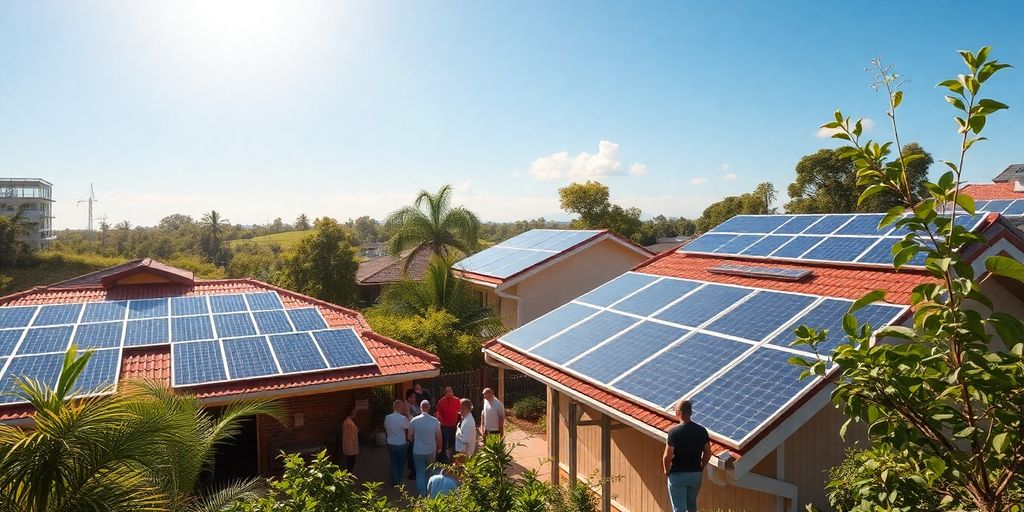
Community solar projects are a great way for people to benefit from solar energy without having to install panels on their own roofs. These projects allow multiple individuals or families to invest in a single solar installation, often located off-site. This setup can be a game-changer for renters or those with unsuitable rooftops. Here’s a simple breakdown of how it works:
- Participants buy or lease a share in a solar project.
- The electricity generated is fed into the local grid.
- Participants receive credits on their utility bills for their share of the power produced.
Benefits of Joining a Community Solar Project
Joining a community solar project offers several perks:
- Accessibility: Even if you can’t install panels at home, you can still access solar energy.
- Cost Savings: Enjoy reduced electricity bills without the upfront costs of a personal solar setup.
- Flexibility: Move within the same utility area and keep your solar benefits.
Community solar is not just about saving money; it’s about making clean energy accessible to everyone, regardless of their living situation.
Exploring Crowdfunding for Solar
Crowdfunding is another innovative approach to finance solar projects. By pooling small investments from a large number of people, significant funds can be raised to support solar initiatives. This method is particularly useful for community-driven projects and can empower local groups to take charge of their energy needs. Crowdfunding is emerging as a significant tool for driving the energy transition, enabling communities to initiate and finance clean energy projects. Here’s how it typically works:
- A solar project is proposed and detailed on a crowdfunding platform.
- Interested individuals contribute funds to support the project.
- Once the funding goal is met, the project is executed, and contributors may receive returns or benefits based on the project’s success.
Crowdfunding not only democratizes the investment process but also builds community engagement and support for solar energy.
Maximizing Solar Savings and Efficiency
Implementing Energy Efficiency Upgrades
Before diving into solar, take a good look at your home’s energy use. Improving energy efficiency can significantly cut down your solar needs. Start with basics like sealing drafts and upgrading insulation. Then, think about energy-efficient appliances. Consider AeroSeal Technology for sealing air ducts, which can enhance your home’s comfort and reduce energy bills. Even small changes like LED lighting and smart thermostats can make a big difference.
Choosing the Right Monitoring Systems
Keeping an eye on your solar system’s performance is crucial. Monitoring systems can help you track energy production and spot any issues early. Look for systems that offer real-time data and alerts. Some can even integrate with smart home devices, letting you optimize energy use throughout the day. A good monitoring system ensures your panels are working efficiently and helps you understand your energy consumption patterns.
Smart Energy Management Practices
Once your solar panels are up and running, it’s all about managing your energy smartly. Use appliances during peak sun hours to maximize solar energy usage. Consider battery storage solutions to store excess energy for later use. Regular maintenance, like cleaning your panels and checking for shading, is essential to keep everything running smoothly. Optimal panel placement and orientation can also boost efficiency, so make sure your setup is well-planned. Smart energy habits can lead to greater savings and a more sustainable lifestyle.
Navigating Legal and Regulatory Aspects of Solar Installation
Understanding Zoning Laws and Permits
Getting solar panels isn’t just about picking the right system. You gotta deal with zoning laws and permits, which can be a bit of a headache. Local zoning laws dictate where and how you can install your panels. They might restrict certain areas or require specific setbacks from property lines. Before you even think about installation, check with your local government to see what’s allowed.
Here’s a quick checklist to help you navigate zoning laws:
- Research Local Ordinances: Find out if your area has any restrictions on solar installations.
- Consult with a Professional: Sometimes it’s best to have an expert who knows the ins and outs of local regulations.
- Submit Permit Applications Early: These can take a while to process, so don’t leave it to the last minute.
Building Code Compliance for Solar
Building codes are another piece of the puzzle. These codes ensure your solar installation is safe and up to standard. They cover everything from the structural integrity of your roof to the electrical systems.
- Structural Assessment: Make sure your roof can handle the weight of solar panels.
- Electrical Safety: Ensure all wiring and connections meet safety standards.
- Inspection Requirements: Be ready for inspections at various stages of the installation process.
Legal Considerations for Homeowners
Legal stuff might not be the most exciting part of going solar, but it’s essential. You need to think about things like contract terms with your installer and warranties for your panels.
- Review Contracts Carefully: Understand the terms and conditions before signing anything.
- Know Your Warranties: Check what is covered and for how long.
- Understand Utility Agreements: If you’re connecting to the grid, understand your utility’s policies.
Getting through the legal and regulatory maze of solar installation might seem tough, but it’s totally doable. Just take it step by step, and don’t hesitate to get help when you need it. Remember, once you’re through it, you’ll be one step closer to clean, renewable energy right from your rooftop.
Emerging Technologies and Future Trends in Solar Financing
Innovative Financing Models
The world of solar financing is evolving rapidly, introducing new ways to make solar energy more accessible. One exciting development is the rise of peer-to-peer energy trading platforms. These platforms allow homeowners with solar panels to sell excess energy directly to their neighbors, creating a decentralized energy market. It’s like having your own mini power company!
Another trend is the use of blockchain technology in solar financing. Blockchain can provide transparent and secure transactions, making it easier for investors to fund solar projects. This could be a game-changer for community solar projects, where multiple individuals invest in a shared solar farm.
Technological Advancements in Solar
Recent advancements in solar panel technology are making solar energy more efficient and affordable. Flexible solar panels, made from new materials like perovskite, are becoming more common. These panels can be installed on a variety of surfaces, from roofs to vehicles, expanding the possibilities for solar energy use.
Moreover, improvements in solar cell efficiency mean that panels can generate more power from the same amount of sunlight. This not only reduces the cost of solar installations but also makes solar a more viable option in areas with less sunlight.
Future Trends in Solar Energy
Looking ahead, the future of solar energy is bright. One trend to watch is the integration of solar panels with smart home systems. This allows homeowners to monitor and optimize their energy use, maximizing their solar savings.
Battery storage technology is also advancing, enabling homeowners to store solar energy for use when the sun isn’t shining. This could significantly reduce reliance on the grid and lower electricity bills.
Finally, as more people adopt electric vehicles, there’s a growing interest in using solar energy to power them. Solar carports, which combine solar panels with car shelters, are becoming popular. They offer a sustainable way to charge electric vehicles, reducing their carbon footprint even further.
The future of solar financing and technology is full of promise, offering innovative solutions that make renewable energy more accessible to everyone. As these trends continue to develop, they will play a crucial role in shaping a sustainable energy future.
Conclusion
So, there you have it. Financing your solar panel installation doesn’t have to be a headache. With so many options out there, from loans to leases, and even tapping into government incentives, there’s bound to be a solution that fits your budget and lifestyle. Remember, going solar isn’t just about saving money—it’s about investing in a cleaner, greener future. Take your time, do your homework, and choose the path that feels right for you. Who knows? You might just inspire your neighbors to make the switch too. Happy solar journey!
Frequently Asked Questions
What are the different ways to pay for solar panels?
You can pay for solar panels using cash, solar loans, or through leasing options. Each method has its own pros and cons.
How can I save money with solar panels?
You can save money by using government tax credits, state rebates, and choosing the right payment plan for your solar panels.
What is a solar lease?
A solar lease is an agreement where you pay monthly to use solar panels that a company installs and maintains on your property.
Can I get help from the government to pay for solar panels?
Yes, there are government programs that offer tax credits and rebates to help lower the cost of solar panel installation.
What should I do before installing solar panels?
Before installing, check your roof’s condition, learn about local rules and permits, and consider energy-saving upgrades.
What is a Power Purchase Agreement (PPA)?
A PPA is a deal where you agree to buy the electricity made by solar panels on your roof, which are owned by a solar company.