

Bifacial solar panels are a game-changer in the solar world, grabbing sunlight from both sides. This article digs into how these panels work, their benefits, and what to watch out for when installing them. We’ll also compare them with the regular one-sided panels and peek into future trends. Whether you’re thinking of using them at home, in business, or out in the fields, there’s a lot to learn about these innovative panels.
Key Takeaways
- Bifacial solar panels absorb sunlight from both sides, boosting energy production.
- They are adaptable to different environments but come with higher upfront costs.
- Special mounting systems are needed for optimal performance.
- Comparing bifacial and monofacial panels shows efficiency and cost differences.
- Future innovations in bifacial technology promise even more energy efficiency.
Understanding Bifacial Solar Panel Technology
How Bifacial Panels Capture Sunlight
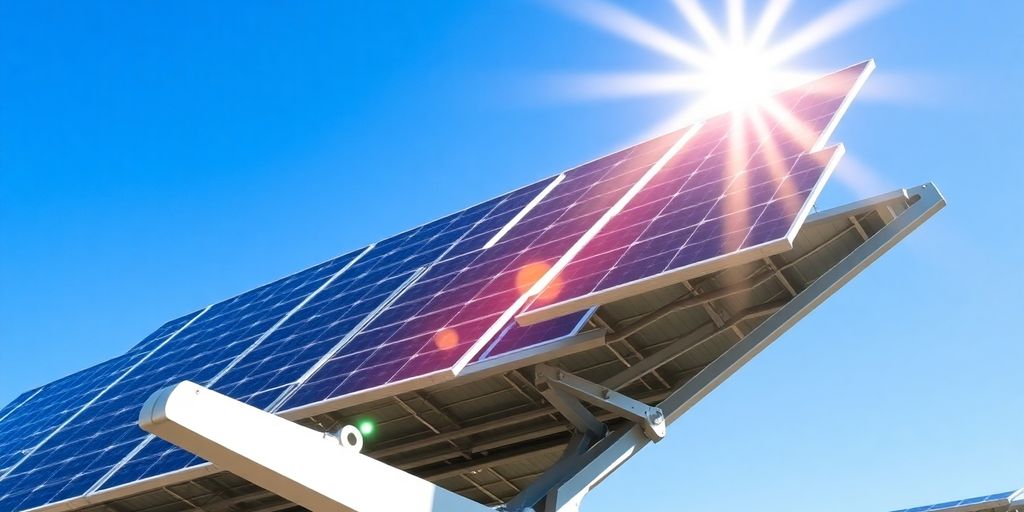
Bifacial solar panels are a game-changer in the world of renewable energy. Unlike traditional panels, these guys can soak up sunlight from both the front and the back. This means they can harness not just direct sunlight but also the light that bounces off the ground or nearby structures. It’s like getting a two-for-one deal on sunlight.
Here’s a quick rundown of how they work:
- Absorption: Sunlight hits the front of the panel, and the photovoltaic cells get to work absorbing that energy. But that’s not all—some of that light slips through to the back.
- Reflection and Absorption: The back is designed to catch reflected sunlight. Thanks to a transparent backsheet, a lot of that reflected light gets absorbed too, boosting energy production.
- Electrical Conversion: All that absorbed sunlight is converted into electricity by the photovoltaic cells. This power is then ready to be used for whatever you need.
The Role of Transparent Backsheets
The transparent backsheet is a critical component in bifacial panels. It lets light pass through from the front to the back, making sure that any reflected sunlight isn’t wasted. This design tweak not only increases efficiency but also opens up more possibilities for where these panels can be installed. Whether it’s over snow, water, or even a shiny metal roof, the backsheet helps capture every bit of available light.
Energy Conversion Process
The energy conversion process in bifacial solar panels is pretty straightforward but super effective. Photovoltaic cells, usually made of silicon, do the heavy lifting. They convert the sunlight into electrical energy through the photovoltaic effect. Once the light hits the cells, it’s transformed into DC electricity, which can then be converted to AC for everyday use. The dual-sided design of these panels means they can generate more electricity than traditional ones, making them a smart choice for anyone looking to maximize energy output.
Bifacial solar panels represent a significant step forward in solar technology, offering increased efficiency by capturing light from all angles. They’re not just an upgrade; they’re a whole new way to think about solar energy.
Advantages of Bifacial Solar Panels
Increased Energy Yield
Bifacial solar panels are a game-changer in the solar energy solutions landscape. They harness sunlight from both the front and back, which means they can capture reflections from the ground or nearby surfaces. This unique capability often leads to a boost in energy production, sometimes up to 30% more than traditional panels. Imagine placing these panels on a reflective surface like snow or water; the energy gains can be substantial.
Adaptability to Various Environments
These panels are incredibly versatile. They work well in diverse settings, whether mounted on rooftops, integrated into building facades, or installed on the ground. Their adaptability shines in environments with high albedo, like snowy regions, where they can capture more reflected light. Plus, you can adjust their angles and heights to maximize sunlight absorption, making them a smart choice for varied landscapes.
Durability and Longevity
Bifacial panels are built to last. With sturdy frames and robust materials, they can withstand harsh weather conditions, from heavy snow to high winds. This durability means less frequent replacements and repairs, making them a cost-effective option in the long run. They also tend to have lower degradation rates, ensuring consistent performance over their lifespan.
Investing in bifacial solar panels might seem pricey initially, but their long-term benefits, like increased energy output and durability, often justify the cost over time.
Challenges and Considerations in Bifacial Solar Panel Installation
Higher Initial Costs
Bifacial solar panels are a bit pricier than your regular single-sided panels. This can make the initial investment feel like a big hurdle. But remember, the increased energy output might balance those costs over time. It’s kinda like buying a high-efficiency appliance; you pay more upfront, but you save on energy bills later.
Specialized Mounting Requirements
Installing these panels isn’t as simple as slapping them on a roof. They need specific mounting systems to maximize their dual-sided energy capture. This means more planning and possibly higher installation fees. The mounting structures must allow for optimal tilt and rotation to catch the most sunlight, which can be a bit tricky.
Maintenance and Cleaning Needs
Keeping bifacial panels clean is crucial. Dust, dirt, and debris can block sunlight and reduce efficiency. Regular maintenance is key, and this might mean more frequent cleaning compared to monofacial panels. Also, keeping an eye on the electrical components helps ensure everything runs smoothly.
When setting up bifacial panels, consider the site-specific challenges like shading and roof orientation. These factors can significantly impact the efficiency and longevity of your solar setup.
Comparing Bifacial and Monofacial Solar Panels
Efficiency Differences
Bifacial solar panels have a clear edge when it comes to efficiency. These panels can catch sunlight from both the front and the back, unlike monofacial panels which only capture light from one side. This means bifacial panels can potentially deliver up to 30% more energy, especially in environments where light can bounce off surfaces like snow or water. Here’s a quick comparison:
| Feature | Bifacial Panels | Monofacial Panels |
|---|---|---|
| Light Absorption | Front and back | Front only |
| Efficiency Range | 20% – 25% | 15% – 20% |
| Ideal Conditions | Reflective areas | Direct sunlight |
Cost Implications
Bifacial panels come with a higher price tag. The dual-sided technology requires more materials and a more intricate manufacturing process. While the upfront costs are steeper, the potential for increased energy output can make them a smart long-term investment. On the other hand, monofacial panels are cheaper to produce and have become more affordable over the years due to mass production. Here’s a breakdown:
- Bifacial Panels:
- Monofacial Panels:
Suitability for Different Applications
When it comes to choosing between bifacial and monofacial panels, the decision often boils down to the specific needs of the project. Bifacial panels are great for large-scale installations where maximizing energy output is crucial. They’re also a good choice in areas with frequent cloud cover where ambient light can be harnessed. Monofacial panels, however, might be more suitable for residential use or in places where installation space is limited. Consider these points:
- Bifacial Panels:
- Monofacial Panels:
Choosing the right type of solar panel is crucial for optimizing energy generation and cost-efficiency. Consider your environment, budget, and energy needs carefully to make the best choice.
Innovations and Future of Bifacial Solar Technology
Advancements in Perovskite Solar Cells
Solar technology is evolving rapidly, with perovskite solar cells leading the charge. These cells are being integrated into bifacial panels to potentially boost efficiency even further. Perovskite materials are known for their excellent light absorption and ease of manufacturing. Researchers are now exploring how these can be combined with bifacial technology to capture even more sunlight from both sides of the panel. This integration might open up new possibilities for solar installations in diverse environments, enhancing the overall energy output.
Market Growth and Trends
The market for bifacial solar panels is thriving, driven by the increasing demand for renewable energy sources. As more countries commit to reducing carbon emissions, the adoption of bifacial technology is expected to grow. Some key trends include:
- Increased production capacity: Manufacturers are ramping up production to meet global demand.
- Cost reductions: Technological advancements are gradually bringing down the costs, making bifacial panels more accessible.
- Diverse applications: From commercial rooftops to floating solar farms, bifacial panels are being used in a wide range of settings.
Potential Environmental Benefits
Bifacial solar panels offer several environmental benefits. By capturing sunlight from both sides, they generate more energy from the same footprint, reducing the need for land and materials. This efficiency can lead to a smaller carbon footprint and less environmental disruption. Additionally, as solar technology advances, the environmental impact of manufacturing and disposal is likely to decrease, making bifacial panels an even greener choice in the future.
The future of bifacial solar technology looks promising, with innovations on the horizon that could redefine how we harness solar energy. As research continues, we can expect these panels to become even more efficient and versatile, playing a crucial role in the transition to sustainable energy.
Applications of Bifacial Solar Panels
Commercial and Industrial Uses
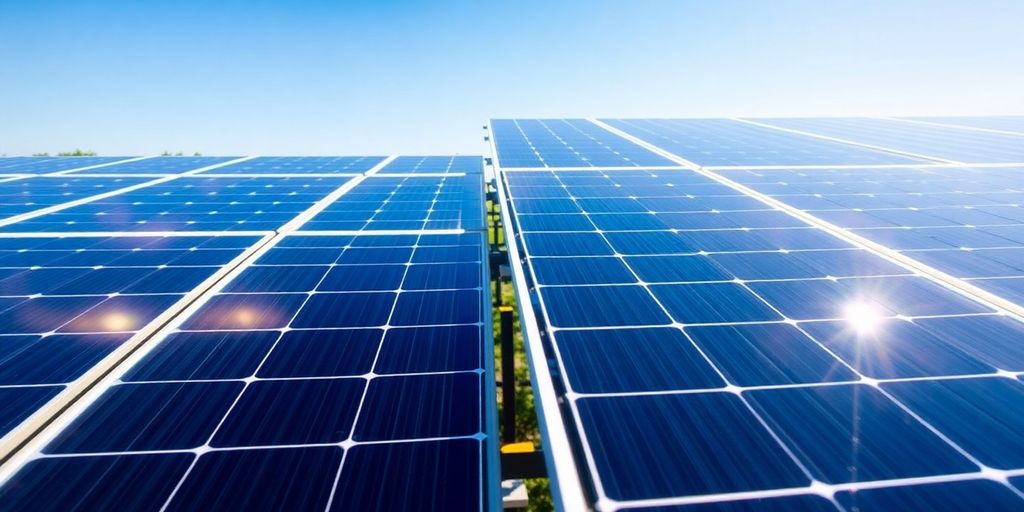
Bifacial solar panels are a game-changer for commercial and industrial sectors. These panels can be installed on rooftops of factories or warehouses, maximizing the use of available space to generate electricity. The dual-sided nature of these panels means they can capture sunlight from both the top and the reflected light from the ground, increasing overall energy output. This makes them particularly beneficial for large-scale projects where energy demand is high. Additionally, industrial sites with large unused areas can turn these spaces into energy-generating assets.
Residential Installations
For homeowners, bifacial solar panels offer an innovative solution to increase energy efficiency. They can be integrated into building designs, such as solar windows or facades, adding both aesthetic and functional value. Unlike traditional panels, bifacial modules can even utilize light reflected off surfaces like patios or driveways, making them an excellent choice for urban settings where space is limited. Plus, they perform well in various weather conditions, ensuring consistent energy generation.
Agricultural and Remote Applications
In agricultural settings, bifacial solar panels provide a dual benefit: energy generation and crop protection. They can be strategically placed to offer shade to crops while generating electricity, which is especially useful in regions with intense sunlight. These panels are also ideal for remote locations, like mining sites or rural areas, where traditional energy infrastructure might be lacking. Their ability to generate power from both sides means they can make the most of available sunlight, even in less-than-ideal conditions.
Bifacial solar panels are not just about generating more power; they offer a versatile solution that can be adapted to various needs and environments. Whether it’s a bustling city rooftop or a quiet rural field, these panels are paving the way for a more sustainable energy future.
By capturing sunlight from multiple directions, bifacial solar panels enhance energy generation significantly, making them a preferred choice for utility-scale photovoltaic ground mount projects. This technology is not only efficient but also adaptable to a wide range of applications, ensuring that energy needs are met in the most sustainable manner possible.
Wrapping It Up: The Future is Bright for Bifacial Solar Panels
So, there you have it. Bifacial solar panels are like the new kids on the block, but they’re already making waves. By catching sunlight from both sides, these panels are pushing the boundaries of what’s possible in solar energy. Sure, they might cost a bit more upfront and need some special setup, but the payoff? More energy and better performance in tricky light conditions. Plus, they’re tough and can handle a lot. Whether it’s on a rooftop, in a snowy field, or even floating on water, bifacial panels are proving they can do the job. As we keep looking for cleaner energy solutions, these panels are definitely something to keep an eye on. They’re not just a trend; they’re a glimpse into the future of solar power. Exciting times ahead!
Frequently Asked Questions
What are bifacial solar panels?
Bifacial solar panels are a type of solar panel that can capture sunlight from both the front and back sides. This allows them to generate more energy compared to traditional panels that only capture sunlight from one side.
How do bifacial solar panels work?
These panels work by using a transparent backsheet that lets light pass through, allowing them to capture sunlight from both sides. They also absorb reflected light from surfaces like the ground, increasing their efficiency.
What are the benefits of using bifacial solar panels?
Bifacial panels can produce more energy, adapt to various environments, and are durable. They can work well in areas with reflective surfaces like snow or water, providing a higher energy yield.
Are bifacial solar panels more expensive than regular panels?
Yes, bifacial solar panels generally have a higher upfront cost due to their advanced technology and design. However, their increased energy production can make them more cost-effective over time.
Where can bifacial solar panels be installed?
These panels are versatile and can be installed in many places, including commercial rooftops, solar farms, residential areas, and even on agricultural lands where they can provide shade and power.
What challenges come with installing bifacial solar panels?
Challenges include higher initial costs, the need for specialized mounting systems, and more frequent cleaning due to potential dirt accumulation on both sides.