

Thinking about solar panels for your home? It’s 2025, and solar tech has come a long way. From cutting your energy bills to boosting your home’s value, there’s a lot to gain. But where do you start? This guide breaks it all down, from choosing the right system to understanding the latest tech trends. Let’s get into it and see if solar is the right move for you.
Key Takeaways
- Residential solar panels can significantly reduce your electricity bills.
- Installing solar panels can increase your home’s market value.
- Government incentives and tax credits can make solar panels more affordable.
- Proper maintenance and smart technology integration can maximize your energy savings.
- Future advancements in solar technology promise even greater efficiency and benefits.
Understanding Residential Solar Panels
What Are Residential Solar Panels?
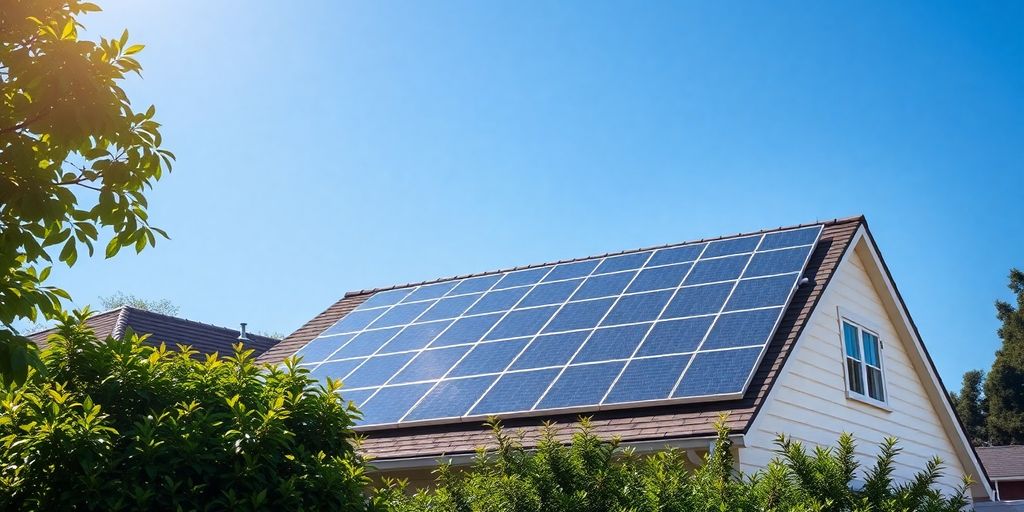
Residential solar panels are devices that convert sunlight into electricity, providing a renewable energy source for homes. These panels are typically installed on rooftops and are made up of photovoltaic (PV) cells, which are composed of semiconductor materials like silicon. When sunlight strikes these cells, it excites electrons, creating an electric current. This technology allows homeowners to generate their own electricity, reducing reliance on traditional energy sources.
How Do Residential Solar Panels Work?
The process begins when solar panels capture sunlight and convert it into direct current (DC) electricity. This DC electricity is then passed through an inverter, which converts it into alternating current (AC) electricity, the type used by most household appliances. Here’s a simple breakdown:
- Solar Panels: Capture sunlight and convert it into DC electricity.
- Inverter: Transforms DC electricity into AC electricity.
- Electrical Panel: Distributes the electricity throughout the home.
- Utility Meter: Measures energy usage and can send excess power back to the grid.
Types of Residential Solar Panels
There are several types of solar panels available for residential use, each with its own advantages:
- Monocrystalline Panels: Known for their high efficiency and sleek appearance, these panels are made from a single crystal structure.
- Polycrystalline Panels: Slightly lower in efficiency but more affordable, these panels are made from multiple silicon crystals.
- Thin-Film Panels: Lightweight and flexible, these panels are less efficient but offer versatility in installation.
Choosing the right type of solar panels can significantly impact your home’s energy efficiency and cost savings. It’s essential to consider factors like roof space, budget, and energy needs when selecting a solar panel type.
Benefits of Installing Residential Solar Panels
Energy Cost Savings
Switching to solar can dramatically slash your electricity bills. Picture this: your monthly power bill dropping from $200 or $300 to just the basic connection fee. Solar panels can cut your electricity costs by 70-90%, giving you more control over your energy expenses. Plus, with solar energy in California, you’re shielded from rising electricity rates and can even tap into various tax incentives.
Environmental Impact
Going solar isn’t just about the money; it’s about making a difference. By generating clean energy, you’re reducing your carbon footprint. A typical 10kW solar setup can prevent 8-10 metric tons of CO2 emissions each year, which is like planting 150 trees! Over the 25-year lifespan of your system, that’s a whopping 200+ metric tons of emissions avoided. And if you add an electric vehicle to the mix, you’re cutting even more emissions and air pollutants.
Increased Home Value
Installing solar panels can boost your home’s market value. Buyers are attracted to homes with lower energy costs and a smaller carbon footprint. It’s a win-win: you enjoy the savings while living there, and when it’s time to sell, your home stands out in the market. Homes with solar systems often sell faster and at a premium compared to those without. So, investing in solar is not just about saving on bills; it’s about enhancing your property’s worth.
Choosing the Right Solar Panel System for Your Home
Factors to Consider
When you’re picking out a solar panel system for your house, there’s more to it than just slapping some panels on the roof. It’s all about matching the system to your specific needs. Some things to think about include:
- Energy Needs: Check out your electricity bills from the past year. This helps figure out how much power you use and what size system you’ll need.
- Roof Characteristics: Not every roof is a perfect fit for solar panels. Consider its size, shape, and angle. If your roof space is limited, you might want to look into alternative solutions like ground-mounted panels or solar tiles.
- Budget: Solar panels aren’t cheap, but they can save you money in the long run. Look into financing options or incentives that might be available.
Comparing Solar Panel Brands
Not all solar panels are created equal. Different brands offer varying levels of efficiency, durability, and cost. Here’s what to compare:
- Efficiency: Higher efficiency panels convert more sunlight into electricity, which can be crucial if you have limited space.
- Durability: Consider the warranty and expected lifespan. Some panels are made to withstand harsh weather better than others.
- Cost: Balance the upfront cost with potential energy savings over time. Sometimes spending a bit more initially can save you more in the long run.
Customizing Your Solar Setup
Once you’ve got the basics down, you can start thinking about customizing your setup:
- Battery Storage: Adding batteries can let you store excess energy for use when the sun isn’t shining.
- Smart Home Integration: Connect your solar system with smart home devices to optimize energy use.
- Hybrid Systems: Consider a mix of on-grid and off-grid systems for flexibility and independence.
Picking the right solar panel system is like tailoring a suit. It needs to fit your home’s unique style and needs perfectly. With the right choices, you can enjoy a more sustainable and cost-effective energy solution.
Financing and Incentives for Residential Solar Panels
Solar Loans and Leases
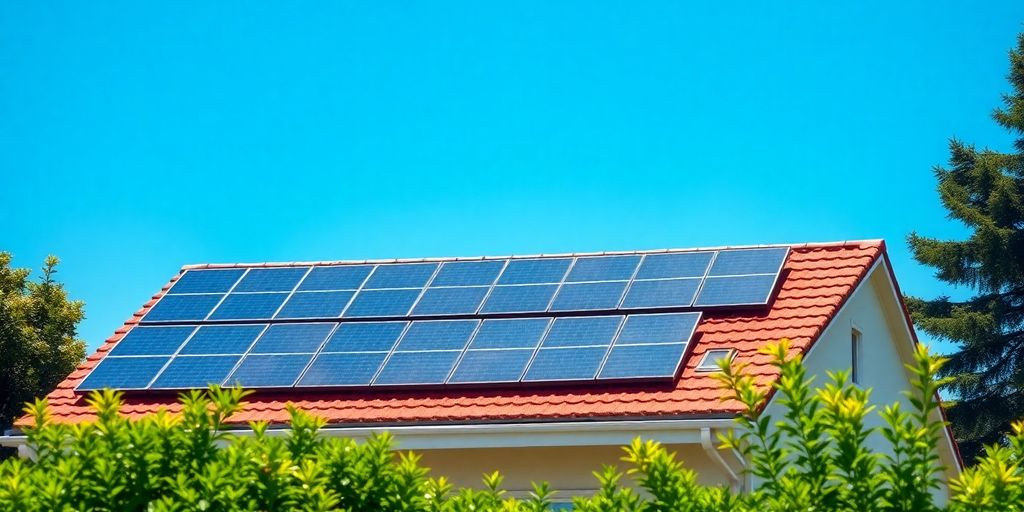
Getting solar panels installed on your home can feel like a big expense, but there are plenty of ways to make it more affordable. Solar loans are a popular choice, letting you spread the cost over time with monthly payments. These loans often come with low interest rates, making them a budget-friendly option. On the other hand, solar leases allow you to rent the solar setup. You can enjoy the benefits of solar energy without owning the system outright. It’s like renting a car but for your energy needs.
Government Incentives and Tax Credits
The government really wants you to go solar, and they’re putting their money where their mouth is. Federal tax credits can knock a significant chunk off your solar panel costs. For example, if your system costs $20,000, a 30% tax credit could save you $6,000. Plus, many states offer extra rebates and incentives, which can vary depending on where you live. These can further reduce the costs, making solar energy a no-brainer for many homeowners.
Community Solar Programs
Not every home is set up for solar panels. Maybe your roof isn’t right, or you live in an apartment. That’s where community solar programs come in. These programs let you subscribe to a shared solar project and still enjoy the benefits of solar energy. It’s a great way to go green without having to install anything on your own property. You get to support renewable energy and potentially save on your electricity bill, all while being part of a community effort.
Maximizing Efficiency and Savings with Solar Panels
Solar Panel Maintenance Tips
Keeping your solar panels in top shape is crucial for getting the most out of them. Regular maintenance can significantly boost their efficiency and lifespan. Here are some tips to ensure your panels are performing at their best:
- Clean the panels regularly: Dust, leaves, and bird droppings can reduce the panels’ efficiency. Use a soft brush or a leaf blower to gently remove debris.
- Check for shading: Ensure that no new obstacles like trees or buildings are casting shadows on your panels.
- Inspect for damage: Look for cracks or loose connections and have them repaired promptly to avoid bigger issues.
Integrating Smart Home Technology
Incorporating smart home technology with your solar panels can supercharge your energy savings. By automating energy use, you can make sure you’re using electricity when it’s cheapest or when your panels are generating the most power. Consider these options:
- Smart thermostats: Adjust heating and cooling based on your schedule and solar production.
- Automated lighting: Use sensors and timers to control lights, reducing unnecessary power consumption.
- Energy monitoring systems: Track your energy use in real-time and adjust accordingly.
Smart technology isn’t just about convenience; it’s about making your home more efficient and your wallet happier.
Utilizing Solar Battery Storage
Solar battery storage is a game-changer for maximizing your solar setup. By storing excess energy, you can use it when the sun isn’t shining, reducing reliance on the grid. Here’s why battery storage is worth considering:
- Energy independence: Reduce your dependency on the grid and keep the lights on during outages.
- Cost savings: Use stored energy during peak electricity rates to save money.
- Environmental benefits: Minimize your carbon footprint by using more of your own renewable energy.
Future Trends in Residential Solar Panel Technology
Advancements in Solar Efficiency
Solar panels are becoming more efficient than ever. In 2025, new technologies are pushing the boundaries of how much sunlight can be converted into electricity. This means fewer panels are needed to generate the same amount of power, which is great if you have limited roof space. Look for improvements in emerging solar panel technology trends like tandem and perovskite cells that promise higher efficiency and energy output.
Emerging Solar Technologies
The solar industry is buzzing with innovation. Some of the most exciting developments include flexible solar panels that can be integrated into various surfaces and transparent solar panels that can be used as windows. These advancements not only make solar energy more accessible but also more versatile in application, allowing homeowners to incorporate solar in ways they never could before.
The Role of AI in Solar Energy
Artificial Intelligence is stepping into the solar world, optimizing everything from energy production to consumption. AI systems can predict energy usage patterns, adjust panel angles for maximum sun exposure, and even diagnose system issues before they become problems. This tech-savvy approach is set to make solar energy systems smarter and more efficient, reducing costs and enhancing reliability.
As we look ahead, it’s clear that the future of residential solar technology is not just about generating power, but also about integrating seamlessly with our homes and lifestyles. The innovations on the horizon promise to make solar energy a more integral part of everyday life.
Wrapping It Up: Solar Panels in 2025
So, there you have it. Solar panels in 2025 aren’t just about saving a few bucks on your electric bill. They’re about taking control of your energy use, helping the planet, and maybe even boosting your home’s value. Sure, there’s a bit of an upfront cost, but with all the incentives and financing options out there, it’s more doable than ever. Plus, with tech getting better every year, those panels are more efficient and durable than ever before. Whether you’re looking to cut costs, go green, or just be a little more independent from the grid, solar panels are a solid choice. It’s a big step, but one that could really pay off in the long run. So why not take the plunge?
Frequently Asked Questions
What are the benefits of installing solar panels at home?
Installing solar panels can save money on electricity bills, reduce your carbon footprint, and increase your home’s value.
How do solar panels help the environment?
Solar panels generate clean energy, reducing reliance on fossil fuels and cutting down on greenhouse gas emissions.
Are there different types of solar panels for homes?
Yes, there are several types, including monocrystalline, polycrystalline, and thin-film panels, each with its own advantages.
What should I consider when choosing a solar panel system?
Consider factors like your energy needs, roof size, budget, and the different brands available.
Can I get financial help to install solar panels?
Yes, there are loans, leases, tax credits, and other incentives that can make solar panels more affordable.
How can I keep my solar panels working efficiently?
Regular cleaning and maintenance, integrating smart home technology, and using solar battery storage can maximize efficiency.