

Ever wondered just how much power those big industrial solar panels can crank out? It’s not just a simple answer. There’s a bunch of things that can tweak the numbers, like how sunny it is, the type of panel, and even the angle they’re installed at. In this piece, we’ll break down these factors and give you the lowdown on what really affects the power output. You’ll learn about the efficiency of different panels, how to calculate their output, and ways to get the most out of your solar setup. Plus, we’ll touch on the economic and environmental perks of going solar in the industrial world.
Key Takeaways
- Industrial solar panel power output varies based on sunlight, panel type, and installation angle.
- Efficiency differences between monocrystalline and polycrystalline panels affect power production.
- Real-world conditions often differ from standard test conditions, impacting panel performance.
- Regular maintenance and optimal placement can enhance solar panel efficiency.
- Economic benefits include cost savings, ROI, and potential government incentives.
Factors Influencing Industrial Solar Panel Power Output
Impact of Sunlight and Weather Conditions
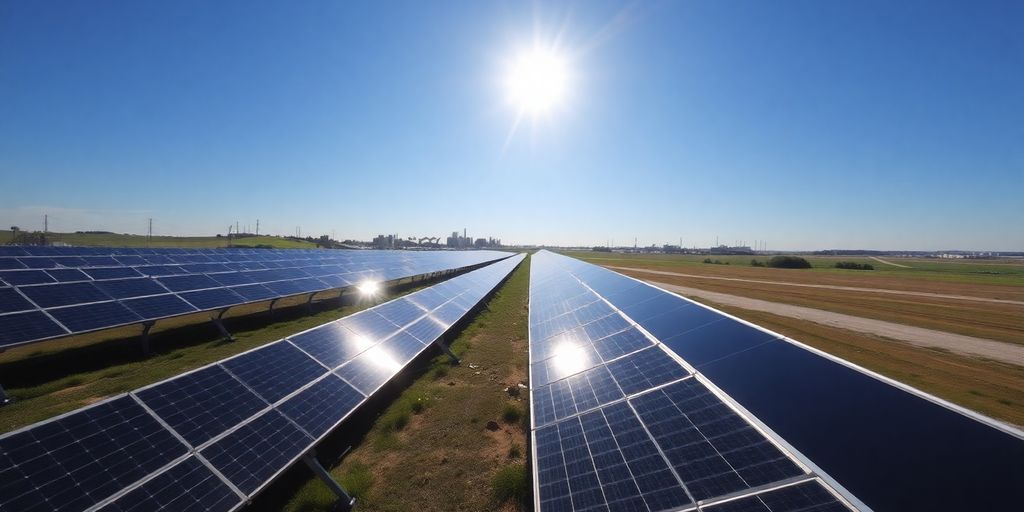
The amount of sunlight hitting a solar panel is a major player in how much energy it can produce. Sunny days are golden for solar panels, especially in places like Texas where the sun shines bright and often. But when clouds roll in or temperatures drop, the energy production takes a hit. Even though solar systems don’t like extreme temperatures—whether it’s too hot or too cold—they still manage to work, just not at their peak.
Role of Panel Size and Type
The size and type of solar panels installed can significantly influence the overall power output. Larger systems naturally generate more electricity than smaller ones. However, it’s not just about size. The type of panel also matters. Monocrystalline panels, known for their high efficiency, can outperform polycrystalline panels even if the number of panels is the same. This efficiency difference is due to the materials and technology used in their manufacturing.
Importance of Installation Angle
The angle at which solar panels are installed plays a critical role in their performance. If panels are laid flat, they capture less sunlight compared to those installed at an optimal angle. The steeper the angle, the better the panels can catch the sun’s rays, maximizing energy storage. This is why adjusting the installation angle to suit your geographical location can lead to better energy yields.
Effect of Shading and Roof Orientation
Shading is a solar panel’s nemesis. When panels are placed in the shade, they miss out on direct sunlight, drastically reducing their power output. Similarly, the orientation of the roof on which the panels are installed can affect energy production. Ideally, panels should face the sun directly to capture the most light. But if the roof’s angle isn’t quite right, it can limit the amount of energy the panels generate. It’s essential to consider these factors to ensure your solar investment is worthwhile.
Understanding Solar Panel Efficiency
Types of Solar Panels and Their Efficiency
When it comes to solar panel efficiency, the type of panel plays a huge role. There are three main types of solar panels: monocrystalline, polycrystalline, and thin-film.
- Monocrystalline panels are the top dogs in efficiency, typically converting more than 20% of sunlight into electricity. They’re made from pure silicon, which is why they perform so well. But, they’re also the priciest option.
- Polycrystalline panels are a bit more budget-friendly and have an efficiency ranging between 15% and 17%. They’re made by melting multiple silicon crystals together.
- Thin-film panels are the least efficient, usually below 10%, but they are super affordable and flexible.
Technological Advances in Solar Efficiency
Solar technology is always moving forward. New advancements like Passivated Emitter and Rear Cell (PERC) technology help boost efficiency by improving how solar cells capture and use sunlight. Better temperature performance is also a focus, as panels that handle heat well can maintain efficiency in hot climates. These innovations mean panels are getting better at converting sunlight into usable electricity.
Comparing Monocrystalline and Polycrystalline Panels
Choosing between monocrystalline and polycrystalline panels often comes down to balancing efficiency and cost. Monocrystalline panels, with their higher efficiency, are great when you need maximum power from limited space. They last longer too. Polycrystalline panels, on the other hand, offer a good efficiency-to-cost ratio, making them a popular choice for larger areas where space isn’t as tight.
Solar panel efficiency isn’t just about the numbers; it’s about finding the right fit for your energy needs and budget. Whether you go for high-efficiency monocrystalline panels or the more affordable polycrystalline options, understanding these differences can help you make an informed decision for your solar project.
Calculating the Power Output of Industrial Solar Panels
Standard Test Conditions for Solar Panels
When it comes to figuring out how much power an industrial solar panel can crank out, standard test conditions (STC) are the go-to benchmark. These tests are usually done with panels at a 77°F temperature and under 1,000 watts per square meter of sunlight. Panels are set at angles between 30 to 45 degrees for max sunlight capture. This setup gives the best-case scenario for power output, but real-world conditions can be a different story.
Real-World vs. Ideal Conditions
In the real world, factors like weather, shading, and even the time of day can mess with the power a solar panel produces. Unlike the controlled environment of STC, real-world conditions are unpredictable. For instance, a cloudy day can significantly drop the power output, while a perfectly sunny day can boost it. So, while STC gives you the potential max output, it’s crucial to consider these everyday challenges.
Wattage and Power Rating Explained
The wattage of a solar panel is all about how much power it can produce under perfect conditions. This is measured in watts, calculated by multiplying the panel’s voltage, amperage, and the number of cells. Understanding this output is essential for evaluating solar panel efficiency and energy production. But just because a panel is rated at, say, 300 watts, doesn’t mean it’ll always hit that number. It’s more of a best-case scenario to aim for.
Calculating the power output of industrial solar panels isn’t just about numbers; it’s about understanding how different factors play together. From the angle of installation to the quality of sunlight, each element can tweak the final output in unexpected ways. Keeping these in mind will help you get the most out of your solar investment.
Maximizing Solar Panel Performance
Importance of Regular Maintenance
Keeping your solar panels in top shape is super important. Regular maintenance ensures your panels last longer and perform better. Here’s how you can do it:
- Proper Installation: Make sure your panels are installed where they get the most sunlight. Avoid shaded areas to maximize efficiency.
- Cleaning: Dust and dirt can block sunlight. Check your panels regularly for any debris and clean them to maintain optimal energy production.
- Regular Monitoring: Use monitoring tools to track your solar panel’s energy output. Many systems offer mobile apps for easy access.
- Professional Inspection: Hire a qualified expert occasionally to check your system. They can spot any issues and keep your panels running smoothly.
Choosing High-Quality Equipment
Investing in reliable solar panels and equipment is key to getting the most out of your solar setup. Here’s what to consider:
- Warranties: Look for products with strong warranties. This shows the manufacturer’s confidence in their product’s durability and performance.
- Efficiency Ratings: Different types of panels have different efficiency levels. Monocrystalline panels are the most efficient, while thin-film panels are less so.
- Temperature Coefficient: Consider how a panel’s performance changes with temperature. Panels with a lower temperature coefficient will perform better in hot climates.
Optimizing Panel Placement
Where you place your panels makes a big difference. To get the best results:
- Orientation: Panels should ideally face the sun directly. This isn’t always possible, but try to get as close as you can.
- Angle: The tilt of your panels affects how much sunlight they capture. Adjust them according to your location’s latitude for the best results.
- Avoid Shading: Even partial shade can significantly reduce energy production. Make sure no trees or buildings block your panels.
Maximizing the performance of your solar panels isn’t just about the panels themselves. It’s about the whole system working together efficiently. From choosing the right equipment to ensuring proper installation and maintenance, every step counts in making your solar investment worthwhile.
The Economic Impact of Industrial Solar Panels
Cost-Benefit Analysis of Solar Investments
Investing in industrial solar panels isn’t just about going green; it’s a financial decision too. The initial cost can be hefty, but when you weigh it against long-term savings, it often makes sense. Here’s a quick breakdown:
- Initial Costs: This includes the price of the panels, installation fees, and any necessary permits.
- Operational Costs: Solar panels require minimal maintenance, but occasional cleaning and inspections are necessary.
- Savings: Once installed, solar panels can drastically reduce your energy bills, sometimes even eliminating them.
Long-Term Savings and ROI
The return on investment (ROI) for solar panels can be quite attractive. Typically, businesses see their investment paid back in 5 to 10 years. After that, it’s mostly profit. Here are some factors that influence ROI:
- Energy Prices: Higher electricity costs mean greater savings with solar.
- Incentives: Tax credits and rebates can significantly reduce the initial investment.
- System Efficiency: More efficient systems provide better returns.
Government Incentives and Subsidies
Governments often offer incentives to encourage the adoption of solar technology. These can come in the form of tax credits, rebates, or even grants. Here’s a quick look at what’s typically available:
- Federal Tax Credits: These can cover a significant portion of the installation costs.
- State Rebates: Vary by state, but can further reduce costs.
- Grants and Loans: Sometimes available for large-scale projects.
Industrial solar panels not only help the environment but also provide substantial economic benefits. They create jobs, boost local economies, and support the shift towards clean energy, making them a smart choice for businesses looking to invest in sustainability.
Environmental Benefits of Industrial Solar Panels
Reducing Carbon Footprint
Industrial solar panels are a powerhouse in cutting down carbon emissions. By harnessing the sun’s energy, they significantly lower the reliance on fossil fuels, which are notorious for pumping greenhouse gases into our atmosphere. Switching to solar is like giving the planet a breath of fresh air. Imagine the impact if more industries made this switch—less pollution and a healthier planet.
Promoting Renewable Energy
Solar panels are at the forefront of the renewable energy movement. They don’t just provide a clean energy alternative; they set the stage for a future where renewable sources dominate the energy landscape. By investing in solar, industries are not just powering their operations sustainably but are also paving the way for a cleaner, greener future.
Sustainability and Future Prospects
The sustainability factor of solar panels is a game changer. Unlike finite fossil fuels, solar energy is abundant and inexhaustible. As technology advances, the efficiency and affordability of solar panels continue to improve, making them a viable option for long-term energy solutions. The future is bright with solar, offering endless possibilities for a sustainable energy system.
Industrial solar panels harness clean, renewable energy from the sun, helping to mitigate climate change and preserve the environment. This shift not only supports current energy needs but also ensures that future generations inherit a healthier planet.
Wrapping It Up
So, there you have it. Industrial solar panels are pretty fascinating, right? They can crank out a lot of power, but it really depends on a bunch of stuff. Things like the angle of the panels, how much sun they get, and even the type of panels you use can make a big difference. And don’t forget about the weather! Sunny days are great, but too much heat or cold can mess things up. It’s all about finding the right balance. At the end of the day, understanding these factors can help you get the most juice out of your solar setup. Whether you’re looking to save on energy bills or just want to go green, knowing how these panels work can really pay off.
Frequently Asked Questions
How much power does a solar panel make?
A solar panel typically generates between 250 to 400 watts of power under perfect conditions. These figures can vary based on sunlight, shading, and panel orientation.
How do sunlight and weather affect solar panels?
Solar panels work best in sunny weather. Cloudy days or heavy rain can reduce the power they produce. Extreme temperatures, whether hot or cold, can also affect efficiency.
What types of solar panels are there?
There are three main types: monocrystalline, polycrystalline, and thin-film. Monocrystalline panels are the most efficient, while thin-film panels are the least efficient but often cheaper.
How can I make my solar panels work better?
To get the most power, keep your panels clean and check they are angled correctly. Avoid placing them in shaded areas and ensure they face the sun as much as possible.
What is solar panel efficiency?
Efficiency is how well a solar panel can turn sunlight into electricity. More efficient panels can generate more power even if they are the same size as less efficient ones.
Are solar panels good for the environment?
Yes, solar panels help reduce the carbon footprint by using sunlight to make electricity, which is cleaner than burning fossil fuels.