

Solar panels are a great way to harness energy from the sun, but they don’t last forever. Over time, solar panels lose efficiency, which is known as degradation. Understanding how and why this happens can help you make informed decisions about your solar energy investment. In this article, we’ll explore the different types of degradation, factors that influence it, and ways to minimize its impact on performance.
Key Takeaways
- Solar panel degradation is a gradual decline in efficiency due to exposure to sunlight and weather.
- Most solar panels degrade at a rate of about 0.5% per year, meaning they still work well for many years.
- Quality of materials and installation practices greatly affect how quickly solar panels degrade.
- Regular maintenance can help extend the life and efficiency of solar panels.
- New technologies are being developed to reduce degradation rates and improve solar panel longevity.
Understanding Solar Panel Degradation
What is Solar Panel Degradation?
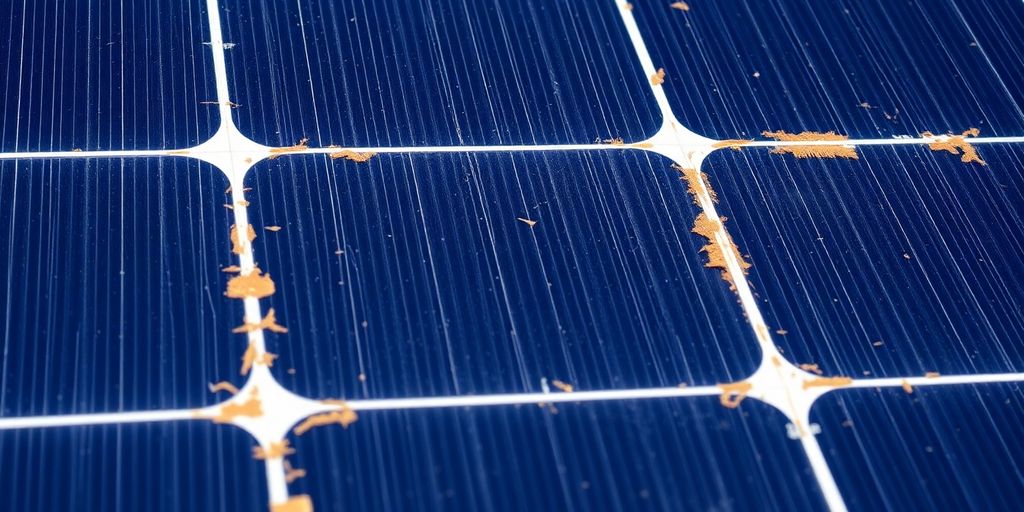
Solar panel degradation refers to the gradual decline in the efficiency and output of solar panels over time. This decline is usually measured as a percentage of annual power output lost. As solar panels age, their internal circuitry and semiconductor materials slowly deteriorate, resulting in reduced efficiency and power output.
Typical Degradation Rates
The solar industry generally accepts an annual degradation rate of 0.5-0.8% as standard. This means that a solar panel’s power output will decrease by 0.5-0.8% each year compared to its initial rated output. However, the actual degradation rate can range from as low as 0.2% to as high as 1% annually, depending on the quality and materials used in the panel.
To illustrate the impact of degradation, consider a 250-watt solar panel. Assuming a 0.5% annual degradation rate, after 25 years, the panel would produce around 187 watts, a reduction of 25% from its initial rated output. With a 1% annual degradation rate, the same panel would produce only 160 watts after 25 years, a 36% reduction.
Types of Solar Panel Degradation
There are several types of degradation that can affect solar panels:
- Light-Induced Degradation (LID): This occurs when panels are first exposed to sunlight, causing a temporary drop in efficiency.
- Potential-Induced Degradation (PID): This happens when different components of the solar panel operate at different voltages, leading to voltage leaks.
- Age-Related Degradation: Over time, exposure to weather elements like rain, snow, and heat can cause wear and tear on the panels.
Common Causes of Degradation
The main causes of solar panel degradation include:
-
- Exposure to UV radiation from sunlight, which can break down the panel’s protective coatings and encapsulants over time.
- Thermal cycling and extreme temperatures, which can cause physical stress and material fatigue in the panel’s components.
- Weather conditions like humidity, wind, and precipitation, which can accelerate corrosion and delamination of the panel’s layers.
- Mechanical wear and tear from installation, handling, and environmental factors like hail or debris impacts.
Regular maintenance and choosing high-quality panels can significantly extend the life of your solar system.
Factors Influencing Solar Panel Degradation Rates
Material Quality and Manufacturing
The quality of materials used in solar panels plays a crucial role in their longevity. High-quality components can significantly reduce degradation rates. Here are some key points:
- Solar glass, aluminum frames, and solar cells must be durable.
- Thinner frames may save money but can lead to quicker damage.
- Always check the manufacturer’s warranty; a longer warranty often indicates better quality.
Installation Practices
Proper installation is vital for maximizing the lifespan of solar panels. Poor installation can lead to:
- Microcracks and scratches that affect performance.
- Incorrect angles that reduce efficiency.
- Loose connections that can cause electrical issues.
Environmental Conditions
The environment where solar panels are installed can greatly influence their degradation. Factors include:
- Extreme temperatures causing expansion and contraction.
- Heavy snowfall that can create pressure and cracks.
- Strong winds that may flex the panels, leading to damage.
Maintenance and Upkeep
Regular maintenance is essential to ensure solar panels operate efficiently. Here are some tips:
- Clean panels to remove dust and debris.
- Check connections and wiring regularly.
- Schedule professional inspections to catch issues early.
Keeping solar panels in good condition can help maintain their efficiency and extend their lifespan.
Impact of Degradation on Solar Panel Efficiency
Annual Degradation Rates
Solar panels naturally lose efficiency over time. On average, they degrade at about 0.5% per year. This means that after 25 years, a panel might only produce around 87.5% of its original power. Here’s a simple table showing expected efficiency over time:
| Year | Expected Efficiency (%) |
|---|---|
| 0 | 100 |
| 5 | 97.5 |
| 10 | 95 |
| 15 | 92.5 |
| 20 | 90 |
| 25 | 87.5 |
let’s look at an example of a 250W solar panel with a 0.5% annual degradation rate over 25 years:
- Year 1: 250W output
- Year 10: 250W x (1 – 0.005)^10 = 237.6W output (4.9% decrease)
- Year 20: 250W x (1 – 0.005)^20 = 225.9W output (9.6% decrease)
- Year 25: 250W x (1 – 0.005)^25 = 219.4W output (12.2% decrease)
So after 25 years, this panel would produce around 12% less power than its initial rated output. For a 5kW system, that’s a reduction from 5,000W to 4,397W by year 25 due to degradation alone. This gradual decline in output is factored into financial models and system designs to ensure adequate energy production over the system’s lifetime. Higher quality panels may degrade slower, while hot climates can accelerate degradation. However, even with a 25% output reduction after 25 years, solar panels continue providing clean energy for decades.
Long-Term Performance Expectations
Over the lifespan of a solar panel, several factors can affect its performance:
- Weather conditions: Extreme heat, cold, and storms can speed up degradation.
- Quality of materials: Higher quality panels tend to last longer and perform better.
- Installation: Proper installation can help minimize damage and degradation.
Comparing Different Panel Types
Different types of solar panels have varying degradation rates:
- Monocrystalline panels: Typically degrade at about 0.4% per year.
- Polycrystalline panels: Usually degrade at around 0.5% per year.
- Thin-film panels: Can degrade faster, often around 0.7% per year.
Understanding how degradation affects efficiency is crucial for making informed decisions about solar energy investments. Regular maintenance and choosing high-quality panels can help ensure better long-term performance.
Technological Advances in Reducing Degradation
Improved Materials and Coatings
Recent advancements in materials and coatings have significantly enhanced the durability of solar panels. New materials can resist environmental stressors better than older ones. Some key improvements include:
- Anti-reflective coatings that increase light absorption.
- UV-resistant materials that protect against sun damage.
- Waterproofing technologies that prevent moisture damage.
Innovative Manufacturing Techniques
Manufacturers are adopting new techniques to improve the quality of solar panels. These methods help reduce defects that can lead to degradation. Some notable techniques are:
- Precision cutting of solar cells to minimize waste and improve efficiency.
- Automated quality checks during production to catch issues early.
- Advanced bonding methods that enhance the durability of connections.
Enhanced Installation Methods
Proper installation is crucial for the longevity of solar panels. New installation techniques are being developed to ensure panels are set up correctly. Important practices include:
- Using flexible mounting systems that can adapt to weather changes.
- Regular training for installers to keep up with the latest methods.
- Conducting thorough site assessments to choose the best locations for panels.
By focusing on these technological advancements, the solar industry aims to extend the lifespan of solar panels and improve their overall performance.
Mitigating Solar Panel Degradation
Regular Maintenance Tips
To maximize the lifespan of solar panels and minimize degradation, proper installation and maintenance practices are crucial. During installation, it’s essential to follow the manufacturer’s guidelines and use high-quality components from reputable suppliers (Source). Proper panel orientation, tilt angle, and spacing can also help reduce wear and tear from environmental factors.
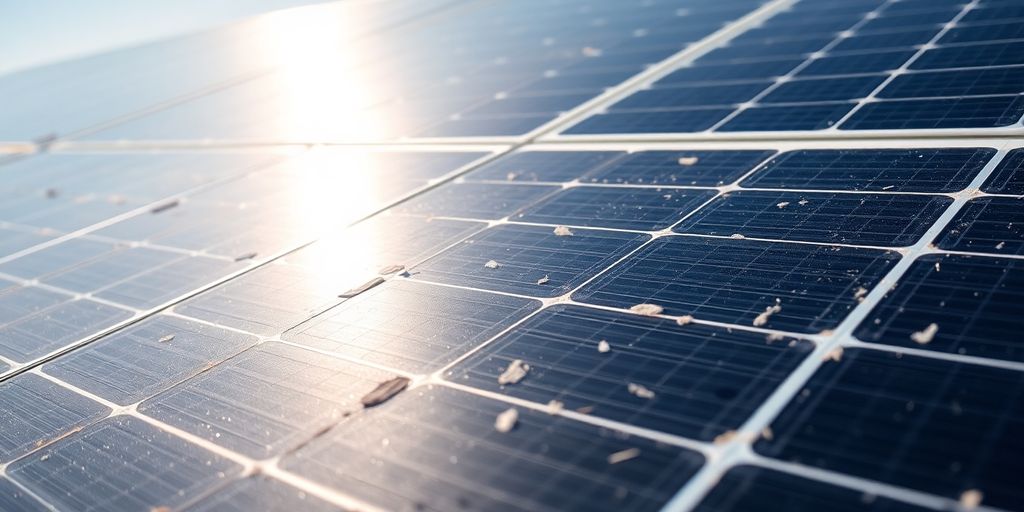
Regular maintenance and cleaning are vital for preserving panel performance. Dust, dirt, and debris can accumulate on the panel surface, reducing sunlight exposure and accelerating degradation. It’s recommended to clean panels at least twice a year, or more frequently in areas with high pollution or dust levels (Source). Use soft brushes or squeegees and avoid abrasive materials that could scratch the panel surface.
Additionally, monitoring the system’s performance and addressing any issues promptly can help extend its lifespan. Regularly inspecting cables, connections, and inverters for signs of damage or wear can prevent further deterioration and costly repairs down the line.
Optimal Installation Practices
Proper installation can greatly reduce degradation. Here are some best practices:
- Choose a reputable installer with experience in solar panel setups.
- Ensure panels are securely mounted to withstand strong winds and weather changes.
- Position panels to avoid shading from trees or buildings.
Choosing High-Quality Panels
Investing in quality panels can pay off in the long run. Look for:
- Panels with a long warranty, ideally 25 years or more.
- High-efficiency ratings to ensure better performance.
- Reputable brands known for durability and low degradation rates.
By taking these steps, you can help extend the life of your solar panels and maximize your investment.
Case Studies and Real-World Examples
Field Performance Data
In various regions, solar panels have shown different performance levels over time. Here are some key findings:
- California: Panels installed in sunny areas have a degradation rate of about 0.5% per year.
- New York: Panels in colder climates show a slightly higher degradation rate of 0.7% per year.
- Florida: Humid conditions lead to a degradation rate of 0.6% per year.
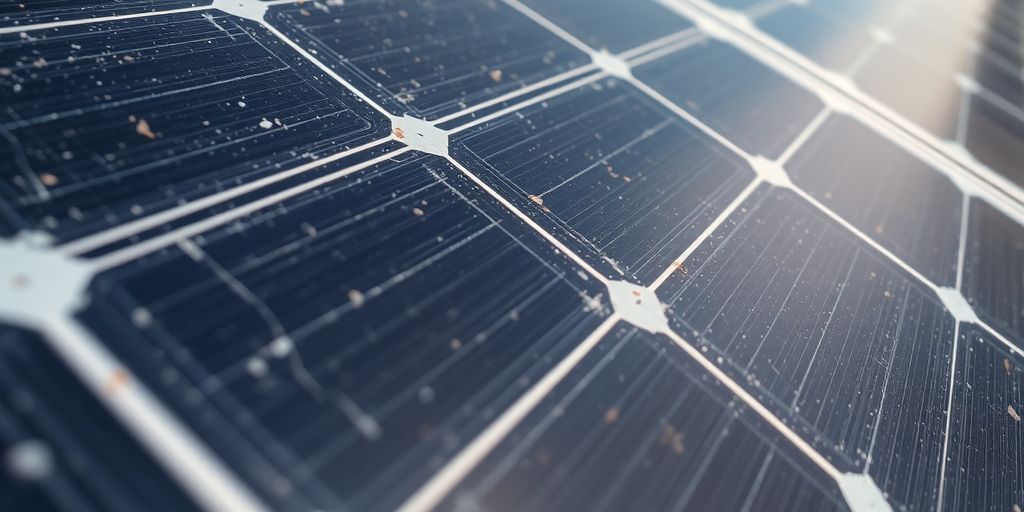
A residential solar array installed in 2010 in Phoenix, Arizona was found to have degraded by around 14% after 10 years according to a field inspection. This equates to an annual degradation rate of around 1.4%, likely due to the hot desert climate.
On the other end of the spectrum, a large utility-scale solar farm in North Carolina exhibited an impressively low degradation rate of around 0.3% per year over its first 8 years of operation based on production data analysis.
Lessons from Different Climates
Different climates can significantly impact solar panel performance. Here are some lessons learned:
- Desert Areas: High temperatures can lead to faster degradation.
- Coastal Regions: Saltwater can cause corrosion, affecting longevity.
- Mountainous Areas: Snow can cover panels, reducing efficiency but also protecting them from UV damage.
Success Stories in Degradation Management
Some companies have successfully managed degradation through various strategies:
- Regular Inspections: Companies that conduct frequent checks can catch issues early.
- Quality Materials: Using high-quality panels has led to lower degradation rates.
- Innovative Coatings: Some firms have applied special coatings that protect panels from environmental damage.
Conclusion
In summary, solar panel degradation is a natural process that affects how well they work over time. While most panels lose about 0.5% of their efficiency each year, advancements in technology are helping to make them last longer and perform better. Factors like the quality of materials, installation, and weather can all play a role in how quickly panels degrade. By choosing high-quality panels and ensuring proper installation, you can maximize their lifespan. Understanding these aspects can help you make informed decisions about your solar investment, ensuring you get the most energy for your money.