

Thinking about solar panels for industrial buildings? It’s a big step, but it can really pay off. From cutting down on energy bills to doing your bit for the planet, solar panels are a win-win. But before you dive in, there are a few things to know. This guide will walk you through everything you need to consider to get the most out of your solar investment.
Key Takeaways
- Solar panels can significantly lower energy costs for industrial buildings.
- Choosing the right type of solar panel is crucial for maximizing efficiency.
- Regular maintenance is essential to keep solar panels functioning optimally.
- Understanding your building’s energy needs helps in selecting the right system.
- Financial incentives can make solar panel installation more affordable.
Understanding the Basics of Solar Panels for Industrial Buildings
Key Components of Industrial Solar Systems
When you’re diving into the world of industrial solar systems, knowing what makes up these systems is super important. Let’s break down the key components:
- Solar Panels: These are the heart of any solar setup, transforming sunlight into usable electricity. For industrial use, high-efficiency panels are a must to make the most of the space available.
- Inverters: They switch the direct current (DC) from the panels into alternating current (AC), which is what most industrial machinery runs on. Plus, they help keep tabs on the system’s performance.
- Mounting Systems: These keep the panels securely in place. On big flat roofs, you might see ballasted systems, while ground-mounted ones are used when there’s lots of land.
- Battery Storage: If you’re going off-grid or using a hybrid system, batteries are crucial for storing energy for those cloudy days. The type of battery you choose—like lithium-ion or lead-acid—will affect the cost and efficiency.
- Monitoring Systems: These are like the eyes of the setup, providing real-time updates on energy production and usage. They help spot issues early and keep things running smoothly.
Types of Solar Panels Suitable for Industrial Use
Choosing the right type of solar panel is key to meeting industrial energy demands:
- Monocrystalline Panels: Known for their high efficiency and sleek look, they’re perfect if you have limited space but need a lot of power.
- Polycrystalline Panels: Generally cheaper and slightly less efficient, these are a good fit if you have plenty of space.
- Thin-Film Panels: These are flexible and lightweight, making them ideal for unconventional surfaces, though they’re typically less efficient.
How Solar Panels Work in Industrial Settings
In industrial settings, solar panels are more than just a green initiative—they’re a powerhouse. Here’s how they typically work:
- Energy Capture: Panels capture sunlight and convert it into DC electricity.
- Conversion: The DC electricity is sent to an inverter to be converted into AC electricity.
- Distribution: The AC electricity is then distributed to power machinery, lighting, and other industrial needs.
- Excess Management: Any excess electricity can be stored in batteries or fed back into the grid, depending on your system setup.
Setting up solar panels in an industrial environment isn’t just about going green. It’s about harnessing a reliable and sustainable energy source that can significantly cut down on operational costs.
Understanding these basics can set the stage for a successful solar panel implementation in any industrial building.
Evaluating Energy Needs for Industrial Solar Panel Installation
Conducting an Energy Audit for Industrial Facilities
First things first, you’ve got to understand how much energy your facility actually uses. Start with an energy audit. This isn’t just flipping through a few electric bills. Dive deep. Look at your peak usage times, base load demands, and how your energy consumption changes with the seasons. This gives you a solid foundation to know what kind of solar setup you might need.
Understanding Load Profiles and Peak Demand
Once you’ve got the audit, it’s time to map out your load profile. This is basically a fancy way of saying, "When do you use the most energy?" Figuring out your peak demand times is crucial. If your business runs machinery that sucks up a lot of power at 3 PM every day, you need to know that. It helps in planning how big your solar system should be and whether battery storage could be beneficial.
Future Energy Projections and Scalability
Now, don’t just think about today. Imagine where your business is headed in the next 5, 10, or even 20 years. Will you be expanding? Adding more equipment? Planning for future energy needs ensures your solar system can grow with you. You don’t want to install something now only to find out in a few years it’s not enough. It’s like buying a pair of shoes that fit today, but knowing your feet are still growing. Better to plan ahead and avoid the pinch.
Choosing the Right Solar Panel Technology for Industrial Applications
Comparing Monocrystalline and Polycrystalline Panels
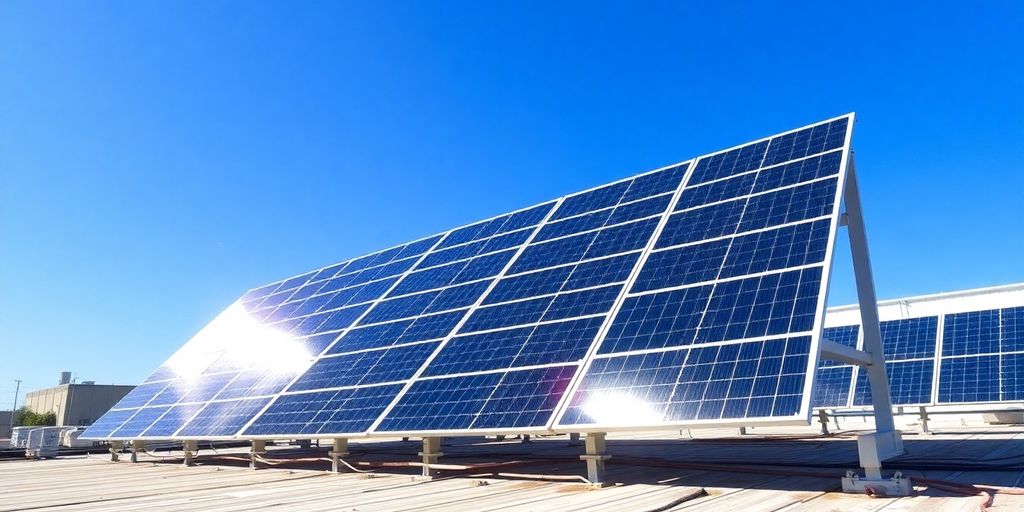
When diving into solar technology for industrial use, understanding the differences between monocrystalline and polycrystalline panels is essential. Monocrystalline panels are known for their high efficiency and long lifespan, making them a popular choice for industries with limited space. They are crafted from a single crystal structure, which allows for more efficient energy conversion. Polycrystalline panels, on the other hand, are made from multiple silicon crystals, which makes them generally less efficient but more cost-effective. They are suitable for industries with ample roof space and where budget constraints are a concern.
Here’s a quick comparison:
| Feature | Monocrystalline | Polycrystalline |
|---|---|---|
| Efficiency | High | Moderate |
| Cost | Higher | Lower |
| Lifespan | Long | Moderate |
| Space Requirement | Less | More |
The Role of Thin-Film Solar Panels in Industry
Thin-film solar panels are another option, especially for industries with unique installation requirements. These panels are lightweight and flexible, making them ideal for unconventional surfaces or where weight is a concern. They can be applied to surfaces where traditional panels might not fit. However, they typically have lower efficiency compared to crystalline panels, which means more surface area is needed to generate the same amount of power.
Innovations in Solar Panel Technology
Solar technology is rapidly evolving, with new innovations continually emerging. Bifacial panels, which capture sunlight from both sides, are becoming more popular, offering up to 20% more energy than traditional panels. Additionally, advancements in photovoltaic materials are improving efficiency and reducing costs. Industries can benefit from these innovations by staying informed and considering upgrades that align with their energy goals.
As solar technology advances, industries that invest now will not only benefit from immediate energy savings but also position themselves for future growth and sustainability.
Installation Considerations for Industrial Solar Panels
Assessing Roof Space and Structural Integrity
When you’re thinking about installing solar panels on an industrial building, the first thing to consider is the roof. Is there enough space? Industrial buildings usually have large, flat roofs which are perfect for solar panels, but it’s important to assess if the roof can handle the weight. Here’s a quick checklist:
- Measure the available roof space.
- Check the roof’s load-bearing capacity.
- Consider potential obstacles like vents or skylights.
If the roof isn’t suitable, you might need to look into ground-mounted systems.
Optimal Panel Placement and Orientation
Getting the most out of your solar panels isn’t just about having them; it’s about where and how you place them. Panels should face the direction that gets the most sunlight throughout the day. In the northern hemisphere, that usually means a south-facing orientation. Here are some tips:
- Ensure there’s minimal shading from nearby structures or trees.
- Tilt the panels at an angle that maximizes exposure to the sun.
- Consider using solar tracking systems to adjust panel angles throughout the day.
Navigating Local Regulations and Permits
Installing solar panels isn’t just about the physical setup. You also need to deal with local regulations and permits. This can be a bit of a headache but skipping this step can lead to fines or having to redo parts of your installation. Here’s what you should do:
- Research local building codes and solar regulations.
- Apply for the necessary permits before starting installation.
- Schedule inspections to ensure compliance with local laws.
"It’s crucial to understand local laws and regulations to avoid any legal issues down the road. Proper permits and compliance are not just formalities but essential steps in the solar installation process."
Incorporating performance monitoring systems is also a smart move to track the efficiency of your solar installation. These systems can help you identify any issues early on, ensuring your solar panels are working at their best.
Maximizing Efficiency and Output of Industrial Solar Panels
Regular Maintenance and Cleaning Practices
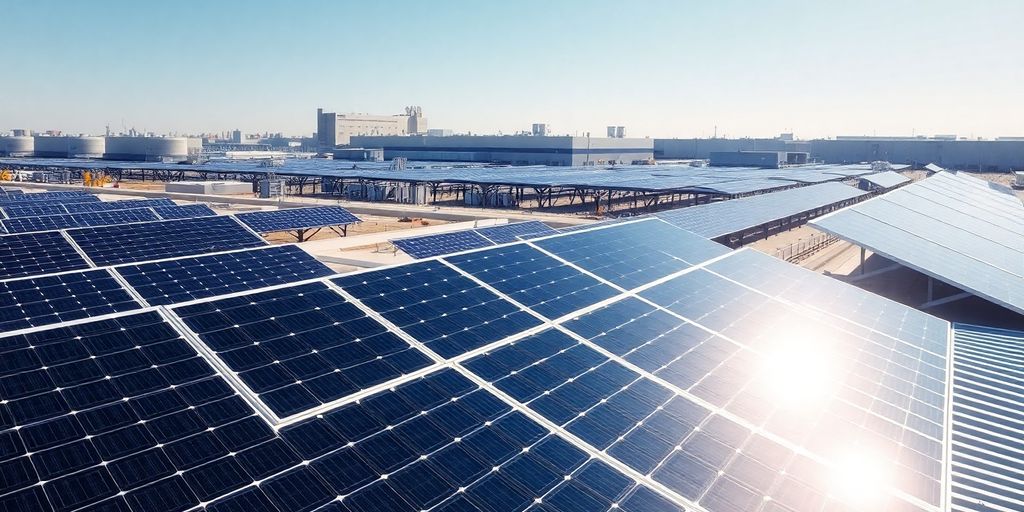
Keeping solar panels clean is crucial for maximizing their efficiency. Dust, debris, and bird droppings can block sunlight, reducing the system’s output. Regular cleaning ensures panels absorb maximum sunlight. Here’s a simple routine:
- Inspect panels monthly for dirt and debris.
- Use a soft brush or sponge with water to clean the surface.
- Avoid harsh chemicals that might damage the panels.
Utilizing Solar Tracking Systems
Solar tracking systems can significantly boost the efficiency of solar panels by following the sun’s path across the sky. These systems adjust the panel angles throughout the day to capture more sunlight:
- Single-axis trackers move panels on one axis, either east to west.
- Dual-axis trackers adjust both horizontal and vertical angles for optimal sun exposure.
- Trackers can increase energy output by 20-30% compared to fixed systems.
Upgrading System Components for Better Performance
Upgrading outdated components can enhance the overall efficiency of your solar system. Consider these improvements:
- Replace old inverters with newer, more efficient models.
- Implement microinverters to optimize each panel’s output individually.
- Upgrade wiring and connections to reduce energy loss.
Keeping your solar panels in top shape and using advanced technologies like tracking systems can make a significant difference in energy production. Regular checks and timely upgrades are key to maintaining peak performance.
Financial and Environmental Benefits of Solar Panels for Industrial Buildings
Cost-Benefit Analysis of Solar Investments
Investing in solar panels for industrial buildings can initially seem like a hefty expense, but the long-term savings often outweigh the upfront costs. Solar energy systems can drastically cut down monthly energy bills, providing a predictable energy cost that shields businesses from fluctuating utility rates. Many businesses find that the payback period for a solar investment is between 3 to 7 years, depending on the size of the system and local energy prices.
Here’s a simple breakdown of potential costs and savings:
| Item | Cost/Benefit Estimate |
|---|---|
| Initial Investment | $200,000 – $500,000 |
| Government Incentives | Up to 30% of initial cost |
| Annual Energy Savings | $30,000 – $70,000 |
| Payback Period | 3-7 years |
Exploring Government Incentives and Tax Credits
The financial appeal of solar panels is often enhanced by government incentives and tax credits. Many regions offer substantial rebates and tax reductions that can lower the initial investment by up to 30%. It’s crucial for companies to research these opportunities, as they can significantly impact the overall financial viability of the project. Moreover, businesses can explore financing options such as loans or leases to further ease the financial burden.
Long-Term Environmental Impact and Sustainability
Switching to solar energy not only benefits a company’s bottom line but also contributes to a healthier planet. By reducing reliance on fossil fuels, solar panels help decrease greenhouse gas emissions, which are a significant contributor to climate change. This shift to cleaner energy sources can also improve a company’s reputation, showcasing its commitment to sustainable practices.
Embracing solar energy is more than just a financial decision; it’s a step towards a sustainable future. Businesses that prioritize eco-friendly practices often find themselves favored by consumers who value environmental responsibility.
In conclusion, the benefits of solar panels for commercial buildings extend beyond just cost savings. They include environmental stewardship and enhanced brand reputation, making them a smart choice for forward-thinking businesses.
Integrating Battery Storage with Industrial Solar Systems
Battery storage systems are becoming a game-changer for industries using solar power. They offer a way to store energy for later use, ensuring that even when the sun isn’t shining, operations can continue smoothly. Here are some key benefits:
- Energy Independence: By storing solar energy, industries can reduce their reliance on the grid, leading to lower electricity bills.
- Peak Shaving: Batteries can discharge during peak demand times, reducing the need to purchase expensive peak electricity.
- Backup Power: In case of a power outage, stored energy can keep critical operations running, minimizing downtime.
With the right battery storage strategy, industries can not only save on costs but also enhance their energy security.
Choosing the right battery is crucial for maximizing the benefits of solar storage. Here are the main types:
- Lithium-Ion Batteries: Known for their high efficiency and long lifespan, they are ideal for industrial applications where reliability is key.
- Lead-Acid Batteries: While cheaper, they have a shorter lifespan and lower efficiency compared to lithium-ion.
- Flow Batteries: These offer scalability and are good for large-scale operations, but they come with higher initial costs.
Industries must weigh the pros and cons of each type to find the best fit for their needs.
When integrating battery storage, it’s important to consider both cost and efficiency. Here’s a simple breakdown:
| Battery Type | Initial Cost | Efficiency | Lifespan |
|---|---|---|---|
| Lithium-Ion | High | High | 10-15 yrs |
| Lead-Acid | Low | Medium | 5-10 yrs |
| Flow | Very High | High | 20+ yrs |
- Initial Investment: While lithium-ion and flow batteries require a higher upfront investment, their efficiency and lifespan can lead to better long-term savings.
- Operational Costs: Consider maintenance and replacement costs over the battery’s lifespan.
- Performance: Efficiency affects how much of the stored energy can be used, impacting overall cost-effectiveness.
For industries aiming to enhance performance and reduce costs, integrating energy storage into solar projects is a strategic move.
Conclusion
So, there you have it. Solar panels for industrial buildings aren’t just a trend; they’re a smart move for any business looking to cut down on energy bills and do a bit for the planet. Sure, the initial setup might seem like a big step, but the long-term savings and sustainability benefits are worth it. Plus, with the right team, the whole process can be pretty smooth. If you’re thinking about making the switch, now’s the time to dive in and explore your options. It’s not just about saving money; it’s about investing in a cleaner future for everyone.
Frequently Asked Questions
What are the main parts of an industrial solar panel system?
The main parts include solar panels, inverters, mounting systems, and sometimes battery storage for extra energy.
How do solar panels work in factories?
Solar panels change sunlight into electricity. This electricity powers machines and lights in factories.
What types of solar panels are best for big buildings?
Monocrystalline, polycrystalline, and thin-film panels are common choices. Each has its pros and cons depending on needs and space.
Why is it important to clean solar panels?
Cleaning solar panels helps them work better by removing dirt and leaves that block sunlight.
Can solar panels save money for businesses?
Yes, solar panels can lower electricity bills and there are often government incentives to help with costs.
What is the role of battery storage in solar systems?
Batteries store extra energy from the solar panels, so it can be used when the sun isn’t shining.