

Thinking about solar panels for your factory, warehouse, or industrial building? It’s a smart move. These panels can save money, help the environment, and make your business more sustainable. Whether you’re looking to cut energy costs or want to be more eco-friendly, solar panels offer a practical solution. Plus, with the right setup, you can even sell excess energy back to the grid. It’s not just about going green; it’s about smart business.
Key Takeaways
- Solar panels can significantly reduce energy costs for factories and warehouses.
- There are financial incentives and tax credits available to support solar adoption.
- Solar energy helps in reducing the carbon footprint and supports sustainable practices.
- Proper installation and maintenance are crucial for maximizing efficiency and longevity.
- Utilizing roof space effectively can enhance solar panel performance and energy output.
Economic Advantages of Solar Panels for Industrial Buildings
Reducing Energy Costs Through Solar Power
Factories, warehouses, and industrial buildings are energy guzzlers. They consume a ton of electricity, which translates to hefty bills. But, with solar panels, these businesses can tap into the sun’s free energy and drastically cut down on their electricity costs. Imagine running your operations on energy that doesn’t come with a monthly bill! This shift not only saves money but also makes the business more profitable over time. Some businesses even manage to offset a significant portion of their energy needs through solar, reducing their reliance on the grid.
Tax Incentives and Financial Rebates
Governments worldwide are pushing for cleaner energy solutions, and one way they do this is through tax incentives and rebates. For industrial buildings, this means you can claim a portion of your solar installation costs back as tax credits. In the U.S., the federal solar tax credit can cover up to 30% of your installation expenses. This means big savings and a faster return on your investment. Plus, there are additional state and local incentives that can further reduce costs, making solar an even more attractive option.
Return on Investment and Long-term Savings
The initial outlay for solar panels might seem daunting, but the long-term savings are worth it. Solar energy systems typically last between 25 to 30 years, and once you’ve recouped your initial investment, the electricity they generate is essentially free. This results in substantial savings over the lifespan of the system. Moreover, installing solar panels can increase your property’s value, adding another layer of financial benefit. Over time, the savings on energy bills and the added property value can lead to a significant return on investment.
Environmental Impact and Sustainability
Reducing Carbon Footprint with Solar Energy
Switching to solar energy is a major step for factories and warehouses aiming to cut down their carbon emissions. Solar panels generate electricity without releasing greenhouse gases, making it a clean energy source. By adopting solar, industrial buildings can significantly lower their carbon footprint, contributing to global efforts against climate change. Solar power is not just about saving money; it’s about saving the planet.
Promoting Sustainable Business Practices
Businesses today are under pressure to adopt sustainable practices, and solar energy offers a practical solution. By installing solar panels, companies can showcase their commitment to sustainability, which can improve their corporate image. Customers and investors are increasingly favoring businesses that are environmentally responsible. This shift not only benefits the planet but can also enhance a company’s reputation and market position.
Contributing to a Low-Carbon Economy
Transitioning to solar energy helps industries move towards a low-carbon economy. Solar panels provide a renewable energy source that reduces reliance on fossil fuels. This shift is crucial as global policies increasingly favor renewable energy. By investing in solar, factories and warehouses can align themselves with these policies, ensuring they remain competitive in a changing economic landscape.
Embracing solar energy isn’t just a smart financial move; it’s a strategic step towards a sustainable future. By reducing carbon emissions and promoting sustainability, businesses can play a key role in building a greener economy.
Technical Considerations for Solar Panel Installation
Site Assessment and Planning for Optimal Efficiency
Before diving into solar panel installation, a thorough site assessment is crucial. This involves evaluating the available roof space, considering any potential obstructions, and understanding the building’s energy needs. An effective assessment ensures that the solar panels are positioned for maximum sunlight exposure, which is vital for optimal energy output. For instance, in the UK, solar panels are most efficient when facing south and tilted at a 35-degree angle. This step also involves checking the structural integrity of the roof to support the weight of the panels and any additional equipment.
Integration with Existing Energy Systems
Integrating solar panels with existing energy systems can be a bit tricky but it’s necessary for seamless operation. This involves connecting the solar system to the building’s current electrical grid. Solar energy is initially collected as Direct Current (DC) and must be converted to Alternating Current (AC) using inverters, as most buildings operate on AC. Proper integration ensures that the solar system complements the building’s energy needs without causing disruptions.
Maintenance and Monitoring for Longevity
Regular maintenance and monitoring are key to ensuring the long-term efficiency of solar panels. This includes cleaning the panels to remove dust and debris, checking the wiring and connections, and ensuring that the inverters are functioning correctly. Many modern systems come with monitoring software that allows you to track energy production and system performance in real-time. This proactive approach not only extends the lifespan of the solar panels but also maximizes their efficiency.
Installing solar panels is a significant investment, and proper technical planning can help avoid potential issues down the line, such as improper installation, which can affect risk profiles and insurability. Improper installation of solar panels on commercial roofs can create hazards that adversely affect risk profiles and insurability.
Operational Benefits of Solar Energy
Enhancing Energy Reliability and Independence
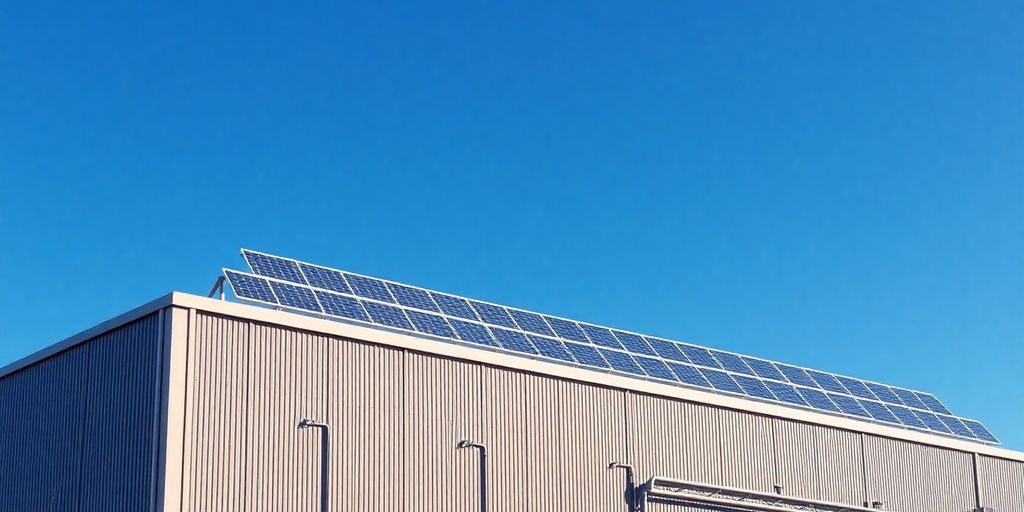
Solar panels can greatly improve the reliability of energy supply for factories and warehouses. By generating their own electricity, businesses reduce their reliance on the national grid, which can be prone to outages and fluctuations. This independence ensures a steady power supply, crucial for maintaining consistent production lines. Additionally, advancements in energy storage solutions mean that excess solar energy can be stored for use during peak demand times or at night, further enhancing reliability.
Scalability and Flexibility of Solar Systems
One of the standout features of solar energy systems is their scalability. You can start small, maybe covering just a portion of your energy needs, and expand as your budget allows. This flexibility is a huge advantage, especially for growing businesses. Imagine starting with a setup where 40% of your power comes from solar, and then gradually increasing that as you see savings and benefits. Plus, solar systems can be tailored to fit the specific needs and constraints of different industrial sites, making them a versatile choice.
Minimizing Maintenance Requirements
Solar panels are known for their durability and low maintenance needs. With minimal moving parts, they rely on electrical components designed to last. When installed properly, a solar system can function efficiently for over 25 years with little upkeep. This means fewer headaches and lower maintenance costs for business owners. Regular cleaning and occasional inspections are generally all that’s needed to keep the system running smoothly.
Embracing solar energy not only supports environmental goals but also strengthens operational efficiency by providing a reliable, flexible, and low-maintenance energy solution.
Maximizing Roof Space for Solar Installations
Utilizing Large Surface Areas for Solar Panels
Industrial buildings, like factories and warehouses, often have vast, unobstructed roofs. These large surfaces are perfect for installing solar panels, allowing for substantial energy generation. Think of it as turning unused space into a green powerhouse. The more panels you can fit, the more energy you can produce, which is great for meeting the high energy demands of industrial operations.
- Rooftop solar systems: These are ideal for businesses with ample roof space. They can be installed on various roof types, providing an effective solution for commercial solar energy needs.
- Consider different roof types: Flat roofs are generally easier for solar installations, but sloped roofs can work too with the right adjustments.
- Maximize every inch: Ensure panels cover as much of the roof as possible to optimize energy output.
Ensuring Structural Integrity and Support
Before setting up solar panels, it’s crucial to assess the roof’s ability to handle the additional weight. Industrial roofs are typically strong, but it’s always good to be sure.
- Check load-bearing capacity: Make sure your roof can support the weight of the panels and any mounting equipment.
- Consult with structural engineers: They can provide insights into necessary reinforcements or adjustments.
- Regular inspections: Ongoing checks can prevent issues and ensure everything remains secure.
Minimizing Shading for Maximum Efficiency
To get the most out of your solar panels, they need to be in the sun as much as possible. Shading can drastically reduce their efficiency.
- Avoid obstructions: Ensure no nearby buildings or trees cast shadows on your panels.
- Optimal placement: Panels should be positioned to get the most sunlight throughout the day.
- Regular monitoring: Keep an eye on any potential shading developments, like growing trees or new construction nearby.
Installing solar panels on your industrial roof is not just about going green; it’s about making smart use of space to cut energy costs and boost sustainability. By utilizing every bit of available roof space, ensuring structural integrity, and minimizing shading, businesses can significantly enhance their energy independence and reliability.
Financial Incentives and Support for Solar Adoption
Understanding Federal and State Tax Credits
When it comes to solar energy, the government’s got your back. The Federal Investment Tax Credit (ITC) is a big one, offering a 30% tax credit on the cost of your solar system. This isn’t just a deduction; it’s a full-on credit, so if your solar setup costs $100,000, you can shave $30,000 off your federal taxes. And if your system uses U.S.-made parts or is in a low-income area, you might score extra credits. On top of that, states have their own tax incentives, which can really add up.
Exploring Net Metering and Energy Selling Options
Net metering is like a solar power bonus. If your system makes more energy than you use, you can send it back to the grid. Your utility company then gives you credits for that extra electricity, which can lower your future bills. It’s like a savings account for solar energy. Plus, in some areas, you can even sell surplus energy back to the grid, turning your solar panels into a mini power plant.
Leveraging MACRS Depreciation Benefits
The Modified Accelerated Cost Recovery System (MACRS) is a fancy way of saying you can write off the cost of your solar system over five years. This depreciation benefit reduces your taxable income, meaning you pay less in taxes. Combine MACRS with the ITC, and you could recover up to 70% of your solar system’s cost through tax incentives. For some businesses, this makes solar not just a green choice, but a smart financial move.
Investing in solar isn’t just about saving the planet; it’s about smart business. With the right incentives, solar can be a win-win, cutting costs and boosting green credentials.
Future-Proofing Industrial Operations with Solar Energy
Adapting to Changing Environmental Regulations
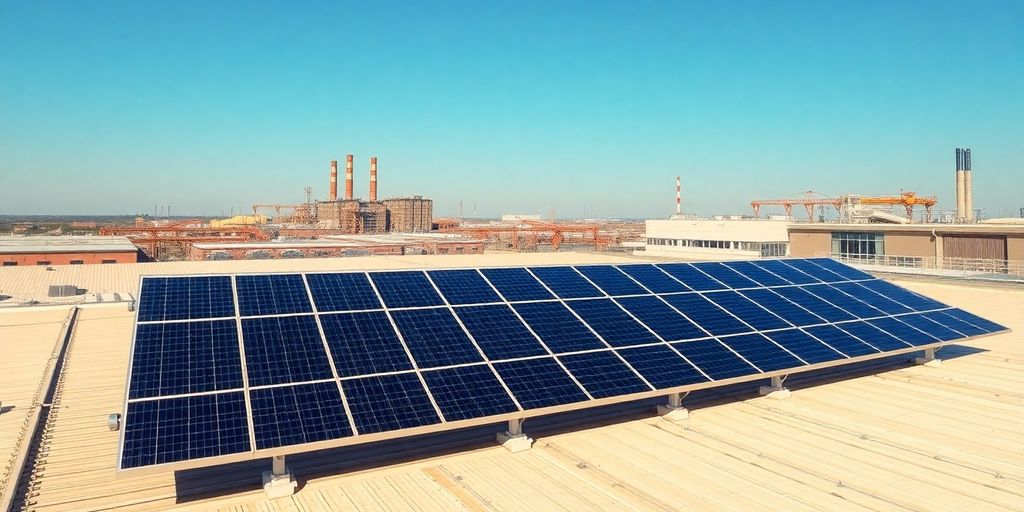
Switching to solar energy is like getting a head start in a race. With more and more regulations pushing for cleaner energy, factories that already use solar power won’t have to scramble when new rules come into play. Solar panels help factories stay ahead by cutting emissions and meeting green standards. This means less hassle with legal stuff and more focus on production.
Integrating Smart Technologies with Solar Systems
Pairing solar energy with smart tech is a game-changer. Think about it: data from solar panels can help factories tweak their energy use on the fly. This means less waste and smoother operations. Smart grids and Internet of Things (IoT) devices can team up with solar systems to create a super-efficient energy setup. It’s like having a brainy assistant managing your power needs.
Increasing Asset Value and Market Competitiveness
Solar panels don’t just cut costs; they can boost the value of your property too. Buildings with solar installations are often worth more, making them attractive if you’re looking to sell or get financing. Plus, going solar can make your business stand out in the market as a forward-thinking, eco-friendly leader. Customers and investors love that kind of thing.
Embracing solar energy isn’t just about saving money—it’s about securing a bright future for your business. It’s a smart move that pays off in more ways than one.
Conclusion
In the end, adding solar panels to factories, warehouses, and industrial buildings just makes sense. It’s not just about saving a few bucks on the electric bill—though that’s a nice perk. It’s about setting up for the future. With energy prices always on the rise and the planet needing a break from all the pollution, solar energy is a smart move. Sure, there’s an upfront cost, but think of it as an investment. Over time, those panels pay for themselves and then some. Plus, there’s the added bonus of doing something good for the environment. So, if you’re running a big operation and haven’t considered solar yet, maybe it’s time to take a closer look. It’s a win-win for your wallet and the world.
Frequently Asked Questions
How do solar panels help factories save money?
Solar panels let factories use sunlight to make electricity, which lowers their power bills. Over time, this helps factories save a lot of money.
Why are solar panels good for the environment?
Solar panels make clean energy from the sun, which means they don’t pollute the air. This helps reduce the factory’s carbon footprint.
Can solar energy power a whole factory?
Yes, solar panels can make enough electricity to power an entire factory, especially if they have batteries to store extra energy for cloudy days.
What makes a roof good for solar panels?
A good roof for solar panels is big, flat, and strong enough to hold the panels. It should also get lots of sunlight without any shade.
Are there any government benefits for using solar energy?
Yes, many governments offer tax breaks and money back to help businesses pay for solar panels. This makes solar energy more affordable.
Do solar panels need a lot of care?
Solar panels don’t need much care. They should be checked and cleaned once in a while to keep them working well.