

So, you’re thinking about solar panels, right? Well, monocrystalline ones are pretty much the top dog in 2025. They’re known for being super efficient, which means they can turn more sunlight into electricity compared to other types. This article is going to break down why they’re so efficient, what’s new in their design, and why they’re a solid choice for your home. Plus, we’ll touch on the eco-friendly side of things and what to keep in mind when picking the right ones for you. Stick around to see how these panels are shaping up to be the future of solar energy.
Key Takeaways
- Monocrystalline solar panels are the most efficient type available in 2025, converting more sunlight into electricity than other panel types.
- Innovations like bifacial and PERC technologies are boosting the performance and efficiency of these panels even further.
- For homeowners, these panels offer a space-saving design and perform well even in low-light conditions, making them a great long-term investment.
- Environmentally, monocrystalline panels have a lower carbon footprint and a quicker energy payback time compared to other technologies.
- When choosing panels, consider the efficiency ratings, installation needs, and balance the cost against performance benefits.
Understanding Monocrystalline Solar Panel Efficiency
The Science Behind Efficiency
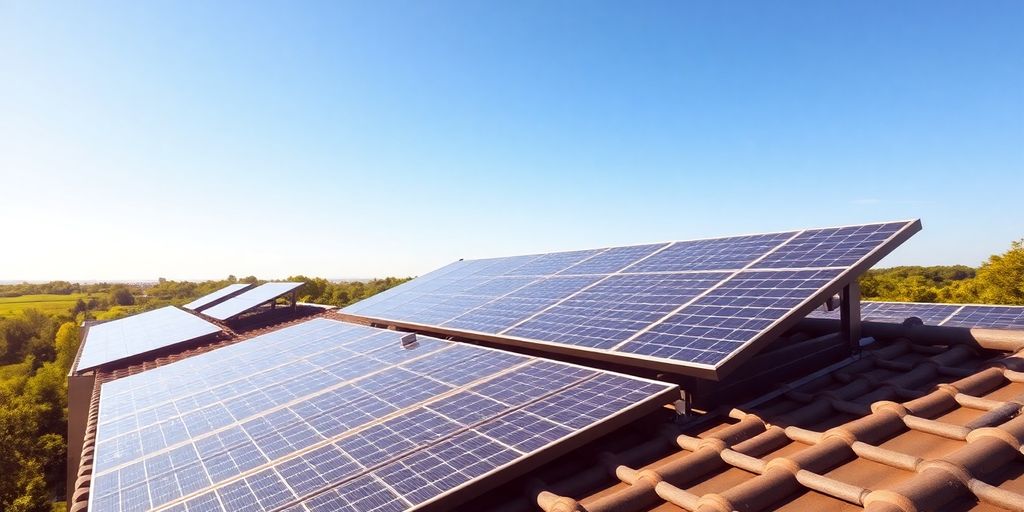
Monocrystalline solar panels are crafted from single-crystal silicon, giving them a sleek, dark appearance. This design isn’t just about looks; it plays a key role in their efficiency. Monocrystalline panels are known for their high efficiency rates, often surpassing 22% under standard test conditions. This is largely due to the uniformity of the silicon crystals, which allows for better electron flow and less resistance.
Factors Influencing Efficiency
Several factors can impact the efficiency of monocrystalline solar panels. First up is the cell design. Recent advancements, like PERC (Passivated Emitter and Rear Contact) technology, have made a big difference. PERC adds a layer that helps capture more light and reduces electron loss, boosting efficiency by up to 1.5%. Then there’s bifacial technology, where panels can absorb sunlight from both sides, increasing energy output by up to 30% in ideal conditions. Finally, material quality and construction play a role. Panels made with high-purity silicon and precise manufacturing processes tend to perform better over time.
Comparing Efficiency with Other Technologies
When you stack monocrystalline panels against other types, they usually come out on top. Polycrystalline panels, for instance, have lower efficiency because their silicon crystals are less uniform. Thin-film panels, while flexible and lightweight, also lag behind in efficiency. Here’s a quick comparison:
| Panel Type | Efficiency (%) |
|---|---|
| Monocrystalline | 22-27 |
| Polycrystalline | 15-20 |
| Thin-film | 10-12 |
While monocrystalline panels might cost more upfront, their efficiency and longevity make them a smart investment in the long run. They’re the go-to choice for those seeking reliable and consistent energy output.
Innovations in Monocrystalline Solar Panel Design
Advancements in Cell Architecture
Monocrystalline solar panels have come a long way in terms of design. The latest cell architectures are not just about packing more efficiency into a small space, but also about making the cells work smarter. Passivated Emitter and Rear Contact (PERC) technology is one such advancement. This tech adds a layer at the back of the cell that helps in capturing more sunlight, boosting efficiency by up to 1.5%. Then there’s the rise of bifacial cells, which can soak up sunlight from both sides. In the right conditions, like on a reflective surface, these can pump out up to 30% more energy.
Bifacial and PERC Technologies
Bifacial and PERC tech are game-changers in the solar panel world. Bifacial panels are especially handy when installed on surfaces that bounce back a lot of light, like white roofs or snowy areas. PERC, on the other hand, is all about reducing the loss of electrons, making sure more sunlight gets converted into electricity. These technologies are pushing monocrystalline panels to new heights, with some now hitting over 22% efficiency.
Impact of Material Quality
The quality of materials used in making these panels can’t be understated. High-purity silicon wafers are essential for great light absorption and energy conversion. The wafers are carefully cut to reduce defects that might lower efficiency. Panels are also protected with a tough layer of ethylene-vinyl acetate (EVA) and tempered glass, which not only shield the cells from the elements but also help in letting more light through. Using top-notch materials like high-grade silver paste for electrical contacts and sturdy aluminum frames ensures these panels last longer and perform better.
The continuous innovation in monocrystalline solar panel design is setting new standards in the solar industry, making them a preferred choice for those looking to tap into solar energy efficiently.
Benefits of Monocrystalline Solar Panels for Home Use
Space-Saving Design
Monocrystalline solar panels are a great choice for homeowners with limited roof space. Because they are highly efficient, you need fewer panels to generate the same amount of electricity compared to other types. This means you can maximize your energy production without cluttering your roof.
Performance in Low Light Conditions
One of the standout features of monocrystalline panels is their ability to perform well even on cloudy days. They can generate more electricity in low light conditions compared to other solar technologies. This makes them a reliable option for areas that don’t always enjoy bright sunshine.
Long-Term Investment Returns
While monocrystalline panels might have a higher upfront cost, they are a solid investment in the long run. These panels typically come with a lifespan of over 25 years, ensuring you get a good return on your investment. Plus, they require minimal maintenance, which means lower costs over time.
Choosing monocrystalline solar panels for your home can lead to substantial savings on energy bills, increased property value, and a reduced carbon footprint. They provide energy independence and contribute to a sustainable future by harnessing renewable energy.
Environmental Impact of Monocrystalline Solar Panels
Sustainability and Recycling
Monocrystalline solar panels are generally seen as a sustainable choice for energy production. They’re built to last, often with warranties stretching over 25 years, which means less frequent replacements and waste. Still, the production process, especially the monocrystalline wafer production, is energy-intensive and raises questions about the overall carbon footprint. Recycling programs are becoming more common, aiming to recover valuable materials like silicon and metals from old panels, reducing the need for raw material extraction.
Energy Payback Time
The concept of energy payback time is crucial when evaluating solar panels. This is the time it takes for the panel to generate the same amount of energy that was used to produce it. For monocrystalline panels, this period is typically around 2 to 3 years. Given their lifespan, they produce clean energy for decades after their initial energy debt is paid off, making them an environmentally friendly option in the long run.
Reducing Carbon Footprint
Using monocrystalline solar panels can significantly cut down on carbon emissions. By replacing fossil fuel-based electricity with solar energy, households and businesses can lower their carbon footprint. While the initial production of these panels involves a considerable amount of energy, the long-term benefits of reducing greenhouse gas emissions are substantial. This shift not only helps in combating climate change but also promotes a cleaner environment for future generations.
Investing in monocrystalline solar panels is not just about saving on energy bills; it’s a step towards a more sustainable future. They offer a practical solution to reducing our reliance on fossil fuels, paving the way for a greener planet.
Choosing the Right Monocrystalline Solar Panels
Understanding Efficiency Ratings
When it comes to picking the right monocrystalline solar panels, efficiency ratings are a big deal. These ratings tell you how well the panel converts sunlight into electricity. With monocrystalline panels, you’re looking at an efficiency range of about 18% to 22%. Higher efficiency means more power from less space, which is great if your roof is on the smaller side. It’s like getting more bang for your buck in terms of energy production.
Installation Considerations
Before you dive into the installation process, there are a few things to think about. First, check your roof’s orientation and tilt. South-facing roofs are usually best, but east or west can work too. Make sure there’s no shade from trees or buildings. Also, consider the weight of the panels and your roof’s ability to support them. You might need a professional to assess this part.
Cost vs. Performance Analysis
Now, let’s talk money. Monocrystalline panels tend to cost more upfront, but they’re often worth it in the long run. They last longer and perform better than other types, like polycrystalline panels. Here’s a quick comparison:
| Feature | Monocrystalline | Polycrystalline |
|---|---|---|
| Efficiency | 18% – 22% | 15% – 17% |
| Lifespan | 25+ years | 20 – 25 years |
| Space Requirement | Less space | More space |
| Performance in Low Light | High | Moderate |
| Cost | Higher upfront | Lower initial |
In the end, it’s about balancing your budget with the performance you need. If you want the best efficiency and don’t mind the initial cost, monocrystalline is the way to go. For more insights, check out this guide on selecting the best solar panels for your needs.
Choosing the right solar panel is not just about the price tag. It’s about understanding your energy needs and how much space you have. Once you know that, you can make a decision that fits both your budget and your power requirements.
Future Trends in Monocrystalline Solar Technology
Emerging Technologies
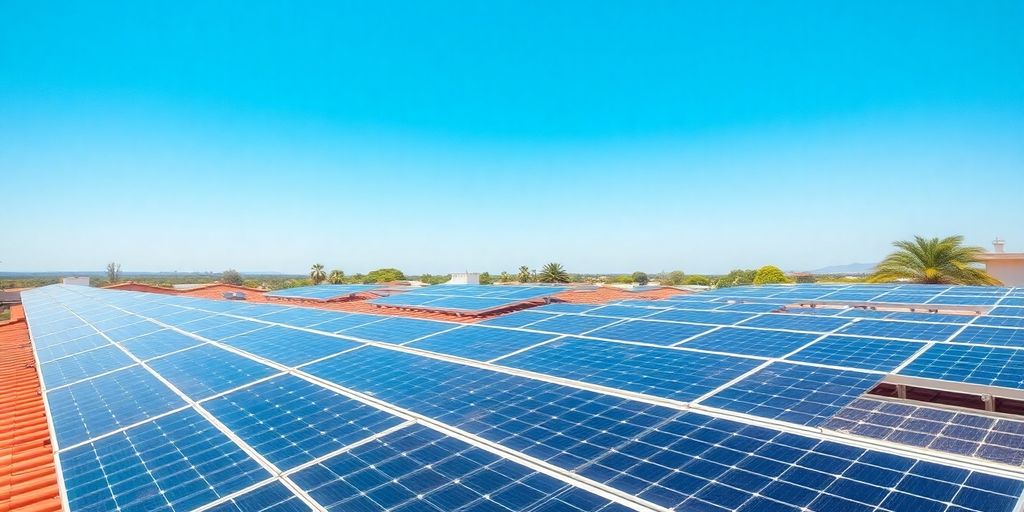
Monocrystalline solar panels are on the brink of a technological revolution. One of the most exciting developments is the integration of bifacial solar panels, which allows panels to capture sunlight on both sides. This not only maximizes energy absorption but also boosts overall efficiency. Another innovation is the use of passivated emitter and rear contact (PERC) technology. PERC enhances light capture by adding a layer that reduces electron loss, pushing efficiency to new heights. As we move forward, expect these technologies to become mainstream, changing how we think about solar energy.
Predicted Efficiency Improvements
Efficiency is the name of the game in solar technology. By 2025, monocrystalline panels are expected to exceed 22% efficiency under standard test conditions. This leap is thanks to ongoing research in cell architecture and materials. Enhancements in cell texturing and anti-reflective coatings are reducing energy loss and increasing power output. These improvements are not just theoretical; they’re being implemented in commercial products, making solar energy more viable than ever.
Market Growth and Adoption
The solar market is set for explosive growth. With the increasing demand for renewable energy, monocrystalline panels are gaining popularity due to their high efficiency and long lifespan. As more homeowners and businesses opt for solar solutions, the market for these panels is expected to expand significantly. A few factors driving this growth include government incentives, decreasing costs, and a growing awareness of environmental issues.
The shift towards renewable energy is not just a trend; it’s a necessity. As fossil fuels become less viable, solar energy, led by innovations in monocrystalline technology, is poised to take center stage. The future looks bright for solar, quite literally.
Conclusion
So, there you have it. Monocrystalline solar panels are really making waves in the solar world. They’re not just about fancy tech; they’re about getting more bang for your buck. With their high efficiency and long lifespan, these panels are a solid choice for anyone looking to go solar. Sure, they might cost a bit more upfront, but the payoff in energy savings and durability is worth it. Plus, they’re great for tight spaces and work well even when the sun isn’t shining its brightest. As we move forward, these panels are set to play a big role in making solar power more accessible and efficient for everyone. It’s an exciting time for solar energy, and monocrystalline panels are leading the charge.
Frequently Asked Questions
What makes monocrystalline solar panels more efficient?
Monocrystalline solar panels are made from a single crystal structure, which helps them convert sunlight into electricity more effectively than other types. This structure allows them to have higher efficiency and better performance, especially in low-light conditions.
How do monocrystalline panels compare to polycrystalline panels?
Monocrystalline panels are generally more efficient and have a longer lifespan than polycrystalline panels. They require less space for installation and perform better in low-light conditions, but they tend to be more expensive upfront.
Are monocrystalline solar panels a good investment for home use?
Yes, monocrystalline solar panels are a great investment for homes. They save space, work well even on cloudy days, and offer long-term savings on electricity bills. Their durability ensures they last for many years, providing a good return on investment.
What are the latest innovations in monocrystalline solar panel design?
Recent innovations include bifacial and PERC technologies, which enhance the panels’ ability to capture and convert sunlight. These advancements improve efficiency and energy yield, making monocrystalline panels even more effective.
How do monocrystalline panels impact the environment?
Monocrystalline panels have a positive impact on the environment. They reduce carbon footprints by generating clean energy and have a relatively short energy payback time. Recycling options are also available to minimize waste.
What should I consider when choosing monocrystalline solar panels?
When selecting monocrystalline panels, consider their efficiency ratings, installation needs, and cost versus performance. High efficiency ratings mean more energy in less space, which is ideal for homes with limited roof area.