

Owning solar panels is a smart move, but keeping them running smoothly all year? That’s the real trick. Solar panels don’t need a ton of upkeep, but as the seasons change, so does their performance. Seasonal solar panel maintenance tips for optimal performance are key. This guide will walk you through what to do each season to keep your panels in top shape, making sure they pump out the most energy and last longer.
Key Takeaways
- Regular maintenance throughout the year can boost solar panel efficiency and longevity.
- Spring cleaning and trimming help maximize sunlight exposure after winter.
- Summer checks for dust and ensuring ventilation can prevent overheating.
- Fall is perfect for clearing debris and adjusting angles for less sunlight.
- Winter maintenance focuses on snow removal and monitoring performance.
Understanding Seasonal Impacts on Solar Panel Efficiency
The Role of Sunlight in Energy Production
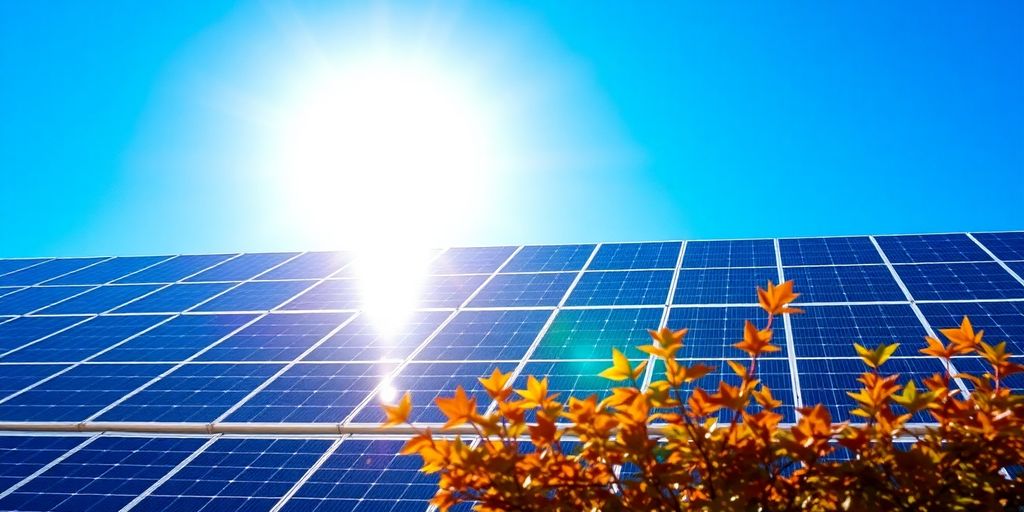
Solar panels are like sponges for sunlight, soaking it up and turning it into electricity. The more sun they get, the more energy they produce. Simple, right? But here’s the catch: sunlight isn’t the same year-round. In summer, days are long and bright, which means your panels are busy little bees. In winter, however, the sun takes a nap, giving you shorter days and less light. This seasonal dance of sunlight plays a big role in how much energy your panels can churn out.
How Seasonal Changes Affect Solar Output
Let’s break down the seasons:
- Spring: Your panels are waking up from winter. Longer days and a higher sun angle boost energy production.
- Summer: Peak production time. Lots of sun, but watch out for overheating.
- Autumn: Production starts to dip as days shorten.
- Winter: Shortest days and a low sun angle mean less energy. Plus, snow can cover panels, blocking light.
Each season has its quirks, and understanding them helps you plan maintenance and adjustments.
Adapting to Seasonal Variations
To keep your solar panels efficient year-round, consider these tips:
- Adjust Panel Tilt: As the sun’s angle changes, so should your panels. In winter, tilt them more to catch the low sun.
- Regular Cleaning: Dust and debris can build up, especially in spring and autumn. Clean panels capture more light.
- Monitor Performance: Keep an eye on your energy output. If something seems off, it might be time for a check-up.
"Seasonal changes can throw a wrench in your solar panel’s performance, but with the right tweaks, you can keep them running smoothly all year long."
Spring Maintenance: Preparing for Peak Solar Production
Cleaning and Inspecting Solar Panels
Spring is the best time to give your solar panels a good scrub after a long winter. Dirt and grime can pile up, and they can really mess with your panels’ efficiency. Use a soft brush or sponge with water and a mild detergent to gently clean the surface. Avoid using any harsh chemicals or high-pressure washers as they might damage the panels. A clean panel means more sunlight gets through, boosting your energy production.
Addressing Shading from New Growth
With spring comes new growth, which might cast unwanted shadows on your panels. Check around your solar panels for any new trees or bushes that might be casting shade. Trim back branches or foliage to make sure your panels are getting as much sun as possible. Shading can seriously cut down on your energy output, so it’s important to keep everything clear.
Performance Monitoring and Adjustments
Spring is also a good time to check how your system is doing. Compare your current energy output with previous years to see if there are any big changes. Use your solar monitoring system to track energy production. If you notice a significant drop, it might be time to call in a professional to check for any underlying issues. Keeping an eye on your system’s performance can help you catch problems early and keep your energy production at its peak.
Spring cleaning and maintenance are not just about tidying up; they’re about making sure your solar panels are ready to soak up the sun’s rays and deliver the energy you need.
Summer Strategies for Managing Heat and Maximizing Output
Regular Cleaning to Remove Dust and Pollen
Summer’s dry and windy days can leave a layer of dust and pollen on your solar panels. Regular cleaning is essential to keep them running at their best. Depending on where you live, you might need to clean them every few weeks. It’s best to do this in the early morning or late evening when the panels are cool, to avoid thermal shock. Here’s a quick cleaning checklist:
- Use a soft brush or sponge with water and mild soap.
- Avoid high-pressure washers that might damage the panels.
- Rinse thoroughly to ensure no soap residue is left.
Ensuring Adequate Ventilation
High temperatures can reduce the efficiency of solar panels. While you can’t control the weather, you can make sure there’s enough airflow around your panels. If they’re on a roof, check that there’s space underneath for air to circulate. This helps keep them cooler and working efficiently. Consider these steps:
- Inspect the mounting system to ensure it’s not blocking airflow.
- Trim any nearby foliage that might restrict ventilation.
- Consider installing a fan or ventilation system if heat buildup is a problem.
Inspecting for Storm Damage
Summer storms can be rough, bringing high winds and hail that might damage your panels. After any severe weather, it’s crucial to check for signs of wear and tear. Look for:
- Cracks or chips in the panel glass.
- Loose or damaged mounts and brackets.
- Frayed or exposed wiring.
If you spot any issues, it’s wise to contact a professional for repairs. Regular inspections can prevent small problems from becoming big headaches.
Autumn Preparations: Getting Ready for Winter Challenges
Clearing Leaves and Debris
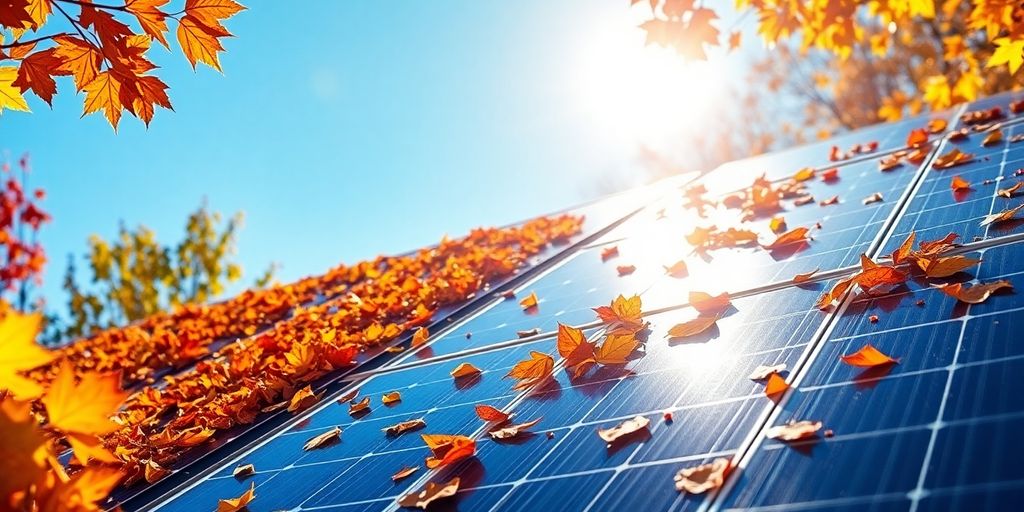
As autumn rolls in, leaves start to fall, and while they look pretty, they can be a nuisance for your solar panels. Keeping your panels free from leaves and debris is crucial to maintaining efficiency. A few leaves might not seem like a big deal, but they can block sunlight and reduce your energy output. Get into the habit of regularly checking and clearing your panels. A quick sweep with a soft brush can do wonders. Make sure your gutters and downspouts are also clear to prevent water from overflowing onto your panels.
Inspecting Structural Integrity
Before winter hits, it’s a good idea to give your solar panel setup a once-over. Check that all mounts and hardware are secure. Strong winds and heavy snow can put extra stress on your system, so ensure everything is tightly fastened and in good condition. Look for any signs of wear or damage, like rust or loose connections. If you’re not comfortable doing this yourself, consider hiring a professional to help out. It’s better to catch potential issues now rather than deal with them in the middle of winter.
Adjusting Panel Angles for Lower Sunlight
With the sun sitting lower in the sky during the colder months, adjusting the angle of your solar panels can help maximize energy absorption. If your panels are on a fixed frame, you might need to consult with an expert about possible adjustments. Even a small change in angle can make a big difference in your system’s efficiency. This adjustment is all about getting the most out of the limited sunlight available during the winter months. Properly angled panels will help you keep up energy production even when the days are short and the sun is scarce.
Winter Maintenance: Ensuring Efficiency in Harsh Conditions
Snow and Ice Removal Techniques
Winter can be tough on solar panels, especially with snow and ice blocking that precious sunlight. Keep those panels clear by gently brushing off snow using a soft broom or a roof rake. Avoid metal tools; they can scratch or damage the panels. If you’re lucky, a bit of sunshine might do the trick by melting the snow naturally.
Monitoring System Performance
Shorter days and a lower sun angle mean less energy production. It’s a good idea to keep an eye on your system’s performance. If you notice a big drop in output, it might be time to call in a pro to check things out.
Preventing Ice Dams and Water Pooling
Ice dams can be a real pain, leading to water pooling and possible leaks. Make sure your panels have good insulation and drainage. If ice dams keep happening, you might want to think about installing heating cables around your panels to keep things clear.
Winter maintenance might seem like a hassle, but keeping your solar panels in top shape through these cold months means they’ll be ready to soak up the sun when spring finally rolls around.
General Maintenance Tips for Year-Round Solar Efficiency
Regular Visual Inspections
Keeping an eye on your solar panels is like checking the oil in your car—it’s essential for smooth operation. Make it a habit to visually inspect your solar panels at least once a month. Look for any obvious signs of dirt, damage, or anything else that seems off. Catching issues early can prevent bigger headaches down the road. Plus, it’s a good excuse to get outside and enjoy a bit of fresh air.
Professional Maintenance Checks
While you can handle some upkeep yourself, it’s wise to call in the pros for a thorough check-up once a year. A professional can spot problems you might miss and ensure everything’s running as it should. They’ll check the wiring, the inverter, and all those technical bits that might as well be magic to most of us. Think of it like taking your car in for a service—worth it for peace of mind.
Monitoring System Performance
Most solar systems come with monitoring software. Use it! Keep tabs on how much energy you’re generating and compare it to previous months or years. If there’s a sudden drop, it might be time to investigate. Maybe a tree’s grown a bit too tall or there’s some unexpected shading. Regular monitoring helps you stay on top of things and ensures your system is always performing at its best.
Keeping your solar panels in top shape isn’t just about saving money—it’s about making sure you’re getting the most out of your investment. Regular maintenance keeps your system efficient and extends its lifespan, so you can enjoy clean energy for years to come.
For more on how to maintain solar panels effectively, remember that cleaning them at least twice a year is key, though it might need doing more often depending on where you live. Keeping them clean ensures they work efficiently and last longer.
Wrapping It Up: Keep Those Panels Shining
So, there you have it. Keeping your solar panels in tip-top shape throughout the year isn’t just about saving a few bucks on your electric bill—it’s about making sure your investment keeps paying off in the long run. Each season throws its own curveballs, whether it’s spring cleaning, summer heat, fall prep, or winter snow. But with a little elbow grease and regular check-ups, your panels will keep soaking up the sun and cranking out clean energy. Remember, a little maintenance goes a long way in keeping your solar setup running smoothly. So, grab that sponge, check those connections, and keep an eye on those pesky tree branches. Your future self—and the planet—will thank you.
Frequently Asked Questions
Why does sunlight matter for solar panels?
Sunlight is what solar panels use to make electricity. The more sunlight they get, the more energy they produce.
How do the seasons affect solar panels?
Seasons change the amount of sunlight and weather conditions, which can affect how much energy solar panels produce.
What should I do in the spring for my solar panels?
In spring, clean your panels and check for any damage from winter. Also, trim any new plant growth that might block sunlight.
How can I protect my solar panels in the summer?
Keep them clean from dust and pollen, ensure they have good airflow, and check for any storm damage.
What maintenance is needed for solar panels in the winter?
Remove snow and ice, check how well the system is working, and make sure water doesn’t pool and freeze around the panels.
What are some general tips for solar panel care?
Regularly look for any visible damage, get professional check-ups, and keep track of how much energy your system is making.