

So, you’re thinking about solar panels, huh? Well, you’re not alone. With the world all abuzz about going green, solar energy is at the top of everyone’s list. It’s like, why not use the sun? It’s there, it’s free, and it’s not going anywhere. But, how exactly do we make it work for us, especially if we’re aiming for that net-zero goal by 2025? Let’s break it down.
Key Takeaways
- Solar panels are key players in cutting down carbon emissions and reaching net-zero goals.
- New tech in solar cells is making them more efficient and easier to use in cities.
- Getting solar power up and running can be pricey, but it’s worth it in the long run.
- Solar energy is changing lives in places where regular electricity isn’t a thing.
- Mixing solar with other green energy sources can help hit those net-zero targets faster.
Harnessing Solar Energy for a Sustainable Future
The Role of Solar Panels in Achieving Net Zero
Solar panels are at the heart of the movement towards net zero emissions. By converting sunlight into electricity, they offer a clean, renewable energy source that can replace fossil fuels. Investing in high-quality solar components is crucial to maximize efficiency and effectiveness. The more efficient the solar panels, the less space they occupy, making them ideal for urban settings where space is limited. As we aim for net zero by 2025, solar energy will play a pivotal role in reducing our carbon footprint and promoting sustainable living.
Innovations in Photovoltaic Technology
Technology in the solar field is constantly evolving. Recent advancements in photovoltaic (PV) technology have led to solar cells that convert over 25% of sunlight into electricity. This leap in efficiency is a game-changer for solar power, making it more competitive with traditional energy sources. Innovations like bifacial panels, which capture sunlight from both sides, and perovskite solar cells are pushing the boundaries of what’s possible. These technologies ensure that solar energy continues to be a viable solution for sustainable energy needs.
Urban Integration of Solar Solutions
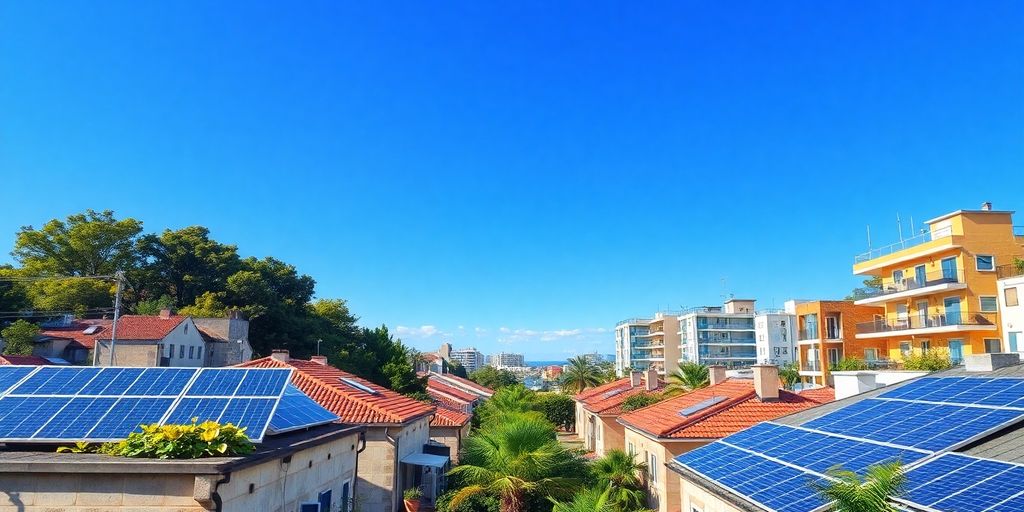
Incorporating solar technology into urban environments is becoming increasingly common. Cities are transforming rooftops and building facades into energy producers. This not only optimizes energy generation in densely populated areas but also contributes to urban sustainability goals. By integrating solar panels into the urban landscape, cities can meet rising energy demands while reducing greenhouse gas emissions. As we look towards a sustainable future, urban planning will need to embrace solar solutions as a key component of energy strategy.
Overcoming Challenges in Solar Energy Adoption
Addressing Initial Investment Costs
One of the biggest hurdles in adopting solar energy is the upfront cost. Solar panels and installation can be pricey, making it hard for some to make the switch. But here’s the thing: prices are dropping. Government incentives and tax credits can also lighten the load. Many companies now offer financing plans that spread out payments, making solar more accessible.
- Look for local and federal incentives.
- Consider financing options from solar companies.
- Evaluate long-term savings versus initial costs.
Ensuring Skilled Workforce Availability
Having enough skilled workers is crucial for solar energy to thrive. We need trained professionals to install and maintain these systems. Training programs and certifications are popping up everywhere, but there’s still a gap. Encouraging more people to enter this field is key.
- Support vocational training programs.
- Promote careers in renewable energy.
- Partner with educational institutions for specialized courses.
Maintenance and Sustainability
Solar panels are low maintenance, but they aren’t maintenance-free. Regular cleaning and occasional repairs keep them efficient. Sustainability goes beyond installation; it’s about keeping systems running smoothly for years. Emphasizing the importance of routine checks can prevent bigger issues down the road.
- Schedule regular cleaning and inspections.
- Monitor system performance with smart technology.
- Educate users on basic maintenance.
Solar energy is a powerful tool in the fight against climate change, but adopting it on a large scale comes with its own set of challenges. By addressing these issues head-on, we can pave the way for a brighter, cleaner future.
For solar installers, overcoming challenges like customer skepticism and complex proposals is vital. Leveraging technology and innovative solutions can help tackle these issues effectively.
The Impact of Solar Energy on Developing Regions
Case Studies of Successful Solar Projects
In many developing regions, solar energy is making waves by providing electricity to areas that have never had it before. Imagine living in a place where the sun is blazing, but you can’t even turn on a light bulb. That’s changing now. In places like sub-Saharan Africa, solar projects are lighting up homes and schools, making a real difference. Kids can study after dark, and clinics can keep vaccines cool. These projects show how solar power can transform lives and boost economies.
Socio-Economic Benefits of Solar Power
Solar energy isn’t just about turning on the lights. It’s about creating jobs and boosting local economies. When a community gets solar power, it’s like opening a door to new opportunities. People can start businesses, kids can get a better education, and healthcare improves. Plus, solar power cuts down on pollution, making the air cleaner. By reducing reliance on nonrenewable resources, solar power helps communities thrive in a sustainable way.
Challenges and Opportunities in Remote Areas
Sure, solar energy is amazing, but it’s not all sunshine and rainbows. In remote areas, getting the panels and tech set up can be tough. It costs money, and you need skilled workers to install and maintain everything. But these challenges also bring opportunities. With the right support and investment, these hurdles can be overcome. International cooperation and investment are key to making solar energy accessible to everyone. As we move toward 2025, the focus is on overcoming these barriers to ensure global access to clean energy.
Strategies for Achieving Net Zero with Solar Panels
Combining Solar with Other Renewable Sources
To hit the net-zero target, it’s not just about slapping a few solar panels on your roof. You gotta think bigger. Combining solar power with other renewable energy sources like wind and hydro can create a more reliable and balanced energy system. This mix helps tackle the issue of solar’s intermittency. Imagine a setup where on cloudy days, wind turbines pick up the slack, or when the wind’s not blowing, hydro steps in. It’s like having a backup for your backup.
Implementing Energy-Efficient Technologies
Sure, generating energy is important, but using it wisely is key. Integrating energy-efficient technologies is a game-changer. Think of smart thermostats, LED lighting, and energy-efficient appliances. These tools help reduce overall energy demand, making it easier to achieve net-zero. Here’s a quick list of tech you might consider:
- Smart home systems that optimize energy use
- High-efficiency HVAC systems
- Insulation that keeps the heat in during winter and out during summer
Participating in Carbon Offset Projects
Even with the best solar setup, some emissions are unavoidable. That’s where carbon offset projects come in handy. These projects allow you to "balance out" the emissions you can’t eliminate by investing in environmental initiatives elsewhere. It’s like paying it forward for the planet. Projects can range from reforestation efforts to supporting renewable energy projects in developing regions.
By adopting a multifaceted approach to energy use, combining solar with other renewables, and participating in carbon offset projects, individuals and businesses can significantly reduce their carbon footprint. The journey to net-zero is complex but achievable with the right strategies.
The Future of Solar Energy in Urban Planning
Transforming Rooftops into Energy Producers
Imagine the rooftops in your city not just collecting dust and rain but energy. That’s the direction we’re heading. Solar panels are turning these often-overlooked spaces into powerhouses of renewable energy. It’s not just about slapping some panels on a roof; it’s about designing buildings with solar in mind from the get-go. This means thinking about angles, materials, and even the color of the panels to maximize energy production. Cities are starting to catch on, seeing rooftops as untapped potential in the fight against climate change.
Facades as Solar Energy Sources
But why stop at rooftops? Building facades are joining the solar revolution. New technologies are allowing for the integration of solar panels into the very walls of buildings. These aren’t your grandpa’s bulky panels; they’re sleek, stylish, and sometimes even transparent. This means skyscrapers can now contribute to their own energy needs, reducing the strain on city grids. Plus, they look pretty cool, blending into the architecture seamlessly.
Meeting Urban Sustainability Goals
Cities have big goals to meet when it comes to sustainability, and solar energy is a key player. By integrating solar power into urban design, cities can tackle major challenges like reducing carbon footprints and increasing energy independence. It’s not just about meeting today’s energy needs but planning for a future where cities are self-sustaining. This includes not only the buildings but also the infrastructure, like streetlights and public transport, all powered by the sun.
As we stand on the brink of a solar-powered future, it’s clear that the sun isn’t just a source of light but a beacon of hope for sustainable urban living. Embracing this shift requires a change in mindset and a commitment to innovation, but the benefits are too significant to ignore.
Innovations Driving Solar Energy Efficiency
Advancements in Solar Cell Technology
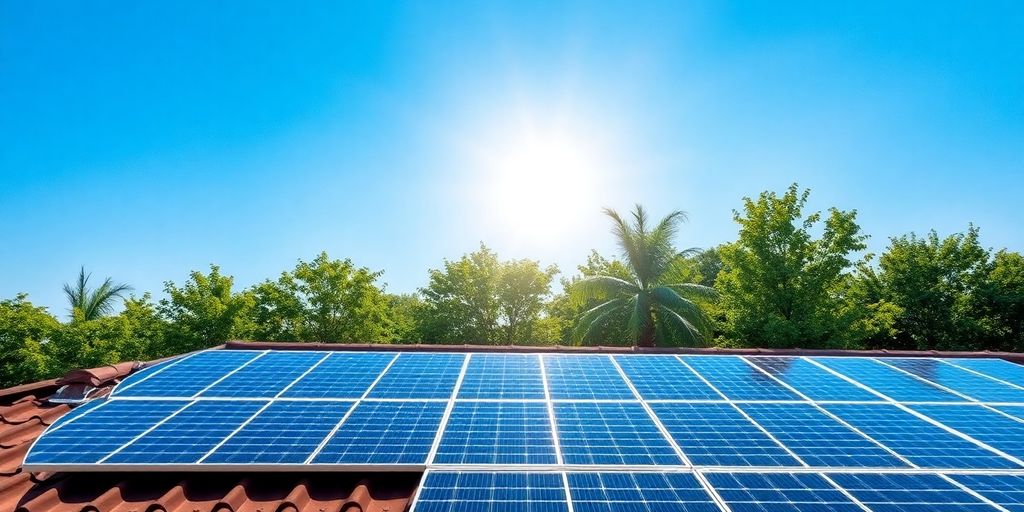
Solar cell technology is evolving rapidly, and it’s all about squeezing more power out of every ray of sunshine. Recent advancements have pushed solar cell efficiency beyond 25%, which is a big deal. This means we’re getting more electricity from the same amount of sunlight, making solar panels a more viable option in the fight against fossil fuels. There’s a lot of buzz around using new and abundant materials to keep costs down while boosting performance. Recent advancements in solar panel technology are focusing on improving solar cell efficiency, utilizing new materials, and enhancing manufacturing techniques. These improvements are making solar energy more accessible and competitive.
Smart Energy Management Systems
Now, this is where it gets interesting. Imagine your home or office automatically adjusting its energy use based on who’s around and what’s happening. That’s what smart energy management systems do. They use data analytics to optimize energy use, cutting down on waste and saving money. These systems are becoming a staple in both homes and businesses, making energy savings a reality rather than just a goal.
Integration with Building Technologies
Incorporating solar tech into building designs is changing the game. Buildings are not just places to live or work anymore; they’re turning into energy producers. By integrating solar panels into rooftops and facades, buildings can generate their own power, reducing reliance on the grid. This not only cuts down on energy bills but also supports the push towards carbon neutrality. It’s like turning every building into its own little power station, contributing to a cleaner, greener world.
As solar technology continues to advance, we’re not just looking at more efficient panels, but smarter systems that make the most of the energy they produce. The future of solar energy is about more than just panels on roofs; it’s about creating an integrated energy ecosystem that supports sustainable living.
Policy and Industry Support for Solar Energy
Government Initiatives and Incentives
Government policies are stepping up to the plate, pushing solar energy into the limelight. As we inch closer to 2025, these initiatives are more than just plans on paper. They’re real actions making solar power a go-to choice. From tax breaks to grants, governments are making it easier for everyone to jump on the solar bandwagon. This isn’t just about cutting down on carbon emissions; it’s about giving the economy a nudge in the right direction. More green jobs and more innovation mean a win-win for everyone.
Solar energy isn’t just a trend; it’s a necessity. The push from government policies is making it accessible and viable for more people and businesses. It’s not just about saving the planet; it’s about securing a future where clean energy is the norm.
Role of Industry Leaders in Solar Adoption
Big names in the industry aren’t just sitting back. They’re leading the charge, showing how solar energy can be a game-changer. Companies are investing big bucks into solar projects, not just to look good but because it’s smart business. They’re cutting down on their carbon footprints and boosting their image at the same time. It’s a no-brainer.
Here’s how they’re doing it:
- Power Purchase Agreements (PPAs): These deals let companies buy solar power without owning the panels.
- Energy-as-a-Service (EaaS): This model offers flexible, scalable solutions without the upfront costs.
- Public-Private Partnerships (PPPs): By teaming up with governments, companies can tackle bigger projects and get regulatory support.
International Cooperation and Investment
Going solo isn’t the way forward. Countries are teaming up, sharing tech and know-how to make solar energy a global reality. Agreements like the Paris Accord are setting the stage for a cleaner, greener world. International collaborations are key, especially when it comes to making solar tech available everywhere, not just in wealthy nations.
The solar and storage industry is also pushing for policies that cut down reliance on imports from countries like China, promoting domestic manufacturing investments to bolster American energy leadership. This shift not only strengthens local economies but also enhances energy security, making solar a more robust and reliable energy source worldwide.
Wrapping It Up: Solar Panels and the Path to Net Zero
Alright, so here’s the deal. Solar panels are more than just shiny things on rooftops—they’re a big part of the puzzle when it comes to hitting that net zero target by 2025. We’ve talked about how they’re getting better and more efficient, which is awesome because it means more clean energy with less hassle. But it’s not just about the tech. It’s about making solar power accessible to everyone, from big cities to remote villages. Sure, there are challenges, like the cost and the need for skilled folks to install and maintain them. But if we keep pushing, keep innovating, and keep working together, solar panels can help us cut down on carbon emissions and make the world a cleaner, greener place. So, let’s keep our eyes on the prize and make it happen.
Frequently Asked Questions
What are solar panels and how do they work?
Solar panels are devices that convert sunlight into electricity. They use photovoltaic cells to capture sunlight and turn it into electrical energy.
Why is solar energy important for achieving net zero?
Solar energy is clean and renewable, helping reduce reliance on fossil fuels. By using solar power, we can lower carbon emissions and move towards net zero.
What are the challenges of using solar energy?
Some challenges include the high initial cost of installation, the need for a skilled workforce, and maintenance requirements.
Can solar panels work in cloudy or rainy weather?
Yes, solar panels can still generate electricity in cloudy or rainy weather, though their efficiency may be reduced compared to sunny days.
How can solar energy benefit developing regions?
Solar energy can provide electricity to remote areas, improving living standards and economic opportunities where traditional power sources are unavailable.
What innovations are improving solar panel efficiency?
Advancements in photovoltaic technology, like better solar cells and smart energy systems, are making solar panels more efficient and effective.