

Thinking about solar energy for your small business? It’s not just a trend; it’s a smart move for 2025. With electricity costs climbing, solar power offers a way to cut expenses and boost your eco-friendly image. Plus, new tech and incentives make it easier than ever. This guide dives into how solar can fuel your business growth.
Key Takeaways
- Solar energy can significantly lower operational costs for small businesses, making it a cost-effective solution.
- Adopting solar power can enhance your brand’s image by aligning with sustainable practices, appealing to eco-conscious consumers.
- With the right technology, small businesses can achieve energy independence, reducing reliance on external power sources.
- Financial incentives, such as federal grants and tax credits, are available to support the adoption of solar energy.
- Real-world examples show how businesses have successfully implemented solar solutions, leading to savings and sustainability.
Understanding the Benefits of Solar Energy for Small Businesses
Reducing Operational Costs with Solar Power
Switching to solar power can drastically cut down operational expenses for small businesses. Once the initial setup is done, the sun provides free energy, helping businesses save significantly on electricity bills. For example, a textile unit in Surat saw a 40% reduction in energy costs after installing a solar system. This kind of saving allows businesses to allocate funds to other important areas, boosting overall efficiency.
Enhancing Brand Image Through Sustainability
Going solar isn’t just about saving money—it’s also a statement. Many consumers today are eco-conscious and prefer businesses that share their values. By adopting solar energy, small businesses can improve their brand image, attracting more customers who appreciate sustainable practices. This shift can be a competitive advantage, particularly in sectors where environmental impact is a key concern.
Achieving Energy Independence
Solar energy offers a path to energy independence, especially for businesses in remote or rural areas. Frequent power outages can disrupt operations, but solar systems provide a reliable power source that keeps things running smoothly. By becoming less reliant on the grid, businesses can ensure a steady supply of energy, avoiding the chaos and costs associated with blackouts.
Embracing solar energy is about more than just cutting costs—it’s about securing a stable, sustainable future for your business. With solar, you’re not just saving money; you’re investing in resilience and reliability.
By maximizing rooftop solar energy, small businesses can not only reduce costs but also contribute to a greener environment, aligning with modern consumer values and expectations.
Technological Innovations in Solar Energy for 2025
The Role of IoT in Solar Energy Management
In 2025, the Internet of Things (IoT) is set to transform how small businesses manage their solar energy systems. By connecting solar panels and inverters to the internet, IoT devices enable real-time monitoring and control. Businesses can track energy production, consumption, and even detect issues remotely. This connectivity means quicker responses to maintenance needs and optimized energy use.
- Real-time data collection helps in predictive maintenance, reducing downtime.
- Remote monitoring allows for better energy management and cost savings.
- Integration with smart home systems and devices enhances overall efficiency.
AI and Smart Inverters for Optimized Energy Use
Artificial Intelligence (AI) is revolutionizing solar energy through smart inverters. These inverters use AI algorithms to optimize energy conversion and distribution. They can adjust energy flow based on consumption patterns, weather forecasts, and grid demands.
- AI-driven inverters improve energy efficiency by up to 20%.
- They enable dynamic energy pricing, offering cost benefits.
- Smart inverters facilitate seamless integration with battery storage systems.
As AI continues to evolve, its role in energy management will only grow, offering smarter solutions for energy optimization.
Blockchain for Peer-to-Peer Energy Trading
Blockchain technology is making waves in the energy sector by enabling peer-to-peer (P2P) energy trading. Small businesses can now trade excess energy with others in their community, creating a decentralized energy marketplace.
- Blockchain ensures secure, transparent transactions.
- P2P trading allows businesses to sell surplus energy, generating additional revenue.
- It promotes energy independence and sustainability within communities.
These emerging solar panel technology trends for 2025 highlight advancements that are not just futuristic but practical, paving the way for more efficient and sustainable energy solutions for small businesses.
Financial Incentives and Support for Solar Adoption
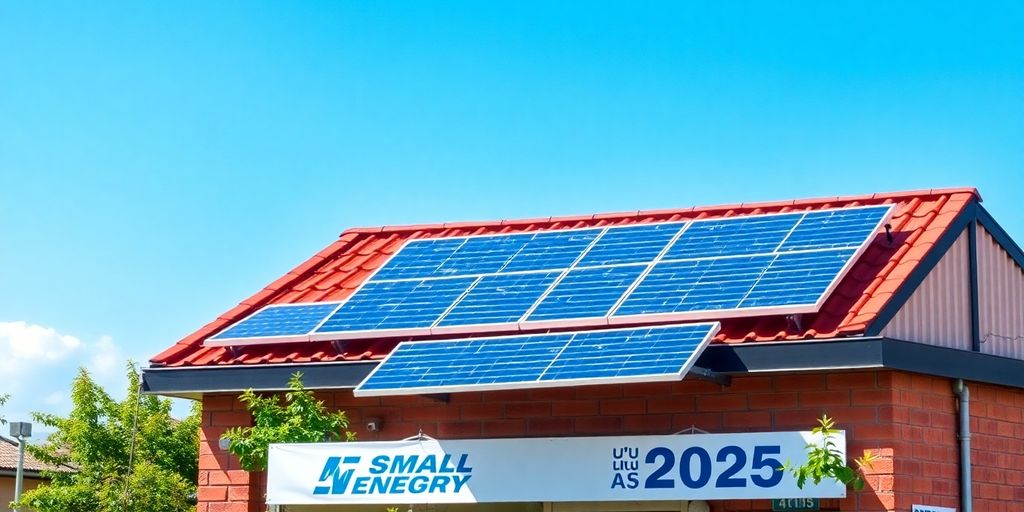
Switching to solar energy is not just a nod to environmental responsibility; it can also be a smart financial move for small businesses. There are several financial incentives available that make the transition to solar more affordable and attractive.
Federal Grants and Tax Credits
The federal government offers significant incentives to encourage small businesses to adopt solar energy. The solar energy tax credit is a major benefit, allowing companies to deduct a portion of their solar installation costs from their federal taxes. This credit significantly reduces upfront expenses, making solar projects more feasible.
- Investment Tax Credit (ITC): This allows businesses to deduct a percentage of the cost of installing a solar energy system from their federal taxes, directly lowering the initial investment.
- Production Tax Credit (PTC): Provides a per-kilowatt-hour credit for electricity generated, offering ongoing financial returns as businesses continue to produce renewable energy.
- Eco-Friendly Image: By investing in solar, businesses not only save money but also enhance their reputation for sustainability.
State and Local Incentives
Many states and local governments provide additional incentives to support solar adoption. These can include rebates, grants, and tax exemptions that further reduce the cost of solar installations.
- State Rebates: Some states offer cash rebates for solar installations, which can significantly cut down the initial costs.
- Property Tax Exemptions: Certain jurisdictions exempt the added value of solar installations from property taxes.
- Sales Tax Incentives: In many areas, solar equipment purchases are exempt from sales taxes, lowering the overall cost.
Financing Options for Solar Installations
Financing solar installations has become more accessible than ever. Various options are available that cater to different financial situations.
- Solar Loans: Banks and financial institutions offer specialized loans with attractive interest rates, often between 7-9%.
- Power Purchase Agreements (PPAs): These agreements allow businesses to install solar panels with no upfront cost, paying only for the electricity generated.
- Leasing Options: Businesses can lease solar equipment, spreading the cost over time and avoiding large initial expenditures.
Investing in solar energy not only aligns with environmental goals but also offers substantial financial benefits. With the right incentives, small businesses can significantly reduce operational costs and contribute to a sustainable future.
Real-World Success Stories of Solar Implementation

Case Study: Textile Manufacturing in Surat
In Surat, a textile manufacturing business decided to go green by installing a 50kW solar system back in 2022. Within just 18 months, they saw a 40% drop in electricity costs. This not only saved them money but also made their production more efficient due to a reliable power supply. It’s a win-win situation, showing how solar energy can make a significant difference in operational costs.
Retail Chain Achieves Carbon Neutrality
A retail chain in Bangalore took a bold step towards sustainability by implementing solar power across its outlets. The result? They achieved carbon neutrality and saved over ₹8 lakhs annually. This move not only cut costs but also improved their brand image, attracting more environmentally conscious customers.
Rural Businesses Gaining Energy Independence
In rural areas, businesses often struggle with unreliable power supplies. But with solar energy, they can gain energy independence. Solar panels provide a steady power source, reducing reliance on external power. This is especially beneficial during frequent power cuts, ensuring operations continue smoothly. Plus, once the initial costs are covered, the energy is practically free, allowing these businesses to allocate funds to other important areas.
Overcoming Challenges in Solar Energy Adoption
Addressing Initial Investment Concerns
Switching to solar energy can seem daunting, especially when you consider the initial costs. But here’s the thing—it’s more affordable than you might think. With options like solar loans and power purchase agreements (PPAs), businesses can start using solar without a huge upfront expense. Plus, current trends in solar energy highlight a decrease in interest rates, making financing more approachable. Many providers offer zero down payment plans, so you only pay for the electricity you use.
Navigating Regulatory and Compliance Issues
Navigating the maze of regulations can be tricky, but it’s not impossible. Local, state, and federal guidelines can vary, and it’s important to know what applies to your business. Many solar installers provide consultation services to help you understand these requirements. Plus, keeping an eye on updates from industry bodies can ensure you’re always compliant. It’s about staying informed and proactive.
Ensuring Reliable Solar System Performance
Once your solar system is up and running, maintaining its performance is key. Regular cleaning and occasional maintenance of inverters are usually all that’s needed. Modern systems come with smart monitoring features, allowing you to track performance in real-time. This means you can catch any issues early and ensure your system is always operating at its best. Remember, a well-maintained system is a reliable one.
Future Trends in Solar Energy for Small Businesses
Advancements in Photovoltaic Technology
Solar technology is moving fast. By 2025, we’re expecting some big changes, especially in photovoltaic (PV) tech. These changes mean more efficient solar panels that need less space to produce the same amount of energy. This efficiency can lower costs significantly—both in terms of materials and installation. As advancements in solar panel efficiency continue, small businesses can expect to see even more affordable options for integrating solar power into their energy mix.
The Impact of Declining Solar Costs
The cost of solar is dropping. This is due to economies of scale, better manufacturing processes, and more competition in the market. With prices going down, more small businesses can afford to go solar. Here’s a quick look at how costs have changed:
| Year | Average Cost per Watt |
|---|---|
| 2020 | $2.85 |
| 2023 | $2.35 |
| 2025 | $2.00 (projected) |
This table shows a clear trend: solar is getting cheaper. As prices drop, more businesses will find it easier to make the switch.
Emerging Business Models in Solar Energy
New business models are popping up in the solar industry. These include leasing options, power purchase agreements (PPAs), and community solar projects. These models make it easier for small businesses to access solar without large upfront costs.
- Leasing: Allows businesses to install solar panels with little to no initial cost and pay a monthly fee instead.
- Power Purchase Agreements (PPAs): Businesses agree to buy power from a solar provider at a set rate, often lower than local utilities.
- Community Solar: Businesses can buy into a shared solar project, receiving credits on their energy bills without having panels on their property.
The future of solar energy for small businesses looks bright. With costs falling and new ways to access solar power, it’s becoming an increasingly viable option for many. These trends are not just about saving money, but also about creating a more sustainable future.
Integrating Solar Energy with Sustainable Business Practices
Aligning Solar Adoption with Environmental Goals
Small businesses today are increasingly aware of their environmental impact and are actively seeking ways to reduce their carbon footprint. Solar energy provides a practical solution for achieving these goals. By adopting solar power, businesses can significantly cut down on greenhouse gas emissions, aligning their operations with broader environmental objectives. This alignment not only benefits the planet but also resonates with consumers who prioritize sustainability.
Leveraging Solar for Competitive Advantage
Adopting solar energy isn’t just about going green; it’s also about gaining a competitive edge. Businesses that invest in solar power can reduce their energy costs, which can be a significant advantage in a competitive market. Additionally, showcasing a commitment to renewable energy can enhance a company’s brand image, attracting customers who value sustainability. Many companies have successfully marketed their solar adoption to strengthen their brand image and attract environmentally aware customers.
Building a Sustainable Business Model
Incorporating solar energy into a business model involves more than just installing panels. It’s about creating a sustainable framework that supports long-term growth. This can involve:
- Evaluating energy needs: Assess current energy consumption to determine the appropriate size and type of solar system.
- Exploring financing options: Look into solar power grants and incentives that can offset initial costs.
- Integrating with existing systems: Ensure that solar installations work seamlessly with current business operations.
Solar energy offers small businesses a pathway to sustainable growth by reducing costs and environmental impact. By aligning solar adoption with business goals, companies can not only save money but also appeal to a growing market of eco-conscious consumers.
Conclusion
So, there you have it. Solar energy isn’t just a buzzword; it’s a real game-changer for small businesses looking to grow sustainably in 2025. We’ve seen how businesses in India, from textile units to retail chains, have slashed costs and boosted efficiency by going solar. It’s not just about saving money—it’s about staying ahead in a world that’s getting more eco-conscious by the day. Plus, with tech like IoT and smart inverters, the possibilities are endless. Sure, the initial setup might seem pricey, but with government grants and falling costs, it’s more doable than ever. Solar isn’t just a trend; it’s a smart move for the future. So, why not take the leap and see how it can transform your business?
Frequently Asked Questions
What are the benefits of using solar energy for my small business?
Solar energy can help your small business by reducing electricity bills, making your brand look eco-friendly, and giving you more control over your energy use.
How can solar power help my business save money?
Once you set up solar panels, the sun’s energy is free. This means lower electricity bills, so you save money over time.
Are there any government incentives for using solar energy?
Yes, there are government programs that offer tax credits and grants to help with the cost of installing solar panels.
Is solar energy reliable for my business needs?
Yes, solar energy is reliable and can even work during power outages if you have a battery backup system.
What should I consider before installing solar panels?
Think about the cost, the space you have for panels, and look for any financial help like grants or tax credits.
Can solar energy really help the environment?
Yes, using solar energy reduces carbon emissions and helps fight climate change, making it good for the planet.