

Solar energy is a powerful resource, but it can be challenging to harness during low-light situations. Understanding how to make the most of solar energy when the sun isn’t shining brightly can help you get the most out of your solar panels. This guide will explore various strategies to maximize solar energy production, even when the conditions aren’t perfect.
Key Takeaways
- Low-light conditions can reduce solar panel efficiency, so choosing the right panels is essential.
- Solar panels designed for low-light environments can capture more energy even on cloudy days.
- Proper placement and angle of your solar panels can significantly improve energy capture.
- Energy storage systems, like batteries, help store excess energy for use when sunlight is limited.
- Regular maintenance and cleaning of solar panels ensure they operate at their best, regardless of light conditions.
Understanding Low-Light Conditions and Their Impact on Solar Panels
Defining Low-Light Conditions
Low-light conditions refer to times when sunlight is limited, such as during cloudy days, early mornings, or late afternoons. These situations can significantly affect how much energy solar panels can produce.
Effects of Low-Light on Solar Panel Efficiency
Solar panels are designed to capture sunlight and convert it into electricity. However, in low-light conditions, their efficiency drops. On average, solar panels can produce only 10-25% of their maximum output in these situations. This means that energy production can be much lower than expected.
Common Causes of Low-Light Conditions
Several factors can lead to low-light conditions:
- Weather: Cloudy skies, rain, or snow can block sunlight.
- Location: Areas with tall buildings or trees can create shadows.
- Time of Day: Early morning and late afternoon have less direct sunlight.
Understanding these factors is crucial for optimizing solar energy production, especially in regions that experience frequent low-light conditions.
Choosing the Right Solar Panels for Low-Light Environments
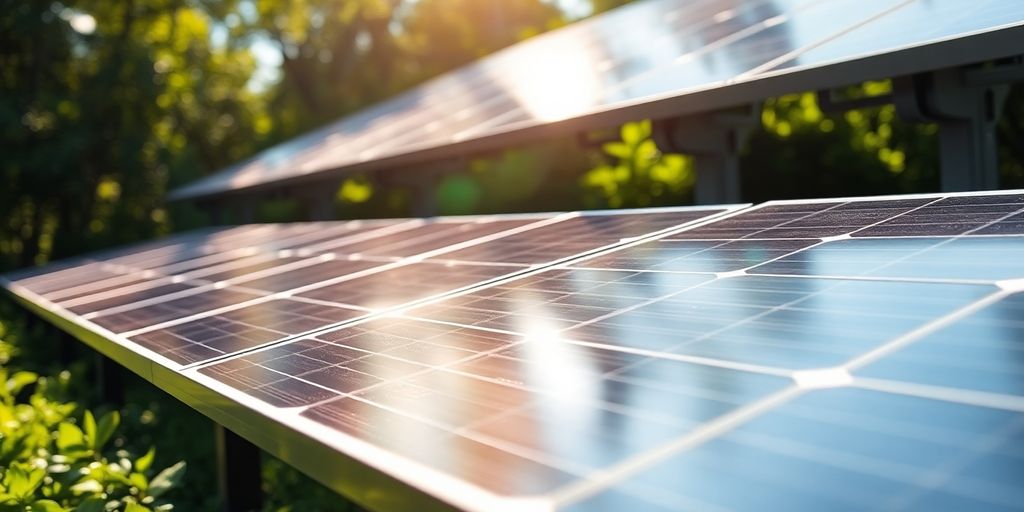
Types of Solar Panels Suited for Low-Light
When selecting solar panels for areas with less sunlight, consider these types:
- Monocrystalline Panels: These are known for their high efficiency and perform better in low-light conditions.
- Polycrystalline Panels: While slightly less efficient, they are often more affordable and still work well in shaded areas.
- Thin-Film Panels: These are flexible and lightweight, making them a good option for unique installations, though they generally have lower efficiency.
Efficiency Ratings to Consider
When evaluating solar panels, look for the following efficiency ratings:
- Above 20%: Excellent performance in low-light.
- 15-20%: Good balance of cost and efficiency.
- Below 15%: May struggle in low-light conditions.
| Type of Panel | Efficiency Rating | Best For |
|---|---|---|
| Monocrystalline | 20-25% | Limited sunlight areas |
| Polycrystalline | 15-20% | Budget-friendly options |
| Thin-Film | 10-15% | Flexible installations |
Top Brands for Low-Light Solar Panels
Here are some brands known for their performance in low-light:
- SunPower: Renowned for high-efficiency panels.
- LG: Offers reliable and efficient solar solutions.
- Canadian Solar: Known for good value and performance.
Choosing the right solar panels can significantly impact energy production, especially in low-light conditions. Investing in quality panels will pay off in the long run.
Optimizing Solar Panel Placement and Angle
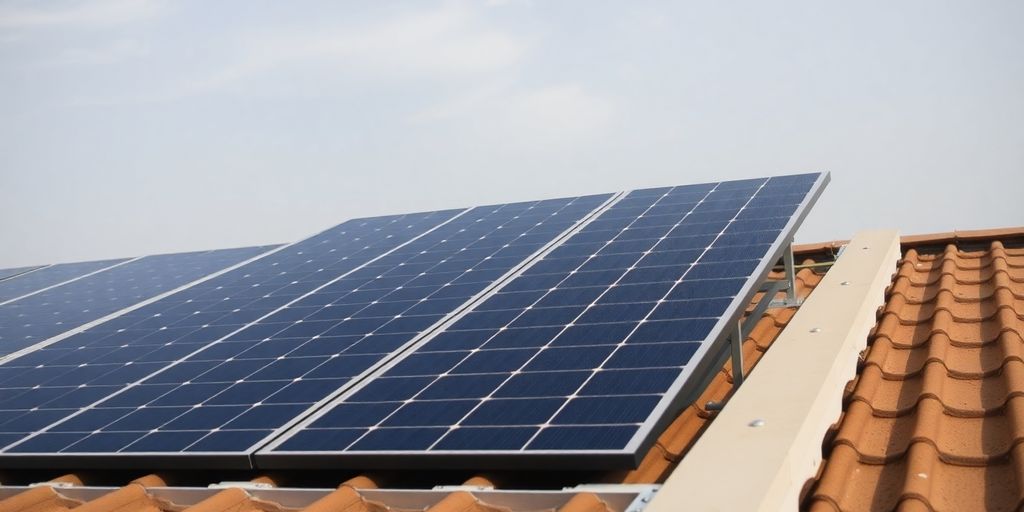
Best Practices for Panel Placement
- Choose a location with maximum sunlight exposure.
- Avoid placing panels near tall buildings or trees that can block sunlight.
- Consider the direction your panels face; south-facing panels usually get the most sun.
Adjusting the Tilt Angle for Maximum Exposure
- The angle of your solar panels can greatly affect their performance. Here are some tips:
- Tilt panels at an angle equal to your latitude for year-round efficiency.
- Adjust the angle seasonally: lower in winter and higher in summer.
- Use a protractor or angle finder to set the correct tilt.
Using Solar Trackers to Follow the Sun
- Solar trackers can help increase energy production by following the sun’s path. Here are some benefits:
- Increased energy output: Trackers can boost production by 25-35%.
- Better efficiency in low-light conditions: They adjust to capture more light.
- Higher initial cost: Trackers can be more expensive, but they pay off in the long run.
Proper placement and angle adjustments can significantly enhance the efficiency of solar panels, especially in low-light conditions.
Incorporating Energy Storage Solutions
Benefits of Energy Storage Systems
- Energy storage systems help store excess energy produced during sunny days for use when sunlight is low.
- They can provide backup power during outages, ensuring you have electricity when you need it.
- These systems can help reduce energy costs by allowing you to use stored energy during peak pricing times.
Types of Batteries for Solar Energy Storage
- Lithium-Ion Batteries: Known for their high efficiency and long lifespan.
- Lead-Acid Batteries: More affordable but have a shorter lifespan and lower efficiency.
- Flow Batteries: Great for larger systems, offering long discharge times and easy scalability.
Integrating Storage with Existing Solar Systems
- Assess your current solar setup to determine compatibility with storage solutions.
- Choose a battery system that meets your energy needs and budget.
- Work with a professional to ensure proper installation and integration.
Energy storage is a key part of maximizing solar energy use, especially in low-light conditions. It allows you to make the most of the energy your panels produce, even when the sun isn’t shining.
Utilizing Advanced Solar Technologies
Bifacial Solar Panels
Bifacial solar panels are designed to capture sunlight from both sides. This means they can produce more energy, especially in low-light conditions. They are particularly effective in snowy or reflective environments where light can bounce back to the panel.
Concentrated Photovoltaics
Concentrated photovoltaics (CPV) use mirrors or lenses to focus sunlight onto small, highly efficient solar cells. This technology can significantly increase energy output, even in less sunny areas. Here are some key points about CPV:
- Requires direct sunlight for maximum efficiency.
- Often used in large solar farms.
- Can be more expensive to install than traditional panels.
Smart Inverters and Controllers
Smart inverters and controllers help manage the energy produced by solar panels. They can optimize performance and ensure that energy is used efficiently. Some benefits include:
- Improved energy management.
- Real-time monitoring of energy production.
- Enhanced safety features.
Advanced solar technologies can greatly improve energy production, especially in challenging conditions. By using these innovations, homeowners and businesses can make the most of their solar energy systems.
Regular Maintenance and Cleaning
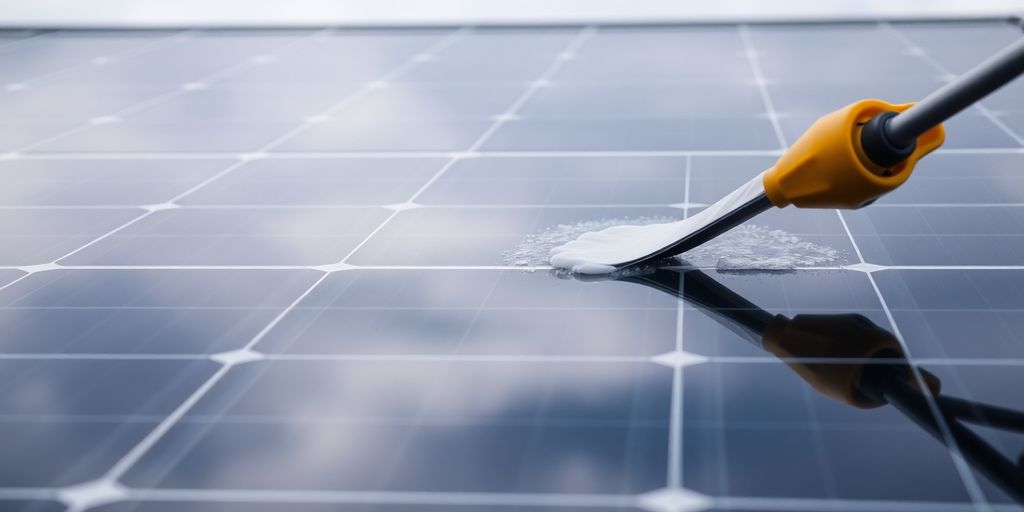
Importance of Keeping Panels Clean
Keeping solar panels clean is essential for their performance. Dirty panels can lose a significant amount of energy production. Regular cleaning helps ensure that your solar system works efficiently.
Best Cleaning Practices for Solar Panels
Here are some tips for cleaning your solar panels:
- Use a soft brush or sponge to avoid scratching the surface.
- Rinse with water to remove dust and debris.
- Clean during cooler times of the day to prevent water from evaporating too quickly.
Monitoring and Maintenance Schedules
To keep your solar panels in top shape, consider the following:
- Inspect panels regularly for dirt, debris, or damage.
- Schedule professional cleanings at least once a year.
- Monitor energy output to spot any drops in performance.
Regular maintenance not only extends the life of your solar panels but also maximizes their energy production.
Exploring Alternative Energy Sources
Combining Solar with Wind Energy
Using solar and wind energy together can be a smart choice. This combination can help provide more consistent power, especially in areas where sunlight is limited. Here are some benefits of using both:
- Increased Energy Production: Wind can generate power when solar is low.
- Reduced Dependence on One Source: If one energy source fails, the other can still provide power.
- Cost-Effective: Combining systems can lower overall energy costs.
Using Backup Generators
Backup generators can be a reliable way to ensure you have power when solar energy is not enough. Here are some key points:
- Types of Generators: You can choose from gas, diesel, or propane generators.
- Automatic vs. Manual: Automatic generators turn on by themselves, while manual ones need to be started by hand.
- Sizing: Make sure to choose a generator that can handle your power needs.
Hybrid Systems for Continuous Power Supply
Hybrid systems mix different energy sources to provide a steady power supply. These systems can include:
- Solar Panels
- Wind Turbines
- Battery Storage
Hybrid systems are great because they can adapt to changing weather and energy needs, ensuring you always have power.
Conclusion
In summary, boosting solar energy production during low-light times is possible with the right strategies. By using high-quality solar panels, adjusting their angle, and keeping them clean, you can make the most of the sunlight available. It’s also smart to combine solar panels with batteries to store energy for later use. Remember, every little bit counts, and with these tips, you can ensure your solar system works better even when the sun isn’t shining bright.