

Thinking about switching to solar energy? It’s a smart move, but can be a bit confusing with all the options out there. N-type solar panels are one of those options, and they’re worth a look. They’re known for their efficiency and durability, making them a popular choice among homeowners. This guide will help you figure out if N-type panels are right for you, how to spot them, and what to consider before making a purchase. Let’s dive in and see what these panels are all about.
Key Takeaways
- N-type solar panels are efficient and have a longer lifespan compared to other types.
- They are generally more expensive but offer better performance in the long run.
- Identifying N-type panels involves checking for specific labels and certifications.
- Consider your roof space and energy needs when choosing between N-type and other panels.
- N-type panels are less prone to performance degradation over time.
Understanding N-Type Solar Panels
What Are N-Type Solar Panels?
N-Type solar panels are a specific type of photovoltaic technology that uses silicon wafers doped with phosphorus, giving them a negative charge. This unique construction makes them distinct from P-Type panels, which are doped with boron. The negative charge in N-Type panels contributes to their high efficiency and resilience, especially in various environmental conditions. These panels are becoming increasingly popular due to their ability to maintain performance over time without suffering from light-induced degradation, a common issue with other types.
Key Features of N-Type Solar Panels
N-Type solar panels boast several key features that set them apart:
- High Efficiency: These panels can achieve efficiency levels up to 25.7%, making them ideal for homes with limited roof space.
- Longevity: Thanks to their resistance to light-induced degradation, N-Type panels tend to have a longer lifespan.
- Temperature Performance: They perform well in high temperatures, maintaining efficiency better than other types. SNP solar panels are especially known for their low-temperature coefficient, outperforming other panels in hot climates.
Advantages of N-Type Solar Panels
Choosing N-Type solar panels offers several advantages:
- Higher Energy Output: Due to their high efficiency, they generate more electricity per square foot.
- Durability: They have a longer lifespan, often exceeding 25 years, without significant efficiency loss.
- Better Performance in Various Climates: These panels are less affected by temperature fluctuations and shading, making them versatile for different environments.
If you’re considering solar panels for your home, understanding the differences in panel types can significantly impact your energy savings and investment longevity. N-Type panels, while initially more expensive, may offer greater returns over time due to their efficiency and durability.
Comparing N-Type and P-Type Solar Panels
Differences in Efficiency
When it comes to efficiency, N-type solar panels take the lead. They boast higher efficiency rates, often exceeding 25%, while P-type panels generally hover around 23%. This difference might not seem huge, but it can make a big impact on energy production, especially if you’re limited on space. N-type panels are less prone to light-induced degradation, maintaining their efficiency over time, unlike P-type panels which can lose efficiency due to oxygen exposure.
Cost Comparison
Cost is a big factor for most homeowners. N-type panels, with their advanced technology and higher efficiency, come with a heftier price tag. They are more expensive to produce due to the high purity of materials required. On the other hand, P-type panels are more budget-friendly, largely because they’ve been around longer and are cheaper to manufacture. If you’re looking to save on upfront costs, P-type might be the way to go.
Lifespan and Durability
In terms of lifespan, N-type panels again have an edge. They are built to last longer, thanks to their resistance to light-induced degradation. P-type panels, while still durable, tend to have a shorter lifespan because they degrade faster when exposed to light over time. However, P-type panels have been known to withstand radiation better, which is why they’ve been popular in space applications.
Choosing between N-type and P-type solar panels depends largely on your specific needs and budget. N-type panels offer superior efficiency and longevity, but at a higher cost. P-type panels are more affordable and widely available, making them a practical choice for many homeowners.
Here’s a quick comparison:
| Feature | N-Type Panels | P-Type Panels |
|---|---|---|
| Efficiency | >25% | ~23% |
| Cost | Higher | Lower |
| Lifespan | Longer | Shorter |
| Light-Induced Degradation | Resistant | Susceptible |
| Radiation Resistance | Moderate | High |
When deciding, consider your budget, space, and long-term energy needs. If efficiency and longevity are top priorities, and you’re willing to invest more upfront, N-type panels are a great choice. For those on a tighter budget, P-type panels offer a solid, more affordable alternative.
Identifying N-Type Solar Panels by Appearance
Visual Characteristics
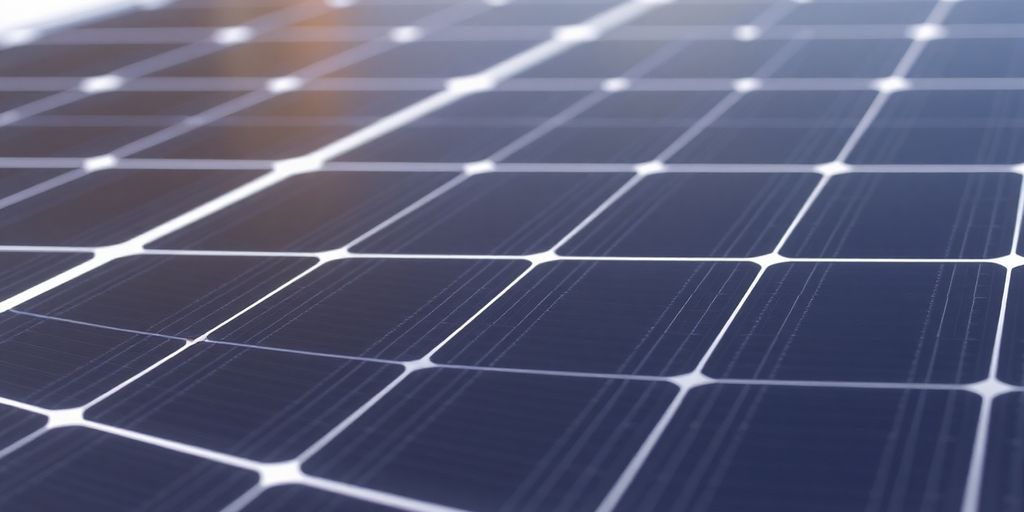
When you’re trying to spot N-Type solar panels, there are a few visual clues to keep in mind. N-Type panels often have a darker, more uniform appearance compared to P-Type panels. This is because of the high-purity silicon used in their construction. The cells themselves might appear smoother and more polished, which can make them look sleeker when installed on rooftops. If you’re examining the panels closely, N-Type cells usually have a consistent dark blue or black color, which is a hallmark of their design.
Labeling and Certifications
Labels and certifications are another way to identify N-Type solar panels. Most manufacturers will clearly label their products, so check for specifications that mention ‘N-Type’ technology. Certifications like IEC and UL can also provide assurance of quality and performance, and these labels often include details about the cell type. Look for terms like ‘high efficiency’ or ‘low degradation,’ which are commonly associated with N-Type panels.
Common Brands and Models
Several well-known brands produce N-Type solar panels. Some of the leading names in the industry include SunPower, LG, and Panasonic. These companies are known for their innovative solar panels that often incorporate N-Type technology to maximize efficiency and lifespan. Models like the SunPower Maxeon series or LG’s Neon panels are examples of N-Type panels that are popular among homeowners looking for premium options.
Choosing the right solar panel is not just about efficiency; it’s about finding the right match for your home’s needs and aesthetics. N-Type panels offer a sleek look and robust performance, making them a top choice for many.
Installation Considerations for N-Type Solar Panels
Space Requirements
When planning for solar panel installations, space is a major factor to consider. N-Type solar panels, known for their higher efficiency, can produce more energy in a smaller area compared to P-Type panels. This is a huge advantage if your roof space is limited. However, it’s still crucial to measure your available space accurately and ensure that the panels can be installed without obstructions like chimneys or skylights.
Compatibility with Existing Systems
Before jumping into installation, check if your current solar setup can accommodate N-Type panels. These panels often work well with modern inverters and mounting systems, but older systems might need upgrades. Consult with a solar professional to assess if your existing infrastructure can handle the switch to N-Type panels without requiring significant modifications.
Installation Costs
N-Type solar panels tend to be pricier upfront than their P-Type counterparts, primarily due to their manufacturing process and material quality. This means installation costs can be higher, too. But remember, the initial investment might pay off in the long run through higher energy output and durability. Consider getting quotes from multiple installers to find the best deal, and don’t forget to factor in potential savings on your energy bills.
Evaluating the Performance of N-Type Solar Panels
Efficiency Ratings
When it comes to efficiency, N-type solar panels are top contenders. These panels boast an impressive efficiency rate of up to 25.7%, outperforming their P-type counterparts, which typically max out at around 23.6%. This higher efficiency means N-type panels can generate more electricity from the same amount of sunlight, making them ideal for homes with limited roof space.
Performance in Different Climates
N-type panels shine in diverse climate conditions. They maintain stable performance even in high temperatures and partial shading. This resilience is partly due to their resistance to light-induced degradation, a common issue with P-type panels. So, whether you live in a sunny desert or a cloudy region, N-type panels are designed to deliver consistent energy output.
Long-Term Energy Output
Over the long haul, N-type solar panels promise robust energy production. Thanks to their construction, these panels experience less performance decline over time. Unlike P-type panels, which can lose up to 10% efficiency due to oxygen exposure, N-type panels remain steadfast. This durability translates to a longer lifespan and better return on investment, ensuring that your solar setup continues to meet your energy needs for years to come.
Considering their efficiency and durability, N-type solar panels present a compelling option for homeowners looking to invest in reliable and long-lasting solar technology. They may cost more upfront, but the long-term benefits often outweigh the initial expense.
Making the Decision: Is N-Type Right for You?
Assessing Your Energy Needs
Before jumping into the solar world, think about your energy habits. Are you a heavy user, running multiple appliances all day? Or do you just need to power a few essentials? N-Type solar panels shine for high energy demands because they convert more sunlight into electricity. If your home buzzes with activity and gadgets, these panels might be the way to go.
Budget Considerations
Let’s talk money. N-Type panels pack a punch in efficiency but come with a heftier price tag. If you’re on a tight budget, P-Type panels might look more appealing. They’re easier on the wallet initially, but remember, N-Type panels might save you more in the long run by cutting down those electricity bills. It’s all about balancing upfront costs with future savings. Here’s a quick comparison:
| Type | Initial Cost | Efficiency | Long-term Savings |
|---|---|---|---|
| N-Type | High | 25.7% | High |
| P-Type | Lower | 23.6% | Moderate |
Environmental Impact
Going green is a huge perk of solar panels. N-Type panels, with their longer lifespan and efficiency, reduce waste and make better use of resources over time. If sustainability is your thing, they’re a solid choice. But hey, any solar panel is a step in the right direction for the planet.
Choosing between N-Type and P-Type panels isn’t just about the numbers. It’s about what fits your lifestyle and values. Whether it’s a short-term budget fix or a long-term eco-friendly investment, there’s a panel out there for you.
In the end, consider your priorities. Is it cost, energy efficiency, or environmental benefits? Solar panels offer long-term savings and energy independence, but weigh those against your current needs and future goals. Whatever you choose, you’re making a positive impact.
Conclusion
Alright, so there you have it! Picking the right solar panels for your home isn’t just about grabbing the first ones you see. It’s all about weighing the pros and cons of N-type and P-type panels. N-type panels might cost a bit more upfront, but they last longer and are more efficient. On the other hand, P-type panels are easier on the wallet and still do a pretty good job. Think about your budget, how much space you have, and what your energy needs are. Hopefully, this guide has made things a bit clearer for you. Remember, going solar is a big step, but it’s a great way to save money and help the planet. Good luck with your solar journey!
Frequently Asked Questions
What exactly are N-Type solar panels?
N-Type solar panels are made using silicon that’s charged with phosphorus, which makes them more efficient and longer-lasting than some other types.
How do N-Type panels differ from P-Type panels?
N-Type panels are generally more efficient and have a longer lifespan than P-Type panels, but they also tend to be more expensive.
Are N-Type solar panels more expensive than other types?
Yes, N-Type solar panels usually cost more because they are made with higher-quality materials and advanced technology.
What benefits do N-Type solar panels offer?
N-Type panels are highly efficient, last longer, and are not affected by light-induced degradation, making them a great long-term investment.
Can I use N-Type panels with my current solar setup?
Yes, N-Type panels can often be integrated with existing solar systems, but it’s always best to check with a professional installer.
Which brands make N-Type solar panels?
Some popular brands that produce N-Type solar panels include LG, Panasonic, and SunPower, known for their quality and efficiency.