

Thinking about going solar? It’s a big step, and picking the right installer can make all the difference. With so many options out there, it’s easy to feel overwhelmed. But don’t worry, we’ve got you covered. This guide will help you figure out what to look for, from checking credentials to understanding warranties. By the end, you’ll be ready to make an informed decision and start your solar journey with confidence.
Key Takeaways
- Check the experience and reputation of the installer. A seasoned installer with good reviews is likely to do a better job.
- Make sure they have the right licenses and certifications, like NABCEP. This shows they know their stuff.
- Look at the quality of the solar panels and inverters they offer. Not all equipment is created equal.
- Get multiple quotes to compare prices and services. This helps you find the best deal without compromising quality.
- Read reviews and testimonials. Past customer experiences can give you a good idea of what to expect.
Understanding the Importance of Choosing the Right Solar Installer
Why Experience Matters in Solar Installation
When it comes to solar installation, experience is a game-changer. You want someone who’s been around the block a few times, not a rookie. Installers with years under their belt know the ins and outs, like dealing with tricky roofs or unexpected weather changes. Experience often translates to fewer hiccups and a smoother installation process. Plus, seasoned pros are more likely to have a portfolio of past projects you can check out, giving you peace of mind.
The Role of Reputation in Selecting an Installer
Reputation is everything in the solar business. It’s like a badge of trust. Before you sign on the dotted line, do some digging. Look up reviews on Google, Yelp, and other platforms. A company with a solid reputation is more likely to stand by their work and provide good customer service. If you see a pattern of positive feedback, that’s a good sign. But if there are red flags, like unresolved complaints, you might want to steer clear.
How Local Knowledge Can Benefit Your Solar Project
Local knowledge can be a huge asset. Installers familiar with your area will have a handle on local laws, permits, and utility company requirements. This means they can navigate the paperwork and processes more efficiently, saving you time and hassle. They might also know about regional weather patterns that could affect your solar panels’ performance. Choosing someone with local expertise can make your solar journey a lot smoother.
Evaluating Solar Installer Credentials and Certifications
Choosing the right solar installer is like picking the right mechanic for your car. You want someone reliable, knowledgeable, and certified. Let’s dive into what you should look for when evaluating solar installer credentials and certifications.
The Significance of Licensing and Certifications
When you’re picking a solar installer, licenses and certifications are non-negotiable. They prove that the installer knows their stuff and can handle the job safely. Look for licenses like general contracting or electrician licenses. These ensure your installer is legally allowed to work on your home’s wiring and electrical systems. Certifications from organizations like NABCEP are a gold standard in the industry, showing that the installer has met national standards for solar installation.
Verifying Insurance and Liability Coverage
Insurance is your safety net. Make sure your installer has general liability insurance. This protects you if something goes wrong during installation. Workers’ compensation insurance is also crucial. It covers any injuries that might happen to workers on your property. Don’t just take their word for it—ask to see proof of insurance.
The Importance of NABCEP Certification
NABCEP certification is like a badge of honor in the solar world. It means the installer has gone through rigorous testing and has a solid understanding of solar technology. Installers with this certification are often more experienced and reliable. It’s a good idea to prioritize those who have it when making your decision.
Choosing a solar installer with the right credentials and certifications is crucial. It ensures that your solar project is in good hands and that you’re protected from any potential mishaps. Take the time to verify these credentials before signing any contracts.
Assessing the Quality of Solar Products and Services
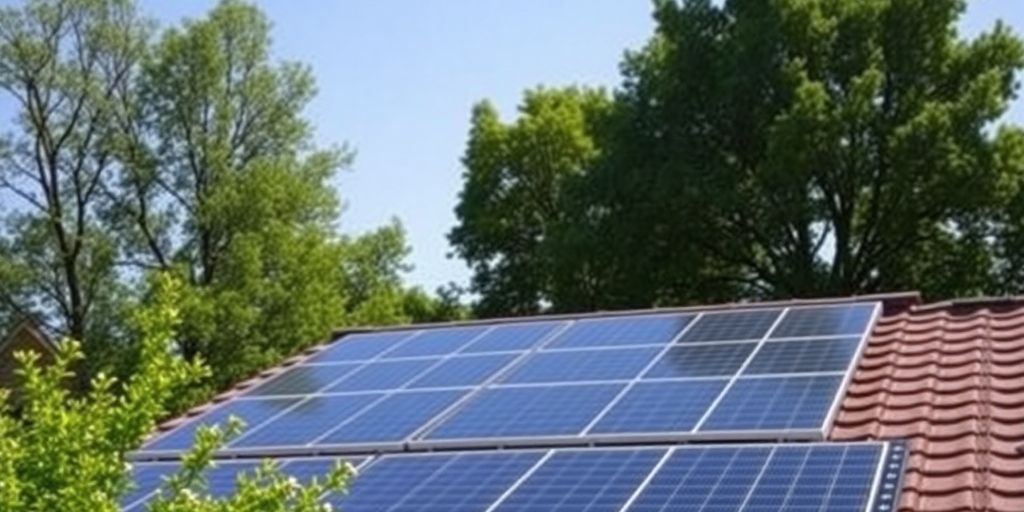
Understanding Solar Panel and Inverter Quality
When you’re diving into solar energy, the quality of the solar panels and inverters is a big deal. High-quality components can make your system last longer and work better. Ask your installer about the brands they use—some names are just more trusted than others. You might want to do a bit of homework on these brands to see if they have a good track record. If you skimp on this part, you might find yourself dealing with performance issues down the road.
The Role of Customized Solutions in Solar Installation
Not every home is the same, and your solar setup shouldn’t be either. A good installer will look at your energy needs, roof shape, and even local weather to tailor a system just for you. Be cautious of companies that throw a generic solution at you without a proper assessment. A tailored approach not only maximizes efficiency but can also save you money in the long run.
Evaluating Warranty and After-Sales Support
Warranties are your safety net. They cover you if something goes wrong, so you want to make sure they’re solid. Check what the warranty covers—panels, inverters, and installation work should all be on the list. Also, find out how long the warranty lasts and what kind of support you’ll get after the sale. Some companies might promise the moon but disappear when you need them. It’s worth checking reviews or speaking to past customers to see how they handle issues.
When you’re picking solar products and services, think of it like buying a car. You wouldn’t just look at the price tag; you’d check the brand, the warranty, and how it fits your needs. Solar’s no different. Make sure you’re getting something that works for you and will last the distance.
Navigating the Financial Aspects of Solar Installation
Choosing the right solar installer isn’t just about finding someone who can slap panels on your roof. It’s also about understanding the financial side of things. Let’s break down some key points.
Comparing Quotes from Multiple Installers
Don’t just grab the first quote that lands in your lap. Get multiple quotes from different installers. This not only gives you a feel for the average cost but also lets you see what each company offers in terms of products and services. Look beyond the bottom line; consider the quality of materials and the reputation of the installer.
Exploring Financing Options for Solar Projects
Solar systems can be a big investment, but the good news is there are financing options out there. Some installers offer payment plans or financing packages that can ease the burden. Check if there are any incentives or rebates available in your area. This can significantly reduce the upfront cost and make solar power more accessible.
Understanding Transparent Pricing Structures
When you’re looking at quotes, make sure they’re detailed. A transparent pricing structure should include everything from equipment and installation to permits and any extra fees. Watch out for low-ball offers; they might mean corners are being cut somewhere. A clear, detailed quote helps avoid surprises down the road.
It’s not just about finding the cheapest option. You want a deal that makes sense for your budget and ensures a quality installation. A little research now can save headaches later.
By taking the time to understand these financial aspects, you’ll be in a better position to make a smart decision for your home. Remember, going solar is not just about saving money—it’s about investing in a sustainable future.
Avoiding Common Pitfalls When Choosing a Solar Installer
Recognizing High-Pressure Sales Tactics
When you’re on the hunt for a solar installer, one of the first red flags is the use of high-pressure sales tactics. A reputable installer will never rush you into making a decision. Instead, they should provide all the necessary information and allow you time to consider your options. If you feel pressured or rushed, it might be time to walk away.
Identifying Warning Signs of Unreliable Installers
It’s crucial to be aware of the warning signs that might indicate an unreliable installer. Here are some things to watch out for:
- Financial Instability: If a company shows signs of financial trouble, like declining sales or slow growth, it could affect their ability to complete your project.
- Negative Reviews: Regularly check customer feedback. A pattern of unresolved issues or poor communication can be a red flag.
- Rushed Evaluations: A good installer will take time to assess your home properly. Rushing this process might mean they’re cutting corners.
The Importance of Reading Reviews and Testimonials
Before committing to a solar installer, take the time to read reviews and testimonials. Don’t just rely on one source; check platforms like Google, Yelp, and the Better Business Bureau. Look for how the company responds to criticism. A lack of response or defensive replies can be telling.
Reading reviews is like having a sneak peek into others’ experiences. It can save you from potential headaches and ensure you choose a company that truly values its customers.
For a positive solar experience, make sure to ask your solar advisor the right questions during your consultation. This step is essential to avoid common pitfalls and ensure you’re making an informed decision.
The Role of Customer Service in Solar Installation
Why Communication is Key in Solar Projects
Communication can make or break your solar installation experience. From the moment you start thinking about going solar, clear and open lines of communication with your installer are vital. A good installer will keep you informed every step of the way, from the initial consultation to the final inspection. They should be ready to answer questions and address your concerns promptly. A lack of communication can lead to misunderstandings and delays, which nobody wants.
Assessing Responsiveness and Support
When you’re choosing a solar installer, pay attention to how responsive they are. Do they get back to you quickly, or are you left waiting for days? Good customer service means being available and helpful when you need them. You should feel like a priority, not an afterthought. If an installer is hard to reach before you’ve even signed a contract, that’s a red flag.
Building a Strong Relationship with Your Installer
A solid relationship with your solar installer can lead to a smoother installation process and better results. Think of it as a partnership. You’re both working towards the same goal: getting your solar system up and running perfectly. Trust and mutual respect go a long way. If you feel comfortable asking questions and your installer is happy to provide answers, you’re on the right track. This relationship can also be beneficial if you need support or maintenance in the future.
Good customer service is like having a reliable friend during your solar journey. They guide you, answer your questions, and ensure everything goes smoothly. Choosing an installer with excellent customer service is just as important as their technical skills.
Preparing for Your Solar Installation Journey
Steps to Take Before Signing a Contract
Before you dive into the world of solar energy, there are a few key steps to consider to ensure a smooth start. First, conduct thorough research on potential installers. Check their credentials, read reviews, and make sure they have the necessary certifications. It’s also wise to get multiple quotes to compare pricing and services. This helps you understand the market and ensures you’re getting a fair deal.
- Research potential installers
- Verify certifications and credentials
- Obtain multiple quotes for comparison
What to Expect During the Installation Process
Once you’ve chosen your installer, it’s time to prepare for the installation process. Typically, the installer will handle permits and inspections, but it’s good to stay informed about the timeline and any potential disruptions. Communication is key here, so maintain an open line with your installer to address any concerns promptly.
- Permits and inspections managed by the installer
- Stay informed about the timeline
- Keep communication open with your installer
Ensuring a Smooth Transition to Solar Energy
After installation, there are a few more steps to ensure everything runs smoothly. Make sure all components are tested and functioning as expected. Your installer should provide guidance on maintenance and monitoring your system’s performance. This is also a good time to review any warranties and understand the support offered by your installer.
- Test and verify system components
- Learn about maintenance and monitoring
- Review warranties and support options
Transitioning to solar energy is a significant step towards sustainability and reducing energy costs. By taking the right preparatory steps, you can ensure a hassle-free experience and enjoy the benefits of solar energy for years to come.
For a comprehensive guide on setting up your solar panel system, you might want to check out this step-by-step guide which offers insights and DIY tips for harnessing clean energy.
Conclusion
Choosing the right solar installer for your home is a big deal. It’s not just about slapping some panels on your roof and calling it a day. You want someone who knows their stuff, understands your local area, and isn’t just trying to make a quick buck. Take your time to do the homework—read reviews, ask questions, and get a few quotes. It’s worth the effort to find an installer you can trust. In the end, a good installer will not only set you up with a solid solar system but also give you peace of mind knowing you’ve made a smart investment for your home and the planet. So, don’t rush it. Make sure you pick someone who’ll be there for the long haul.
Frequently Asked Questions
Why is it important to choose the right solar installer?
Picking the right solar installer is key because they make sure your solar panels are set up correctly and safely. A good installer will also help you save money by making your system work better and last longer.
What should I look for in a solar installer’s experience?
Look for installers who have done many solar projects before. Experienced installers know how to handle different situations and challenges, making sure your solar system works great.
How can I tell if a solar installer is trustworthy?
Check online reviews and ask for references from past customers. A trustworthy installer will have good reviews and be happy to provide references. Avoid those with bad reviews or no reviews at all.
Why is local knowledge important for a solar installer?
An installer with local knowledge understands the rules and weather in your area. They can handle permits and paperwork more easily, making the installation process smoother.
What are some warning signs of unreliable solar installers?
Watch out for installers who pressure you to make quick decisions or avoid giving clear answers to your questions. Also, be cautious if they offer prices that seem too good to be true.
How can I compare quotes from different solar installers?
Get quotes from several installers and compare what they offer. Look at the total cost, what’s included, and the quality of the products they use. This helps you choose the best option for your needs.