

There are two main types of solar cells: N-type and P-type. The fundamental difference lies in the way the semiconductor material is “doped” or treated to create an electric field. N-type cells have an excess of electrons, while P-type cells have a deficit of electrons, creating oppositely charged regions that allow the flow of electricity when exposed to sunlight. Both types have unique characteristics that impact their performance and suitability for different applications and climates.
This article explores how temperature impacts the efficiency of solar panels.
Key Takeaways
- Solar panel efficiency is affected by various factors, including temperature.
- N-type cells generally perform better in high temperatures than P-type cells.
- Cooling techniques can help improve solar panel efficiency.
- Real-world studies show how temperature impacts the performance of different cell types.
- Future technologies aim to enhance solar panel efficiency and temperature management.
What is Solar Panel Efficiency
Solar panel efficiency measures how well a solar panel converts sunlight into usable electricity. Higher efficiency means more power from the same amount of sunlight.
Temperature Effects on Solar Cell Efficiency

One of the key factors impacting solar cell performance is temperature. As operating temperatures rise, the efficiency of solar cells decreases. This drop in efficiency is quantified by the temperature coefficient, which represents the percentage decrease in power output for every degree Celsius increase in temperature.
N-type solar cells have a lower temperature coefficient compared to conventional P-type cells. According to a study by the National Renewable Energy Laboratory (NREL) here, the temperature coefficient for a typical polycrystalline P-type cell is around -0.45%/°C. In contrast, N-type cells can have temperature coefficients as low as -0.35%/°C or even better.
This means that in hot climates where panel temperatures can reach 50°C or higher, N-type solar cells will maintain higher efficiencies and produce more electricity compared to P-type panels of the same rated power. The difference in energy yield can be significant, especially in regions with long summers and high temperatures.
Importance of Efficiency in Solar Panels
Efficiency is crucial for several reasons:
- Space Saving: More efficient panels require less space for the same power output.
- Cost-Effectiveness: Higher efficiency can lead to lower overall costs in the long run.
- Energy Production: Efficient panels produce more energy, which is beneficial for both users and the environment.
Understanding solar panel efficiency helps in making informed decisions about solar energy systems.
N-type vs P-type in Hot Climates
One of the key advantages of N-type solar cells is their superior performance in hot climates compared to traditional P-type cells. As temperatures rise, all solar cells experience a drop in efficiency, but N-type cells are less affected due to their lower temperature coefficient.
According to hjtpv.com, a typical P-type solar module may have a temperature coefficient of around -0.5%/°C, meaning its power output decreases by 0.5% for every 1°C increase in operating temperature. In contrast, N-type cells can have temperature coefficients as low as -0.26%/°C, nearly half that of P-type.
This translates to a significant efficiency advantage in warm regions. For example, at an operating temperature of 65°C (common in hot deserts), an N-type module could produce up to 10% more power than a comparable P-type module. The higher heat tolerance of N-type cells allows them to maintain higher energy yields, especially in hot climates.
N-type vs P-type in Cool Climates
In cooler climates, P-type solar cells have a slight advantage over N-type cells in terms of efficiency. This is because P-type cells have a higher temperature coefficient, meaning their efficiency decreases less rapidly as temperatures drop. According to SolarMagazine.com, P-type cells can maintain higher efficiencies in colder weather, making them a better choice for regions with cooler average temperatures.
However, it’s important to note that the difference in performance between the two cell types in cool climates is relatively small. N-type cells still perform well in cooler temperatures, and their higher overall efficiency can offset some of the advantages P-type cells have in cooler weather. Additionally, N-type cells have other benefits, such as better low-light performance and longer lifespan, which may make them a more attractive option for some homeowners and businesses, even in cooler regions.
Key Differences Between N-type and P-type Cells
The main differences between N-type and P-type cells can be summarized in the following table:
| Feature | N-type Cells | P-type Cells |
|---|---|---|
| Charge Carrier Type | Electrons | Holes |
| Efficiency | Higher | Lower |
| Temperature Coefficient | Better | Worse |
| Cost | Higher | Lower |
In summary, while both N-type and P-type solar cells have their advantages, N-type cells often outperform P-type cells in terms of efficiency and temperature resilience.
Comparative Analysis of Temperature Effects
To better understand the impact of temperature on both types of cells, here’s a quick comparison:
| Type of Cell | Efficiency Drop at High Temperatures |
|---|---|
| N-type | 10% |
| P-type | 20% |
- Key Points:
- N-type cells perform better in heat.
- P-type cells lose efficiency faster.
- Temperature management is crucial for both types.
Managing temperature is essential for maximizing solar panel efficiency. Keeping panels cool can lead to better energy production.
Thermal Management in Solar Panels
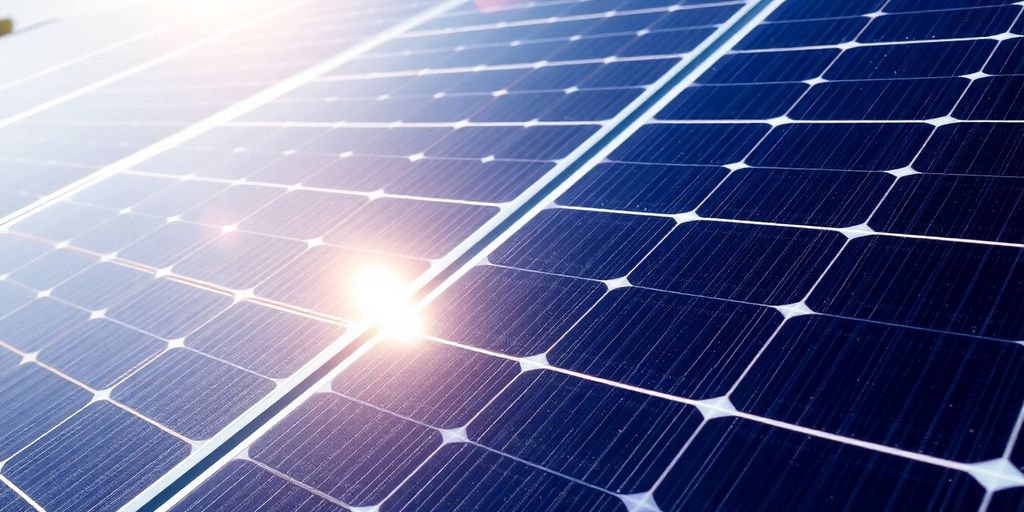
Cooling Techniques for Solar Panels
To keep solar panels working well, it’s important to manage their temperature. Here are some common cooling methods:
- Air Cooling: Using fans or natural wind to cool the panels.
- Water Cooling: Spraying water on the panels to lower their temperature.
- Heat Sinks: Adding materials that absorb heat to help cool the panels.
Materials Used for Thermal Management
Different materials can help manage heat in solar panels. Some of these include:
- Aluminum: Lightweight and good at conducting heat.
- Copper: Excellent for heat transfer but heavier.
- Thermal Insulation: Materials that keep heat from escaping or entering the panels.
Innovative Solutions for Temperature Control
New ideas are being developed to help control the temperature of solar panels. Some of these include:
- Phase Change Materials: Substances that absorb heat when they melt, helping to keep panels cool.
- Reflective Coatings: Special paints that reflect sunlight, reducing heat absorption.
- Smart Sensors: Devices that monitor temperature and adjust cooling methods automatically.
Managing the temperature of solar panels is crucial for maintaining their efficiency and lifespan. Effective thermal management can lead to better energy production and lower costs.
Case Studies and Real-world Applications
Field Performance of N-type Cells
N-type solar cells have shown impressive results in various real-world settings. In many cases, they outperform P-type cells, especially in high-temperature environments. Here are some key points:
- Higher efficiency in hot climates.
- Better performance in shaded conditions.
- Longer lifespan due to reduced light-induced degradation.
Field Performance of P-type Cells
P-type cells are still widely used and have their own strengths. They are known for:
- Lower initial costs compared to N-type cells.
- Good performance in moderate temperatures.
- Established technology with a vast installation base.
Comparative Case Studies
A comparison of N-type and P-type cells in different environments reveals interesting insights. Below is a summary table:
| Environment | N-type Efficiency (%) | P-type Efficiency (%) |
|---|---|---|
| Hot Climate | 22 | 18 |
| Moderate Climate | 20 | 19 |
| Shaded Conditions | 21 | 16 |
In conclusion, both N-type and P-type cells have their unique advantages, and the choice often depends on specific conditions and budget constraints.
Practical Tips for Maximizing Efficiency
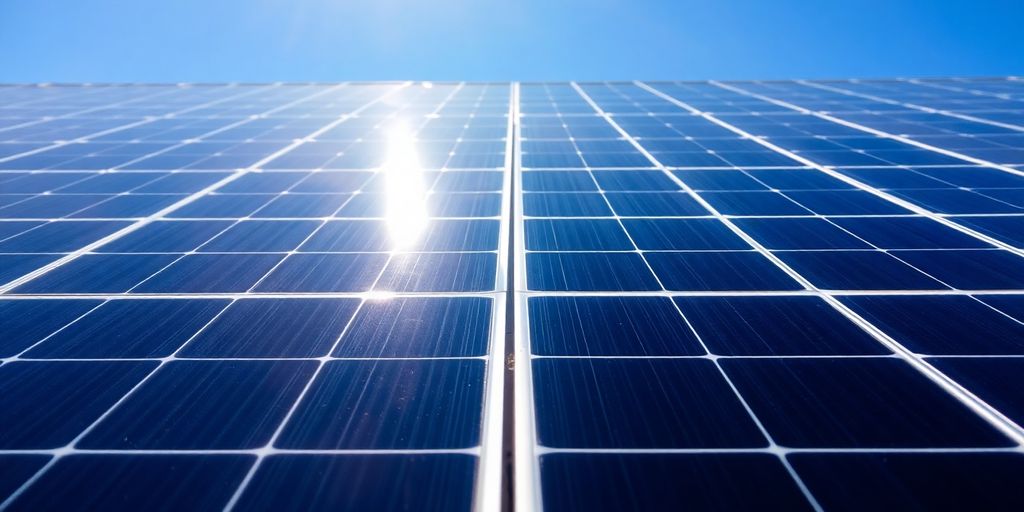
Installation Best Practices
- Choose the right location: Install solar panels in a spot that gets plenty of sunlight throughout the day.
- Angle matters: Set the panels at an angle that captures the most sunlight, usually around 30 degrees.
- Avoid shading: Make sure trees or buildings don’t block the sun from reaching your panels.
Maintenance Tips for Optimal Performance
- Regular cleaning: Dust and dirt can block sunlight, so clean your panels every few months.
- Check for damage: Look for cracks or loose connections that could affect performance.
- Monitor performance: Use a monitoring system to keep track of how well your panels are working.
Choosing the Right Type of Solar Cell
- Consider your needs: N-type cells are often more efficient in high temperatures, while P-type cells are usually cheaper.
- Look at warranties: Check the warranty period for different types of cells to ensure long-term performance.
- Research local conditions: Understand the climate in your area to choose the best type of solar cell for your situation.
Keeping your solar panels in top shape is essential for getting the most energy from them. Regular checks and proper installation can make a big difference in how well they work.
Conclusion
In summary, temperature plays a big role in how well solar panels work. We found that N-type cells usually perform better in high heat compared to P-type cells. This means that if you live in a hot area, N-type solar panels might be a smarter choice for you. However, both types of panels have their own strengths and weaknesses. It’s important to think about your specific needs and the climate where you live when choosing solar panels. Overall, understanding how temperature affects these panels can help you make a better decision for your energy needs.