

Solar panels are changing the way we think about energy. They’re not just a cool tech gadget; they’re a big deal for energy security. As we look for ways to keep the lights on without relying on fossil fuels, solar panels offer a promising path. This guide breaks down how solar panels work, their benefits, and how they’re shaping energy policies worldwide.
Key Takeaways
- Solar panels help cut down our reliance on fossil fuels, making energy more secure.
- They allow for more localized energy production, which can prevent large-scale outages.
- Solar energy can lower electricity bills for homes and businesses, making it economical.
- Technological advances in solar panels and storage solutions are making them more efficient.
- Global policies are increasingly supporting solar energy, impacting energy markets and geopolitics.
Understanding the Basics of Solar Panels
The Science Behind Solar Energy Conversion
At the heart of solar panels is a fascinating process called the photovoltaic effect. When sunlight hits the solar cells, which are typically made from silicon, it sets off a chain reaction. Photons, or particles of light, energize electrons, knocking them loose from their atomic bonds. This movement of electrons generates an electric current. It’s a bit like billiards, where a cue ball (photon) strikes another ball (electron), sending it rolling across the table. This current is direct current (DC), which is then transformed by an inverter into alternating current (AC) to power our homes and gadgets.
Types of Solar Panels and Their Efficiency
Solar panels come in a few different flavors, each with its own perks and quirks:
- Monocrystalline Panels: These are made from a single, pure crystal of silicon. They’re sleek, efficient, and space-saving, often preferred for their ability to convert more sunlight into electricity.
- Polycrystalline Panels: Formed from many silicon crystals, these are less efficient than their monocrystalline cousins but are easier on the wallet. They have a distinctive blue hue and are a solid choice for those watching their budget.
- Thin-Film Panels: Lightweight and flexible, these panels are made by layering photovoltaic material onto a substrate. They don’t pack the same punch in efficiency and need more space, but their flexibility can be a game-changer for certain applications.
Key Components of a Solar Panel System
A solar panel system isn’t just a bunch of panels slapped on a roof. It’s a symphony of components working together to capture and convert sunlight:
- Photovoltaic Cells: The building blocks of any solar panel, these cells are the workhorses that turn sunlight into electricity.
- Glass Cover: Think of this as the shield, protecting the delicate cells from the elements while letting the sun shine through.
- Frame: Usually made of aluminum, it provides the structure and stability, holding everything together.
- Backsheet: This layer guards against moisture and environmental wear, ensuring the panel’s longevity.
- Junction Box: Located at the back, it houses the electrical connections, channeling the generated electricity to the inverter.
Solar panels are more than just tech; they’re a step towards a cleaner, more sustainable future. By understanding their components and how they work, we can better appreciate their role in reshaping our energy landscape.
The Role of Solar Panels in Enhancing Energy Security
Reducing Dependence on Fossil Fuels
Solar panels are game-changers when it comes to cutting down on fossil fuel use. They tap into the sun’s energy, which is free and abundant, reducing the need for oil, coal, and gas. This shift is not just about going green; it’s about securing a steady, local energy source. By relying more on solar, countries can promote energy independence and shield themselves from the volatile global fossil fuel market.
Decentralizing Energy Production
Solar panels are popping up everywhere—rooftops, fields, and even parking lots. This spread-out energy production means power is generated closer to where it’s used, slashing transmission losses. Plus, if one system goes down, others can pick up the slack, making the whole grid more reliable. It’s like having a backup plan that kicks in when you need it most.
Increasing Resilience Against Energy Disruptions
Imagine a storm knocks out the power grid. With solar panels, especially those paired with battery storage, homes and businesses can keep the lights on. These setups store extra energy for use when the sun isn’t shining or during outages. They act like a safety net, providing power when the grid can’t. This resilience is crucial during natural disasters or unexpected blackouts.
Solar energy isn’t just a clean alternative; it’s a strategic move towards a more stable and secure energy future. By embracing solar technology, we not only protect the environment but also build a more resilient energy system that can withstand the challenges of the modern world.
Economic and Environmental Benefits of Solar Panels
Lowering Energy Costs for Households and Businesses
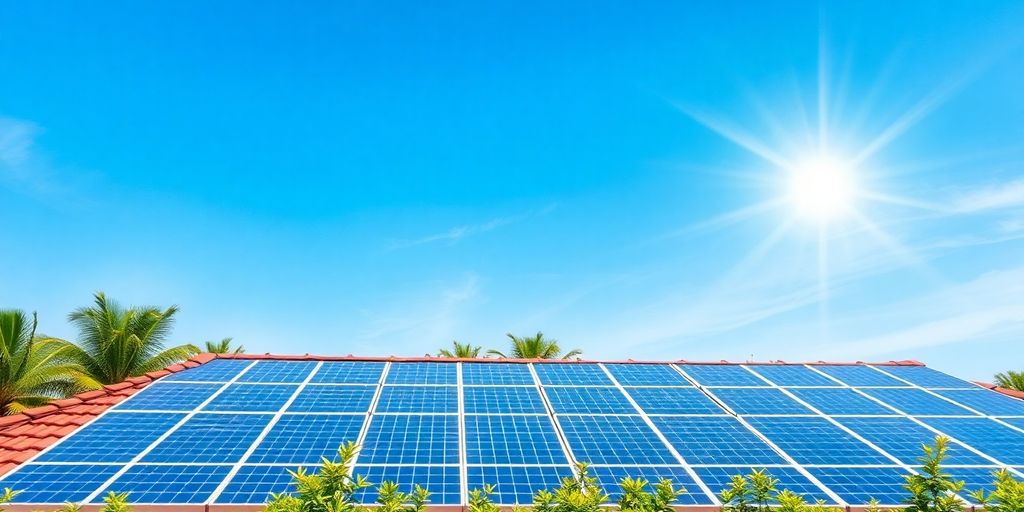
Switching to solar panels can be a game changer for your wallet. Imagine slashing those hefty energy bills by generating your own electricity. Homes and businesses that install solar panels often see a noticeable dip in their energy expenses. Some even get credits for extra power they send back to the grid. Plus, governments are sweetening the deal with tax breaks and rebates, making solar more affordable.
Reducing Carbon Footprint and Environmental Impact
Solar panels are a big win for the planet. They reduce carbon emissions by tapping into the sun’s clean, renewable energy, which means less reliance on fossil fuels. When you go solar, you’re not just saving money; you’re also doing your part to cut down on greenhouse gases. It’s a sustainable choice that helps keep our environment healthier.
Boosting Property Values and Market Appeal
Got solar panels? Your property value might just get a boost. Homes and businesses with solar setups are more attractive on the market. People love the idea of lower energy costs and sustainable living. It’s a selling point that can make your place stand out. So, not only do you save on bills, but you also add value to your property.
Making the switch to solar is like hitting two birds with one stone: you save money and help the planet. It’s a smart move for anyone looking to cut costs and go green.
Technological Advancements in Solar Energy
Innovations in Energy Storage Solutions
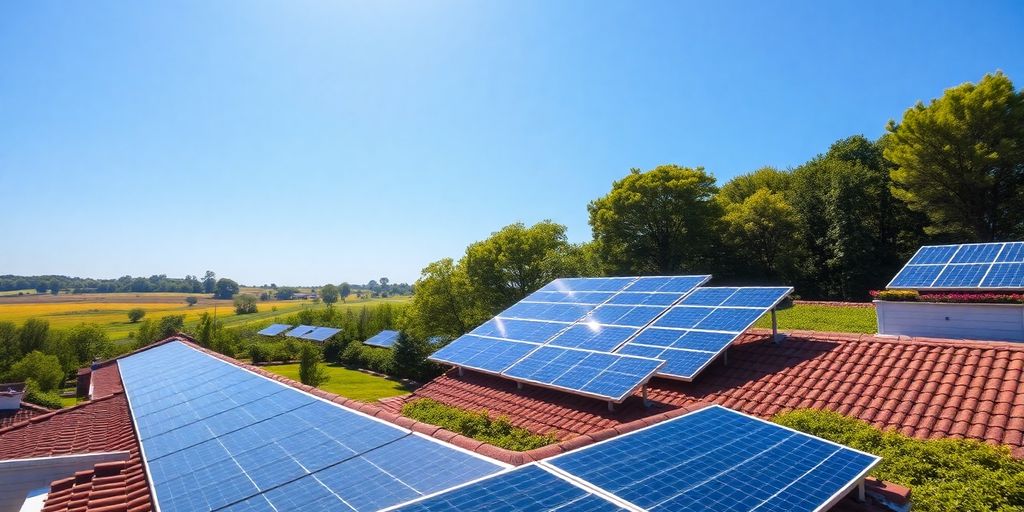
Energy storage is a big deal when it comes to solar power. The sun doesn’t shine all the time, so figuring out how to store energy for cloudy days and nights is crucial. Lithium-ion batteries are leading the charge here, literally. They’re getting better and cheaper, making it easier to keep solar energy available whenever you need it. Plus, with smart energy management systems, you can optimize how and when to use stored energy.
Integration of Smart Grids and AI
Smart grids are like the brains of the energy world. They use advanced sensors and data analytics to manage energy flow efficiently. This means solar power can be smoothly integrated into the existing energy infrastructure without causing disruptions. And with the help of Artificial Intelligence (AI), these grids can predict energy generation patterns and tweak consumption for optimal efficiency.
The Rise of Bifacial Solar Panels
Bifacial solar panels are a game-changer. Unlike traditional panels that only capture sunlight from one side, these panels can absorb light from both sides, boosting energy production. They’re especially effective in areas with reflective surfaces like snow or sand. This innovation maximizes the amount of sunlight converted into electricity, making solar energy even more competitive with fossil fuels.
As solar technology keeps evolving, it’s clear that these advancements are pushing the boundaries of what’s possible. From smarter grids to more efficient panels, the future of solar energy looks bright and promising.
Solar Energy in National and Global Policies
Incorporating Solar Power in National Energy Strategies
Countries around the world are weaving solar energy into their national energy strategies. This isn’t just about going green; it’s about securing a reliable and sustainable energy future. Solar power, with its renewable nature, offers a way to cut back on the heavy reliance on fossil fuels. For instance, the Energy Independence and Security Act in the U.S. is a major step towards this goal, pushing for more renewable energy and better efficiency in how we use energy. By doing so, nations aim to build a more self-sufficient energy landscape, reducing the need for imported fuels and increasing energy resilience.
International Collaborations for Renewable Energy
On the global stage, solar energy is driving new partnerships and collaborations. Countries are working together to advance solar technology and share resources. This cooperation is crucial for meeting international climate goals and reducing carbon footprints. Such collaborations not only bolster energy security but also promote technological innovation and economic growth. As solar technology advances, these international efforts are likely to become even more significant, paving the way for a cleaner and more interconnected world.
Impact on Global Energy Markets and Geopolitics
Solar energy is reshaping global energy markets and geopolitical relations. As more countries adopt solar, the demand for traditional fossil fuels is decreasing, altering the economic dynamics for oil-rich nations. This shift is prompting these countries to diversify their economies and explore new revenue streams. Moreover, nations with abundant sunlight are gaining a strategic advantage, enhancing their energy security and reducing vulnerability to international energy disputes. The race for solar technology dominance is also heating up, with countries vying for leadership in solar innovation and manufacturing, which could redefine global power structures.
Implementing Solar Solutions in Residential and Commercial Settings
Choosing the Right Solar Panel System
Picking the right solar panel system can feel like a big decision, but it doesn’t have to be overwhelming. First, understand your energy needs. Whether it’s for a home or a business, knowing how much power you use helps determine the size of the system you’ll need. Look at your past energy bills to get a clear picture.
Next, consider the layout and orientation of your roof. South-facing roofs are ideal, but with today’s technology, various orientations can still work well. Also, think about your budget. There are financing options and government incentives that can make solar more affordable. Lastly, check out the warranties and maintenance plans offered by different manufacturers. A good warranty can save you headaches down the line.
Navigating Permits and Installation Processes
Installing solar panels isn’t just about slapping them on the roof. There are permits to get and regulations to follow. Start by checking local laws and building codes. Some areas have specific rules about solar installations. It’s a good idea to work with a professional who knows the ropes. They can help streamline the process and ensure everything’s done by the book.
Once you have the permits, the actual installation can begin. This usually involves mounting the panels, connecting them to the inverter, and setting up the monitoring system. A skilled installer will make sure everything’s working correctly and safely.
Maximizing Efficiency and Energy Savings
To get the most out of your solar panels, focus on efficiency. Keep the panels clean and free of debris. Regular maintenance checks can help spot issues early. Consider adding a battery storage system to store excess energy for later use. This can be especially useful during peak usage times or when the sun isn’t shining.
Also, think about your energy habits. Simple changes, like using energy-intensive appliances during the day when your panels are producing the most power, can lead to savings. Over time, these small adjustments can make a big difference in your energy bills.
Investing in solar power is not just about saving money; it’s about contributing to a sustainable future. Every panel installed is a step towards reducing our reliance on fossil fuels and embracing renewable energy.
Wrapping It Up: Solar Panels and Energy Security
So, there you have it. Solar panels aren’t just about cutting down on your electric bill or being kind to the planet. They’re a big piece of the puzzle when it comes to energy security. By tapping into the sun’s power, we’re not just getting clean energy; we’re also making sure we have a steady and reliable source of power. This means less worry about energy shortages or price hikes. Plus, as more folks and countries jump on the solar bandwagon, we’re moving towards a future that’s not just sustainable but also more independent. It’s a win-win. So, whether you’re thinking about getting solar panels for your home or just curious about how they fit into the bigger picture, remember: solar power is lighting the way to a more secure energy future.
Frequently Asked Questions
What are solar panels and how do they work?
Solar panels are devices that convert sunlight into electricity. They are made up of many solar cells, which use sunlight to create an electric current.
Why are solar panels important for energy security?
Solar panels help reduce reliance on fossil fuels, making energy supply more stable and less vulnerable to disruptions.
What are the environmental benefits of using solar panels?
Solar panels produce clean energy, which means they don’t release harmful emissions into the air, helping to reduce pollution and combat climate change.
Can solar panels save me money on my electricity bill?
Yes, by generating your own electricity, you can lower your monthly bills. Sometimes, you can even sell extra power back to the grid.
What types of solar panels are available?
There are several types, including monocrystalline, polycrystalline, and thin-film solar panels, each with different efficiency levels and costs.
How do I choose the right solar panel system for my home?
Consider factors like your energy needs, roof space, budget, and available sunlight. It’s also a good idea to consult with a solar energy expert.