

Ever wondered how much juice a solar panel can really crank out? Well, you’re in the right place. Solar panels are popping up on rooftops everywhere, and folks are curious about their energy potential. On average, a single solar panel can generate about 2 kWh of electricity each day. But, there’s more to the story. Factors like sunlight, panel type, and even the direction your roof faces can change the game. Stick around, and we’ll break down the nitty-gritty of solar energy production.
Key Takeaways
- A typical solar panel produces around 2 kWh of energy daily.
- Factors like sunlight, panel type, and roof direction affect energy output.
- Most homes use multiple panels to meet their energy needs.
- Solar panels’ efficiency can decrease over time due to aging.
- Weather conditions can significantly impact solar energy production.
Understanding Solar Panel Energy Production
Daily Energy Output
Solar panels are quite fascinating in how they work. On a daily basis, the energy a solar panel can churn out depends a lot on the sunlight it gets. Typically, a standard residential solar panel might produce between 1.5 to 2 kilowatt-hours (kWh) each day. But remember, this is under ideal conditions. Factors like cloud cover or shading can drop this number.
Monthly Energy Output
When you look at a month, the numbers start adding up. An average solar panel might generate around 30 to 60 kWh in a month. This is based on consistent sunlight and minimal shading. Of course, if you’re in a sunnier region, you might see numbers on the higher end of that range.
Annual Energy Output
Over a year, a single solar panel can produce about 300 to 730 kWh. This wide range accounts for seasonal changes and varying sunlight hours. In places with more sunshine, like Arizona, expect to be closer to the top of that range. Conversely, in cloudier areas, you might be nearer the lower end.
Solar panels offer a renewable way to generate electricity, but their output is closely tied to environmental conditions. Consistent maintenance and optimal placement can help maximize their efficiency.
Key Factors Influencing Energy Production
Sunlight Availability
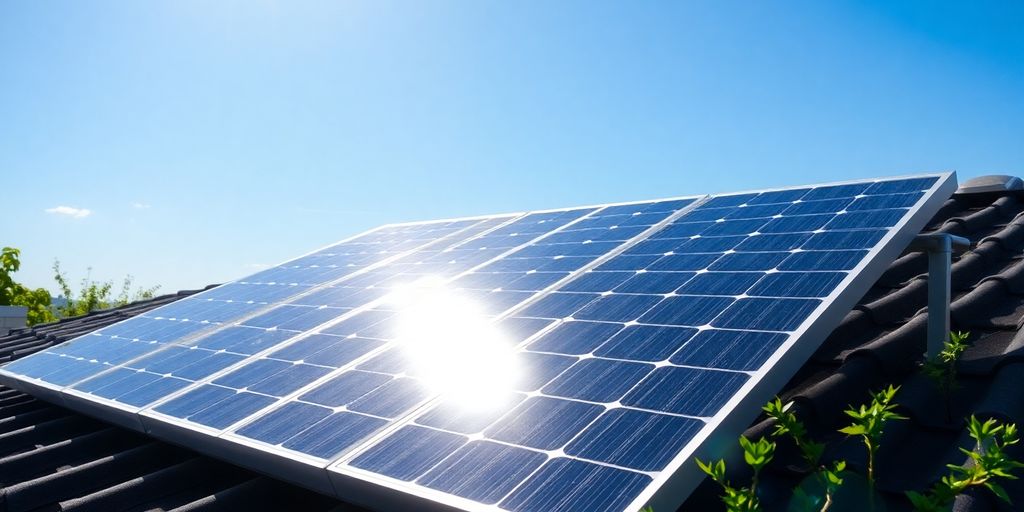
The amount of sunlight your solar panels receive is a big deal. More sunlight equals more energy. Makes sense, right? If you live in a sunny spot, your panels will work better than if you’re in a cloudy area. Think about it: places like Arizona have way more sunshine than, say, Seattle. So, your location really matters.
Panel Characteristics
Not all solar panels are created equal. Some are more efficient than others. You’ve got different types like monocrystalline, polycrystalline, and thin-film. Each has its pros and cons. Monocrystalline panels are usually more efficient but cost more. Polycrystalline panels are cheaper but not as efficient. And thin-film? They’re flexible and lightweight but need more space.
Roof Orientation
Where you place your panels on your roof can make a huge difference. Ideally, they should face south to get the most sun throughout the day. But don’t worry if your roof doesn’t face south. East or west can still work, just not as efficiently. And avoid shading from trees or buildings; even a little shade can reduce energy output significantly.
Solar energy production is all about making the most of what you’ve got. Whether it’s the sunniest spot in your yard or the best type of panel for your budget, every little bit helps in maximizing your energy output.
Calculating Energy Production Estimates
Power Output of Panels
When it comes to solar panels, the power output is a big deal. Most residential panels have a power rating between 370 to 415 watts. This number is what the panel can produce under ideal conditions. But remember, those conditions aren’t always what you get on your roof. Lab tests don’t account for things like clouds, dust, or even the angle of your roof. So, while the power rating gives you a baseline, real-world output can be a bit different.
Peak Sunlight Hours
The amount of energy your panels produce is heavily influenced by peak sunlight hours. This is the time when sunlight is strong enough to be useful for solar power. In sunny places like California, you might get around 5 to 6 peak hours a day. But in cloudier regions, it might be less. To estimate daily energy output, multiply your panel’s power rating by the number of peak sunlight hours. For example, a 400-watt panel in an area with 5 peak sunlight hours would produce about 2,000 watt-hours or 2 kWh daily.
Energy Loss Considerations
Not all the energy your solar panels capture gets used. There’s always some loss when converting solar energy to electricity for your home. This loss can be due to the efficiency of the inverter, wiring, or even the angle of the panels. Typically, you might lose about 2-5% of the energy in this conversion process. So, if your panels are supposed to produce 2 kWh, you might actually get around 1.9 kWh. Keep this in mind when calculating how much energy you’ll actually have available.
Real-World Energy Production Scenarios
Single Panel Performance
When it comes to individual solar panels, their energy production can vary based on several factors, like location and weather. On average, a single solar panel can generate between 250 to 400 watts of power per hour under optimal conditions. This means that over the course of a sunny day, one panel might produce anywhere from 1 to 2 kilowatt-hours (kWh) of electricity. However, this can fluctuate based on cloud cover, shading, and the angle of sunlight.
Multiple Panel Systems
Installing a system of multiple solar panels can significantly increase energy output. For a typical household, a solar array might include anywhere from 20 to 30 panels, depending on the energy needs and available roof space. This setup can produce anywhere from 5,000 to 10,000 kWh annually, which might cover most, if not all, of a household’s electricity consumption. Here’s a quick breakdown:
| Number of Panels | Estimated Annual Output (kWh) |
|---|---|
| 10 | 2,500 |
| 20 | 5,000 |
| 30 | 7,500 |
| 40 | 10,000 |
Energy Needs for Households
Households have different energy requirements, and solar panel systems can be tailored to meet these needs. For instance, a small home with energy-efficient appliances might only need 5,000 kWh per year, while a larger home with a swimming pool might require upwards of 15,000 kWh. To determine the right system size, consider:
- Current energy usage: Check past utility bills to gauge average monthly and yearly consumption.
- Future needs: Plan for any expected increases in energy usage, like electric vehicles or home expansions.
- Energy efficiency improvements: Consider upgrading to energy-efficient appliances or adding insulation to reduce overall consumption.
With solar panels, homeowners can significantly reduce their reliance on the grid, especially during peak sunlight hours. This not only cuts down on electricity bills but also contributes to a more sustainable energy future.
The Impact of Weather on Solar Energy
Cloud Cover Effects
Cloudy days can put a damper on solar energy production. Solar panels still work in cloudy weather, just not as efficiently as on clear days. Think of it like your mood on a gloomy day – not quite as peppy. On average, expect a 10-25% dip in energy production when clouds roll in. But don’t worry, panels are pretty good at soaking up whatever light they can get, even if it’s not direct sunlight.
Seasonal Variations
Seasons change, and so does solar energy output. During the summer, longer days and a higher sun angle mean more energy. Winter, with its shorter days and lower sun angle, naturally means less. It’s like how you feel more energetic in the summer – the sun’s out longer, so there’s more time to get things done. In contrast, winter’s shorter days mean solar panels have less time to generate energy.
Temperature Influence
You might think that hotter days mean more solar energy, but that’s not always the case. Solar panels actually perform better in cooler temperatures. When it’s too hot, panels can overheat and become less efficient, kind of like how you slow down when it’s scorching outside. So, while sunny days are great, too much heat isn’t always ideal for solar energy production.
Weather plays a significant role in solar energy production. While sunny days maximize output, clouds, seasons, and temperature shifts can all influence how much energy you get from your panels. Understanding these factors can help you manage expectations and plan your energy use more effectively.
Long-Term Energy Production Considerations
Panel Age and Degradation
Solar panels, like most things, don’t last forever. As they age, their ability to generate power slowly decreases. Typically, solar panels degrade at a rate of about 0.5% per year. So, after 25 years, a panel might operate at around 85% of its original capacity. This gradual decline is normal and expected. It’s similar to how your old laptop doesn’t run as smoothly as it did when it was new. But don’t worry, even at reduced efficiency, panels can still provide significant energy savings.
Maintenance Requirements
While solar panels are generally low maintenance, they do require some attention to keep them running optimally. Here are a few maintenance tips:
- Regular Cleaning: Dust, leaves, and bird droppings can block sunlight, reducing efficiency. Cleaning your panels a few times a year can help maintain their performance.
- Inspection for Damage: Check for cracks or other damage, especially after severe weather. Damaged panels can lead to reduced energy output.
- Monitoring System Performance: Use monitoring systems to track energy production. Sudden drops in output may indicate a problem that needs addressing.
Technological Advancements
The solar industry is always evolving, with new technologies constantly emerging. These advancements can lead to more efficient and durable panels. For example:
- Improved Efficiency: New materials and designs can increase the amount of sunlight converted into electricity.
- Better Durability: Innovations in panel construction can make them more resistant to weather and wear.
- Integration with Smart Systems: Modern panels can be integrated into smart home systems, allowing for better energy management.
Investing in solar technology is not just about the panels you install today, but also about staying informed on future advancements that can enhance your system’s performance over time.
Comparing Different Solar Panel Types
Monocrystalline vs. Polycrystalline
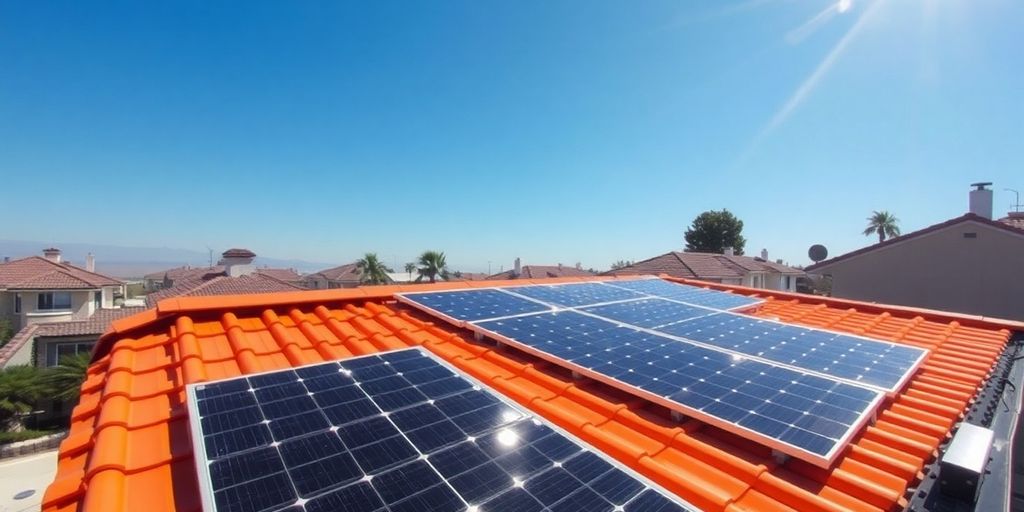
When you’re choosing solar panels, the two main types you’ll come across are monocrystalline and polycrystalline. Monocrystalline panels are known for their high efficiency and sleek appearance. They’re made from a single crystal structure, which allows them to convert sunlight into electricity more effectively. This makes them a great choice if space is limited and you need maximum output.
On the other hand, polycrystalline panels are made from multiple silicon crystals. They’re generally less efficient than monocrystalline panels, but they’re also more affordable. If you have plenty of roof space and are on a budget, polycrystalline panels might be the way to go.
Here’s a quick comparison:
| Type | Efficiency | Cost | Space Requirement |
|---|---|---|---|
| Monocrystalline | High | Higher | Less |
| Polycrystalline | Moderate | Lower | More |
Thin-Film Technology
Thin-film solar panels are another option, though they’re less common for residential use. These panels are made by placing one or more thin layers of photovoltaic material onto a substrate. They’re lightweight and flexible, which makes them ideal for unconventional surfaces and portable applications.
However, thin-film panels generally have lower efficiency compared to crystalline panels. They can be a good fit for large-scale installations where space isn’t a constraint, or for unique applications like solar backpacks or building-integrated photovoltaics.
Efficiency Ratings
Efficiency ratings are crucial when comparing solar panels. This rating tells you how much sunlight the panel can convert into usable electricity. Most residential panels have efficiency ratings between 15% and 22%.
- Monocrystalline panels: Usually at the higher end of the efficiency spectrum, often exceeding 20%.
- Polycrystalline panels: Typically range from 15% to 17% efficiency.
- Thin-film panels: Generally lower, around 10% to 12%.
Choosing the right type of solar panel depends on your specific needs, budget, and space constraints. While monocrystalline panels offer higher efficiency, polycrystalline panels provide a cost-effective solution, and thin-film panels offer versatility for unique applications.
Conclusion
In wrapping up, it’s clear that solar panels offer a practical way to generate electricity for your home. On average, a single panel can produce about 2 kWh of energy daily, which might not seem like much, but when you install a bunch of them, it really adds up. Most folks go for around 15 panels, which can pretty much cover the energy needs of a typical household. Of course, how much energy you actually get depends on a few things like how much sun your roof gets, the type of panels you choose, and even how old they are. But even with these variables, solar panels are a solid investment for cutting down on electricity bills and doing a bit of good for the planet. So, if you’re thinking about going solar, it might just be worth the plunge.