

Thinking about solar panels for your business? It’s a smart move! Commercial solar panels can really crank out the energy, but how much exactly? In this article, we’ll break down the basics. From understanding what affects their output to figuring out how many panels you might need, we’ve got you covered. So, let’s dive into the world of commercial solar panels and see how they can power your business.
Key Takeaways
- Commercial solar panels can generate between 250 to 600 watts per panel, depending on size and efficiency.
- A typical 50 kW solar system, with about 125 panels, can produce 6,000 to 9,000 kWh per month.
- Factors like location, panel orientation, and shading impact energy production.
- Using software tools can help in accurately projecting the energy output for your business.
- Investing in commercial solar panels can lead to significant cost savings and environmental benefits.
Understanding Commercial Solar Panel Energy Production
Key Factors Influencing Energy Output
A bunch of things can mess with how much juice a solar panel kicks out. First up, the size of the panel is a biggie. Bigger panels often mean more power, plain and simple. Then there’s efficiency. Not all panels are created equal, and some just do a better job converting sunlight into electricity. The type of solar cells used, like monocrystalline or polycrystalline, can also make a difference. Oh, and don’t forget about where you plop those panels. More sunlight hours means more energy, obviously. Temperature plays a role too; panels can lose efficiency if they get too hot.
Typical Energy Output of Commercial Solar Panels
So, how much can these bad boys actually produce? Commercial solar panels generally churn out between 250 to 600 watts each. In a perfect world, with sunshine all day long, a single 400-watt panel might give you 2 to 3 kWh daily. If you’re thinking monthly, you’re looking at about 60 to 90 kWh per panel. Now, if you slap together a whole system, say a 50 kW setup, you could be generating anywhere from 6,000 to 9,000 kWh a month. That’s enough to power a small business, no sweat.
Comparing Commercial and Residential Solar Panels
Commercial panels are like the big siblings to residential ones. They’re larger, which means they’ve got more cells and can produce more power. This makes them a bit more efficient — about 2% more than residential panels. The materials and tech used can vary, impacting efficiency and output. Factors like local weather and daylight hours can affect both types, but commercial panels are built to handle bigger loads and more demanding environments. In short, if you’ve got the space and need the power, commercial panels are the way to go.
Commercial solar panels pack a punch in terms of energy output, making them a smart choice for businesses looking to cut down on energy costs and go green.
Maximizing Energy Efficiency with Commercial Solar Panels
Importance of Panel Placement and Orientation
Getting the most out of your commercial solar panels starts with where and how you place them. Proper placement and orientation can significantly boost energy production. Ideally, panels should face true south in the Northern Hemisphere and true north in the Southern Hemisphere. This orientation maximizes sun exposure throughout the day. Additionally, the tilt angle of the panels should be adjusted based on your latitude to optimize the amount of sunlight hitting the panels. Consideration of local obstructions and potential shading from trees or buildings is also crucial. A solar installer can help determine the best setup for your specific location.
Role of Temperature and Climate
Temperature and climate play a big role in how well your solar panels perform. Interestingly, solar panels work more efficiently in cooler temperatures. Excessive heat can actually decrease their efficiency. That’s why it’s important to consider the local climate when planning a solar installation. For example, panels in cooler, sunny environments will generally produce more energy than those in hotter climates. Regular monitoring and maintenance can help ensure that panels are operating efficiently despite temperature fluctuations.
Impact of Shading and Obstructions
Shading is a major concern when it comes to solar panel efficiency. Even a small amount of shade can drastically reduce the energy output of a solar panel. Trees, buildings, or chimneys can cast shadows that impact performance. Therefore, it’s essential to keep panels free from obstructions. Regular trimming of nearby trees and careful planning during installation can help mitigate these issues. Some systems also come with technology that allows panels to work independently, minimizing the impact of shading on the entire array.
Maximizing the efficiency of your solar panels isn’t just about the technology itself; it’s about smart planning and regular upkeep. Real-time monitoring can enhance energy efficiency by optimizing usage patterns, as suggested by a study published in Renewable Energy.
Calculating Energy Needs for Your Business
Assessing Your Business’s Energy Consumption
Before jumping into solar, you gotta know how much juice your business actually needs. Start by reviewing past electricity bills to see your average monthly usage. This gives you a baseline. Next, think about any future changes, like expansion plans or new equipment, that might bump up your energy needs. Understanding your current and future energy consumption is crucial for sizing your solar system right.
Using Software for Accurate Energy Projections
Once you have a handle on your energy use, it’s time to get techy. Specialized software can analyze historical solar data and consider factors like your roof’s angle and the type of panels you might use. This helps in predicting how much energy a solar system could generate annually. You can also input your business’s location, available area, and current energy consumption into the solar calculator to get a personalized report. These tools can be super handy in giving a clear picture of potential solar benefits.
Determining the Number of Panels Required
Figuring out how many panels you need isn’t rocket science, but it does need a bit of math. Here’s a simple formula to get you started:
Energy Output (kWh) = Number of Panels × Panel Rating (kW) × Sunlight Hours per Day
For example, if you have 100 panels, each rated at 400 watts, and your area gets about 5 sunlight hours daily, you’d be looking at around 200 kWh per day. But remember, this is just a rough estimate. Factors like shading, orientation, and climate can tweak these numbers. So, a detailed assessment is always a good idea.
"Getting the right number of panels is key to maximizing your solar investment. Too few, and you won’t meet your energy needs. Too many, and you’re overspending. Balance is everything."
Technological Advances in Commercial Solar Panels
Improvements in Solar Panel Efficiency
Solar panels have come a long way since their inception. In the past, they were only about 6% efficient. Now, commercial solar panels can reach efficiencies of over 22%. This improvement means they can convert more sunlight into electricity, making them more effective for businesses. Researchers are pushing the boundaries, aiming for even higher efficiency rates. For instance, some lab tests have shown possibilities of reaching up to 47% efficiency using advanced techniques like multilayering and multijunction cells. However, these are not yet commercially available.
Integration with Energy Storage Solutions
A big step forward for commercial solar panels is their integration with energy storage systems. By pairing solar panels with batteries, businesses can store excess energy for use when the sun isn’t shining. This helps reduce reliance on the grid and can lead to significant cost savings. Energy storage solutions are becoming more advanced, with better capacity and longer lifespans, making them a smart investment for many businesses.
Future Trends in Solar Technology
The future of solar technology looks promising, with several trends set to change how businesses use solar power:
- Better Solar Panels: Ongoing research is making solar panels more efficient, allowing them to produce more electricity from the same amount of sunlight.
- Energy Storage Integration: As mentioned, combining solar panels with storage solutions offers more flexibility and savings.
- Grid-Tied Systems: These systems allow businesses to feed excess energy back to the grid, maximizing the benefits of solar power.
As solar technology continues to evolve, businesses will find it easier and more cost-effective to meet their energy needs sustainably. With ongoing advancements, the future is bright for commercial solar energy.
Financial and Environmental Benefits of Commercial Solar Panels
Cost Savings and Return on Investment
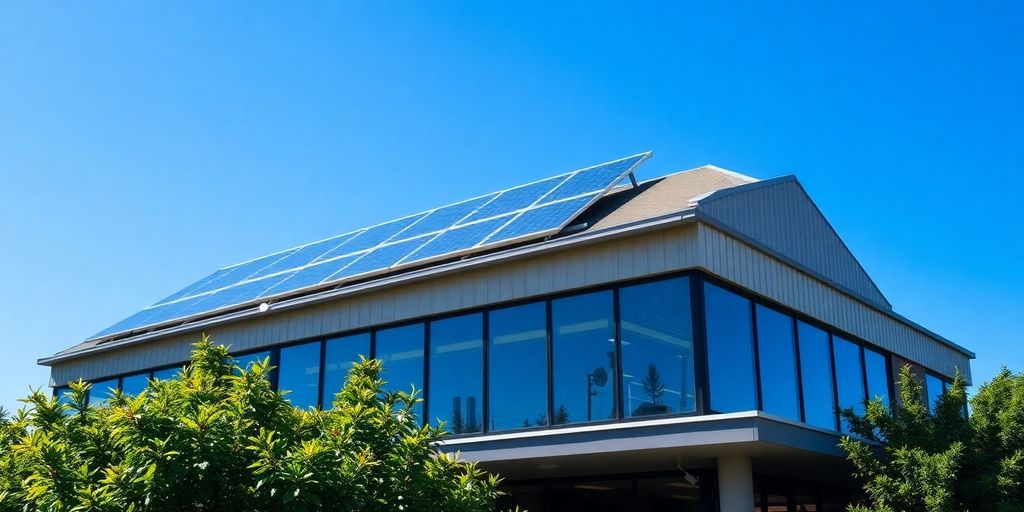
Investing in commercial solar panels can lead to significant cost savings over time. Solar energy can cut your electricity bills by up to 75%, depending on the size of your system and how much energy your business uses. This reduction in energy costs frees up cash flow that can be reinvested into other areas of your business.
To calculate how long it takes for a solar panel system to pay for itself, you need to consider the initial cost minus any incentives, divided by the average monthly savings on your electricity bill. For instance, if your business installs a solar system for $500,000 and receives a 30% federal tax credit, saving $2,000 per month on electricity, the payback period would be around 9.5 years. After this period, the energy savings contribute directly to your bottom line.
Reducing Carbon Footprint
Switching to solar power not only saves money but also significantly reduces your business’s carbon footprint. By generating clean energy, your business can align with sustainability goals and demonstrate a commitment to environmental responsibility. This shift can enhance your company’s reputation and appeal to eco-conscious customers.
Government Incentives and Rebates
Many governments offer incentives to encourage businesses to adopt solar energy. These can include tax credits, grants, or rebates that help reduce the upfront costs of solar panel installation. Taking advantage of these programs can make the transition to solar more affordable and improve the overall return on investment.
The move to solar energy is not just about financial savings; it’s about making a positive impact on the planet. Embracing solar technology helps businesses contribute to a more sustainable future while enjoying the economic benefits of reduced energy expenses.
Switching to solar can significantly reduce your energy costs, provide tax savings, enhance property value, and demonstrate a commitment to environmental sustainability for businesses.
Choosing the Right Commercial Solar Panel System
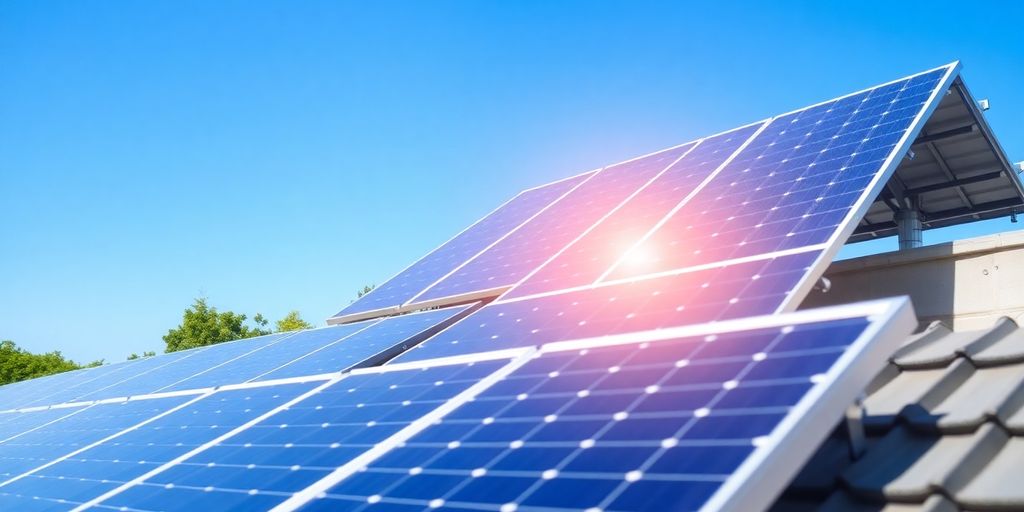
When it comes to selecting solar panels for your business, understanding the different types is key. Monocrystalline panels are known for their high efficiency and sleek appearance, making them a popular choice for businesses with limited roof space. Polycrystalline panels, on the other hand, are slightly less efficient but more cost-effective, ideal for larger installations. Thin-film panels offer flexibility and are perfect for unconventional roof shapes, though they typically have lower efficiency rates.
Understanding Power Ratings and Efficiency
The power output of solar panels is measured in watts, and this rating indicates the maximum electricity the panel can generate under ideal conditions. Most commercial panels range from 250W to 500W. Efficiency, often between 17% and 22%, reflects how much sunlight is converted into usable energy. Choosing panels with higher efficiency can be a smart investment for businesses looking to maximize energy production.
Selecting a Reliable Solar Provider
Choosing the right provider is crucial for a smooth solar panel installation process. Start by researching companies with a solid track record and good customer reviews. Ask about their experience with commercial installations and whether they offer comprehensive services from design to maintenance. It’s also wise to inquire about warranties and post-installation support, ensuring long-term reliability and performance.
Picking the right solar panel system isn’t just about the panels themselves; it’s about the whole package, including the provider and the installation. Take your time to research and choose wisely to ensure your business reaps the full benefits of solar energy.
Installation and Maintenance of Commercial Solar Panels
Steps in the Installation Process
Installing commercial solar panels involves several key steps to ensure everything runs smoothly:
- Site Assessment and Design: This is where experts evaluate your site’s potential for solar energy production. They consider factors like roof space, sun exposure, and any shading issues.
- Permitting and Approvals: Before any physical work begins, necessary permits must be obtained. This step can vary in length depending on local regulations.
- Installation: Once permits are in place, the actual installation begins. This involves mounting the panels, setting up inverters, and connecting the system to your electrical grid.
- Inspection and Commissioning: After installation, a thorough inspection ensures everything meets safety and performance standards. The system is then commissioned, meaning it’s ready to start generating energy.
Importance of Regular Maintenance
Regular maintenance is crucial to keeping your solar panels operating efficiently. Without proper upkeep, you risk reducing your system’s output and lifespan. Maintenance typically includes:
- Cleaning: Dust and debris can block sunlight, reducing efficiency. Panels should be cleaned regularly to maintain optimal performance.
- Inspections: Routine checks can catch issues like loose wires or damaged panels before they become serious problems.
- Repairs: Addressing minor issues promptly can prevent more costly repairs down the line.
Troubleshooting Common Issues
Even with the best maintenance, problems can arise. Here’s how to tackle some common issues:
- Underperformance: If your panels aren’t producing as expected, check for shading or dirt accumulation.
- Inverter Problems: The inverter is a critical component. If it fails, the whole system can stop working. Regular checks can help identify potential issues early.
- Wiring Issues: Loose or damaged wires can disrupt energy flow. Regular inspections can help prevent this.
Keeping your solar panels in top shape involves more than just installation. Commercial solar maintenance is an ongoing commitment that ensures your investment continues to pay off over time. Regular cleaning, inspections, and timely repairs are essential practices to enhance efficiency and prolong the lifespan of your solar panels.
Conclusion
So, there you have it. Commercial solar panels can really pack a punch when it comes to energy production for your business. They can generate a lot of power, which means big savings on your energy bills and a smaller carbon footprint. It’s all about understanding the factors that affect how much energy they produce, like location, panel type, and installation angle. As tech gets better and prices drop, more businesses are jumping on the solar bandwagon. It’s a smart move towards a greener future. So, if you’re thinking about it, now might be the perfect time to make the switch.
Frequently Asked Questions
How much energy can a commercial solar panel produce?
A commercial solar panel can typically produce between 250 watts and 600 watts, depending on its size and efficiency. This means a single panel can generate around 2 kWh to 3 kWh per day in optimal sunlight conditions.
Are commercial solar panels more efficient than residential ones?
Yes, commercial solar panels are generally more efficient than residential panels. They are larger and have more solar cells, which allows them to produce more power. Their efficiency is usually about 2% higher than residential panels.
What factors affect the energy output of commercial solar panels?
The energy output of commercial solar panels can be influenced by factors such as location, sunlight exposure, panel orientation, temperature, and any shading from nearby objects.
How can I calculate the number of solar panels my business needs?
To calculate the number of solar panels needed, you should assess your business’s energy consumption, consider the average sunlight hours in your area, and the power rating of the panels you plan to use.
What are the financial benefits of installing commercial solar panels?
Installing commercial solar panels can lead to significant cost savings on energy bills, provide a good return on investment, and might qualify your business for government incentives and rebates.
What maintenance do commercial solar panels require?
Commercial solar panels require regular maintenance to ensure optimal performance. This includes cleaning the panels to remove dust and debris, checking for any damage, and ensuring that all connections and inverters are functioning properly.