

Solar energy is becoming a popular choice for producing clean power. Many people wonder how much electricity can be generated from an acre of solar panels and how many homes that could supply. This article will explore the factors that influence solar panel efficiency, energy production, and the overall impact of solar energy on homes and communities.
Key Takeaways
- An acre of solar panels can power about 37 to 38 homes each year.
- The amount of energy produced depends on factors like location and panel efficiency.
- Sunny areas generate more electricity than cloudy regions.
- Average energy use for a U.S. household is about 10.6 MWh per year.
- Solar farms offer economic and environmental benefits to communities.
Understanding Solar Panel Efficiency and Acreage
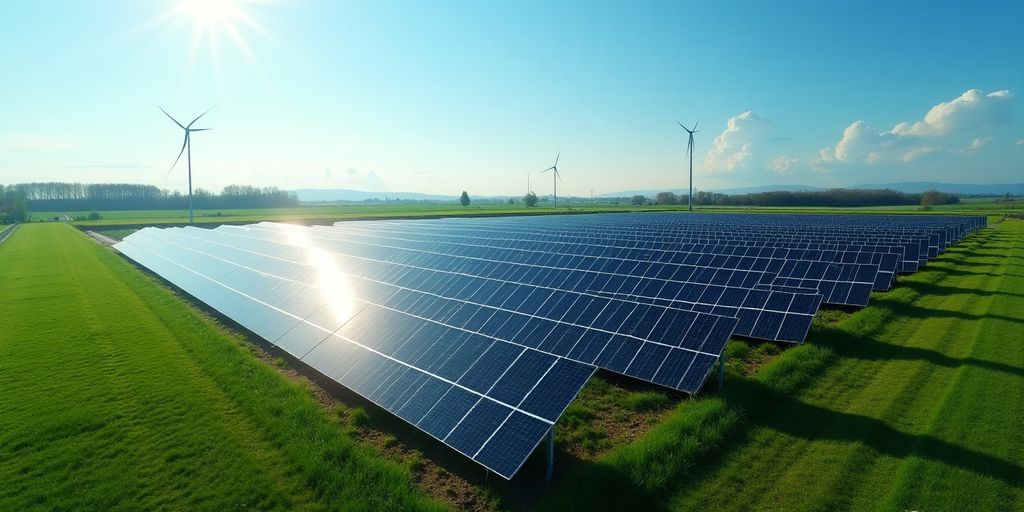
Factors Influencing Solar Panel Efficiency
Solar panel efficiency is affected by several key factors:
- Type of solar panel: Different technologies have varying efficiency rates.
- Installation angle: The tilt and orientation can impact how much sunlight the panels receive.
- Environmental conditions: Weather, shading, and temperature can all influence performance.
Average Efficiency Ratings for Solar Panels
Most solar panels today have efficiency ratings between 15% and 22%. This means that:
- 15% efficiency: Only 15% of sunlight is converted into electricity.
- 22% efficiency: Up to 22% of sunlight is converted into electricity.
| Efficiency Rating | Energy Conversion Rate |
|---|---|
| 15% | 15% of sunlight |
| 20% | 20% of sunlight |
| 22% | 22% of sunlight |
Impact of Efficiency on Energy Output
The efficiency of solar panels directly affects how much energy can be produced from an acre. For example:
- An acre can hold about 1,000 to 1,500 solar panels.
- Higher efficiency panels will generate more electricity in the same space.
In summary, the efficiency of solar panels is crucial for maximizing energy production from an acre of land.
Understanding these factors helps in estimating how many homes can be powered by solar energy.
Energy Production from an Acre of Solar Panels
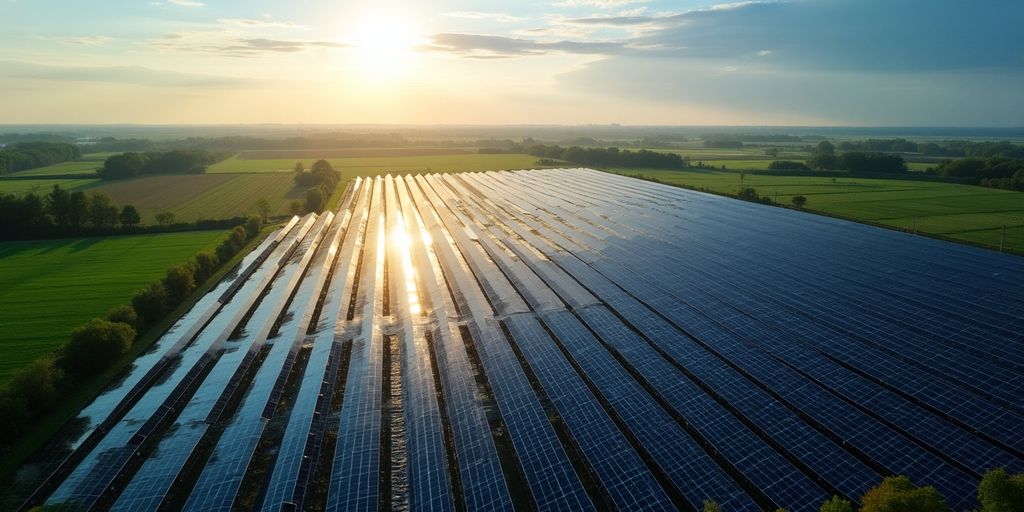
Calculating Energy Output per Acre
An acre of solar panels can produce a significant amount of electricity. On average, it generates about 400 megawatt-hours (MWh) of energy each year. This is enough to power many homes.
Comparing Energy Output Across Regions
The amount of energy produced can vary greatly depending on where the solar panels are located. For example:
- Sunny regions like California and Arizona produce more energy.
- Cloudy areas like the Pacific Northwest generate less energy.
- Seasonal changes also affect energy output, with summer months typically yielding more electricity.
Factors Affecting Energy Production
Several factors can influence how much energy an acre of solar panels can produce:
- Panel Efficiency: More efficient panels convert more sunlight into electricity.
- Sunlight Hours: The number of hours of direct sunlight impacts energy generation.
- Geographical Location: Different regions have varying climates that affect solar energy production.
An acre of solar panels can power approximately 37 homes annually, but this number can change based on local conditions and technology.
Determining the Number of Homes Powered by an Acre
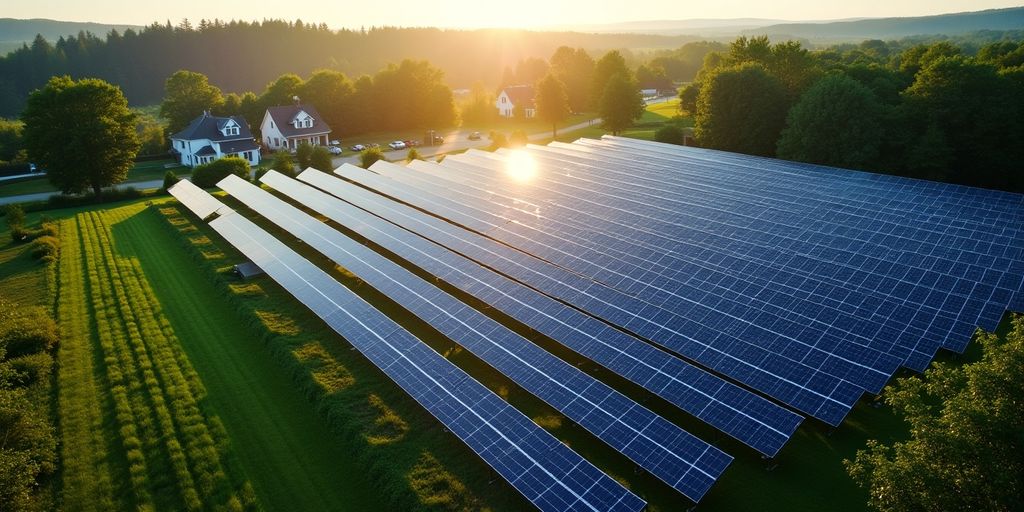
Average Household Energy Consumption
To understand how many homes can be powered by an acre of solar panels, we first need to know how much energy an average home uses. In the U.S., a typical household consumes about 10,600 kilowatt-hours (kWh) of electricity each year. This is roughly equivalent to 10.6 megawatt-hours (MWh).
Calculating Homes Powered per Acre
An acre of solar panels can produce around 400 megawatt-hours (MWh) of electricity annually. To find out how many homes this can supply, we can use the following calculation:
- Energy produced by an acre: 400 MWh
- Average energy consumption per home: 10.6 MWh
Using these numbers, we can calculate:
[ \text{Number of homes} = \frac{400 \text{ MWh}}{10.6 \text{ MWh}} \approx 37.7 \text{ homes} ]\
This means that one acre of solar panels can power about 37 to 38 homes each year under average conditions.
Regional Variations in Energy Supply
The number of homes that can be powered by an acre of solar panels can vary based on several factors:
- Geographical Location: Areas with more sunlight, like California and Arizona, will produce more energy than cloudier regions.
- Solar Panel Efficiency: More efficient panels can convert more sunlight into electricity, increasing the number of homes powered.
- Local Energy Needs: Regions with lower household energy consumption may be able to power more homes per acre.
The potential of solar energy is significant, and as technology improves, the efficiency of solar panels will likely increase, allowing even more homes to be powered by the same amount of land.
Installation and Design Considerations for Solar Farms
Optimal Panel Arrangement and Spacing
When setting up a solar farm, the way panels are arranged and spaced is crucial. Proper spacing helps to maximize sunlight exposure and reduce shading. Here are some key points to consider:
- Panels should be tilted at an angle to capture the most sunlight.
- Spacing between rows should allow for maintenance and prevent shading.
- The layout should consider the geographical features of the land.
Impact of Geographical Location
The location of a solar farm greatly affects its efficiency and energy output. Factors include:
- Sunlight availability: Areas with more sunny days produce more energy.
- Climate conditions: Weather patterns can influence energy generation.
- Proximity to power lines: Being close to existing infrastructure can reduce costs.
Technological Advancements in Solar Design
New technologies are constantly improving solar panel efficiency and energy production. Some advancements include:
- High-efficiency solar panels: These panels convert more sunlight into electricity.
- Tracking systems: These systems adjust the panels to follow the sun, increasing energy capture.
- Energy storage solutions: Storing excess energy for later use can enhance reliability and income.
In summary, careful planning and design of solar farms can lead to better energy production and economic benefits.
Economic Implications of Solar Farms
Cost of Setting Up a Solar Farm
Setting up a solar farm can be a big investment. Here are some key points to consider:
- Average cost: The cost can be around $1,060,000 per megawatt (MW) of installed capacity.
- Factors affecting cost: Location, size, and design of the solar farm can change the total cost.
- Labor and materials: Prices for labor and materials can vary by region, impacting overall expenses.
Potential Earnings from Solar Energy
The income from a solar farm can be quite promising. Here’s a breakdown:
- Annual income: An acre of solar panels can earn between $20,000 and $32,000 per year.
- Electricity sales: Selling electricity can bring in $12,000 to $24,000 annually, depending on market prices.
- Incentives: Government incentives can add significant value, such as tax credits and renewable energy credits (RECs).
| Income Source | Low Estimate | High Estimate |
|---|---|---|
| Electricity Sales | $12,000 | $24,000 |
| Renewable Energy Credits | $8,000 | $8,000 |
| Total Income | $20,000 | $32,000 |
Government Incentives and Subsidies
Government support can make solar farms more profitable. Here are some benefits:
- Tax credits: The federal Investment Tax Credit (ITC) offers a 30% tax credit on solar installations.
- Renewable Energy Credits (RECs): These can sell for $15 to $40 per megawatt-hour (MWh).
- State incentives: Many states have additional programs to support solar energy.
Investing in solar energy not only helps the environment but can also lead to significant financial returns for landowners and developers.
Environmental and Community Benefits of Solar Energy

Reducing Carbon Footprint
Solar energy is a clean source of power that helps lower greenhouse gas emissions. By using solar panels, we can significantly reduce our reliance on fossil fuels, which are major contributors to climate change.
Supporting Local Economies
- Job Creation: Solar farms create jobs in installation, maintenance, and management.
- Local Investments: Money spent on solar energy often stays within the community, boosting local businesses.
- Energy Independence: Communities can become less dependent on outside energy sources, enhancing local resilience.
Long-term Sustainability Benefits
- Renewable Resource: Solar energy is abundant and will not run out as long as the sun shines.
- Lower Energy Costs: Over time, solar energy can lead to reduced electricity bills for households.
- Health Benefits: By reducing air pollution, solar energy can lead to better health outcomes for communities.
Investing in solar energy not only benefits the environment but also strengthens local communities and economies.
Conclusion
In summary, an acre of solar panels can provide power for about 37 homes each year, based on average conditions. However, this number can change due to factors like where the panels are located, how efficient they are, and how well they are installed. As technology improves and solar panel prices keep dropping, solar energy is likely to become an even better option for homeowners looking to save on energy costs and help the environment.