

Ever wondered how fast a 220W solar panel works? It’s not about speed in the traditional sense but how efficiently it can convert sunlight into electricity. This article breaks down what you need to know about 220W solar panels, from their performance metrics to real-world applications. Whether you’re considering solar panels for your home or just curious, understanding these factors can help you make informed decisions.
Key Takeaways
- A 220W solar panel’s speed refers to its ability to generate electricity under optimal conditions, not how quickly it charges.
- Performance can vary based on location, sunlight intensity, and panel angle.
- Compared to lower wattage panels, a 220W panel offers a decent balance between cost and output, but requires more space than higher wattage options.
- Efficiency is key: Regular maintenance and correct positioning can enhance performance.
- Understanding solar panel metrics helps in planning energy needs and optimizing usage.
Understanding the Speed of a 220W Solar Panel
Defining Solar Panel Speed
When we talk about the "speed" of a 220W solar panel, we’re really discussing how quickly it can convert sunlight into electricity. The 220W rating means that under perfect conditions, the panel can produce 220 watts of power per hour. It’s like saying the panel has a top speed in terms of energy production. This isn’t about how fast it charges your phone or powers your home, but rather its potential output under ideal conditions.
Factors Influencing Speed
Several factors can influence how quickly a 220W solar panel can generate electricity:
- Sunlight Intensity: More sunlight equals more power. On cloudy days, your panel’s output might drop significantly.
- Temperature: Surprisingly, solar panels can be less efficient in very high temperatures.
- Panel Orientation: The angle and direction your panels face can impact how much sunlight they capture.
Comparing with Other Wattages
Comparing a 220W panel with other wattages helps you understand its place in the solar panel spectrum:
- 100W Panels: These produce less than half the power of a 220W panel, making them slower for charging or powering devices.
- 300W Panels: These can generate more power, potentially providing faster energy production, but they also might cost more and require more space.
For many, a 220W panel strikes a balance between efficiency and cost, offering a decent power output without the need for excessive space or investment.
Performance Metrics of 220W Solar Panels

Power Output Under Standard Conditions
When we talk about the power output of a 220W solar panel, we’re referring to its capacity to generate electricity under specific test conditions. These conditions include a solar irradiance of 1000 watts per square meter and a temperature of 25°C. Under these ideal settings, a 220W panel can produce 220 watt-hours (Wh) per hour. This is like the panel’s best-case scenario. However, in the real world, factors like cloud cover, shading, and dirt can reduce this output.
Efficiency Ratings
Efficiency is all about how well a solar panel converts sunlight into usable electricity. For a 220W solar panel, efficiency ratings typically hover around 15-20%. This means that only this percentage of the sunlight hitting the panel is converted into electricity. A higher efficiency rating means more electricity is generated in a smaller area, which is great if space is tight.
Real-World Performance
In real-world conditions, the performance of a 220W solar panel can vary widely. Factors such as geographic location, time of year, and even the angle of the panel all play a part. For instance, in a sunny area with about 5 peak sun hours per day, you might see around 1.1 kWh of energy produced daily. But if you’re in a less sunny spot, or if it’s winter, expect less. Keeping panels clean and unobstructed by shadows can help maximize their performance.
Understanding these metrics is key to getting the most out of your solar panels. They help predict how much energy you can expect and how many panels you might need for your energy goals.
Factors Affecting the Charging Speed of 220W Solar Panels
Sunlight Intensity and Duration
The charging speed of a 220W solar panel is heavily influenced by the intensity and duration of sunlight it receives. The more direct and prolonged the sunlight, the faster the solar panel can charge. On cloudy days or in areas with less sunlight, the charging speed can drop significantly. It’s essential to consider both the quality and quantity of sunlight, as both directly impact the panel’s ability to generate electricity efficiently.
Geographical Location
Where you live plays a big role in how well your solar panels perform. Panels installed closer to the equator generally receive more consistent sunlight throughout the year. In contrast, those located at higher latitudes might experience reduced charging speeds, especially during winter months when the sun’s path is lower in the sky. This geographical variance means that two identical panels could have very different outputs depending on their location.
Panel Efficiency
The efficiency of a solar panel refers to its ability to convert sunlight into usable electricity. Higher efficiency panels will generate more power in less time compared to less efficient ones. This means they can charge batteries faster and provide more energy for use. However, efficiency is not just about the panel itself; external factors like dust accumulation, shading from trees or buildings, and even high temperatures can reduce a panel’s efficiency, thereby affecting charging speed.
Remember, a 220W solar panel’s performance is not solely about its wattage. It’s a combination of location, sunlight, and efficiency that truly determines how well it can charge your devices.
Maximizing the Efficiency of 220W Solar Panels
Optimal Positioning and Angle
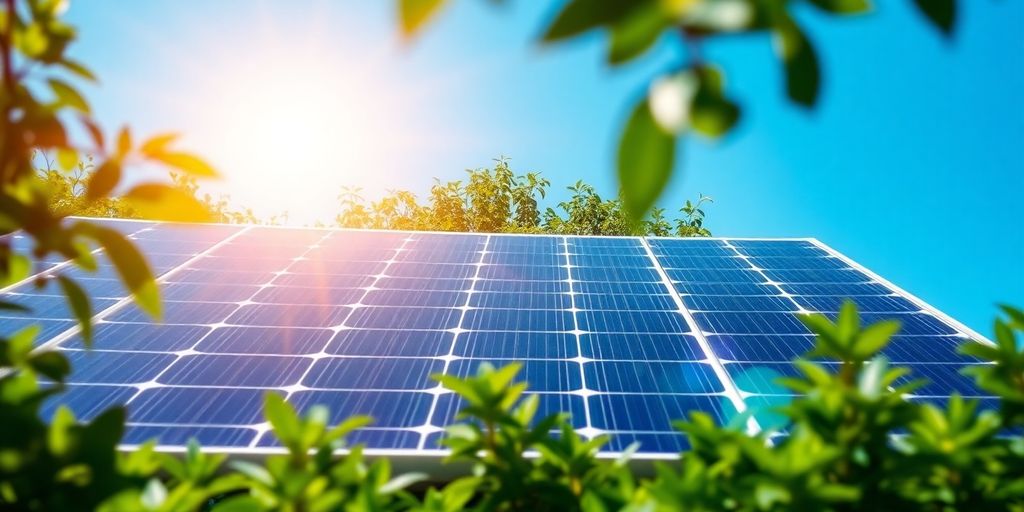
To get the most juice out of your 220W solar panel, you’ve got to think about where you’re putting it and how it’s angled. Positioning the panel to face the sun directly can significantly boost its energy output. Ideally, aim for a south-facing direction if you’re in the northern hemisphere. Adjust the tilt of the panel to match your geographical latitude; this helps in capturing the maximum sunlight throughout the year. Regularly tweaking the angle as the sun’s path changes with seasons can also help in maintaining optimal exposure.
Regular Maintenance and Cleaning
Think of your solar panel like a window; the clearer it is, the more light gets through. Dust, bird droppings, and leaves can block sunlight and reduce efficiency. Set up a routine to clean your panels every few months, or more often if you live in a dusty area. Besides cleaning, check for any physical damage or loose connections that might affect performance. Keeping an eye on these small details can prevent bigger issues down the line.
Using Solar Trackers
If you’re looking to squeeze out every watt possible, consider using solar trackers. These devices adjust the panel’s position throughout the day to follow the sun’s path. While they can be a bit pricey, they can increase energy capture by a significant margin, especially in areas with lots of sunlight. Solar trackers are particularly useful if you have limited space and need to maximize the energy output from a smaller number of panels.
By focusing on these efficiency-boosting strategies, you can ensure that your 220W solar panel delivers the best performance possible, making the most of your investment and contributing to a greener planet.
Practical Applications of 220W Solar Panels
Residential Use Cases
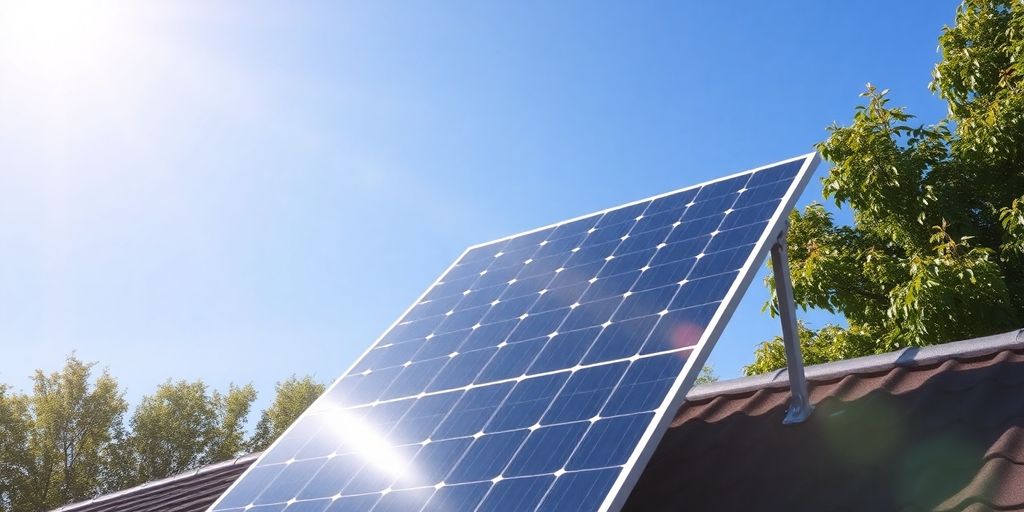
220W solar panels are a popular choice for homeowners who want to dip their toes into solar energy without breaking the bank. Their affordability and compact size make them ideal for smaller rooftops or areas with limited space. These panels can efficiently power small appliances, lighting systems, and even charge batteries for home use. For those looking to cut down on electricity bills, installing a few 220W panels can be a great start. They work well for homes in sunny regions, providing a dependable energy source for daily needs.
Off-Grid Solutions
For folks living off the grid, 220W solar panels provide a reliable way to generate power independently. They’re perfect for cabins, RVs, or remote locations where traditional power lines can’t reach. With these panels, you can power essential devices, from lights to small electronics, ensuring a basic level of comfort and functionality. Plus, they’re easy to scale up: start with a few panels and add more as your energy needs grow or budget allows.
Commercial Applications
While 220W panels are more common in residential settings, they also find use in small-scale commercial applications. Businesses with limited space or specific low-energy needs might opt for these panels to offset some of their electricity costs. For instance, they can be used to power lighting in parking lots, small signage, or other outdoor equipment. Though not as powerful as larger panels, their cost-effectiveness and ease of installation make them a viable option for businesses looking to go green without a huge upfront investment.
When planning to use 220W solar panels, think about your energy needs and space availability. They’re versatile and can be tailored to fit a variety of situations, making them a smart choice for many energy-conscious users.
Comparing 220W Solar Panels with Other Options
Advantages of 220W Panels
When it comes to solar panels, 220W panels offer some clear perks. First off, they’re pretty affordable compared to higher-wattage panels. This makes them a great pick if you’re trying to go green without breaking the bank. Secondly, these panels are super scalable. You can start small and add more panels as your budget allows. Lastly, their smaller size means you can fit them in tighter spaces—like on smaller rooftops or areas with odd shapes.
Limitations and Challenges
But, let’s not ignore the downsides. 220W panels produce less energy than their higher-wattage cousins, which means you’ll need more of them to meet the same energy needs. This can be a hassle if you’re short on space. Plus, if you’re aiming for a significant energy output, you might find yourself needing a lot of panels, which can eat up more installation space than you’d like.
Cost-Benefit Analysis
In terms of cost, 220W panels are usually cheaper upfront. But, when you factor in the need for more panels to get the energy output you want, the costs can add up. It’s a bit of a balancing act—finding the right number of panels to meet your energy needs without going over budget. For residential use, they can be a smart choice, especially if you’re looking to start small and expand later. But for commercial setups, where space is often limited and energy demands are high, you might want to consider higher-wattage options.
When weighing your options, think about what matters most: initial cost, space availability, or long-term energy needs. Each type of panel has its own pros and cons, and the best choice often depends on your specific situation.
How to Calculate Energy Production of a 220W Solar Panel
Understanding Peak Sun Hours
When you’re trying to figure out how much energy a 220W solar panel can produce, it’s all about peak sun hours. These are the hours when sunlight is intense enough for the panel to work at its best. In most places, you get about 3 to 6 of these hours a day. The more peak sun hours, the more energy you get.
Daily and Monthly Energy Output
To calculate how much juice your panel can pump out daily, you multiply its wattage by the number of peak sun hours. So, if you get 5 peak sun hours, your 220W panel can give you 1100 watt-hours, or 1.1 kWh, each day. Over a month, that’s around 33 kWh. Here’s a quick breakdown:
| Peak Sun Hours | Daily Output (kWh) | Monthly Output (kWh) |
|---|---|---|
| 3 | 0.66 | 19.8 |
| 4 | 0.88 | 26.4 |
| 5 | 1.1 | 33 |
| 6 | 1.32 | 39.6 |
Impact of Seasonal Changes
Seasons play a big role too. In summer, you might get more sun hours, meaning more energy. But in winter, shorter days and cloudy skies can cut down your panel’s output. It’s a good idea to keep this in mind when planning your energy needs.
A 220W solar panel is a solid choice for many. But remember, its output depends a lot on where you live and the time of year. Always consider these factors to make the most of your solar investment.
Wrapping It Up: The Speed of a 220W Solar Panel
So, there you have it. A 220W solar panel is like a steady workhorse in the world of solar energy. It’s not the fastest charger out there, but it gets the job done efficiently under the right conditions. If you’re in a sunny spot, this panel can churn out a decent amount of power, enough to make a noticeable dent in your energy bills. Sure, it might not be the best fit for everyone, especially if you’re looking to power a whole house with just a few panels. But for those with limited space or on a budget, it’s a solid choice. Just remember, the key to getting the most out of your 220W panel is all about placement, angle, and keeping it clean. With a bit of care, this panel can be a reliable part of your energy solution.