

Miami’s got a big flooding problem, thanks to its flat land, rising sea levels, and crazy storms. But guess what? Solar panels might just be part of the fix. They’re not just for making energy. They can actually help manage rainwater, reduce heat, and make the city’s energy system tougher. It’s a new way to think about solving Miami’s water woes.
Key Takeaways
- Solar panels can help absorb rainwater when used with green roofs, easing the pressure on drainage systems.
- Permeable solar farms can cut down on water runoff, making streets less likely to flood.
- Incorporating solar panels into urban planning can help manage stormwater better.
- Solar panels can cool down urban areas, reducing the heat island effect.
- Community solar projects can involve locals in flood prevention efforts.
Understanding Miami’s Flooding Challenges
Geographic and Climatic Factors
Miami’s geography is a big part of why it’s so prone to flooding. The city lies on low-lying ground, right next to the ocean. This makes it super vulnerable to rising sea levels and storm surges. Add in the fact that Miami is in the path of hurricanes, and you’ve got a recipe for trouble. Climate change is only making things worse, with scientists predicting sea levels could rise by up to 17 inches by 2040. That’s a lot of water for any city to handle.
Impact on Infrastructure and Communities
Flooding doesn’t just mean water in the streets; it hits Miami’s infrastructure hard. Roads, bridges, and public transport systems can all be knocked out by a big flood. This disruption impacts daily life, making it hard for people to get to work or school. Plus, not everyone is affected equally. Wealthier neighborhoods might have better defenses, while poorer areas often bear the brunt, leading to a sense of inequality and frustration among residents.
Current Mitigation Efforts
Miami isn’t sitting back and doing nothing. The city has been working on various projects to keep the water at bay. This includes improving drainage systems, building barriers, and even raising roads in some areas. But these solutions are expensive and take time. The city is also looking into more innovative solutions, like using green infrastructure, to help manage stormwater more effectively. It’s a tough battle, but the efforts are ongoing.
The Role of Solar Panels in Flood Mitigation
Green Roof Systems and Rainwater Absorption
Solar panels can be integrated into green roof systems, which are designed to absorb rainwater, reducing runoff and the risk of flooding. These systems combine vegetation with solar technology, allowing for dual functionality. By capturing rainwater, green roofs help manage stormwater effectively, preventing excess water from overwhelming urban drainage systems. This setup not only supports flood mitigation but also promotes biodiversity and urban green space.
Permeable Solar Farms and Runoff Reduction
Permeable solar farms are an innovative approach to managing stormwater. Solar panels are mounted on structures that allow rainwater to seep through and into the ground, reducing surface runoff. This method is particularly beneficial in urban areas like Miami, where impermeable surfaces are common. By facilitating natural water absorption, these solar farms help decrease the volume and speed of water flowing into drainage systems, thus mitigating flood risks.
Integration with Urban Planning
Incorporating solar panels into urban planning can significantly enhance flood mitigation efforts. This involves strategic placement of solar installations to complement existing infrastructure and natural landscapes. Planners can use solar technology to create buffer zones that absorb and redirect stormwater. Additionally, integrating solar panels into public spaces and buildings not only aids in flood control but also contributes to sustainable urban development. This holistic approach ensures that solar energy solutions are part of a broader strategy to combat flooding while promoting renewable energy use.
Solar panels, when thoughtfully integrated into urban landscapes, offer a multifaceted approach to flood management. They not only provide clean energy but also play a crucial role in reducing flood risks, making cities more resilient to climate change impacts. This dual benefit underscores the importance of innovative thinking in urban planning and environmental management.
Innovative Solar Solutions for Urban Areas
Solar Canopies and Water Management
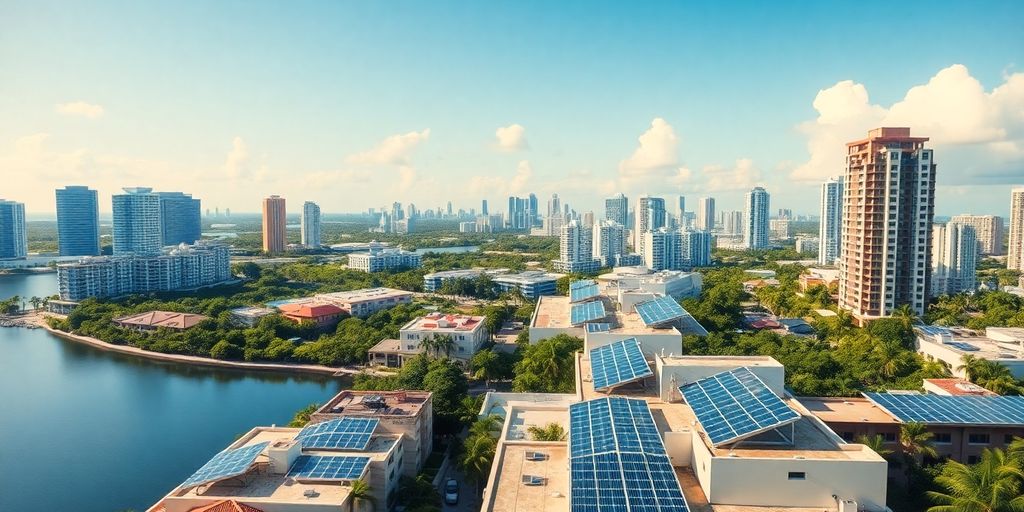
Solar canopies are popping up in more places, especially parking lots. They’re not just for shade anymore. These structures can collect rainwater, reducing runoff and providing water for things like irrigation. Imagine Miami’s vast parking spaces transformed into multi-purpose areas that tackle both flooding and energy needs. This dual-functionality makes solar canopies a smart choice for urban planning.
Dual-Use Solar Installations
Why settle for just one benefit when you can have two? Dual-use solar installations allow land to serve multiple purposes. Think of a solar farm that also acts as a green space or a community garden. These setups not only generate power but also help absorb rainwater, cutting down on urban flooding. It’s about maximizing land use in a city where space is limited.
Community-Based Solar Projects
Community solar projects bring neighborhoods together. These projects allow residents to share in the benefits of solar energy without needing panels on their own roofs. They can also be designed to include features that manage stormwater, like permeable ground surfaces. This not only helps reduce flooding but also builds community resilience. It’s a win-win for everyone involved.
Integrating solar solutions into urban areas isn’t just about energy. It’s about creating spaces that are more resilient to the challenges of climate change, like flooding. By thinking creatively, cities like Miami can turn solar technology into a tool for both sustainability and community improvement.
Benefits of Solar Panels Beyond Energy Production
Reducing Urban Heat Island Effect
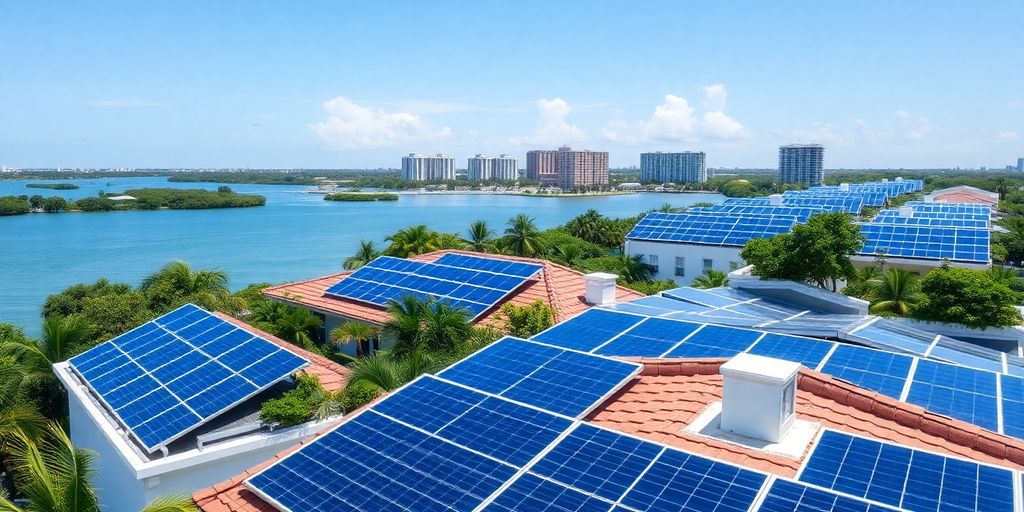
Solar panels aren’t just for generating electricity; they also play a role in cooling down urban areas. By providing shade and reflecting sunlight, solar panels can help lower surface temperatures. This cooling effect can reduce the urban heat island phenomenon, where city areas are significantly warmer than their rural surroundings. Cooler surfaces can absorb rainwater more effectively, which helps in managing stormwater runoff and reducing flooding risks.
Enhancing Building Resilience
Solar panels can make buildings more resilient to extreme weather. They can provide backup power during outages, keeping essential services running when the grid is down. This is crucial during storms or floods, ensuring that critical infrastructure like hospitals and emergency services remain operational. Plus, solar panels can be integrated with battery storage systems, offering a reliable energy source even in adverse conditions.
Supporting Sustainable Development
Solar panels contribute to sustainable urban development in several ways. They reduce reliance on fossil fuels, cutting carbon emissions and pollution. This shift not only benefits the environment but also supports public health by improving air quality. Additionally, solar energy projects can stimulate local economies through job creation and can be part of broader community-based sustainability initiatives. By investing in solar, cities can pave the way for a greener, more sustainable future.
As cities like Miami face increasing climate challenges, solar panels offer a dual benefit: they provide clean energy and support urban resilience. By integrating solar technology into urban planning, cities can better prepare for climate impacts while reaping economic and environmental benefits.
Case Studies and Proven Implementations
Successful Projects in Miami
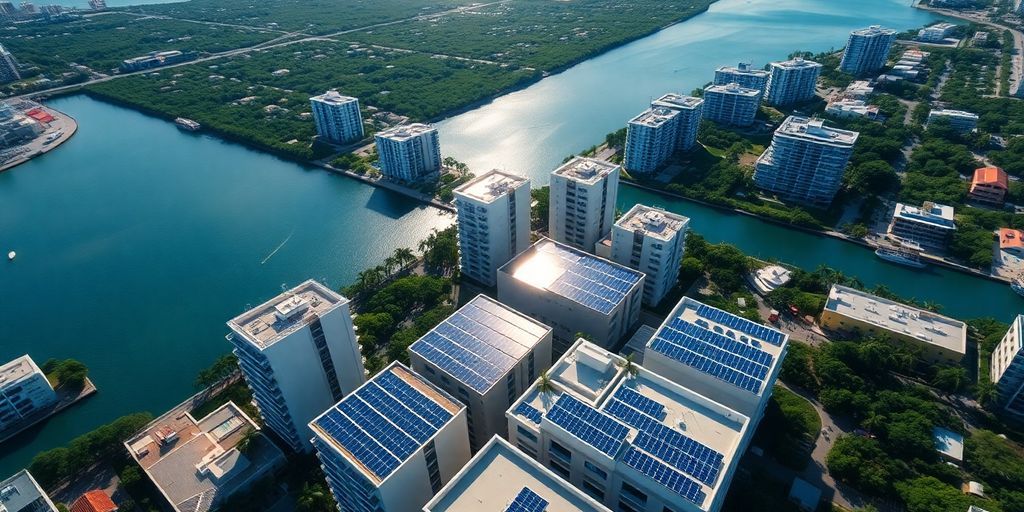
Miami has seen some impressive projects that showcase how solar panels can help manage flooding. One standout is the use of ground-mounted solar PV systems. These systems, when combined with effective stormwater management practices, have shown a significant reduction in flood risks. By elevating solar panels and integrating them with drainage systems, Miami has improved its resilience against flooding. These projects highlight the importance of using FEMA flood maps and local data to design solar installations that can withstand and recover quickly from floods.
Lessons Learned from Other Cities
Around the globe, cities are finding creative ways to use solar power for flood management. In Amsterdam, for example, solar panels are part of a larger strategy to manage stormwater, reducing flood risks. Similarly, in Machakos, Kenya, solar-powered water pumps help manage water levels and provide irrigation, showing how solar technology can be adapted to different environments. These examples teach us that solar panels can be more than just energy sources; they can be vital tools in urban flood management.
Future Opportunities for Expansion
Looking ahead, there are numerous opportunities to expand the use of solar panels in flood-prone areas. Miami could benefit from adopting solar canopies in parking lots, which not only generate energy but also manage rainwater runoff. Additionally, community-based solar projects could empower neighborhoods to take charge of their flood management. As technology advances and costs decrease, these solar solutions will become increasingly viable, offering Miami a sustainable path forward in its fight against flooding.
Embracing solar technology not only addresses energy needs but also provides innovative solutions to flooding, paving the way for a more resilient Miami.
Challenges and Considerations for Solar Integration
Technical and Financial Barriers
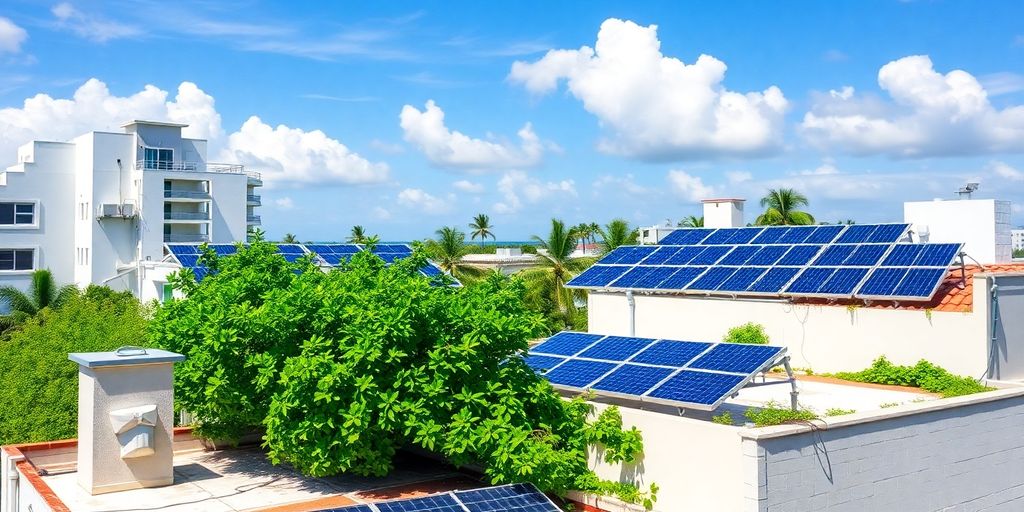
Integrating solar panels into flood-prone areas like Miami isn’t just about slapping a few panels on a roof. It’s a complex dance of technical and financial hurdles. On the technical side, solar systems must be engineered to withstand floods. This means elevating panels and electrical components above potential flood levels. The challenge is ensuring these systems remain operational after a storm. Financially, the initial cost of solar installations can be daunting. High upfront costs can deter potential investors, especially when the return on investment isn’t immediate. Innovative financing models, like tax incentives and green bonds, can help ease this burden.
Regulatory and Policy Frameworks
Navigating the regulatory landscape is another hurdle. Solar projects must comply with local zoning laws, building codes, and environmental regulations. These rules can vary widely, making it tough to standardize solar solutions across different areas. Miami needs a supportive policy framework that encourages solar adoption while ensuring environmental protection. Streamlining the approval process and providing clear guidelines can help smooth the path for solar integration.
Community Engagement and Education
Getting the community on board is crucial. People need to understand the benefits of solar energy beyond just cutting their electric bills. Community engagement initiatives can educate residents about how solar panels can help mitigate flooding and enhance resilience. Workshops, informational campaigns, and partnerships with local organizations can foster a sense of ownership and support. Engaging the community can also address concerns and misconceptions about solar technology, paving the way for broader acceptance and implementation.
Bringing solar energy into flood-prone areas isn’t just a technical challenge; it’s about creating a resilient community that embraces sustainable solutions. The journey is complex, but the rewards are worth the effort.
Conclusion
So, there you have it. Solar panels aren’t just about catching rays and cutting down on electric bills. In a place like Miami, they could be a game-changer for dealing with all that water. By helping manage rainwater and reducing runoff, these panels can play a big role in keeping the city drier and safer. It’s a pretty neat way to tackle the flooding issues, combining green energy with smart urban planning. As Miami continues to face the challenges of rising sea levels and intense storms, integrating solar panels into the city’s infrastructure might just be a step in the right direction. Who knew the sun could help keep the streets from turning into rivers?