

When disaster strikes, keeping the lights on is more than just a convenience—it’s a lifeline. Solar panels have emerged as a game-changer in disaster recovery and relief, providing a reliable and sustainable energy source when traditional power grids fail. From powering emergency shelters to maintaining communication lines, solar energy is proving essential in crisis situations. This article explores how solar panels are being harnessed to support communities in the throes of disaster, and what this means for the future of emergency response.
Key Takeaways
- Solar panels offer a dependable power source during emergencies, keeping vital services running when the grid is down.
- Integrating solar energy into disaster management plans enhances community resilience and readiness.
- Solar power reduces reliance on fossil fuels, offering a cleaner, more sustainable option for disaster relief.
- Collaborations between governments, NGOs, and private sectors are crucial for effective solar-powered relief efforts.
- Innovations in solar technology continue to improve its efficiency and application in disaster scenarios.
Understanding The Role of Solar Panels in Disaster Recovery
How Solar Panels Provide Energy During Emergencies
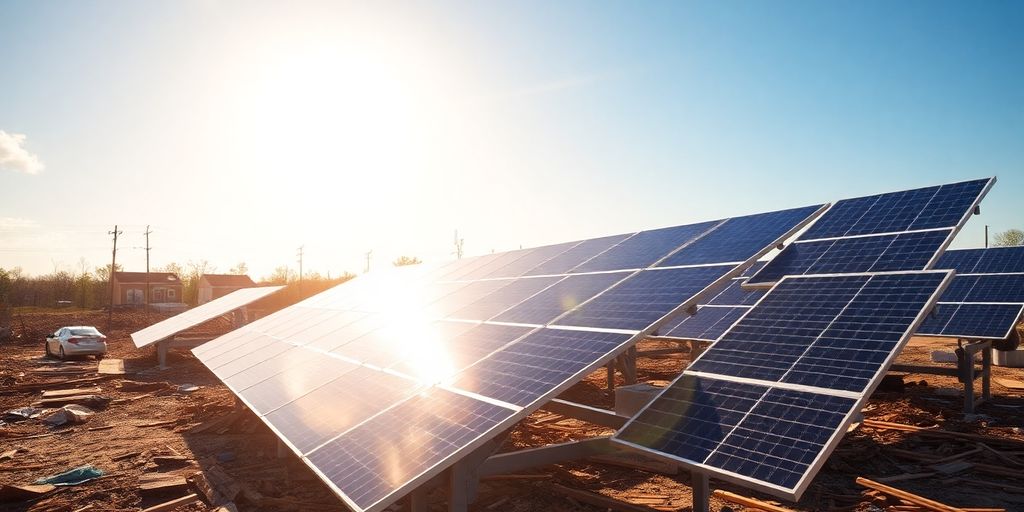
Solar panels are like the unsung heroes when disaster strikes. They convert sunlight into electricity, which can be used right away or stored in batteries for later. During power outages, solar panels can keep the lights on and the phones charged, ensuring that critical devices stay operational. It’s like having a backup generator, but way cleaner and quieter. When the grid goes down, solar panels step up, providing a continuous power supply that is crucial for emergency management.
The Importance of Solar Energy in Disaster Management
In the chaos of a disaster, having a reliable power source is a game-changer. Solar energy steps in when traditional grids fail, powering emergency shelters, medical facilities, and communication networks. It’s not just about keeping the lights on; it’s about saving lives. Solar systems can be set up quickly in disaster zones, offering immediate relief and supporting recovery efforts. Plus, they help with disaster preparedness by being ready and waiting for the next crisis.
Integrating Solar Panels with Battery Storage
Pairing solar panels with battery storage is like peanut butter and jelly – they just work better together. This combo enhances resilience, providing power even when the sun isn’t shining. Advances in technology have made this integration more feasible and cost-effective, especially for communities facing frequent disasters like hurricanes or wildfires. It’s a smart move, ensuring that when disaster hits, there’s a reliable power source ready to roll.
Benefits of Solar Power in Natural Disasters
Ensuring Continuous Power Supply
In the aftermath of a natural disaster, reliable power is crucial. Solar panels provide a continuous source of electricity, even when the traditional grid fails. Portable solar generators can be rapidly deployed to power essential devices, medical equipment, and communication systems. This ensures that critical infrastructure remains operational, supporting rescue and recovery efforts.
Reducing Dependency on Fossil Fuels
Natural disasters often disrupt fuel supply chains, making it hard to rely on traditional energy sources. Solar power, however, is renewable and independent of fuel logistics. By embracing solar energy, communities can reduce their reliance on fossil fuels, minimizing environmental impact and fostering sustainable recovery practices.
Cost-Effectiveness of Solar Energy
Once installed, solar power systems are incredibly cost-effective. They require minimal maintenance and have low operational costs. This makes them an economical choice for disaster-prone areas where long-term power solutions are necessary. The initial investment in solar technology pays off over time, especially in regions frequently affected by disasters.
Solar energy plays a crucial role in disaster relief by offering resilient, off-grid power solutions that enhance emergency response and recovery efforts. Integrating solar power into disaster management strategies not only ensures energy security but also promotes environmental sustainability in times of crisis.
By focusing on these benefits, communities can better prepare for natural disasters, ensuring that they have the power needed to recover and rebuild. Solar energy not only supports immediate relief efforts but also contributes to long-term resilience and sustainability.
Implementing Solar Power in Disaster-Prone Areas
Preparing Infrastructure for Emergencies
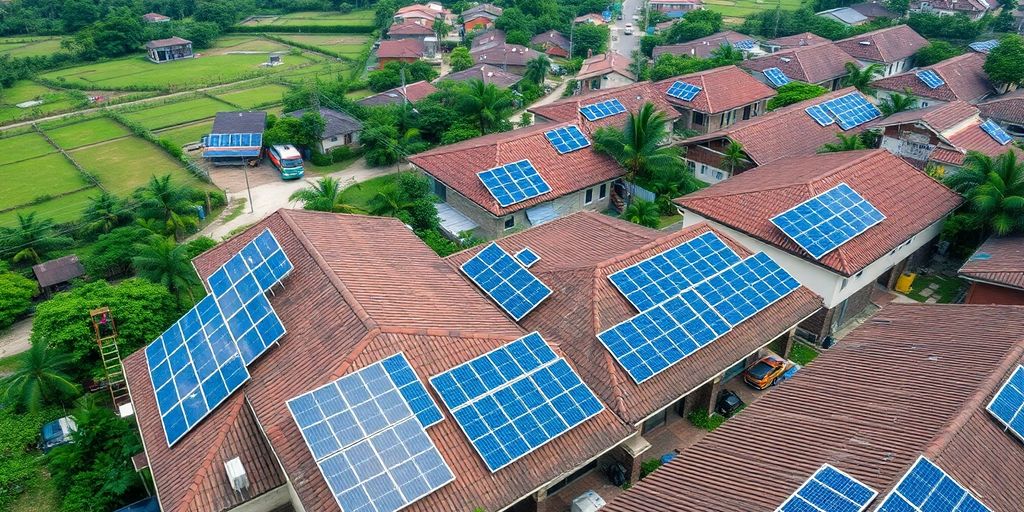
Setting up solar power systems in areas prone to disasters is like getting your toolbox ready before something breaks. You want everything in place before the chaos hits. Having solar panels installed and ready means communities can bounce back quicker when the power lines go down. It’s not just about slapping some panels on rooftops; it’s about building a reliable system that can withstand the storm. Think about it like this: if you’ve got a backup generator, you’re not going to wait until the lights go out to see if it works. You test it, you maintain it, and you make sure it’s ready to go.
Training for Effective Solar Energy Use
Once the infrastructure is there, the next step is making sure people know how to use it. Training is crucial. Imagine having a fancy new gadget but no idea how to turn it on. That’s no good in an emergency. Training programs can teach locals how to operate and maintain these systems, ensuring they can keep the lights on when it matters most. It’s about empowering communities to take control of their own energy needs.
Incorporating Solar Power in Emergency Plans
Solar power shouldn’t be an afterthought in emergency planning. It needs to be integrated from the get-go. This means including solar solutions in disaster response strategies and making sure everyone is on the same page. By doing so, we can ensure that solar power is a key player in keeping things running smoothly during a crisis. It’s like having a well-rehearsed plan that everyone knows by heart, so when the unexpected happens, there’s no panic—just action.
Collaboration and Innovation in Solar-Powered Relief Efforts
Partnerships Between Governments and NGOs
In disaster recovery, partnerships between governments, NGOs, and even private companies are key. These alliances work to pool resources, share knowledge, and coordinate efforts. When these groups come together, they can set up solar-powered solutions quickly, ensuring that affected areas get power fast. This collaboration also helps in overcoming challenges like funding and logistics. For instance, Virginia Tech is enhancing sustainability by completing four new solar array projects on its Blacksburg campus, showcasing how institutions can contribute to broader solar initiatives.
Sharing Best Practices and Lessons Learned
Sharing what works and what doesn’t is crucial in solar-powered disaster relief. By exchanging best practices and lessons learned, organizations can improve their strategies. This knowledge sharing leads to better implementation of solar technologies during emergencies. Regular workshops and conferences can be a good platform for this exchange, helping to refine methods and improve future responses.
International Collaborations for Solar Initiatives
Disasters don’t recognize borders, and international collaborations can be a game-changer. Countries working together can share technology, expertise, and resources. This not only speeds up the recovery process but also ensures that the best possible solutions are used. International partnerships can lead to innovative solutions like portable solar generators and rollable solar panels, which are crucial for quick deployment in disaster-hit areas.
In the face of natural disasters, the power of collaboration and innovation in solar energy can transform recovery efforts, making them more efficient and sustainable.
Challenges and Opportunities in Solar Energy for Disaster Relief
Overcoming Technical and Financial Barriers
Getting solar power into disaster relief isn’t always smooth sailing. Limited funding and resources can really slow things down, especially in remote or underdeveloped areas. Imagine trying to get solar panels to a disaster zone when roads are wiped out or there’s no infrastructure. It’s a logistical nightmare. Plus, the initial setup costs can be steep, making it tough for some regions to even consider solar as an option.
Innovative Solar Solutions for Emergencies
Despite the hurdles, solar power offers some exciting opportunities. Portable solar generators are a game-changer, providing electricity for crucial medical equipment and communication devices when traditional power sources fail. There are also solar-powered mobile charging stations and water purification systems making waves in relief efforts. These innovations not only help in immediate response but also support integrating solar energy into emergency preparedness plans for the long run.
Future Trends in Solar Power Technology
Looking ahead, the future seems bright for solar technology in disaster scenarios. We’re seeing advancements in solar tech that make systems more efficient and cost-effective. There’s also a push for hybrid systems that combine solar with other renewable sources to maximize energy output. As policies and incentives evolve, wider adoption of solar power in emergencies is expected, helping communities build resilience against future disasters.
Solar power isn’t just a temporary fix during emergencies; it’s paving the way for sustainable practices that can transform how we handle disaster recovery. By reducing reliance on fossil fuels, solar energy plays a vital role in both immediate response and long-term climate goals.
Case Studies: Solar Power in Action During Disasters
Hurricane Maria and Solar Microgrids in Puerto Rico
After Hurricane Maria hit Puerto Rico, the island faced a massive power outage. The hurricane’s aftermath highlighted the vulnerability of centralized power systems. In response, solar microgrids were set up to restore electricity to essential services like hospitals and water treatment facilities. These microgrids not only provided immediate relief but also laid the groundwork for a more resilient energy infrastructure. This shift towards decentralized power sources has been crucial for Puerto Rico’s recovery efforts.
Solar Energy in Earthquake Relief in Haiti
In the wake of the devastating earthquake in Haiti, many areas were left without power, severely hampering relief efforts. Portable solar generators came to the rescue, offering a quick and reliable power source for remote villages and emergency medical facilities. These solar solutions enabled essential services to continue operating, proving that solar energy can be a lifesaver in crisis situations. The success of these initiatives has sparked interest in expanding solar power use across Haiti, especially in disaster-prone regions.
Community-Led Solar Initiatives
Community-driven solar projects have shown that local empowerment can drive sustainable recovery. In Puerto Rico, after the hurricane, residents banded together to create solar-powered community centers. These centers provided not only electricity but also a sense of hope and community resilience. By integrating solar power into their rebuilding efforts, these communities have reduced their reliance on fossil fuels and increased their preparedness for future disasters. Such initiatives underscore the potential of solar energy to transform and strengthen communities in the face of adversity.
Future Outlook for Solar Power in Disaster Recovery
Emerging Technologies and Advancements
The future of solar power in disaster recovery is looking bright, thanks to new tech and advancements. These innovations are making solar systems more efficient and affordable. One exciting development is space-based solar power, which could help solve global energy problems by capturing solar energy in space and sending it back to Earth. Sia Partners is exploring this potential, and it might change how we think about solar energy on a global scale.
Policy Changes and Incentives
Governments are starting to see the benefits of solar power in emergencies, so they’re considering policy changes and incentives to get more people on board. These could include tax breaks for solar installations or funding for research into better solar tech. If these policies are put in place, more communities could use solar power to be ready for disasters.
Building Resilience Through Solar Energy
Solar power isn’t just a backup during disasters; it’s a way to build stronger communities. By using solar energy, communities can reduce their reliance on fossil fuels, which is good for the environment and helps meet climate goals. Plus, solar power can keep the lights on when traditional power sources fail, making it a key part of disaster resilience plans.
As we move forward, solar power will play a bigger role in how we prepare for and respond to disasters. With better technology and supportive policies, solar energy can help us build a more resilient and sustainable future.
Conclusion
Solar panels are proving to be a game-changer in disaster recovery and relief efforts. They offer a reliable and sustainable power source when traditional grids fail. By harnessing solar energy, communities can maintain essential services and communication during emergencies. This not only aids immediate relief but also supports long-term recovery. As technology advances, solar solutions become more accessible and cost-effective, making them a vital part of disaster preparedness. Embracing solar power in these efforts not only helps in crisis situations but also promotes a greener, more resilient future.
Frequently Asked Questions
How do solar panels help during emergencies?
Solar panels turn sunlight into electricity using special cells. This power can be used right away or saved in batteries for later. During emergencies, like when the power goes out, solar panels can keep lights and important devices running.
Why is solar energy important in disaster management?
Solar energy is crucial during disasters because it provides power when regular electricity is down. It helps run emergency shelters and medical centers, giving quick help when needed.
What are the benefits of using solar power in natural disasters?
Solar power gives a steady supply of electricity, cuts down on the need for fuel, and is cheaper over time. It’s great for keeping things running during and after a disaster.
How can we prepare areas for solar power use in emergencies?
Setting up solar panels in places that often face disasters can help. Training people to use solar energy and including it in emergency plans makes sure everyone is ready.
What role do partnerships play in solar-powered relief efforts?
When governments, charities, and groups work together, they can share ideas and resources. This teamwork helps make solar power a bigger part of helping people during disasters.
What challenges exist for using solar power in disaster relief?
Some challenges include high costs at first and getting the technology to remote places. But with new ideas and teamwork, solar power can be a big help in emergencies.