

Solar energy compared to our daily use batteries is more than just a buzzword; it’s a game-changer for smart homes aiming for sustainability. By integrating solar power, homeowners can cut costs, boost efficiency, and reduce their carbon footprint. This article explores how combining solar energy with smart home systems can lead to a greener, more independent lifestyle. We’ll dive into the benefits, technological innovations, and future trends that make this integration a smart choice for anyone looking to upgrade their home.
Key Takeaways
- Solar energy integration in smart homes leads to significant cost savings and energy efficiency.
- Environmental benefits include reduced carbon footprint and increased sustainability.
- Smart homes with solar energy systems can enhance property value and provide energy independence.
- Technological advancements like AI are optimizing energy management in solar-powered homes.
- Future trends point towards smarter grids and better energy storage solutions.
Understanding the Role of Solar Energy in Smart Homes

How Solar Panels Work in Smart Homes
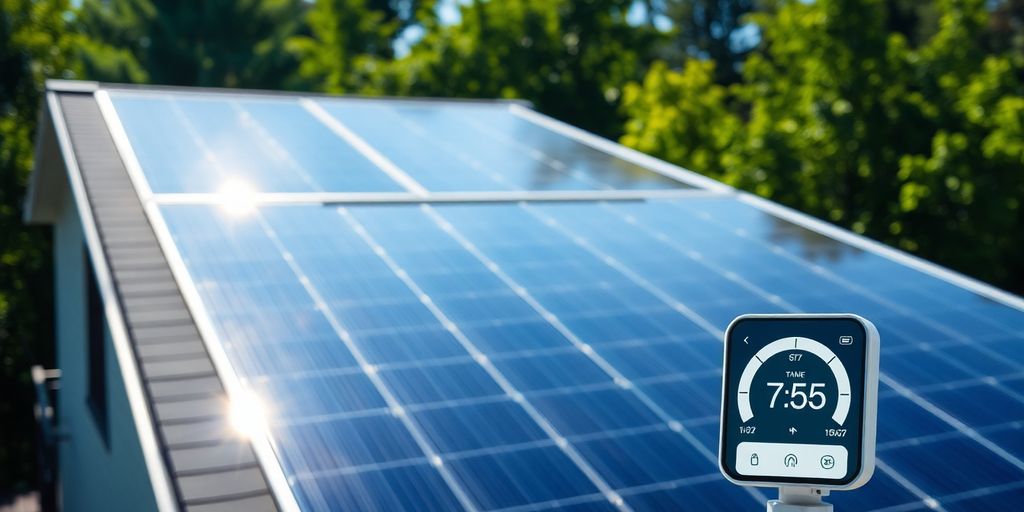
Solar panels are the heart of any solar-powered smart home. They capture sunlight and convert it into electricity. Think of them as the solar system’s power plants. Typically, these panels are installed on rooftops, where they get the most sun exposure. Once the sunlight hits the panels, it gets converted into direct current (DC) electricity. But, our homes run on alternating current (AC), so an inverter steps in to make the switch from DC to AC. Without this conversion, the electricity wouldn’t be usable for our home appliances.
The Importance of Inverters and Battery Storage
Inverters are like translators for your solar energy system. They take the DC electricity generated by the solar panels and convert it into AC electricity, which is what most home devices and appliances use. But there’s more to the setup. Battery storage is also a key player. During the day, when the sun is shining bright, your solar panels might generate more electricity than you need. Instead of letting that extra power go to waste, it’s stored in batteries. This stored energy can then be used at night or during cloudy days, ensuring your home remains energy-efficient and less reliant on the grid.
Maximizing Efficiency with Smart Energy Management
Smart energy management systems are the brains behind a solar-powered smart home. They help you keep track of how much energy you’re producing and using. With this info, you can make smarter decisions about your energy consumption. Here’s a simple breakdown:
- Monitor energy use: See real-time data on how much energy your home uses.
- Automate energy-saving: Set preferences for when and how devices should operate to save energy.
- Optimize energy consumption: Use the data to adjust settings and reduce wastage.
By integrating solar energy with smart home systems, you can enjoy a lifestyle that’s not only efficient but also sustainable. These systems enable homeowners to reduce their reliance on the grid, paving the way for a more energy-efficient future.
Solar energy in smart homes isn’t just about cutting costs—it’s about creating a more sustainable way of living. By managing energy smartly, homeowners can enjoy the benefits of renewable energy without compromising on comfort.
Benefits of Integrating Solar Energy with Smart Home Systems
Cost Savings and Energy Efficiency
One of the biggest perks of tying solar energy into your smart home setup is the potential for big savings on energy bills. Solar panels soak up the sun’s rays, cutting down the need for traditional grid electricity. This means lower utility bills. Smart systems can help even more by making sure your home uses energy when it’s cheapest.
Environmental Impact and Sustainability
Going solar is a win for the planet. Solar energy is clean and renewable, so it doesn’t spew out harmful gases. By using solar power, you’re helping to cut down on fossil fuel use and lower your carbon footprint. This is a step towards a greener, more sustainable lifestyle.
Enhancing Property Value and Energy Independence
Homes with solar and smart tech often see a bump in property value. Buyers love the idea of saving on energy costs in the long run. Plus, generating your own power means less reliance on the grid. This is handy during power cuts and gives a sense of energy freedom.
Integrating solar power into home climate control systems provides a sustainable and efficient way to enhance indoor comfort while reducing energy costs. This approach not only promotes environmental responsibility but also offers long-term financial benefits for homeowners.
By embracing solar energy, you’re not just cutting costs and boosting your home’s value; you’re also doing your part for the environment. It’s a win-win situation.
Technological Innovations in Solar-Powered Smart Homes
Advancements in Solar Panel Technology
Solar panels have come a long way. Recent advancements focus on boosting efficiency by using new materials and manufacturing techniques. Flexible solar panels are now a thing, letting you install them on curved surfaces like roofs or even vehicles. Imagine a future where your car roof powers your home! These innovations are all about getting more energy from the same amount of sunlight.
AI and Machine Learning in Energy Management
AI and machine learning are changing the game in energy management. These technologies can predict energy usage patterns and optimize solar energy consumption in real-time. It’s like having a smart assistant that knows when to store energy and when to use it. This means less waste and more savings. Plus, AI can help you understand your energy habits better, making your home even smarter.
Integration with Electric Vehicles
Integrating electric vehicles (EVs) with solar-powered homes is becoming more seamless. Excess solar energy during peak production hours can be used to charge EVs. This not only cuts down on electricity bills but also reduces the strain on the grid. It’s a win-win situation for both homeowners and the environment. The future might see more homes with solar panels that double as charging stations for their electric cars.
Solar energy and smart home tech are coming together in exciting ways. They’re making it easier for homeowners to live sustainably without sacrificing convenience. As these technologies evolve, the possibilities for a greener future are endless.
Implementing Solar Energy in Your Smart Home
Assessing Your Home’s Solar Potential
So, you’re thinking about going solar? First, take a good look at your current energy use. Figure out how much of that you want to cover with solar power. This will help you know what size solar setup you need. Think about when you use the most energy, how it changes with the seasons, and if you plan to use more in the future.
Next, talk to some solar experts. They’ll check out your home’s “solar potential” by looking at things like where you live, how your roof is shaped, and if there are any trees or buildings casting shadows. These pros can give you the best advice on what kind of system will work for your smart home.
Choosing Compatible Smart Home Devices
When picking out your solar system, make sure it works with the smart gadgets you already have or want to get. Some systems have smart features built in, letting you keep an eye on your energy use right from your phone. Check that everything can work together smoothly to get the most out of your solar and smart home tech.
Installation and Maintenance Tips
Once you’ve got your plan, it’s time to install those solar panels. They usually go on the roof or somewhere with lots of sun. Think about how they look, how much space you have, and any local rules you need to follow when deciding where to put them.
After they’re up, homeowners can save up to 30% on energy bills and cut down on their carbon footprint by using smart scheduling in their home systems. Keep your panels clean and check them regularly to make sure they’re working well. And don’t forget about the inverters and batteries—they need some love too. With a little care, your solar-powered smart home will be running smoothly for years.
Future Trends in Solar Energy and Smart Home Integration
The Rise of Smart Grids and Energy Sharing
Smart grids are becoming a big deal in the world of energy. These grids are not just about distributing electricity; they’re about doing it smartly. They help manage energy flow more efficiently, which means less waste and more savings for everyone. One cool thing about smart grids is energy sharing. Imagine being able to share excess solar power with your neighbors or even sell it back to the grid. This kind of sharing makes the whole system more flexible and can help stabilize the energy supply.
Next-Generation Energy Storage Solutions
Energy storage is getting a makeover with new technology. We’re talking about advanced batteries, like solid-state and flow batteries, which promise better efficiency and longer life. These batteries can store more solar energy, making it possible to use solar power even when the sun isn’t shining. With these advancements in solar panel efficiency, homeowners can rely less on traditional power sources, leading to more independence and lower bills.
The Role of Government Policies and Incentives
Governments are playing a huge role in pushing solar energy forward. Policies and incentives are being rolled out to encourage more people to switch to solar. Tax credits, rebates, and grants are just some of the ways governments are making solar more attractive. These incentives not only help reduce the initial costs but also speed up the adoption of solar technology. It’s a win-win for the environment and for those looking to save on energy costs.
As we move into the future, the integration of solar energy with smart home systems is set to redefine how we think about sustainable living. With technology advancing and policies supporting green energy, the possibilities are endless. Homeowners can look forward to a future where energy is not just consumed but efficiently managed and shared.
Overcoming Challenges in Solar Smart Home Systems
Addressing Initial Costs and Investments
The first hurdle many face when considering solar smart home systems is the initial cost. Solar panels, inverters, and battery storage can be quite an investment. However, the long-term savings often outweigh these upfront expenses. To ease the financial burden, many governments offer incentives, tax credits, and rebates. Here’s a quick list of financial aids you might explore:
- Federal Tax Credits: These can significantly reduce the cost of solar panel installations.
- State and Local Rebates: Check if your state or local government offers additional incentives.
- Financing Options: Many companies provide financing plans that spread the cost over several years.
Dealing with Technical and Compatibility Issues
Compatibility between solar systems and smart home devices can sometimes be tricky. Not all devices play well together, leading to inefficiencies or even failures. To tackle this, consider these steps:
- Research Compatibility: Before purchasing, ensure your solar system is compatible with your existing smart home devices.
- Consult Professionals: Engage with experts who can guide you on the best systems to integrate.
- Stay Updated: Technology evolves rapidly. Keep your systems updated to benefit from new features and compatibility improvements.
Ensuring Optimal Performance and Reliability
Solar energy systems can be inconsistent, especially on cloudy days or at night, impacting smart home performance. Efficient energy storage solutions are key to mitigating this issue. Consider the following:
- Battery Storage: Invest in high-capacity batteries to store excess energy for use during low-sunlight periods.
- Smart Energy Management Systems: Implement systems that monitor and optimize energy use, ensuring that your home runs smoothly even when solar power is low.
By addressing these challenges head-on, homeowners can enjoy the full benefits of a solar-powered smart home, ensuring efficiency, reliability, and sustainability.
For more information on how solar installers overcome challenges like customer skepticism and complex proposals, check out solar industry strategies.
Conclusion
So, there you have it. Solar energy and smart homes are like peanut butter and jelly—better together. By tapping into the sun’s power, not only do you save some bucks on your energy bills, but you also get to play a part in saving the planet. Plus, with all the cool tech out there, managing your home’s energy is easier than ever. As we move forward, expect even more nifty gadgets and smarter systems that make living sustainably a no-brainer. It’s not just about keeping up with the Joneses anymore; it’s about leading the way to a greener future. So, why not start now? Your wallet and the Earth will thank you.
Frequently Asked Questions
What are the benefits of using solar energy in smart homes?
Solar energy in smart homes can save money on electricity bills, help the environment, increase home value, and make you less dependent on power companies.
How do solar panels work in a smart home?
Solar panels capture sunlight and turn it into electricity. This power can be used by smart devices in your home, helping to save energy and money.
Can solar energy power all my smart home devices?
Yes, solar energy can power most of your smart home devices, especially if you have a good setup with enough panels and a battery to store extra power.
Is it expensive to install solar panels in a smart home?
The initial cost can be high, but many people save money in the long run with lower electricity bills and government incentives.
What happens to solar power on cloudy days?
Solar panels still work on cloudy days, just not as efficiently. A battery can store extra energy from sunny days to use when it’s cloudy.
How can I make my solar-powered smart home more efficient?
You can make it more efficient by using smart energy management systems to track and control your energy use, and by choosing energy-efficient appliances.