

Solar energy and electric vehicles (EVs) are like peanut butter and jelly – a perfect match for a greener future. As the world shifts towards sustainable living, these two technologies are paving the way. Solar panels soak up the sun’s rays, turning them into clean power, while EVs use this power to hit the road without spewing emissions. It’s a win-win for the planet and your wallet. By embracing solar energy and EVs, you’re not just cutting down on pollution and saving money, but you’re also making a statement: the future is renewable.
Key Takeaways
- Solar energy and electric vehicles together help slash carbon emissions, making them a dynamic duo for eco-friendly transportation.
- Using solar panels to charge EVs cuts down on electricity costs, offering a budget-friendly way to drive green.
- Advancements in technology are making solar panels more efficient and EVs more affordable, driving wider adoption.
- Government incentives and policies are encouraging the shift to solar-powered EVs with tax breaks and rebates.
- Despite challenges like limited charging spots, the future looks bright with more solar capacity and better energy storage solutions.
The Synergy of Solar Energy and Electric Vehicles
Reducing Carbon Footprint Through Solar-Powered EVs
Imagine driving a car that runs on sunlight. That’s what solar-powered electric vehicles (EVs) offer—a way to travel without pumping carbon into the air. By using solar panels to charge EVs, we tap into a clean, renewable energy source, cutting down on pollution and helping our planet breathe a little easier. This combination not only slashes greenhouse gas emissions but also curbs our dependence on fossil fuels.
Cost-Effective Charging Solutions
Charging your EV with solar energy isn’t just clean; it’s smart for your wallet too. Once you’ve set up solar panels, the sun provides free energy, meaning lower electricity bills. Here’s how it works:
- Initial Setup: Install solar panels on your roof or property.
- Energy Generation: Panels convert sunlight into electricity.
- Charging: Use this electricity to power your EV, reducing or even eliminating fuel costs.
With the price of solar technology dropping, more folks are seeing the financial perks of this setup.
Enhancing Energy Independence
Solar-powered EVs offer a shot at energy independence. Instead of relying on the grid or gas stations, you generate your own power. This means:
- Less Vulnerability: No more worrying about fluctuating energy prices.
- Self-Sufficiency: Produce what you need, when you need it.
- Community Impact: Encourage local solar projects, boosting the community’s energy resilience.
By embracing the connection between renewable energy and electric vehicles, we’re not just driving cars; we’re driving change. This synergy is key to a cleaner, more sustainable future.
Technological Advancements in Solar Energy and EVs
Innovations in Solar Panel Efficiency
Solar panels have come a long way. Modern panels are more efficient than ever, squeezing more power out of every ray of sunshine. This means we can generate more electricity from the same amount of sunlight, which is great news for anyone looking to power their electric vehicle (EV) with solar energy. Researchers are constantly finding new ways to boost efficiency, making solar a more viable option for EV charging.
Breakthroughs in Battery Technology
Battery tech is another area that’s seen some exciting developments. With new advancements, EVs can travel further on a single charge, and they charge faster too. We’re talking about batteries that last longer and are more reliable. This is a big deal because it means less time waiting for your car to charge and more time on the road. Plus, as battery technology improves, costs are likely to drop, making EVs more accessible.
Smart Grid Integration
Integrating solar energy and EVs with the power grid is a smart move. It allows for more efficient energy management and can help balance supply and demand. This integration means that EVs can be charged during off-peak times when energy is cheaper, and even potentially feed energy back into the grid. This concept, known as vehicle-to-grid (V2G) technology, is a game-changer for energy independence and sustainability. As increasing the network of solar charging stations and utilizing advanced energy storage systems become more widespread, the electric vehicle market could see significant enhancements.
Government Policies and Incentives
Tax Credits and Rebates for Solar and EVs
Governments are rolling out tax credits and rebates to make solar panels and electric vehicles (EVs) more affordable. These incentives cut down the initial costs, making it easier for people to switch to cleaner energy and transportation options. For instance, some states offer rebates on solar installations, while others provide tax credits to reduce the cost of purchasing an EV. These financial perks encourage more people to adopt renewable energy solutions.
Regulations Promoting Renewable Energy
Regulations are being put in place to promote the use of renewable energy sources like solar power. These regulations often mandate a certain percentage of energy to come from renewables, pushing utility companies to invest in solar technology. This not only boosts the solar industry but also helps in reducing the reliance on fossil fuels. Additionally, there are laws and incentives that support the development of infrastructure necessary for solar and EV integration.
Incentives for Solar-Powered Charging Stations
To support the growing number of EVs, governments are incentivizing the development of solar-powered charging stations. These stations harness solar energy to charge vehicles, reducing the demand on the grid and promoting sustainable energy use. Incentives might include grants for businesses to set up these stations or tax breaks for those who use them. By encouraging the installation of solar-powered chargers, governments are making it easier for EV owners to charge their vehicles sustainably.
By offering financial incentives and setting regulations, governments are paving the way for a cleaner, more sustainable future. These efforts are crucial in making solar energy and electric vehicles accessible to a wider audience, ultimately reducing our carbon footprint and promoting energy independence.
Challenges in Integrating Solar Energy with Electric Vehicles

Limited Charging Infrastructure
One major hurdle in the widespread adoption of solar-powered EVs is the scarcity of charging stations. Sure, electric cars are becoming more popular, but the infrastructure to support them isn’t keeping up. It’s like having a smartphone with no charger in sight. This gap leads to range anxiety among potential buyers, making them hesitant to switch from traditional vehicles. Expanding the network of charging stations is crucial to alleviate these concerns and boost EV ownership.
Grid Integration Complexities
Connecting solar energy systems with EV charging infrastructure isn’t as simple as it sounds. The process involves balancing the intermittent nature of solar power with the consistent energy demands of electric vehicles. It’s a bit like trying to fit a square peg into a round hole. Smart grid management and upgrades are necessary to ensure that the power grid can handle these new demands without any hiccups. Without proper planning, we risk overloading the system and causing more harm than good.
Environmental Impact of Solar Panel Production
While solar panels are hailed for their clean energy production, the manufacturing process isn’t entirely green. The production involves materials and processes that can have negative environmental impacts. It’s a bit of a catch-22. The industry is working hard to improve sustainability and recycling methods to minimize these effects, but there’s still a long way to go. This debate over the environmental footprint of solar panel production is one that needs more attention as we push for more solar integration.
Future Trends in Solar Energy and Electric Vehicles
Expansion of Solar Capacity for EV Charging
In the coming years, expect to see a significant expansion of solar capacity dedicated to charging electric vehicles (EVs). As the demand for clean transportation solutions rises, scalable solar projects and community solar initiatives will become more prevalent. These efforts not only aim to meet the growing need for sustainable transportation but also to provide cost-effective solutions for consumers. Imagine neighborhoods where solar panels on rooftops generate enough energy to power entire fleets of EVs, reducing reliance on traditional power sources.
Vehicle-to-Grid Technology
Vehicle-to-grid (V2G) technology is another exciting trend on the horizon. This technology allows EVs to send electricity back to the grid during peak demand periods, acting as mobile energy storage units. This not only helps stabilize the grid but also maximizes the use of renewable energy. For instance, during a hot summer day, your EV could power your home or even contribute to the community’s energy needs, making the most of the sun’s rays.
Advancements in Energy Storage Solutions
The future of EVs heavily relies on breakthroughs in energy storage solutions. Researchers are working tirelessly to develop advanced batteries that offer longer ranges and faster charging times. Potential innovations include solid-state batteries and other high-density storage options that could revolutionize the EV industry. These advancements are crucial for making long trips feasible and reducing "range anxiety" among EV owners.
As solar energy and electric vehicles continue to evolve, they promise a cleaner, more sustainable future. The integration of these technologies not only addresses environmental concerns but also offers economic benefits, paving the way for a greener planet.
Case Studies of Solar-Powered Electric Vehicles
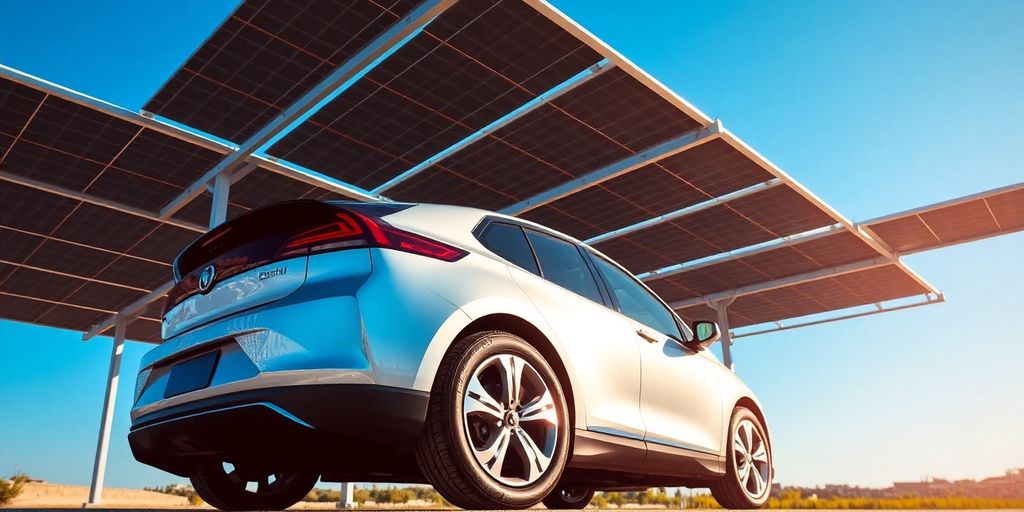
Residential Solar Systems for EV Charging
Imagine waking up each morning to find your electric vehicle fully charged, powered entirely by the sun. This isn’t just a dream for many homeowners who have embraced solar PV-powered electric vehicles. By installing solar panels on their rooftops, they generate clean energy to charge their EVs. This setup not only slashes electricity bills but also shrinks their carbon footprint significantly. Homeowners are finding that the initial investment in solar panels pays off through long-term savings on energy costs.
- Energy Independence: Homeowners are less reliant on the grid, especially during peak demand times.
- Reduced Emissions: Charging with solar power means zero emissions, contributing to a cleaner environment.
- Financial Incentives: Many regions offer tax credits and rebates, making solar installations more affordable.
Public Transportation and Solar Integration
Cities are getting creative with solar energy by integrating it into public transportation. Solar panels are being installed on bus depots and terminals to power electric buses. This approach not only cuts down on fuel costs but also reduces urban air pollution. In some cities, these buses are even equipped with solar panels on their roofs to power auxiliary functions, further enhancing their efficiency.
Public transportation systems are leading the charge in demonstrating how solar energy can be seamlessly integrated into large-scale operations, promoting sustainability and reducing operational costs.
Community Solar Projects for EV Fleets
Community solar projects are popping up as a way to support electric vehicle fleets. These projects involve a shared solar installation that provides power to a group of EVs. It’s a collaborative effort where multiple stakeholders, including local governments, businesses, and residents, come together to invest in solar infrastructure. This not only boosts local renewable energy capacity but also provides a cost-effective way to support EV adoption.
Benefits of Solar Energy for Electric Vehicles
Environmental Impact and Emission Reductions
Switching to solar-powered electric vehicles (EVs) can significantly cut down on greenhouse gas emissions. Solar energy is clean and renewable, meaning when you charge your EV with solar power, you’re not adding any pollution to the air. This reduction in emissions helps combat climate change and contributes to cleaner air in our communities.
Economic Advantages and Cost Savings
One of the biggest perks of using solar energy for your EV is the potential for cost savings. Let’s break it down:
- Reduced Fuel Costs: Charging your vehicle with solar power can drastically reduce your fuel expenses.
- Tax Incentives: Many governments offer tax credits and rebates for installing solar panels and purchasing electric vehicles.
- Long-term Savings: While the initial setup cost might be high, the long-term savings on energy bills can make it a financially smart choice.
Energy Security and Independence
By generating your own electricity through solar panels, you can achieve a higher level of energy independence. This means less reliance on external power sources and fossil fuels. Imagine waking up to find your car fully charged, all thanks to the sun’s energy. This not only ensures a reliable power source but also provides peace of mind during power outages.
Embracing solar energy for electric vehicles isn’t just about saving money or the environment; it’s about creating a sustainable lifestyle that future generations can rely on.
For homeowners utilizing solar power for charging electric vehicles, the combination of reduced electricity costs and minimized carbon emissions offers a sustainable energy solution that’s hard to beat.
Wrapping It Up: Solar Energy and EVs
So, here’s the deal. Solar energy and electric vehicles are like peanut butter and jelly—meant to be together. They both help cut down on pollution and save some cash in the long run. By using the sun to power our cars, we’re not just saving money on gas, but we’re also doing our bit for the planet. Sure, there are some bumps in the road, like not enough charging spots and figuring out how to fit everything into the power grid. But with tech getting better and more folks jumping on the green bandwagon, it’s looking pretty bright. In the end, this combo is a win-win for us and Mother Earth. Let’s keep pushing for a cleaner, greener ride into the future.
Frequently Asked Questions
What is the main benefit of using solar energy to charge electric vehicles?
The main benefit is that it reduces reliance on fossil fuels, making transportation more eco-friendly by lowering greenhouse gas emissions.
How do solar panels work with electric vehicles?
Solar panels capture sunlight and convert it into electricity, which can be used to charge electric vehicles, providing a renewable energy source for transportation.
Are there financial incentives for using solar energy and electric vehicles?
Yes, many governments offer tax credits and rebates to encourage the adoption of solar energy and electric vehicles, making them more affordable.
What challenges exist in using solar energy for electric vehicles?
Some challenges include limited charging infrastructure and the need for better grid integration to handle the intermittent nature of solar power.
Can solar energy power electric vehicles at night?
Solar energy collected during the day can be stored in batteries for use at night, ensuring that electric vehicles have power even when the sun isn’t shining.
How does using solar energy for electric vehicles impact the environment?
It reduces carbon emissions and air pollution, contributing to a cleaner environment by using renewable energy instead of fossil fuels.