

Alright, so solar energy is pretty cool, right? It’s like using the sun to power our lives, which is not only neat but also super important for the planet. But here’s the thing: the weather can really mess with how much energy we get from the sun. Clouds, temperature changes, and different seasons all play a part. In this article, we’re going to look at how these weather patterns affect solar energy production and what that means for using solar power more effectively.
Key Takeaways
- Solar energy is influenced by weather, with clouds and temperature being major factors.
- Technological advances are helping to improve solar panel efficiency even in less sunny conditions.
- Desert areas have great potential for solar power, but cloudy regions are finding ways to adapt too.
- Weather-related challenges in solar energy can also lead to new economic opportunities.
- Understanding solar energy’s impact on the environment helps us make better choices for the future.
Understanding Solar Energy and Its Importance

The Basics of Solar Energy
Solar energy is all about capturing the sun’s rays and turning them into usable power. It’s like when you leave a garden hose out in the sun, and the water inside gets hot—only here, we’re using fancy tech to make electricity. The sun is a giant ball of energy, and we’ve figured out how to tap into it.
Why Solar Energy Matters
Why does solar energy matter? Well, for starters, it’s everywhere. Anywhere the sun shines, solar panels can work. Plus, unlike fossil fuels, it doesn’t run out. And let’s not forget—it’s clean. No smoke, no fumes, just pure, clean power.
- Reduces dependency on non-renewable resources
- Decreases greenhouse gas emissions
- Provides energy security
Solar energy is a game-changer in the quest for sustainable living. It’s about time we make the most of it.
The Role of Solar Energy in Sustainable Development
Solar energy plays a big part in sustainable development. Think about it—using the sun’s power means less pollution and a healthier planet. It can help communities grow without harming the environment. And it’s not just about electricity. Solar energy can heat water, power vehicles, and even help with agriculture. It’s a versatile tool in the fight against climate change.
How Weather Patterns Affect Solar Energy Production
Impact of Cloud Cover on Solar Panels
Clouds can be a real bummer for solar panels. When clouds roll in, they block the sun’s rays, which means less sunlight hits the panels. This can seriously cut down on how much energy the panels produce. Here’s a quick look at how different cloud conditions can affect solar energy output:
- Clear skies: Panels work at full capacity.
- Partly cloudy: Energy production drops by 10-20%.
- Overcast: Production can fall by over 50%.
Even though clouds can mess with solar panels, they’re not a total deal-breaker. Panels still work, just not as efficiently.
The Role of Temperature in Solar Efficiency
Temperature plays a surprising role in how well solar panels work. You might think hotter is better, but that’s not always the case. Solar panels actually work best at moderate temperatures. When it gets too hot, the efficiency can drop.
- Optimal temperature range: 15°C to 35°C (59°F to 95°F)
- Efficiency loss per degree over 25°C (77°F): About 0.5%
So, while sunny days are great, extreme heat can actually be a drag on the efficiency of commercial solar panels.
Seasonal Variations in Solar Energy Output
Seasons have a big say in how much solar energy you can get. In summer, the days are longer, and the sun is higher in the sky, which means more sunlight and more energy. But in winter, the opposite happens. Shorter days and a lower sun angle mean less energy.
Here’s how the seasons typically break down:
- Spring: Increasing daylight and moderate temperatures boost efficiency.
- Summer: Long days maximize output, but high temperatures can reduce efficiency.
- Fall: Decreasing daylight, but cooler temperatures maintain efficiency.
- Winter: Short days and low sun angles reduce energy production.
Solar energy production is like a dance with nature, constantly shifting with the weather and seasons. Understanding these patterns helps in planning and optimizing solar energy systems.
Technological Innovations in Solar Energy
Advancements in Solar Panel Technology
Solar panel technology has come a long way, with recent advancements in solar panel technology focusing on making solar cells more efficient and affordable. The push for new materials that are both abundant and eco-friendly is changing the game. Flexible solar panels are now a thing, and they’re opening up new possibilities for solar energy use in places we never thought possible. Manufacturing techniques have also improved, reducing costs and making solar panels more accessible to everyone.
Smart Grids and Solar Energy
Smart grids are revolutionizing how we think about energy distribution. These grids can handle the ebb and flow of solar energy, which isn’t always consistent. They’re designed to balance supply and demand, making sure that energy is available when you need it. Smart grids also help in integrating solar energy into the larger power system, reducing reliance on fossil fuels.
The Future of Solar Energy Storage
Energy storage is the next big thing in solar technology. Batteries that can store solar energy for use at night or during cloudy days are becoming more efficient and affordable. This means that solar energy can be a reliable power source, even when the sun isn’t shining. The future looks bright for solar energy storage, with innovations that promise to make solar energy a viable option for everyone.
As technology continues to evolve, the potential for solar energy to become a primary power source grows. It’s exciting to see how these innovations are shaping the future of energy.
Case Studies: Solar Energy and Weather Patterns
Solar Energy in Desert Climates
Desert climates, with their vast open spaces and abundant sunshine, are often seen as ideal for solar panel efficiency. The persistent sunlight provides a reliable source of energy, making deserts prime locations for large solar farms. However, these regions also present challenges like dust accumulation on panels, which can reduce their efficiency. Regular maintenance and cleaning become essential to maintain optimal performance.
Harnessing Solar Power in Cloudy Regions
In areas frequently covered by clouds, solar energy production might seem less feasible. Despite this, technological advancements have made it possible to harness solar power even in less sunny regions. Innovations like bifacial panels, which capture sunlight from both sides, and enhanced energy storage systems have made solar energy viable in these areas. It’s all about adapting technology to meet environmental challenges.
Lessons from Solar Farms Worldwide
Solar farms across the globe offer valuable insights into the relationship between weather patterns and solar energy production. For instance, solar farms in Germany have shown that even in countries with moderate sunlight, solar energy can significantly contribute to the national grid. Key lessons include the importance of strategic placement and the integration of smart technology to optimize energy capture and distribution.
Solar energy is not just about placing panels under the sun; it’s about understanding and adapting to the environment. Whether it’s the blazing sun of the desert or the overcast skies of a cloudy region, each setting offers unique opportunities and challenges for solar power.
To sum it up, the interplay between solar energy and weather patterns is complex but manageable. By learning from existing projects and continuously innovating, solar power can be a reliable energy source regardless of the weather.
Challenges and Opportunities in Solar Energy Production
Overcoming Weather-Related Challenges
Weather is always a bit unpredictable, right? And when it comes to solar energy, this unpredictability can be a real headache. Cloudy days and unexpected weather changes can drastically reduce solar energy output. It’s like planning a picnic and then it rains. But don’t worry, there’s hope. Engineers and scientists are on it, developing better forecasting models and more efficient solar panels that can handle these ups and downs.
Here’s what they’re doing to tackle these weather-related hurdles:
- Advanced Forecasting Tools: Improved weather prediction models help in planning and optimizing solar energy production.
- Adaptive Solar Panels: New panel designs can adjust to varying light conditions to maintain efficiency.
- Energy Storage Solutions: Batteries and other storage technologies are being developed to store excess energy for cloudy days.
Economic Opportunities in Solar Energy
Solar energy isn’t just about saving the planet; it’s also a booming business. The industry is growing, creating jobs, and driving economic growth. Here’s how:
- Job Creation: From manufacturing to installation, solar energy provides numerous job opportunities.
- Investment Potential: With falling costs and rising demand, investing in solar energy is becoming more attractive.
- Local Economic Growth: Solar projects can boost local economies by providing jobs and reducing energy costs.
Policy and Regulatory Considerations
Navigating the world of policies and regulations can be tricky. Governments are constantly updating laws to support solar energy. But, there’s still a lot to figure out. For instance, how do we balance incentives for solar companies with environmental regulations? It’s a work in progress.
- Incentives and Subsidies: Governments offer various incentives to encourage solar energy adoption.
- Regulatory Challenges: Navigating through complex regulations can be a barrier for new solar projects.
- Policy Evolution: As technology advances, policies must adapt to support new innovations.
The journey to harnessing solar power is filled with both challenges and opportunities. While weather and regulations pose hurdles, the potential for economic growth and technological innovation makes solar energy a bright spot in the renewable energy landscape.
In the solar energy sector, SETO competitions are helping to tackle industry challenges by offering cash prizes and expert assistance, pushing the boundaries of what’s possible in a short period.
The Environmental Impact of Solar Energy
Reducing Carbon Footprint with Solar Energy
Solar energy is a game-changer in the fight against climate change. By using sunlight to generate electricity, we can significantly cut down on carbon emissions. Solar panels don’t release greenhouse gases during operation, which makes them a clean energy source. This is a huge advantage over fossil fuels, which are notorious for their carbon footprint. Switching to solar energy can help us move towards a more sustainable future.
Land Use and Solar Farms
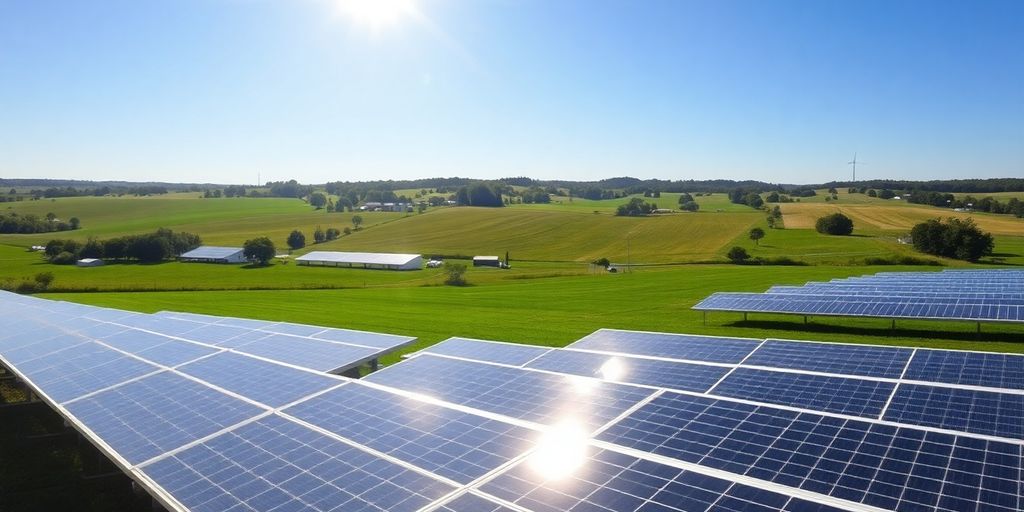
Setting up solar farms does require land, and sometimes a lot of it. This can be tricky, especially in areas where land is scarce or expensive. However, there are smart ways to use land for solar energy without causing too much disruption. For instance, solar panels can be installed on rooftops or in desert regions where the land isn’t being used for agriculture. By carefully planning where to place solar farms, we can minimize their impact on the land.
Biodiversity and Solar Energy Projects
One concern with solar energy projects is how they affect local wildlife and ecosystems. The construction of solar farms can disrupt habitats, but there are ways to mitigate this. For example, solar farms can be designed to allow for vegetation growth underneath and around the panels, supporting local biodiversity. It’s essential to consider these factors when planning solar energy projects to ensure that they are as eco-friendly as possible.
Embracing solar energy not only helps reduce our carbon footprint but also paves the way for innovative solutions in land and wildlife management. By addressing these challenges, we can make solar energy a truly sustainable resource.
Incorporating solar energy into our lives is not just about cutting down on emissions—it’s about finding a balance between energy needs and environmental stewardship. The economic benefits of solar energy, like job creation and lower energy costs, make it a promising alternative to traditional energy sources.
Future Trends in Solar Energy and Weather Patterns
Predictive Analytics in Solar Energy
Predictive analytics is becoming a game-changer in solar energy. By analyzing historical weather data and patterns, solar companies can better forecast energy production. This means fewer surprises and more reliable energy supply. Imagine knowing exactly how much energy you’ll generate next month based on weather predictions. That’s the power of predictive analytics.
- Improved forecasting accuracy
- Better resource allocation
- Enhanced grid stability
Integrating Weather Forecasting with Solar Production
Weather forecasting is being tightly integrated with solar production systems. This integration helps in adjusting operations based on real-time weather changes. For instance, if a storm is predicted, systems can be optimized to minimize downtime. This not only boosts efficiency but also ensures a steady supply of solar energy.
- Real-time weather data integration
- Automated system adjustments
- Reduced operational costs
Emerging Markets for Solar Energy
New markets are popping up for solar energy, especially in regions previously considered unviable. Advances in technology and better weather data analysis are making solar energy feasible in areas with less sunlight. This opens up opportunities for regions to tap into renewable energy sources, reducing their reliance on traditional power grids.
As technology continues to evolve, solar energy is no longer limited to sunny regions. Even cloudy areas can now harness the power of the sun, thanks to innovative solutions.
In conclusion, the future of solar energy is bright, with more efficient solar panels leading the charge. These trends are setting the stage for a more sustainable and reliable energy landscape.
Wrapping It Up
So, after looking at how solar energy and weather patterns mix, it’s clear there’s a lot going on. Weather can really mess with how much solar power we can make. Cloudy days? Not so great for solar panels. But when the sun’s out, it’s a different story. It’s like a dance between the sun and the clouds, and we’re just trying to keep up.
This whole thing shows us that renewable energy isn’t just about having the tech. We need to understand nature too. It’s a bit of a balancing act. As we keep pushing for more green energy, knowing how weather affects solar power will help us plan better. It’s not perfect, but it’s a step in the right direction. Who knows? Maybe one day we’ll have it all figured out. For now, we just keep learning and adapting.
Frequently Asked Questions
What is solar energy and why is it important?
Solar energy comes from the sun and is a clean power source. It’s important because it helps reduce pollution and fight climate change.
How do clouds affect solar panels?
Clouds can block sunlight, making solar panels less effective. On cloudy days, solar panels might produce less electricity.
Can solar panels work in cold weather?
Yes, solar panels can work in cold weather. They actually work better in cooler temperatures, but they need sunlight to produce energy.
What are some new technologies in solar energy?
New technologies include better solar panels, smart grids, and improved ways to store solar energy for later use.
How can solar energy help the environment?
Solar energy helps the environment by cutting down on harmful emissions and reducing the need for fossil fuels, which can harm the planet.
What are the challenges of using solar energy?
Some challenges include dealing with weather changes, the cost of solar panels, and needing space to set up solar farms.