

Solar panels are making waves in how we think about powering our homes and businesses. They’re popping up on rooftops and in fields, promising cleaner energy and lower bills. But how do they really affect our electrical grids? Let’s break down the benefits and challenges of integrating solar power into our existing systems.
Key Takeaways
- Solar panels can significantly reduce carbon emissions, helping the environment.
- They offer a way to lessen our dependence on fossil fuels, promoting energy independence.
- Homeowners can save money on electricity bills and even earn credits through net metering.
- Challenges like energy storage and grid compatibility need addressing for smoother integration.
- Technological advances are paving the way for better battery storage and smarter grids.
Understanding The Basics of Solar Panels and Electrical Grids
How Solar Panels Work
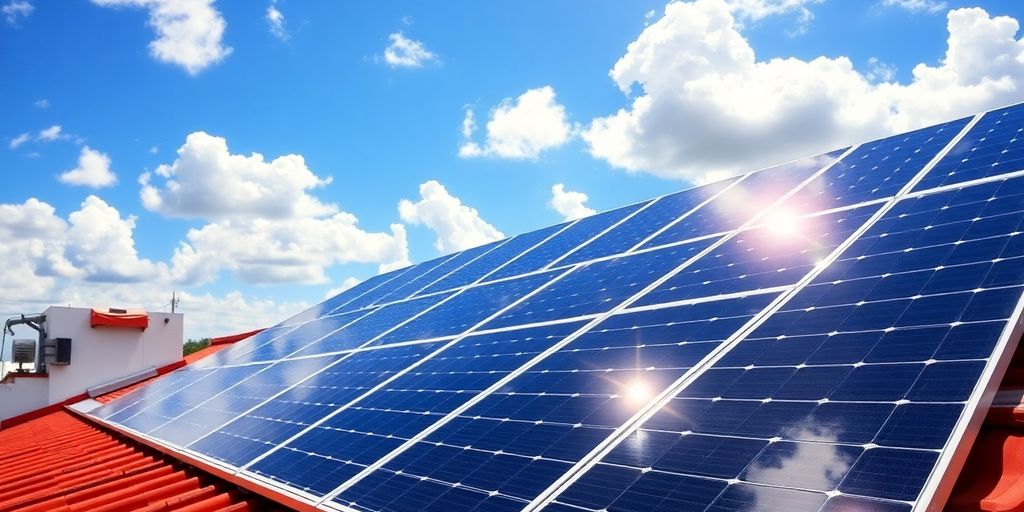
Solar panels are fascinating devices that convert sunlight into electricity. They primarily use the photovoltaic effect, where sunlight hits a silicon-based panel, causing electrons to move and generate an electric current. This process is clean and renewable, making it a popular choice for reducing reliance on fossil fuels. However, the efficiency of solar panels can vary depending on several factors, such as their orientation and the local climate. For instance, panels facing the sun directly produce more energy than those in the shade or facing away.
The Role of Electrical Grids
The electrical grid is an essential component of modern energy infrastructure. It acts as a vast network that delivers electricity from producers to consumers. Grids are designed to balance supply and demand, ensuring that homes and businesses have a steady power supply. They include power lines, transformers, and substations, all working together to distribute electricity efficiently. Without this intricate system, integrating renewable energy sources like solar would be much more challenging.
Integration of Solar Panels into Grids
Integrating solar panels into the electrical grid involves several steps and considerations. One key aspect is ensuring that the grid can handle the variable nature of solar power, which can fluctuate with weather conditions. This is where technologies like smart grids and battery storage come into play, helping to manage and store excess energy for later use. Additionally, policies and regulations must be in place to support this integration, allowing for net metering and other incentives that encourage solar adoption. As technology advances, the integration process becomes smoother, paving the way for a more sustainable energy future.
As we continue to explore solar energy’s potential, understanding how it fits into our existing electrical grid is crucial. This knowledge not only helps in maximizing the benefits of solar power but also in addressing the challenges that come with it.
Benefits of Solar Panels on Electrical Grids
Reduction in Carbon Emissions
Solar panels are a game-changer when it comes to cutting down carbon emissions. They harness the sun’s energy, which is clean and renewable, to generate electricity. This means no greenhouse gases or pollutants are released into the atmosphere during their operation. Switching to solar power can significantly lower the carbon footprint of energy production. By reducing reliance on fossil fuels, solar panels help combat climate change and promote a healthier environment.
Decreased Reliance on Fossil Fuels
With solar panels, we can lessen our dependence on traditional energy sources like coal, oil, and natural gas. These fossil fuels are not only finite but also contribute to environmental degradation. Solar energy offers a sustainable alternative that can meet a substantial portion of our energy needs. As more homes and businesses adopt solar technology, the demand for fossil fuels decreases, leading to a cleaner and more sustainable energy landscape.
Economic Advantages for Consumers
Solar panels can also bring economic benefits to consumers. By generating their own electricity, homeowners can reduce their utility bills and even earn money through programs like net metering, where excess energy is sold back to the grid. Additionally, homes with solar installations often see an increase in property value. The investment in solar technology pays off over time, not just in savings but also in potential financial returns. Moreover, rooftop solar energy systems, especially when paired with storage solutions, provide a reliable backup power source, enhancing daily grid reliability and offering peace of mind during outages.
Solar panels aren’t just about saving the planet; they’re also about saving money and securing a stable energy future. As technology advances, these benefits will only become more pronounced, making solar energy an increasingly attractive option for everyone.
Challenges in Integrating Solar Panels with Electrical Grids
Intermittency and Reliability Issues
Solar energy is fantastic when the sun’s out, but what happens when it’s not? This is where balancing supply and demand in real-time becomes a real headache. Solar power is intermittent by nature—cloudy days or nighttime can disrupt the energy flow, leading to reliability issues. Without a way to store excess energy produced during sunny periods, there’s a gap when the sun isn’t shining. Batteries can help, but they come with a hefty price tag and require regular maintenance. Plus, they might not even cover peak energy needs during extreme weather.
Grid Infrastructure Limitations
Our current grid setup wasn’t exactly built with solar power in mind. Many grids are old and can’t handle the fluctuations that come with solar energy. Upgrading these infrastructures is a massive and expensive task. It involves not just technical changes but also logistical challenges, like coordinating with various stakeholders and ensuring minimal disruption to existing services. Plus, there’s the issue of geographic variation—solar panels are more effective in sunny areas, so grids in less sunny regions might struggle even more.
Regulatory and Policy Challenges
Navigating the regulatory landscape can be a nightmare. Policies around solar energy vary widely, and they can be confusing or even contradictory. Incentives might be available in one area but not another, and these policies can change with political tides. For solar to thrive, consistent policies are needed, but achieving this is easier said than done. There’s also the challenge of getting everyone on the same page—utilities, regulators, and consumers all have different priorities and concerns.
The road to integrating solar energy into our grids is paved with challenges, but each hurdle represents an opportunity for innovation and improvement.
Technological Innovations Enhancing Solar Grid Integration
Advancements in Battery Storage
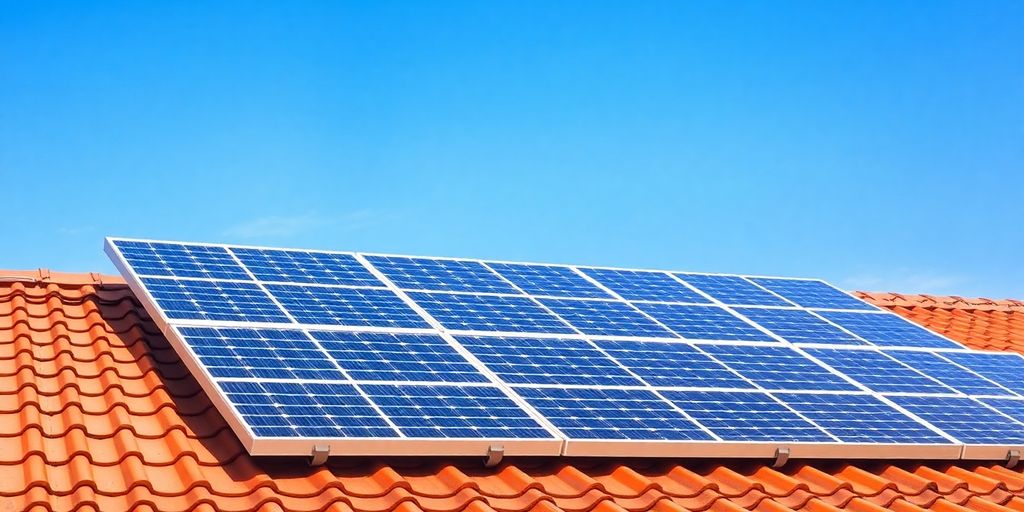
Batteries are getting better and cheaper, making it easier for people to store solar energy for when the sun isn’t shining. New types of batteries, like solid-state ones, charge faster and are safer. But they still cost a lot. Right now, the price for a battery system that can power your home is between $8,500 and $10,000, and that doesn’t even cover installation or maintenance. As these technologies improve, more people might be able to go off-grid.
- Lithium-ion batteries: These are the most common today and are becoming more efficient.
- Solid-state batteries: They promise faster charging and longer life spans.
- Flow batteries: Offer scalable solutions for larger energy storage needs.
Smart Grid Technologies
Smart grids are changing how we use and share solar power. These systems use advanced software to manage energy better, making sure that the power produced matches the power used. They help balance the load and make the grid more reliable.
- Real-time monitoring: Keeps track of energy use and production.
- Automated controls: Adjust the flow of electricity based on demand.
- Net metering: Lets homeowners sell extra power back to the grid and earn credits.
Smart grids are like the brains of the power network, constantly adjusting to keep everything running smoothly.
Emerging Solar Panel Technologies
Solar panels themselves are getting a makeover. Recent advancements in solar panel technology are making them more efficient and flexible. New materials and designs are allowing panels to capture more sunlight and even work on cloudy days.
- Bifacial panels: Capture sunlight from both sides, boosting efficiency.
- Flexible panels: Can be installed on surfaces that traditional panels can’t cover.
- Multi-junction cells: Increase efficiency by using different materials to capture more light.
These technological leaps are making solar energy more reliable and accessible, paving the way for a future where clean energy is the norm.
Environmental and Economic Impacts of Solar Panels
Life Cycle and Recycling of Solar Panels
Solar panels are designed to last for decades, but like all things, they eventually wear out. Most panels keep about 80% of their efficiency after 30 years. But then what? They can’t just sit in a landfill. The recycling of solar panels is tricky. Some contain materials that can harm the environment if not disposed of properly. Plus, the mining and manufacturing process isn’t always green. It can add to the carbon footprint, which kind of defeats the purpose. Luckily, there’s hope. Some researchers are finding ways to recycle solar panels, especially the silicon in them. This could cut down on waste and make solar energy even cleaner.
Impact on Property Values
Ever thought about how solar panels affect your home’s value? Well, they usually boost it. Homes with solar panels can sell for up to $15,000 more than similar homes without them. That’s a nice chunk of change. Buyers like the idea of lower electricity bills and even making money by selling extra power back to the grid. It’s a win-win for everyone involved.
Cost-Effectiveness and Return on Investment
Solar panels aren’t cheap, but they can pay off in the long run. Federal and state incentives can lower installation costs. Plus, the price of solar technology has been dropping. In fact, the Department of Energy is working to make solar even more affordable by 2030. Once installed, solar panels have low maintenance costs and can generate electricity for 25 years or more. They work in any climate, too. Snow can even help by reflecting sunlight and cleaning the panels as it melts. With all these benefits, solar panels can be a smart investment. Just remember, solar power significantly reduces carbon emissions and dependence on nonrenewable resources, highlighting its economic and environmental advantages.
Solar panels are more than just a way to cut down on electricity bills. They represent a commitment to a cleaner, more sustainable future. As technology advances and recycling methods improve, the environmental impact of solar energy will likely decrease, making it an even more attractive option for homeowners and businesses alike.
Future Prospects for Solar Panels in Electrical Grids
Trends in Solar Energy Adoption
Solar energy adoption is on the rise, with increasing interest from both residential and commercial sectors. As more people become aware of the environmental benefits and potential cost savings, solar panels are becoming a common sight in neighborhoods and business districts. The future of utility-scale solar trends highlights increased deployment and capacity growth, driven by the demand for renewable energy from large-scale data centers. However, challenges like severe weather conditions pose risks to infrastructure. To overcome these, advances in technology and infrastructure resilience are crucial.
Potential for Off-Grid Solutions
Off-grid solar solutions offer a significant opportunity for areas with limited access to traditional electrical grids. These systems can provide reliable power in remote locations, reducing dependency on fossil fuels. Advances in battery technology and energy management systems are making off-grid solutions more viable and cost-effective. The potential for off-grid solar is particularly promising in regions that face frequent power outages or lack consistent grid access.
Government Incentives and Policies
Government incentives continue to play a vital role in the adoption of solar energy. Tax credits, rebates, and other financial incentives make solar installations more affordable for homeowners and businesses. Policies aimed at reducing carbon emissions and promoting renewable energy sources are expected to further boost the solar industry. As governments worldwide commit to green energy targets, the solar sector is poised for significant growth, paving the way for a cleaner and more sustainable future.
The journey towards integrating solar panels into electrical grids is not without its hurdles, but the potential benefits far outweigh the challenges. With continued innovation and supportive policies, solar energy will likely become a cornerstone of global energy solutions.
Conclusion
So, there you have it. Solar panels are a mixed bag of benefits and challenges. On the plus side, they can save you money on your electricity bill and even boost your home’s value. Plus, they’re a clean energy source, which is great for the planet. But, let’s not forget the hurdles. The initial cost can be steep, and storing solar energy isn’t cheap either. Plus, if your roof isn’t sun-friendly, you might be out of luck. Despite these bumps, technology is improving, and more solutions are popping up. So, while solar panels aren’t perfect, they’re definitely a step in the right direction for a greener future.
Frequently Asked Questions
How do solar panels generate electricity?
Solar panels use sunlight to create electricity. They have special cells that turn sunlight into power for your home or gadgets.
What are the benefits of using solar panels?
Solar panels help reduce electricity bills, are good for the environment, and can increase your home’s value.
Are there any downsides to solar panels?
Yes, solar panels can be expensive to install, and they need sunlight to work well. They might not work as efficiently on cloudy days.
Can solar panels work in all climates?
Solar panels can work in most climates, but they produce less electricity on cloudy days. Snow can help by cleaning the panels and reflecting sunlight.
Do solar panels need a lot of maintenance?
Solar panels require little maintenance. Just keep them clean and check for any damage now and then.
How long do solar panels last?
Solar panels usually last about 25 to 30 years, but they can keep working longer with proper care.