

Ever thought solar panels were just for rooftops? Think again. They’re popping up in the most unexpected places, doing things you’d never imagine. From purifying water to powering urban farms, these panels are breaking new ground. It’s not just about electricity anymore; it’s about creativity and sustainability. Let’s dive into some of the coolest ways solar panels are being used today.
Key Takeaways
- Solar panels are being used for more than just generating electricity, like purifying water and improving urban farming.
- Innovative designs are making solar panels a part of transportation systems, including buses and trains.
- In disaster relief, portable solar solutions are providing crucial energy in remote and emergency situations.
- Smart home technology is integrating solar panels for better energy management and automation.
- The fashion industry is exploring solar-powered wearables and accessories, merging style with sustainability.
Harnessing Solar Panels for Water Purification
Solar Desalination Techniques
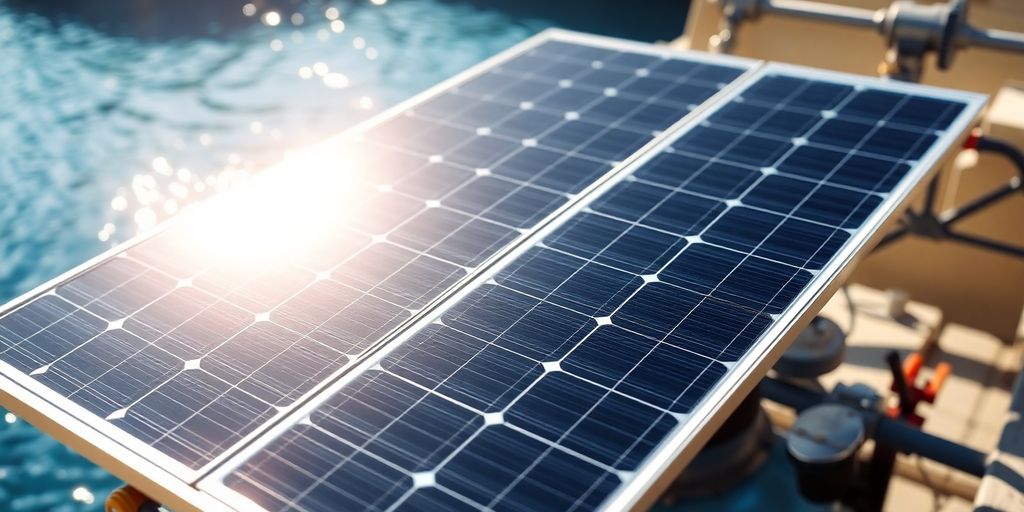
Using solar panels for desalination is like turning the sun into a giant water filter. Basically, you use the sun’s heat to evaporate seawater, leaving the salt behind. Then, you condense the steam back into liquid, and ta-da, fresh water! It’s a pretty neat trick. The best part? It doesn’t need any electricity, just sunlight. There are a few ways to do this:
- Solar Stills: These are like mini greenhouses that trap the sun’s heat to evaporate water.
- Solar-Powered Reverse Osmosis: This method uses solar energy to power pumps that push water through filters, removing salt and impurities.
- Multi-Effect Distillation: Uses solar heat to evaporate water in stages, which is efficient and effective.
Solar-Powered Water Filtration Systems
Solar panels aren’t just for making electricity; they can power water filtration systems too. This means you can have clean drinking water even in places without a power grid. It’s all about using the sun to run pumps and filters that remove dirt and germs from water. Here’s how it works:
- Solar Panels Collect Energy: They soak up sunlight and convert it into electricity.
- Powering the Filtration System: This electricity runs the pumps and filters in the system.
- Delivering Clean Water: Finally, the system pumps out filtered water, ready to drink.
Benefits of Solar Water Purification
Switching to solar-powered water purification has some big perks. First off, it’s eco-friendly. You’re using a renewable energy source, so there’s no pollution from burning fossil fuels. Second, it’s cost-effective. Once you’ve set up the system, the sun provides free energy. Plus, it’s super handy for remote areas where electricity isn’t available. Overall, solar water purification is a smart move for both the planet and your wallet.
Imagine having a reliable source of clean water without worrying about electricity bills or power outages. That’s the promise of solar-powered purification systems, bringing sustainable solutions to communities worldwide.
Solar Panels in Urban Agriculture
Vertical Farming with Solar Energy
In the bustling heart of cities, space is a luxury. That’s where solar energy comes in, playing a big role in vertical farming. Imagine towering structures filled with layers of crops, all powered by the sun. These farms can produce fresh food right where people live, cutting down on transport emissions and reducing reliance on imported goods. Plus, they help fight climate change by using sustainable practices. It’s a win-win for urban areas aiming to be greener and more self-sufficient.
Solar Greenhouses: Enhancing Crop Growth
Solar greenhouses are like regular greenhouses but supercharged. They use solar panels to power heating and cooling systems, ensuring that plants get the perfect environment all year round. This means more consistent crop yields and the ability to grow a wider variety of plants. Farmers can save on energy costs, and the environment benefits from less reliance on fossil fuels. It’s about making agriculture work smarter, not harder.
Community Gardens Powered by Solar
Community gardens bring people together, and when they’re powered by solar panels, they become even more sustainable. Solar energy can be used to run irrigation systems, lighting, and even small tools, making these gardens more efficient and eco-friendly. They provide a space for people to learn about gardening, sustainability, and the benefits of renewable energy. Plus, they offer fresh produce to communities, promoting healthier lifestyles and stronger community bonds.
Urban agriculture powered by solar panels isn’t just a trend; it’s a necessary evolution. As cities grow, finding ways to integrate green practices into everyday life is crucial. Solar panels offer a practical and sustainable solution, helping urban areas become more resilient and self-sufficient. Embracing solar-powered urban agriculture could be a key step toward a more sustainable future.
Solar-Powered Transportation Solutions
Solar Buses and Trains: The Future of Public Transit
The world of public transportation is gradually shifting towards greener alternatives, and solar energy is right at the forefront. Solar-powered buses and trains are not just concepts anymore; they are becoming a reality in many parts of the world. By installing solar panels on the roofs of buses and trains, these vehicles can harness the sun’s energy to power onboard systems, reducing their reliance on fossil fuels. This shift not only helps in cutting down emissions but also significantly lowers operational costs for transit agencies.
- Solar panels on buses can power:
- Trains equipped with solar panels can use the energy for:
Integrating Solar Panels into Electric Vehicles
Electric vehicles (EVs) are already a step towards sustainable transportation, but integrating solar panels takes them a notch higher. Solar panels can be mounted on the roofs of EVs, allowing them to charge while parked or even while driving. This integration extends the range of EVs and reduces the need for frequent charging stops.
- Benefits of solar-integrated EVs include:
- Extended driving range
- Reduced dependency on charging stations
- Lower electricity costs
Solar Charging Stations for Urban Mobility
As cities grow and the number of EVs increases, the demand for solar-powered EV charging stations is rising. These stations utilize solar panels to convert sunlight into electricity, providing a sustainable and eco-friendly solution for charging electric vehicles. They are often strategically placed in high-traffic areas such as:
- Parks
- City centers
- Public plazas
These stations not only help reduce reliance on traditional power sources but also contribute to lowering carbon emissions, making them a significant innovation in the transition to renewable energy and electric mobility.
Solar charging stations are more than just a place to power up your car; they are a step towards a cleaner, greener urban landscape. By embracing solar technology, cities can lead the charge in sustainable development, setting an example for communities worldwide.
Innovative Solar Panel Designs and Aesthetics
Transparent Solar Panels for Windows
Transparent solar panels are like the cool, new windows on the block. They let sunlight in while generating power, making them perfect for skyscrapers or any building with lots of glass. Imagine your office windows not just giving you a view but also powering your computer. These panels are a game-changer, especially in urban areas where space is tight. They blend right in, so you don’t even notice them doing their thing.
Solar Roof Tiles: Blending with Architecture
Ever looked at a house and thought, "Those solar panels stick out like a sore thumb"? Enter solar roof tiles. These tiles mimic the look of regular roof tiles, so your house keeps its charm while going green. Solar roof tiles are a sleek solution for homeowners who want to embrace solar energy without compromising on aesthetics. They’re pricier than traditional panels, but the seamless look might be worth it if you’re all about curb appeal.
Artistic Solar Installations in Public Spaces
Art and energy can go hand in hand, and artistic solar installations are proof. These projects turn solar panels into pieces of art that double as energy generators. Think solar sculptures or colorful panel arrays that brighten up a park while powering the lights. They’re not just functional; they’re a conversation starter, showing how creative we can get with renewable energy.
As solar technology evolves, the focus is not just on efficiency but also on how these panels fit into our lives visually. The future of solar is as much about style as it is about sustainability.
Solar Panels in Disaster Relief and Remote Areas
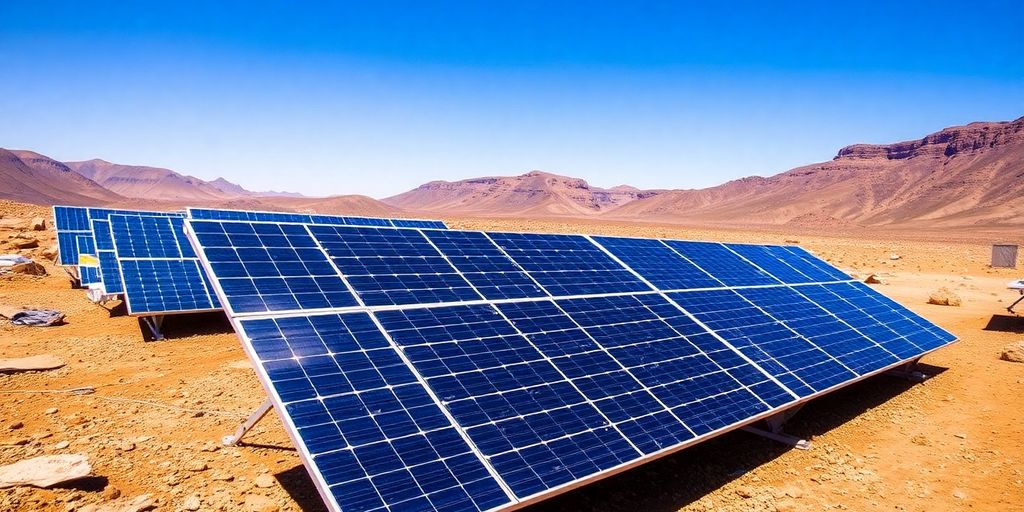
When disaster strikes, having a reliable power source is crucial. Portable solar solutions have become a game-changer in emergency situations. These compact systems can be quickly deployed to provide essential power for medical equipment, communication devices, and lighting. They’re lightweight and easy to transport, making them ideal for rapid response teams working in challenging environments. The ability to generate electricity without relying on fuel supplies or existing infrastructure is invaluable, especially in the immediate aftermath of a disaster.
Solar-Powered Communication Systems
Communication is key during a crisis, and solar-powered systems ensure that lines remain open. These systems can power satellite phones, radios, and internet connections, enabling coordination between rescue teams and affected communities. Solar panels can be set up swiftly, ensuring that communication networks are restored and maintained even in remote or severely impacted areas.
Providing Clean Energy to Off-Grid Communities
Solar panels are not just for emergencies; they’re also transforming life in off-grid communities. By harnessing solar energy, these communities gain access to clean, renewable power that supports everyday activities. This energy can be used for lighting, refrigeration, and even powering small businesses, leading to improved quality of life and economic opportunities. In regions where traditional power infrastructure is lacking or unreliable, solar panels offer a sustainable and practical solution.
In both disaster relief and remote living, solar technology is proving to be more than just an energy source—it’s a lifeline. The flexibility and resilience of solar solutions make them indispensable tools in ensuring safety, connectivity, and development in areas that need it most.
Integrating Solar Panels with Smart Home Technology
Smart Energy Management Systems
Combining solar panels with smart home systems is like having a personal energy assistant. These systems allow you to monitor and control energy usage in real-time. Imagine adjusting your home’s energy settings from your smartphone, optimizing when your solar panels charge your battery, or even selling excess power back to the grid. This integration can lead to significant savings on your energy bills.
- Monitor energy consumption remotely
- Automate energy usage based on solar production
- Maximize savings by using solar power during peak rates
Solar-Powered Home Automation
Solar panels can power more than just lights and appliances; they can automate your entire home. From smart thermostats to automated blinds, solar energy can keep your home comfortable and efficient. Picture a scenario where your smart home system adjusts the thermostat when you’re away, saving energy without sacrificing comfort.
- Power smart devices with solar energy
- Automate home systems based on solar availability
- Reduce reliance on the grid with solar automation
Enhancing Home Security with Solar Technology
Solar panels can also boost your home’s security. Powering security cameras, motion sensors, and smart locks with solar energy ensures they remain operational during power outages. Plus, with smart integration, you can receive alerts and monitor your home security from anywhere.
- Keep security systems running during outages
- Monitor and control security remotely
- Increase reliability with solar-powered security
Integrating solar panels with smart home technology isn’t just about saving money. It’s about creating a seamless, efficient, and secure living environment. With the added benefit of smart grid integration, homeowners can optimize energy use and potentially reduce costs, making smart homes even smarter.
Solar Panels in the Fashion Industry
Wearable Solar Technology
Wearable solar tech is like a game-changer in fashion. Imagine jackets and backpacks that can charge your gadgets while you’re on the move. Solar fabric is revolutionizing wearable electronics by integrating solar technology, allowing users to charge their smartphones and monitor fitness and activity levels seamlessly. Designers are getting super creative, embedding tiny solar panels into everyday clothes without compromising style. It’s all about mixing tech with fashion, making sure you’re never out of battery while looking good.
Solar-Powered Fashion Accessories
Fashion accessories are getting a solar makeover too. Think of hats with built-in solar panels that power a tiny fan to keep you cool, or handbags that charge your phone. These are not just cool gadgets; they’re practical. A lot of these accessories are also eco-friendly, using sustainable materials to complement the solar tech. It’s a win-win for fashionistas who care about the planet and want to stay connected.
Sustainable Fashion with Solar Integration
Sustainability is a big deal in fashion right now, and solar panels are playing a part. Brands are starting to use solar energy in their production processes, reducing their carbon footprint. Some are even integrating solar panels into their retail spaces to power their stores. This shift towards solar is helping the fashion industry become more eco-friendly. It’s not just about looking good; it’s about doing good too.
The fashion industry’s shift towards solar power is not just a trend; it’s a commitment to a more sustainable future. As more brands embrace solar, we’re seeing a transformation in how fashion impacts the environment.
Conclusion
So, there you have it. Solar panels aren’t just for rooftops anymore. They’re popping up in all sorts of unexpected places, doing things we never thought possible. From floating on water to blending into our homes’ designs, the possibilities seem endless. It’s exciting to think about where this technology will go next. Maybe one day, we’ll see solar panels in places we can’t even imagine right now. The future of solar energy is bright, and it’s not just about electricity anymore. It’s about creativity, innovation, and finding new ways to harness the sun’s power. Who knows what we’ll come up with next?
Frequently Asked Questions
What are some new ways to use solar panels?
Solar panels can be used for things like cleaning water, growing food in cities, and even in fashion for wearable tech.
How do solar panels help in emergencies?
In emergencies, portable solar panels can provide power for communication devices and basic needs in places without electricity.
Can solar panels be used in cars?
Yes, solar panels can be used to power electric vehicles and charging stations, helping reduce the need for traditional fuels.
How can solar panels be part of smart homes?
Solar panels can work with smart home systems to manage energy use better, power home gadgets, and even boost security.
Are there solar panels that look different from the usual ones?
Yes, there are solar panels that look like roof tiles or windows, and even artistic designs for public spaces.
Can solar panels help in farming?
Solar panels can be used in vertical farms and greenhouses to help grow crops using less energy.