

Solar panels are designed to convert sunlight into electricity, but many people wonder about their impact on heat. Do they increase the temperature around them, or do they help keep homes cooler? This article will explore various aspects of solar panels and their relationship with heat, including how they work, their environmental effects, and tips for homeowners.
Key Takeaways
- Solar panels convert sunlight into electricity, absorbing some heat but also reflecting a lot away.
- The PV heat island effect can raise temperatures around large solar farms, but the overall impact is small.
- Solar panels can actually help cool homes by reflecting heat away and reducing the need for air conditioning.
- Using special coatings and structures can help keep solar panels cooler and more efficient.
- Homeowners can help manage heat by choosing quality panels and keeping them clean.
Understanding How Solar Panels Work
Solar panels are designed to capture sunlight and convert it into electricity. They do this by using special materials called photovoltaic cells. These cells absorb sunlight and generate electricity by knocking electrons loose from their atoms.
Photovoltaic Cells and Electricity Generation
- Photovoltaic cells are the heart of solar panels.
- They work by converting sunlight into direct current (DC) electricity.
- An inverter then changes this DC electricity into alternating current (AC) for home use.
Heat Absorption and Temperature Range
Solar panels can get quite hot when exposed to direct sunlight. The temperature of a solar panel can range from:
| Temperature Range | Description |
|---|---|
| 59°F – 95°F | Peak power generation |
| Up to 149°F | High heat during summer |
Impact of Heat on Solar Panel Efficiency
Heat can affect how well solar panels work. As the temperature rises, the efficiency of the panels can drop. This means they produce less electricity when they are too hot.
Understanding how solar panels work is essential for maximizing their efficiency and energy production.
The PV Heat Island Effect
What is the PVHI Effect?
The Photovoltaic Heat Island (PVHI) effect occurs when areas with solar panels become warmer than their surroundings. This happens because solar panels absorb sunlight and can trap heat.
Impact on Surface Temperatures
Research shows that solar panel installations can raise local temperatures. For example:
- Average temperature in a PV area: 22.7°C
- Nearby desert temperature: 20.3°C
- Difference: 2.4°C warmer in the PV area
This effect is more noticeable during warm months, where the temperature can be up to 4°C higher at night compared to natural areas.
Environmental Implications
The PVHI effect can have several impacts:
- Wildlife Habitats: Warmer temperatures can affect local wildlife.
- Ecosystem Function: Changes in temperature can disrupt natural processes.
- Human Health: Increased heat can lead to discomfort and health issues.
The PVHI effect highlights the need for careful planning in solar panel installations to minimize environmental impacts.
Do Solar Panels Reflect Heat?

Reflection vs. Absorption
Solar panels are designed to absorb sunlight to generate electricity. However, they also reflect a significant amount of sunlight. This means that while they do get hot, they help keep your home cooler by bouncing some of the sun’s energy away.
Studies on Heat Reflection
Research shows that solar panels can reflect heat back into the atmosphere. This is especially true in large solar farms, where the effect can contribute to higher surface temperatures in the surrounding area. Here’s a quick overview:
| Type of Solar Installation | Heat Reflection Impact |
|---|---|
| Residential Panels | Moderate |
| Large Solar Farms | High |
Misconceptions About Solar Panels and Heat
Many people think that solar panels make homes warmer. In reality, they often do the opposite. Here are some common misconceptions:
- Solar panels trap heat: They actually reflect a lot of sunlight.
- All solar panels are the same: Different panels have different reflectance ratings.
- Heat reflection is always bad: It can help cool your home and reduce air conditioning needs.
Solar panels not only generate energy but also help in keeping your home cooler by reflecting sunlight away.
Cooling Strategies for Solar Panels
Anti-Reflective Coatings
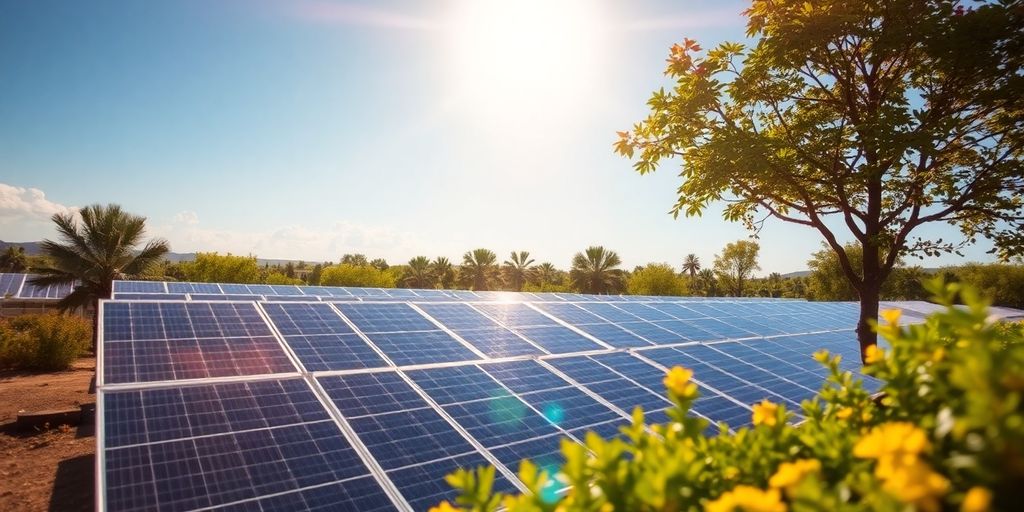
Using anti-reflective coatings on solar panels can significantly reduce heat reflection. These coatings help keep the panels cooler by allowing more sunlight to be absorbed and less to be reflected back into the atmosphere. This can improve the efficiency of the solar panels.
Tinted Coatings and Shade Structures
Applying tinted coatings can also help. These coatings absorb some sunlight, which keeps the surface of the panel cooler. Additionally, installing shade structures over the panels can block direct sunlight, further reducing heat buildup. Here are some options:
- Tinted coatings: Dark materials that absorb sunlight.
- Shade structures: Made from cloth, wood, or metal to block sunlight.
- Raised panels: Allowing air to circulate underneath.
Using Reflective Materials and Trackers
Using reflective materials around the solar panels can help keep them cool by bouncing sunlight away. Moreover, solar panels can be mounted on trackers that follow the sun’s path, ensuring they are always positioned to absorb maximum sunlight while minimizing heat reflection.
Keeping solar panels cool is essential for maintaining their efficiency and performance. By implementing these strategies, homeowners can ensure their solar systems work effectively even in hot climates.
Homeowner Tips for Managing Solar Panel Heat
Choosing Quality Solar Panels
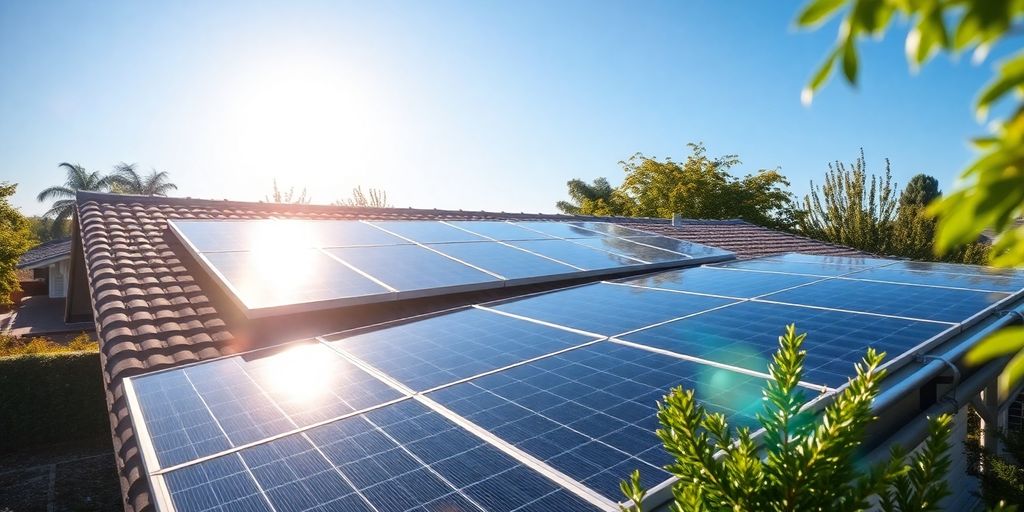
When selecting solar panels, opt for high-quality options. Quality panels are designed to minimize heat reflection and often come with anti-reflective coatings that help keep them cooler.
Regular Cleaning and Maintenance
Keeping your solar panels clean is essential. Dust and dirt can build up, causing them to reflect more heat. Here are some tips for maintenance:
- Clean panels regularly to remove debris.
- Use a soft cloth or sponge with mild soap and water.
- Avoid harsh chemicals that could damage the panels.
Working with Solar Experts
If you’re unsure about managing heat reflection, consider consulting with a solar professional. They can help you:
- Choose the right solar panels for your needs.
- Ensure proper installation to minimize heat reflection.
- Address any other concerns related to solar energy.
By taking these steps, homeowners can effectively manage heat from solar panels, ensuring both efficiency and comfort.
Solar Panels and Urban Heat Islands
Heat Reflection in Urban Areas
Solar panels can actually increase the temperature in urban areas during the day. This happens because they absorb a lot of sunlight, which can warm the surrounding environment. Here are some key points:
- Solar panels absorb about 90% of the sun’s energy.
- They convert only 16-20% of that energy into electricity.
- The rest of the energy turns into heat, making the panels hot.
Impact on Urban Heat Islands
The heat generated by solar panels can contribute to the Urban Heat Island (UHI) effect. This means that cities can become warmer than surrounding areas. Some important effects include:
- Increased local temperatures during the day.
- Potential negative impacts on air quality.
- Changes in local weather patterns.
Mitigation Strategies for Cities
To help reduce the heat caused by solar panels, cities can use several strategies:
- Install reflective materials around solar panels to bounce back sunlight.
- Plant trees or create green spaces to provide shade.
- Use lighter-colored roofing to help keep buildings cooler.
Managing the heat from solar panels is important for maintaining a comfortable urban environment. By using smart strategies, cities can enjoy the benefits of solar energy while minimizing heat issues.
Balancing Solar Energy Benefits and Heat Concerns
Energy Production vs. Heat Reflection
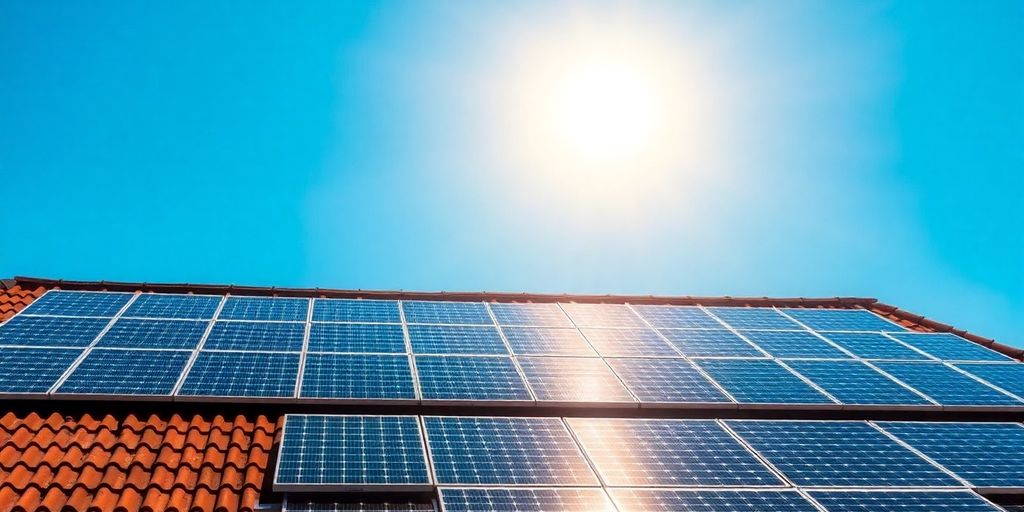
Solar panels are great for generating electricity, but they can also affect heat levels around them. While they help reduce energy costs, they can also create heat in certain situations. Here are some key points to consider:
- Solar panels absorb sunlight to produce energy.
- They can block heat from escaping at night, which may increase cooling needs.
- In hot climates, the efficiency of solar panels can drop as temperatures rise.
Environmental Benefits of Solar Panels
Despite some heat concerns, solar panels offer many environmental advantages:
- They reduce reliance on fossil fuels.
- They help lower greenhouse gas emissions.
- They can improve air quality by reducing pollution.
Future Innovations in Solar Technology
To address heat issues, researchers are working on new technologies:
- Anti-reflective coatings to improve efficiency.
- Cooling systems to manage heat better.
- Smart designs that adapt to weather conditions.
The balance between energy production and heat management is crucial for maximizing the benefits of solar technology. By focusing on innovation, we can enhance efficiency while minimizing heat concerns.
Conclusion
In summary, solar panels do not just absorb sunlight; they also help keep your home cooler. While they can get hot, they mainly reflect most of the sun’s energy away from your house. This means that instead of heating up your home, they actually help reduce the heat that enters it. Although there are some concerns about how solar panels might affect temperatures around large installations, the benefits of using solar energy far outweigh these issues. By choosing quality panels and keeping them clean, homeowners can maximize their cooling effects and enjoy the advantages of solar energy.