

Solar panels are becoming increasingly popular as a clean energy source. Many people are curious about their environmental impact, particularly whether they release any harmful fumes. In this article, we will explore how solar panels operate, their manufacturing processes, and the myths surrounding their use. We’ll also highlight the benefits of solar energy and clarify common misconceptions. Let’s uncover the truth about solar panels and their effects on the environment.
Key Takeaways
- Solar panels convert sunlight into electricity without burning anything, so they do not produce fumes.
- During normal operation, solar panels do not release any harmful gases into the air.
- Manufacturing solar panels involves some emissions, but these are managed to reduce environmental impact.
- Solar panels can last 25-30 years, and recycling can help minimize waste when they are no longer usable.
- Despite some concerns, solar panels are a safe and eco-friendly energy option compared to traditional sources.
Understanding How Solar Panels Work
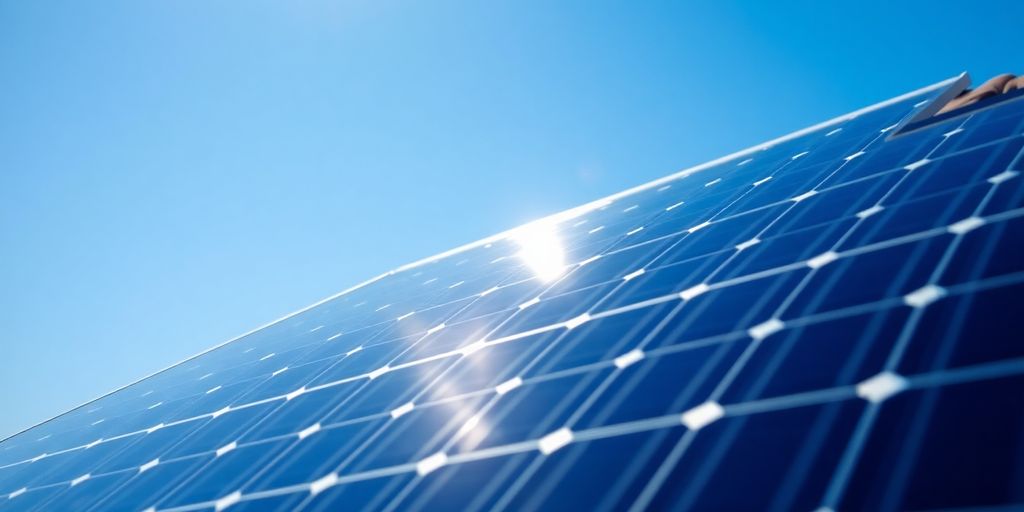
Solar panels are fascinating devices that convert sunlight into electricity. They play a crucial role in harnessing renewable energy. By using solar panels, we can reduce our reliance on fossil fuels and help the environment.
Photovoltaic Cells and Energy Conversion
Solar panels mainly consist of photovoltaic (PV) cells. These cells are made from silicon and work by absorbing sunlight. When sunlight hits the cells, it creates an electric current. Here’s how it works:
- Sunlight hits the PV cells.
- Electrons in the silicon are knocked loose.
- These free electrons create an electric current.
Materials Used in Solar Panels
Solar panels are made from various materials, primarily silicon. Here’s a quick overview of the main components:
- Silicon: The most common material used in PV cells.
- Glass: Protects the cells and allows sunlight to pass through.
- Aluminum Frame: Provides structure and support.
Combustion-Free Energy Production
One of the best things about solar panels is that they produce energy without burning anything. This means:
- No harmful fumes are released.
- They help reduce air pollution.
- They contribute to a cleaner environment.
Solar panels are a step towards a sustainable future, allowing us to use the sun’s energy without harming our planet.
Do Solar Panels Release Any Fumes?

Operational Safety of Solar Panels
Solar panels are designed to operate safely and efficiently. They do not emit any fumes or harmful gases during their operation. This makes them a clean energy source that contributes positively to the environment.
Comparing Solar Panels to Traditional Energy Sources
When we look at traditional energy sources, such as coal or gas, they release harmful emissions into the air. Here’s a quick comparison:
| Energy Source | Emits Fumes? | Type of Emissions |
|---|---|---|
| Solar Panels | No | None |
| Coal | Yes | Carbon Dioxide, Sulfur Dioxide |
| Natural Gas | Yes | Methane, Carbon Monoxide |
Common Misconceptions About Solar Panels
Many people have misunderstandings about solar panels. Here are some common myths:
- Myth 1: Solar panels release toxic fumes.
- Myth 2: Solar panels can cause air pollution.
- Myth 3: Solar panels off-gas harmful chemicals.
Solar panels are a safe and eco-friendly option for generating energy, helping to reduce air pollution and protect our planet.
Manufacturing and Installation Emissions
Environmental Impact of Manufacturing
The process of creating solar panels does have some effect on the environment. Factories use energy and materials, which can lead to emissions. For example, the production of silicon, glass, and metal can release some gases into the air. However, many manufacturers follow strict safety rules to minimize these emissions.
Safety Measures in Factories
To ensure safety during the manufacturing process, factories implement several measures:
- Use of filters to capture harmful gases.
- Regular monitoring of air quality to ensure compliance with safety standards.
- Training for workers on handling chemicals safely.
Installation Process and Emissions
When it comes to installing solar panels, there are no significant emissions or fumes released. The installation is clean and safe, as it does not involve burning fuels. Here are some key points about the installation process:
- Panels are placed on rooftops or open areas.
- No combustion is needed, which means no harmful gases are produced.
- The process is quick and efficient, making solar energy a great choice for the environment.
Overall, while the manufacturing of solar panels does have some emissions, the installation process is clean and does not contribute to air pollution.
Lifecycle of a Solar Panel: From Use to Disposal
Longevity and Maintenance
Solar panels are built to last, typically functioning well for 25 to 30 years. During this time, they require minimal upkeep. Here are some key maintenance tasks:
- Regular cleaning to remove dirt and debris.
- Inspection of wiring and connections.
- Monitoring performance to ensure efficiency.
Recycling and Waste Management
At the end of their lifespan, solar panels can be recycled. Most materials, such as silicon, glass, and metal, can be reused. The recycling process includes:
- Dismantling the panels to recover valuable materials like aluminum and copper.
- Reusing components in new solar panels or other products.
- Crushing non-reusable parts to create glass powder for other uses.
Environmental Impact of Disposal
When it comes to disposal, solar panels do not emit harmful gases. Recycling centers are equipped to handle the materials safely. Here are some benefits of recycling:
- Reduces waste in landfills.
- Conserves natural resources by reusing materials.
- Supports a growing recycling industry.
The solar industry is evolving, with more companies focusing on recycling and repurposing old panels. This shift not only helps the environment but also promotes sustainable energy practices.
Potential Environmental Hazards During Manufacturing
Chemicals Used in Production
The creation of solar panels involves various chemicals, some of which can be harmful if not managed properly. Factories that produce solar panels implement strict safety protocols to ensure that these chemicals are handled safely. Here are some key points:
- Silicon is the main material used in solar cells.
- Other chemicals, like silicon tetrachloride, can be toxic if not recycled properly.
- Safety measures are in place to minimize risks during production.
Emission Control Measures
While the manufacturing process can release some emissions, factories use advanced equipment to control these outputs. This includes:
- Filters to capture harmful gases.
- Regular monitoring of air quality.
- Recycling of toxic byproducts to reduce waste.
Addressing Public Concerns
Many people worry about the environmental impact of solar panel production. However, it’s important to note:
- Solar panels do not release harmful gases during their use.
- The concerns mainly arise during manufacturing and disposal.
- Manufacturers are increasingly adopting sustainable practices to lessen their environmental footprint.
The solar industry is making strides in reducing its environmental impact, focusing on recycling and safe chemical handling to protect both workers and the planet.
Environmental Benefits of Solar Panels
Reducing Air Pollution
Solar panels offer significant environmental advantages. One of the most important benefits is that they generate energy without creating air pollution. Unlike traditional energy sources such as coal and natural gas, which release harmful gases when burned, solar panels harness sunlight to produce clean energy. Here are some key points about their impact:
- No harmful emissions: Solar energy production does not emit carbon dioxide or other pollutants.
- Improved air quality: By reducing reliance on fossil fuels, solar panels help decrease air pollution levels.
- Climate change mitigation: Using solar energy contributes to lower greenhouse gas emissions, helping combat climate change.
| Energy Source | CO2 Emissions (g/kWh) |
|---|---|
| Solar | 0 |
| Natural Gas | 499 |
| Coal | 888 |
Solar energy is a clean and renewable resource that plays a crucial role in protecting our environment and promoting a sustainable future.
Addressing Myths and Misconceptions
Toxicity Concerns
Many people worry that solar panels might be harmful. However, solar panels do not release any toxic fumes during their operation. They simply convert sunlight into electricity without burning anything. This means they do not emit harmful gases like carbon dioxide.
Off-Gassing Myths
Some believe that solar panels might off-gas harmful chemicals. While certain chemicals are used in making solar panels, they are tightly controlled. Once installed, solar panels are safe and do not release any harmful substances into the air.
Public Perception vs. Reality
It’s important to clear up these misunderstandings. Here are some key points to remember:
- Solar panels help reduce air pollution.
- They lower the carbon footprint of homes and businesses.
- Using solar energy contributes to a cleaner environment.
Understanding the truth about solar panels helps us appreciate their benefits. They are a clean and safe energy source that can lead to a healthier planet for everyone.
Conclusion
In summary, solar panels are a clean and safe way to generate energy. They do not release any harmful fumes or gases while they work, making them a great choice for the environment. Although there are some emissions during the manufacturing process, these are managed well. Once installed, solar panels operate quietly and efficiently without polluting the air. This means that using solar energy can help reduce air pollution and protect our planet for future generations.