

Many people wonder if solar panels are effective when the sky is overcast. The truth is that solar panels can still produce energy on cloudy days, although their output may not be as high as on sunny days. Understanding how solar panels work under different weather conditions can help homeowners make informed decisions about solar energy.
Key Takeaways
- Solar panels can generate electricity even when it’s cloudy.
- Cloud cover reduces the amount of sunlight that reaches solar panels.
- New technologies are making solar panels more efficient in low light.
- Regular maintenance helps keep solar panels working well, even in bad weather.
- Solar energy can still be a good investment, even in places with lots of clouds.
Understanding Solar Panel Efficiency on Cloudy Days
How Solar Panels Generate Electricity
Solar panels work by converting sunlight into electricity. They contain many small units called solar cells, which are made of materials like silicon. When sunlight hits these cells, it creates an electric current. Even on cloudy days, solar panels can still produce some electricity, but not as much as on sunny days.
Impact of Cloud Cover on Solar Energy Production
Clouds can block sunlight, which reduces the amount of energy solar panels can generate. However, they do not stop energy production completely. Here are some key points about how clouds affect solar energy:
- Less sunlight means less energy: On cloudy days, solar panels can produce about 10-25% of their maximum output.
- Type of clouds matters: Thick, dark clouds block more sunlight than thin, wispy clouds.
- Time of day: Solar panels produce more energy when the sun is higher in the sky, even if it’s cloudy.
Technological Advances in Solar Panel Efficiency
Recent improvements in solar technology have made panels more efficient, even in less-than-ideal conditions. Some advancements include:
- Bifacial solar panels: These can capture sunlight from both sides, increasing energy production.
- Improved materials: New materials can absorb more light, even in low-light conditions.
- Smart technology: Some systems can adjust the angle of the panels to catch more sunlight, even when it’s cloudy.
In summary, while cloudy days do reduce solar panel efficiency, advancements in technology and understanding of how solar panels work can help maximize energy production.
Factors Affecting Solar Panel Performance in Overcast Conditions

Types of Solar Panels and Their Efficiency
Different types of solar panels perform differently in cloudy weather. Here are the main types:
- Monocrystalline Panels: These are usually the most efficient, even in low light.
- Polycrystalline Panels: These are less efficient than monocrystalline but are often cheaper.
- Thin-Film Panels: These are the least efficient but can perform better in shaded conditions.
Role of Temperature and Humidity
Temperature and humidity can significantly impact solar panel performance.
- High Humidity: Can reduce efficiency due to moisture on the panels.
- Cold Temperatures: Can actually improve efficiency, as solar panels work better when they are cooler.
- Heat: Excessive heat can decrease the efficiency of solar panels.
Geographical Influence on Solar Panel Output
The location of solar panels plays a big role in how much energy they produce on cloudy days. Factors include:
- Latitude: Areas closer to the equator generally receive more sunlight.
- Altitude: Higher altitudes can have clearer skies, even in cloudy regions.
- Local Climate: Some areas have more cloudy days than others, affecting overall energy production.
In summary, understanding these factors can help in choosing the right solar panel system for cloudy conditions.
Comparing Solar Energy Output: Sunny vs. Cloudy Days

Average Energy Production on Sunny Days
On sunny days, solar panels can produce a significant amount of energy. Typically, they can generate about 20-30% more energy compared to cloudy days. This is because direct sunlight is more intense and consistent.
Energy Output During Overcast Weather
When the sky is cloudy, solar panels still work, but their output drops. On average, they can produce around 10-25% of their maximum capacity. This means that even on gray days, solar panels can still contribute to energy needs, just not as much as on sunny days.
Seasonal Variations in Solar Energy Generation
Solar energy production can change with the seasons. Here are some key points to consider:
- Summer: Longer days and more sunlight lead to higher energy production.
- Winter: Shorter days and more cloud cover can reduce output.
- Spring and Fall: These seasons often have a mix of sunny and cloudy days, leading to variable energy production.
In summary, while solar panels are most effective on sunny days, they can still generate useful energy during cloudy weather.
Maximizing Solar Panel Efficiency in Cloudy Weather
Using Solar Trackers for Optimal Positioning
Solar trackers are devices that adjust the angle of solar panels to follow the sun’s path. This can help increase energy capture even on cloudy days. By optimizing the angle, solar panels can receive more light, which boosts their efficiency.
Importance of Regular Maintenance
Keeping solar panels clean and well-maintained is crucial for their performance. Regular checks can help ensure that:
- Panels are free from dirt and debris.
- Connections are secure and functioning.
- Any damaged parts are repaired promptly.
Incorporating Energy Storage Solutions
Energy storage systems, like batteries, can store excess energy generated during sunny periods. This stored energy can be used during cloudy days, ensuring a steady power supply. Here are some benefits of energy storage:
- Provides backup power during outages.
- Reduces reliance on the grid.
- Maximizes the use of solar energy generated.
In cloudy regions, taking steps to enhance solar panel efficiency can lead to significant energy savings and a more reliable power source.
Real-World Examples of Solar Panel Use in Cloudy Regions
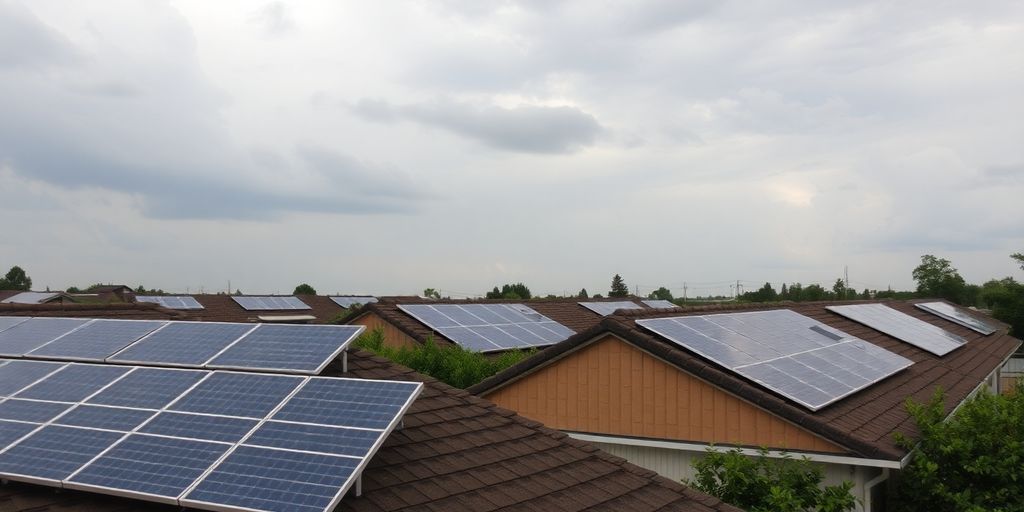
Case Studies from Cloudy Climates
Many places with frequent cloud cover have successfully used solar panels. For example:
- Germany: Known for its cloudy weather, Germany is one of the world leaders in solar energy production.
- Seattle, USA: Despite its rainy reputation, Seattle has seen a rise in solar panel installations.
- Norway: This country uses solar energy effectively, even with long periods of cloudiness.
Success Stories of Solar Adoption in Overcast Areas
Several projects show that solar panels can work well in cloudy regions:
- Community Solar Projects: These allow multiple households to share solar energy, making it easier for people in cloudy areas to benefit.
- Schools and Universities: Many educational institutions in cloudy regions have installed solar panels, reducing energy costs and teaching students about renewable energy.
- Local Businesses: Companies in overcast areas have found that solar panels help lower their electricity bills, even when the sun isn’t shining.
Lessons Learned from Solar Projects in Cloudy Regions
From these examples, we can learn:
- Adaptability: Solar technology can be adjusted to work better in less sunny conditions.
- Community Support: Local involvement is key to successful solar projects.
- Long-Term Planning: Investing in solar energy can pay off over time, even in places with less sunlight.
Solar energy is a smart choice, even in cloudy regions. With the right technology and community support, it can provide clean energy and save money.
Economic Considerations of Solar Panels in Cloudy Areas

Cost-Benefit Analysis of Solar Installation
When thinking about solar panels, it’s important to weigh the costs against the benefits. Even in cloudy areas, solar panels can save money over time. Here are some key points to consider:
- Initial Costs: The price of buying and installing solar panels can be high.
- Long-Term Savings: Over the years, you can save a lot on electricity bills.
- Increased Home Value: Homes with solar panels often sell for more.
Government Incentives and Subsidies
Many governments offer help to people who want to install solar panels. This can make it cheaper to go solar. Some common incentives include:
- Tax credits that reduce the amount you owe.
- Rebates that give you money back after installation.
- Grants that help pay for part of the system.
Long-Term Savings and Return on Investment
Investing in solar panels can lead to significant savings. Here’s how:
- Lower Energy Bills: You pay less for electricity.
- Energy Independence: You rely less on the grid.
- Potential Earnings: You can sell extra energy back to the grid.
Investing in solar panels, even in cloudy regions, can lead to financial benefits over time. It’s a smart choice for many homeowners.
Conclusion
In summary, solar panels can still produce energy on cloudy days, although not as much as they do in bright sunlight. They work by capturing light, not just direct sunlight, so even on overcast days, they can generate some power. This means that if you live in a place with lots of cloudy weather, you can still benefit from solar energy. While the output might be lower, it’s important to remember that solar panels are designed to be efficient in various conditions. So, if you’re thinking about using solar energy, don’t let cloudy skies discourage you!