

As more people turn to solar energy, understanding how solar panels are designed and installed becomes essential. A common question is whether solar panels have mounting holes in the back. This article explores the design features of solar panels, the types of mounting systems available, and best practices for installation.
Key Takeaways
- Most solar panels do not have mounting holes in the back; they rely on a smooth, sealed surface for protection.
- Pre-drilled holes are typically found in the aluminum frames, allowing for secure attachment to mounting systems.
- Different mounting systems exist, including roof-mounted, ground-mounted, and pole-mounted options.
- Innovative mounting solutions are being developed to improve flexibility and stability during installation.
- Proper installation is crucial for the efficiency and longevity of solar panels, ensuring they withstand environmental factors.
Understanding the Design of Solar Panels
Standard Design Features
Solar panels are designed with several key features that ensure their efficiency and durability. These features are crucial for optimal performance. Common design elements include:
- Photovoltaic Cells: These convert sunlight into electricity.
- Glass Cover: Protects the cells from environmental damage.
- Aluminum Frame: Provides structural support and makes installation easier.
Importance of a Sealed Backsheet
The back of a solar panel is covered with a sealed backsheet, which plays a vital role in protecting the internal components. This layer:
- Prevents moisture from entering the panel.
- Shields against UV rays.
- Enhances the panel’s overall lifespan.
Role of Aluminum Frames
Aluminum frames are essential in the design of solar panels. They serve multiple purposes:
- Support: They hold the solar cells in place.
- Mounting: They provide attachment points for mounting systems.
- Protection: They help protect the edges of the panel from damage.
The design of solar panels is not just about aesthetics; it is about ensuring they function effectively and last for many years. Understanding these design features can help users make informed decisions about installation and maintenance.
Mounting Systems for Solar Panels

Solar panels can be installed using various mounting systems, each designed for specific needs and locations. Choosing the right mounting system is crucial for ensuring the efficiency and safety of solar panels.
Roof-Mounted Systems
- Roof-mounted systems are the most common for residential solar installations.
- Panels are attached to the roof using brackets that align with the mounting holes on the back of the panels.
- This method maximizes sunlight exposure while keeping the installation discreet.
Ground-Mounted Systems
- Ground-mounted systems are ideal for properties with ample land.
- These systems use a framework installed directly on the ground, allowing for easy adjustments.
- The pre-drilled holes in the panels are essential for securely attaching them to the structure.
Pole-Mounted Systems
- Pole-mounted systems are used to elevate solar panels for better sunlight exposure.
- These systems require a sturdy mounting structure, with the mounting holes ensuring secure attachment.
- They can be aesthetically pleasing and functional, especially in open areas.
Proper mounting is not just about securing the panels; it also optimizes their performance. Panels that are correctly mounted can capture more sunlight, leading to higher energy output.
Do Solar Panels Have Mounting Holes in the Back?
Pre-Drilled Holes in Frames
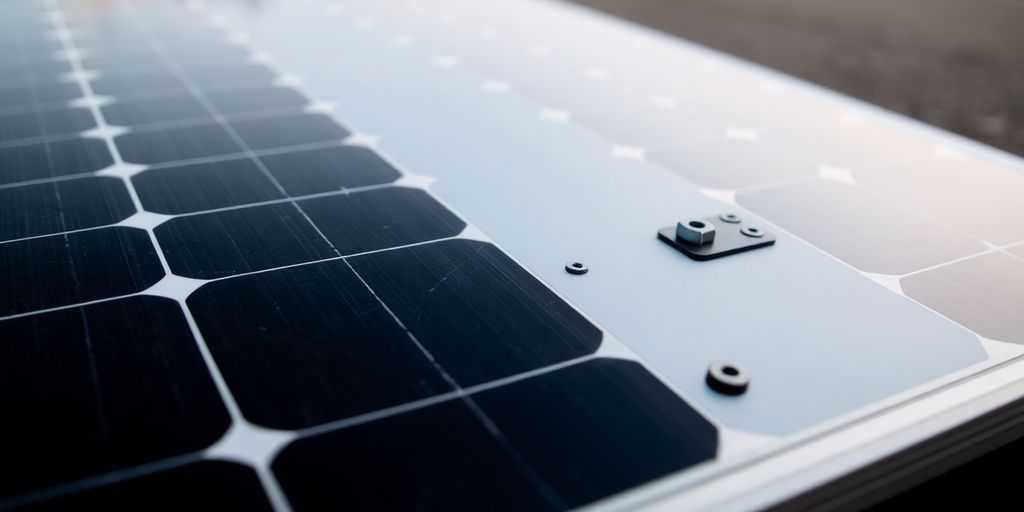
Most solar panels do not have mounting holes in the back. Instead, they usually have pre-drilled holes in their aluminum frames. These holes help installers attach the panels securely without damaging the panel itself. The holes are typically located on the sides or edges of the frame, making it easier to fasten the panels to mounting systems.
Impact on Installation Process
The absence of back mounting holes means that installers rely on specialized racking systems. Here’s how it works:
- Rooftop Installations: Panels are attached to rails fixed to the roof using clamps.
- Ground Installations: Panels are secured to a frame anchored in the ground.
- Pole Installations: Similar to ground systems, but mounted on poles.
This method ensures that the panels remain stable and protected from environmental factors.
Advantages and Disadvantages
Advantages:
- Structural Integrity: No holes in the back help maintain the panel’s strength.
- Weather Resistance: Sealed backsheets protect internal components from moisture.
Disadvantages:
- Installation Complexity: Requires specialized mounting systems, which can increase costs.
- Limited Flexibility: May not be suitable for all installation types.
Understanding the design of solar panels is crucial for effective installation and optimal performance. Knowing whether your panels have mounting holes can significantly impact your solar energy setup.
Alternative Mounting Solutions

Innovative Designs
Solar panel mounting systems are evolving to meet various needs. Here are some innovative designs:
- Rail-Based Systems: These systems use rails attached to the roof, allowing panels to be easily secured and adjusted.
- Direct-to-Roof Mounts: These mounts sit on top of the roof without drilling holes, making installation simpler and safer.
- Ground Mounts: Ideal for areas where roof mounting isn’t possible, these systems keep panels at the best angle for sunlight.
Flexible Mounting Options
Different mounting options provide flexibility for various situations:
- Adjustable Racks: Allow for changing the angle of the panels based on the season.
- Ballasted Systems: Use weight to hold panels in place, avoiding roof penetrations.
- Integrated Mounting Solutions: Combine the panel and mounting system into one unit for easier installation.
Future Trends in Mounting Technology
The solar industry is always changing. Here are some trends to watch:
- Smart Mounting Systems: These systems can adjust automatically to optimize sunlight capture.
- Modular Designs: Panels that can be easily connected or disconnected for maintenance.
- Sustainable Materials: Using eco-friendly materials for mounting systems to reduce environmental impact.
The future of solar panel mounting is bright, with innovations aimed at making installations easier and more efficient.
Best Practices for Solar Panel Installation
Choosing the Right Mounting System
When installing solar panels, it’s important to select the right mounting system. This choice depends on the type of roof and the solar panel model. Working with a trained technician can help ensure you pick the best option for your situation.
Ensuring Proper Alignment
Proper alignment of solar panels is crucial for maximizing their efficiency. Here are some key points to consider:
- Make sure the panels are tilted correctly to capture sunlight.
- The mounting system should allow for adjustments to optimize sunlight exposure.
- Regularly check the alignment to maintain efficiency.
Regular Maintenance
To keep solar panels working well, regular maintenance is essential. Here are some best practices:
- Schedule periodic inspections to check for damage or loose connections.
- Clean the panels to remove dirt and debris that can block sunlight.
- Address any issues quickly to ensure optimal performance.
Regular maintenance not only extends the life of your solar panels but also ensures they operate at peak efficiency.
Considerations for Solar Panel Mounting

Structural Integrity
When setting up solar panels, the strength of the mounting system is very important. It needs to hold the weight of the panels and resist strong winds and heavy snow. Using good materials and following proper installation methods helps keep everything safe and stable.
Weather Resistance
Solar panel setups must be ready for local weather. Here are some key points to consider:
- Check for high winds or heavy snow in your area.
- Make sure the mounting system prevents water from getting in.
- Use materials that can handle extreme temperatures.
Compliance with Regulations
It’s essential to follow local building codes and regulations. This ensures:
- Safety during installation.
- The system works correctly.
- You stay within legal requirements.
Keeping these considerations in mind will help ensure that your solar panel installation is safe, efficient, and long-lasting.
Conclusion
In conclusion, most solar panels do not have mounting holes on their backs. Instead, they rely on special racking systems to attach securely to roofs, the ground, or poles. This design helps keep the panels safe from damage while ensuring they work efficiently. Understanding how to properly mount solar panels is key for homeowners and businesses looking to use solar energy effectively. By following best practices for installation, anyone can enjoy the benefits of solar power and help create a greener future.