

As more people turn to solar energy, concerns have arisen about whether solar panels can disrupt WiFi signals. This article explores the relationship between solar panels and WiFi, addressing common fears and misconceptions. We will delve into how solar panels function, the role of inverters, and how to minimize any potential interference, ensuring that your internet connection remains strong and reliable.
Key Takeaways
- Solar panels do not directly interfere with WiFi signals; inverters may cause minor issues.
- Electromagnetic interference (EMI) from inverters can affect WiFi, but it’s usually rare.
- Proper installation and quality components can minimize potential WiFi disruptions.
- Keeping WiFi routers away from inverters can help maintain a strong signal.
- Understanding other household factors can also improve WiFi performance.
Understanding the Relationship Between Solar Panels and WiFi
How Solar Panels Work
Solar panels are made up of photovoltaic cells that turn sunlight into electricity. This electricity can be used right away or stored for later. They do not emit any radio waves that could interfere with WiFi signals.
WiFi Signal Basics
WiFi works by sending data through radio waves, mainly on two frequency bands: 2.4 GHz and 5 GHz. These waves can be affected by various objects and devices that operate on similar frequencies.
Common Misconceptions
Many people worry that solar panels will disrupt their WiFi. However, the panels themselves do not cause interference. The real concern may come from inverters, which convert the electricity generated by the panels. Inverters can sometimes create electromagnetic interference (EMI), but this is usually minimal and can be managed with proper installation.
Potential Sources of WiFi Interference from Solar Panels
Role of Inverters in EMI
Inverters are crucial components in solar panel systems, converting direct current (DC) from the panels into alternating current (AC) for home use. These inverters can sometimes generate electromagnetic interference (EMI), which may affect WiFi signals. However, this interference is generally minimal and often manageable.
Impact of Electromagnetic Interference
Electromagnetic interference can disrupt WiFi signals, especially if the inverter is located close to the router. Here are some factors that can influence this interference:
- Quality of the inverter: Higher quality inverters are designed to minimize EMI.
- Distance from the router: Keeping the inverter away from the WiFi router can help reduce interference.
- Frequency bands used: Different WiFi frequencies (2.4 GHz and 5 GHz) may react differently to EMI.
Factors Influencing Interference
Several elements can affect the level of interference experienced:
- Inverter design: Modern inverters often include shielding to reduce EMI.
- Installation quality: Proper installation can help mitigate potential interference.
- Environmental factors: Nearby electronic devices and physical barriers can also impact WiFi performance.
In summary, while solar panels themselves do not directly interfere with WiFi, the inverters used in these systems can produce some electromagnetic interference. Understanding these factors can help homeowners manage their WiFi performance effectively.
Mitigating WiFi Interference from Solar Panel Systems
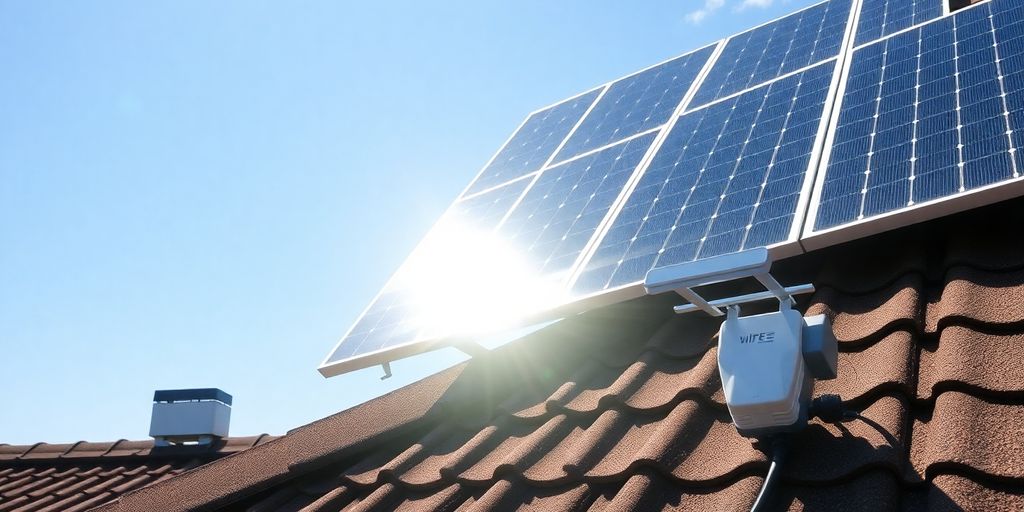
When it comes to solar panels and WiFi, there are ways to reduce any potential interference. Here are some effective strategies:
Choosing High-Quality Inverters
- Select inverters that meet EMI emission standards. High-quality inverters are designed to minimize electromagnetic interference.
- Look for models with good shielding to protect against EMI.
- Consider inverters with built-in filtering technologies.
Optimal Placement of WiFi Routers
- Keep your WiFi router away from the inverter and solar panel components.
- Aim for a distance of at least 10 feet between the router and inverter to reduce interference.
- Position the router in a central location in your home for better coverage.
Professional Installation Tips
- Consult with your solar installer about the best practices for minimizing WiFi interference.
- Ensure proper grounding of the solar system to reduce EMI.
- Use shielded cables for connections to further limit interference.
By taking these steps, you can enjoy both solar energy and a strong WiFi connection in your home.
Comparing Solar Panel Systems and Their Impact on WiFi

String Inverters vs. Microinverters
When it comes to solar panel systems, there are two main types of inverters: string inverters and microinverters. String inverters are typically more affordable, but they can produce more electromagnetic interference (EMI) compared to microinverters. Microinverters, on the other hand, are installed on each panel and tend to have better performance and less interference. Here’s a quick comparison:
| Feature | String Inverters | Microinverters |
|---|---|---|
| Cost | Lower | Higher |
| EMI Potential | Higher | Lower |
| Performance | Affected by shading | Independent per panel |
Shielding and Grounding Techniques
To minimize the impact of solar panel systems on WiFi signals, consider these techniques:
- Use shielded cables for the inverter’s AC output.
- Ensure proper grounding of both the inverter and solar panels.
- Increase distance between the inverter and WiFi router to reduce interference.
Case Studies and Real-World Examples
In various installations, homeowners have reported mixed results regarding WiFi interference:
- Some found no noticeable impact on their WiFi signals after installing solar panels.
- Others experienced minor disruptions, which were resolved by adjusting the inverter’s placement.
- A few cases highlighted the importance of using high-quality inverters to minimize EMI.
In summary, while solar panels themselves do not directly interfere with WiFi, the inverters used in these systems can potentially cause some disruption. Proper installation and equipment choices can help mitigate these issues.
Other Factors Affecting WiFi Signals at Home
Common Household Interferences
Many things in your home can disrupt your WiFi signal. Here are some common culprits:
- Bluetooth Devices: Items like earbuds and smartwatches can interfere with WiFi because they change frequencies often.
- Microwaves: When in use, microwaves can overpower WiFi signals since they operate on similar frequencies.
- Cordless Phones: If you still use a cordless phone, it might be on the same frequency as your WiFi, causing interference.
Impact of Electronic Devices
Different electronic devices can also affect your WiFi connection:
- Walkie-Talkies and Baby Monitors: These devices often use the same frequency as older WiFi systems, leading to potential disruptions.
- Aquariums: The water in aquariums can reflect radio waves, which may block WiFi signals.
- Thick Walls: Walls made of concrete or brick can weaken WiFi signals, especially in larger homes.
Improving WiFi Signal Strength
To enhance your WiFi experience, consider these tips:
- Router Placement: Position your router in a central location away from potential interferences.
- Upgrade Your Equipment: Newer routers often have better technology to avoid interference.
- Limit Connected Devices: Too many devices can slow down your WiFi, so disconnect any that aren’t in use.
Remember: Sometimes, the simplest changes can lead to a stronger WiFi signal. Adjusting the placement of your router or reducing interference from other devices can make a big difference.
Expert Opinions on Solar Panels and WiFi Interference
Insights from Solar Technicians
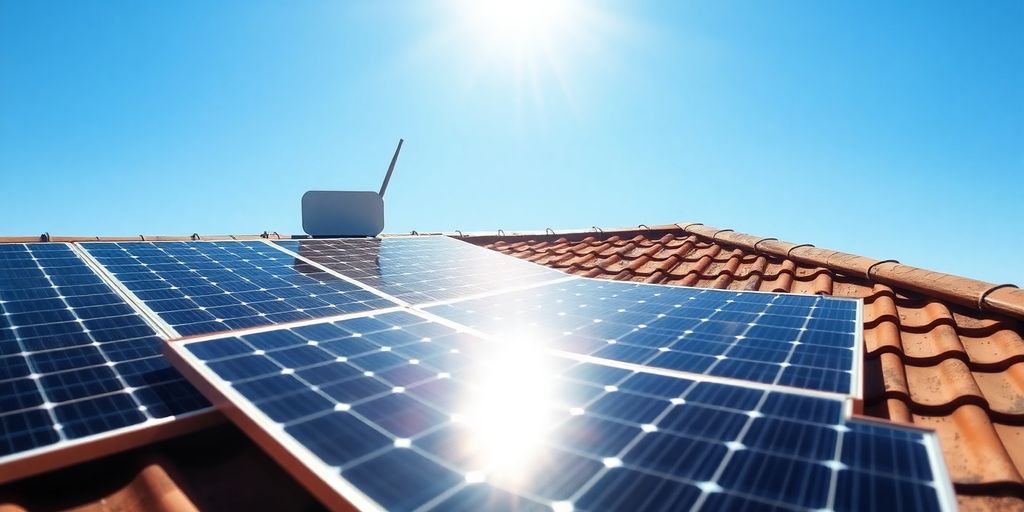
Solar technicians often emphasize that solar panels themselves do not directly interfere with WiFi signals. The real concern lies with the inverters used in solar systems. These devices can produce electromagnetic interference (EMI) during operation, which might affect WiFi signals. However, this is generally rare and manageable with proper installation.
WiFi Specialists’ Recommendations
WiFi specialists suggest several strategies to minimize potential interference:
- Use high-quality inverters that are designed to reduce EMI.
- Position your WiFi router away from the inverter to lessen any possible impact.
- Consider using WiFi extenders to boost signal strength throughout your home.
Future Trends in Solar Technology
As technology advances, the design of solar inverters is improving. Newer models are being developed with better shielding and filtering capabilities, which help to reduce EMI. This means that future solar installations are likely to have even less impact on WiFi signals, ensuring a smoother experience for users.
Conclusion
In summary, solar panels do not directly disrupt WiFi signals. The real concern comes from the inverters used in solar systems, which can create a type of interference called electromagnetic interference (EMI). This interference is usually minor and can often be managed with good practices. By placing inverters away from WiFi routers, using quality equipment, and ensuring proper installation, you can enjoy both solar energy and reliable internet. Overall, with the right setup, you can have the benefits of solar power without worrying about your WiFi connection.