

Solar panels are a great way to generate clean energy, but they can sometimes produce too much power. This article will explore whether too much watts from a solar panel can cause problems. We will look at different aspects of solar panel wattage, potential risks, efficiency issues, and how to manage power output effectively.
Key Takeaways
- Solar panel wattage is how much power they can produce, and it’s important to know this for your system.
- If a solar panel produces too much power, it can overload the electrical system, causing damage.
- High wattage can affect battery storage, making it hard to store energy safely.
- Too much power can lead to safety issues, like overheating or fires.
- Using devices like charge controllers and smart inverters can help manage how much power solar panels produce.
Understanding Solar Panel Wattage
What is Solar Panel Wattage?
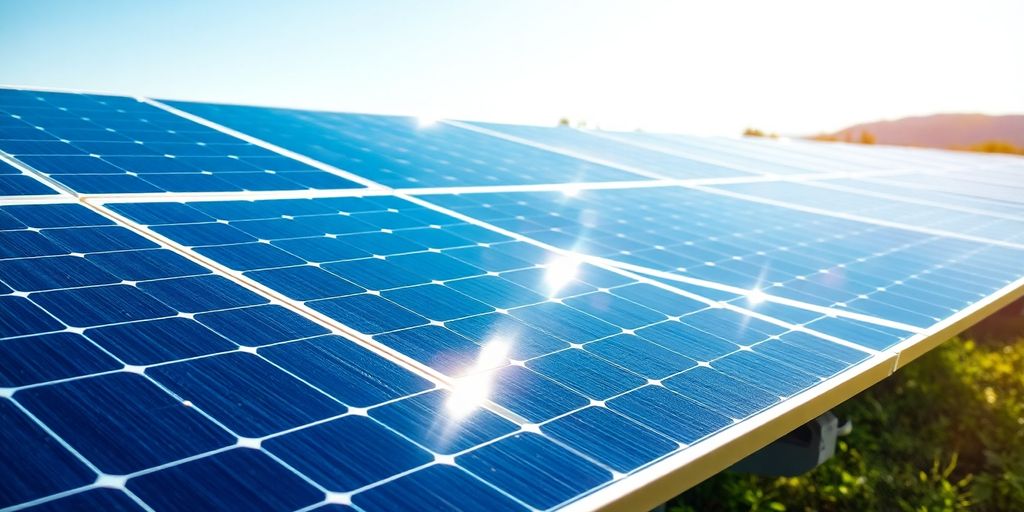
Solar panel wattage refers to the amount of power a solar panel can produce under ideal conditions. This measurement is crucial for determining how much energy your solar system can generate.
How is Wattage Measured in Solar Panels?
Wattage in solar panels is measured in watts (W). The total wattage is calculated by multiplying the voltage (V) by the current (A). Here’s a simple formula:
- Wattage (W) = Voltage (V) x Current (A)
The Importance of Correct Wattage
Choosing the right wattage for your solar panels is essential for several reasons:
- Ensures your system meets energy needs.
- Prevents overloading electrical systems.
- Maximizes efficiency and performance.
Understanding solar panel wattage helps in making informed decisions about energy production and system design.
Potential Risks of Excessive Wattage
Overloading Electrical Systems
When solar panels produce too much wattage, it can lead to overloading the electrical systems in your home. This can cause:
- Circuit breakers to trip
- Damage to appliances
- Increased fire risk
Understanding the limits of your electrical system is crucial.
Impact on Battery Storage
Excessive wattage can also affect battery storage systems. If batteries are charged too quickly or with too much power, it can result in:
- Reduced battery lifespan
- Overheating of batteries
- Potential leakage or failure
Safety Concerns with High Wattage
High wattage can create safety issues, including:
- Risk of electrical fires
- Damage to wiring and connections
- Increased maintenance costs
Managing wattage is essential to ensure safety and efficiency in solar energy systems.
Effects on Solar Panel Efficiency
Decreased Efficiency with High Wattage
When solar panels produce too much wattage, their efficiency can actually drop. This happens because the system may not be able to handle the extra power. High wattage can lead to wasted energy.
Heat Generation and Its Impact
Excessive wattage can cause solar panels to heat up more than normal. This heat can reduce how well the panels work. Here are some effects of heat on solar panel performance:
- Increased resistance in electrical components
- Lower energy output
- Shorter lifespan of the panels
Long-term Efficiency Concerns
Over time, consistently high wattage can lead to serious issues:
- Damage to the solar cells
- Reduced overall system performance
- Increased maintenance costs
Managing wattage is crucial for keeping solar panels efficient and extending their lifespan.
Managing Solar Panel Output
Using Charge Controllers
Charge controllers are essential devices that help regulate the power coming from solar panels to batteries. They prevent overcharging and ensure that the batteries receive the right amount of energy. This helps in extending the life of the batteries. Here are some key functions of charge controllers:
- Prevents battery overcharging
- Regulates voltage and current
- Protects against reverse current at night
Inverters and Their Role
Inverters are crucial for converting the direct current (DC) produced by solar panels into alternating current (AC), which is used in most homes. They also help manage the output of solar energy to match the needs of the household. Key points about inverters include:
- They ensure the right voltage is supplied to home appliances.
- They can help in monitoring energy production.
- Some inverters have built-in safety features to prevent overload.
Balancing System Load
Balancing the load in a solar power system is important to avoid overloading. This means ensuring that the energy produced matches the energy used. Here are some tips for balancing the load:
- Use energy-efficient appliances to reduce demand.
- Monitor energy usage regularly to identify peak times.
- Consider adding battery storage to manage excess energy.
Managing solar panel output is vital for ensuring a safe and efficient energy system. Proper tools and strategies can help prevent problems and maximize energy use.
Technical Solutions to Wattage Issues
Implementing Smart Inverters
Smart inverters are advanced devices that help manage the power output from solar panels. They can adjust the energy flow based on the needs of the system. This helps prevent overloads and keeps everything running smoothly.
Utilizing Energy Management Systems
Energy management systems (EMS) are tools that help monitor and control energy use. They can track how much power is being generated and used, allowing for better planning. Here are some benefits of using EMS:
- Real-time monitoring of energy production and consumption.
- Automatic adjustments to optimize energy use.
- Alerts for any potential issues with wattage.
Regular Maintenance and Monitoring
Keeping solar panels and their systems in good shape is crucial. Regular checks can help catch problems early. Here are some maintenance tips:
- Inspect connections and wiring for any signs of wear.
- Clean the panels to ensure they are not blocked by dirt or debris.
- Schedule professional inspections at least once a year.
Regular maintenance not only extends the life of solar panels but also ensures they operate at their best efficiency.
Real-world Examples of Wattage Problems
Case Studies of Overloaded Systems
In various instances, solar panel systems have faced issues due to excessive wattage. Here are a few notable examples:
- Residential Overload: A family installed a solar system that produced 10 kW, but their inverter could only handle 5 kW. This led to frequent shutdowns.
- Commercial Failures: A business with a 50 kW solar setup experienced equipment failures because their electrical system was not designed for such high output.
- Community Solar Projects: In one community, a solar farm generated more power than the local grid could manage, causing voltage spikes.
Lessons Learned from High Wattage Installations
From these cases, several important lessons can be drawn:
- Always match the inverter capacity with the solar panel output.
- Regularly assess the electrical system to ensure it can handle the solar output.
- Engage professionals for installation to avoid future problems.
Preventive Measures in Practice
To avoid wattage-related issues, consider these preventive steps:
- Install Charge Controllers: These devices help manage the power coming from solar panels.
- Use Smart Inverters: They can adjust the output based on the system’s needs.
- Conduct Regular Maintenance: Check the system frequently to catch any potential problems early.
Managing wattage effectively is crucial for the longevity and safety of solar energy systems. By learning from past mistakes, we can create better, more efficient solar setups.
Future Trends in Solar Panel Technology
Advancements in Wattage Management
The future of solar technology is bright, with many new ways to manage wattage effectively. Smart systems are being developed to optimize energy use. These advancements include:
- Improved charge controllers that adjust output based on demand.
- Enhanced battery systems that can store more energy.
- Advanced monitoring tools that track energy production and usage in real-time.
Innovations in Solar Efficiency
Solar panels are becoming more efficient every year. New materials and designs are helping to capture more sunlight. Some key innovations include:
- Bifacial solar panels that collect sunlight from both sides.
- Transparent solar cells that can be used in windows.
- Concentrated solar power systems that use mirrors to focus sunlight.
The Role of AI in Solar Energy
Artificial Intelligence (AI) is playing a big part in solar energy. It helps in:
- Predicting energy production based on weather patterns.
- Managing energy distribution to avoid overloads.
- Analyzing data to improve system performance.
As technology continues to evolve, the solar industry is set to become more efficient and user-friendly, making renewable energy accessible to everyone.
Conclusion
In summary, while solar panels are a great way to harness energy from the sun, having too much power can lead to some issues. If a solar panel produces more electricity than needed, it can cause problems like overheating or damage to the system. It’s important to have the right setup and equipment to manage the energy produced. By understanding how solar panels work and ensuring they are properly installed, we can enjoy the benefits of solar energy without facing any major problems.