

Flat solar panels are becoming more popular as people look for ways to use renewable energy. This article explores how these panels work, their benefits, challenges, and the future of solar technology. We will answer the question: can a flat solar panel get energy?
Key Takeaways
- Flat solar panels are designed to capture sunlight and convert it into energy.
- Their efficiency depends on materials, weather, and how they are positioned.
- They are often cheaper and easier to install compared to other types of solar panels.
- Flat panels can lose energy if they are not angled properly or if there are obstructions like trees.
- New technologies are making flat solar panels even better and more efficient.
Understanding Flat Solar Panels

Design and Structure of Flat Solar Panels
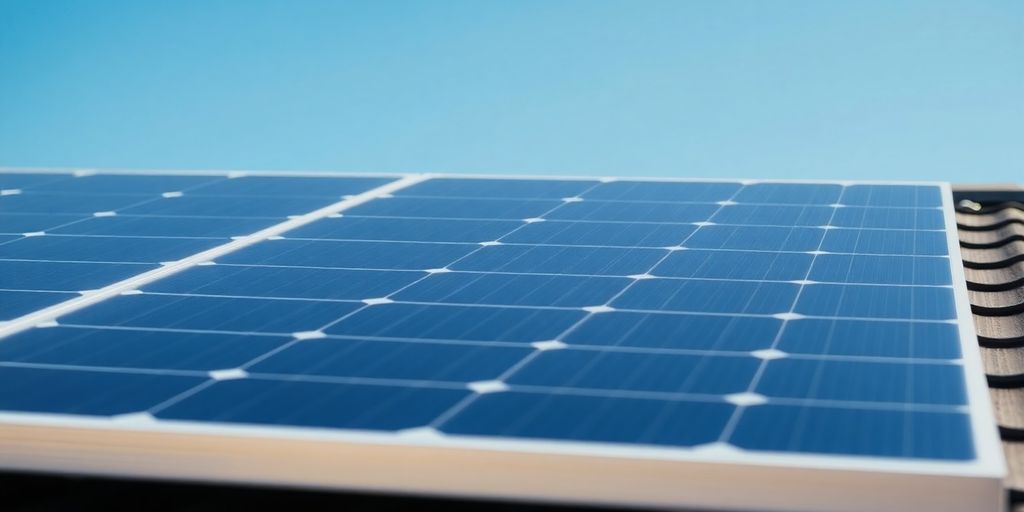
Flat solar panels are designed to capture sunlight and convert it into energy. They are usually made up of a flat surface that contains solar cells. These cells are arranged in a way that maximizes sunlight exposure. The structure is often lightweight and can be mounted on rooftops or other surfaces.
Materials Used in Flat Solar Panels
The materials used in flat solar panels play a crucial role in their efficiency. Common materials include:
- Silicon: The most widely used material for solar cells.
- Glass: Protects the solar cells and allows sunlight to pass through.
- Aluminum: Often used for the frame due to its strength and light weight.
Efficiency of Flat Solar Panels
The efficiency of flat solar panels can vary based on several factors. Here are some key points:
- Sunlight Exposure: More sunlight means more energy.
- Temperature: Higher temperatures can reduce efficiency.
- Quality of Materials: Better materials can lead to higher energy output.
Flat solar panels are a practical choice for many homes and businesses, providing a sustainable way to harness energy from the sun.
How Flat Solar Panels Capture Energy

Photovoltaic Effect in Flat Panels
Flat solar panels work by using the photovoltaic effect, which is the process that converts sunlight into electricity. When sunlight hits the solar cells in the panel, it excites electrons, creating an electric current. This is how energy is captured and transformed for use.
Orientation and Sunlight Exposure
The position of flat solar panels is crucial for their energy capture. Here are some key points to consider:
- Optimal Angle: Panels should be installed at an angle that maximizes sunlight exposure.
- Direction: Facing south (in the Northern Hemisphere) generally provides the best results.
- Tracking Systems: Some systems can adjust the angle throughout the day to follow the sun.
Impact of Weather Conditions
Weather can greatly affect how much energy flat solar panels can capture. Here are some factors:
- Cloud Cover: Overcast days can reduce energy production.
- Rain: While rain can clean the panels, it may also block sunlight.
- Snow: Accumulated snow can cover panels, preventing sunlight from reaching them.
Understanding how flat solar panels capture energy helps in optimizing their use and improving energy efficiency.
Advantages of Flat Solar Panels
Cost-Effectiveness of Flat Panels
Flat solar panels are often more affordable than other types of solar panels. They can be produced at a lower cost, making them a popular choice for many homeowners and businesses. This cost advantage allows more people to access solar energy.
Ease of Installation
Installing flat solar panels is generally simpler and quicker compared to tilted panels. Here are some reasons why:
- Less complex mounting systems
- Fewer adjustments needed for angle
- Can be placed on various surfaces, including rooftops and ground
Durability and Maintenance
Flat solar panels are designed to withstand various weather conditions. They require less maintenance than other types of panels. Some benefits include:
- Fewer moving parts
- Less prone to damage from wind or debris
- Longer lifespan with proper care
Flat solar panels provide a reliable and efficient way to harness solar energy, making them a smart choice for many.
Challenges Faced by Flat Solar Panels
Flat solar panels, while popular, face several challenges that can affect their performance and energy output.
Energy Loss Due to Angle
- Flat solar panels are less efficient at capturing sunlight when the sun is at a low angle.
- This can lead to significant energy loss, especially during early mornings and late afternoons.
- The angle of the panels can limit their ability to absorb sunlight effectively.
Shading and Obstructions
- Trees, buildings, and other structures can cast shadows on flat solar panels.
- Even partial shading can reduce energy production by a large percentage.
- It’s important to consider the placement of panels to avoid these issues.
Temperature Sensitivity
- Flat solar panels can be sensitive to high temperatures.
- As temperatures rise, their efficiency can drop, leading to less energy generation.
- Keeping panels cool is essential for maintaining optimal performance.
In summary, while flat solar panels are a great option for many, they come with challenges that need to be addressed to maximize their energy output.
Innovations in Flat Solar Panel Technology
Advancements in Photovoltaic Materials
Recent developments in materials used for flat solar panels have led to significant improvements in energy capture. New types of photovoltaic materials are being created to increase efficiency and reduce costs. Some of these materials include:
- Perovskite solar cells
- Bifacial solar panels
- Organic photovoltaics
Integration with Smart Technology
Flat solar panels are now being designed to work with smart technology. This means they can:
- Monitor energy production in real-time.
- Adjust their angle automatically for better sunlight exposure.
- Connect to home energy systems for optimized usage.
Future Trends in Flat Solar Panels
The future of flat solar panels looks promising with several exciting trends:
- Increased use of flexible solar panels that can be installed on various surfaces.
- Development of solar panels that can blend into building materials, like windows.
- Enhanced recycling methods for old solar panels to reduce waste.
Innovations in flat solar panel technology are crucial for making solar energy more accessible and efficient for everyone.
Comparing Flat and Tilted Solar Panels

Energy Output Differences
When it comes to energy production, tilted solar panels generally perform better than flat ones. This is mainly because tilted panels can capture more sunlight throughout the day. Here’s a quick comparison:
| Type of Panel | Average Energy Output (kWh/year) |
|---|---|
| Flat Panels | 1,200 |
| Tilted Panels | 1,500 |
Installation and Maintenance Considerations
Installing solar panels can vary in difficulty based on their type. Here are some points to consider:
- Flat Panels: Easier to install, especially on rooftops.
- Tilted Panels: May require more complex mounting systems.
- Maintenance: Both types need regular cleaning, but tilted panels might collect less dirt due to their angle.
Cost Comparison
The cost of solar panels can differ based on their design. Here’s a simple breakdown:
- Flat Panels: Generally cheaper to buy and install.
- Tilted Panels: Higher initial costs but may produce more energy over time.
- Long-term Savings: Tilted panels can lead to lower electricity bills due to higher energy output.
In summary, while flat solar panels are easier to install and less expensive, tilted panels often provide better energy production, making them a worthwhile investment for many homeowners.
Environmental Impact of Flat Solar Panels
Carbon Footprint Reduction
Flat solar panels help in reducing carbon emissions by generating clean energy. Using solar energy instead of fossil fuels can significantly lower greenhouse gas emissions. This shift contributes to a healthier planet and combats climate change.
Recycling and Disposal
When flat solar panels reach the end of their life, proper recycling is essential. Here are some key points about recycling:
- Many materials in solar panels can be reused.
- Recycling helps reduce waste in landfills.
- It conserves natural resources by reusing valuable materials.
Sustainability of Materials
The materials used in flat solar panels are increasingly becoming more sustainable. Some important aspects include:
- Use of recyclable materials in production.
- Development of eco-friendly manufacturing processes.
- Efforts to minimize harmful substances in solar panels.
The shift towards sustainable practices in solar panel production is crucial for protecting our environment and ensuring a greener future.
Conclusion
In summary, flat solar panels can indeed generate energy, but their efficiency depends on various factors. The amount of sunlight they receive, the angle at which they are placed, and the weather all play important roles. While they may not be as powerful as some other types of solar panels, flat panels are still a great option for many homes and businesses. They are easy to install and can help save money on electricity bills. Overall, using flat solar panels is a smart choice for anyone looking to use renewable energy.