

Bifacial solar panels are changing the way we think about solar energy. They use both sides to capture sunlight, which makes them more efficient than traditional panels. N-type cells are a special kind of solar cell that help these panels produce even more energy. In this article, we will explore how N-type cells work, their benefits, and why they are important for the future of solar technology.
Key Takeaways
- N-type solar cells are better than P-type because they capture more light.
- Bifacial panels can gather sunlight from both sides, increasing energy output.
- These panels are made with advanced materials that improve efficiency.
- N-type cells last longer and are more durable, making them a smart choice.
- Using bifacial technology can save money and help the environment.
Understanding N-type Cells
What Are N-type Cells?
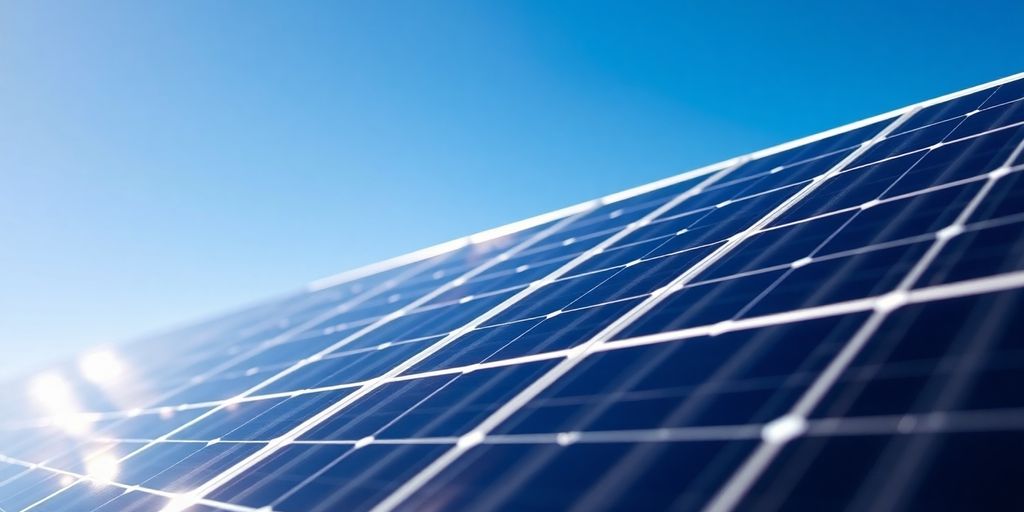
N-type cells are a type of solar cell that use phosphorus to create a negative charge. This design helps them absorb sunlight more effectively. They are known for their higher efficiency compared to other types of solar cells.
Advantages Over P-type Cells
N-type cells have several benefits when compared to P-type cells:
- Higher efficiency: They can convert more sunlight into electricity.
- Less light-induced degradation: They maintain their performance better over time.
- Improved temperature coefficient: They work better in high temperatures.
Technological Innovations in N-type Cells
Recent advancements in N-type cell technology include:
- Passivated Emitter and Rear Cell (PERC) technology: This helps capture more sunlight.
- Bifacial designs: These allow cells to collect light from both sides, increasing energy output.
- Advanced materials: New materials are being used to enhance performance and durability.
N-type cells represent a significant step forward in solar technology, making them a popular choice for modern solar panels.
The Science Behind Bifacial Solar Panels
How Bifacial Panels Work
Bifacial solar panels are designed to capture sunlight from both sides. This means they can absorb light that reflects off surfaces like the ground or nearby buildings. This unique design can increase energy production significantly.
Material Composition of Bifacial Panels
Bifacial panels are usually made from high-quality materials that enhance their performance. Here are some key components:
- Glass: Durable and allows light to pass through.
- Solar Cells: N-type cells are often used for better efficiency.
- Frame: Lightweight yet strong to support the panel.
Efficiency Gains with Bifacial Technology
Bifacial technology can lead to higher energy output. Here are some benefits:
- Increased Light Capture: More sunlight means more energy.
- Better Performance in Low Light: They work well even on cloudy days.
- Longer Lifespan: Bifacial panels tend to last longer than traditional panels.
Bifacial solar panels represent a significant advancement in solar technology, allowing for greater energy production and efficiency.
Maximizing Energy Production with N-type Cells
Enhanced Light Absorption
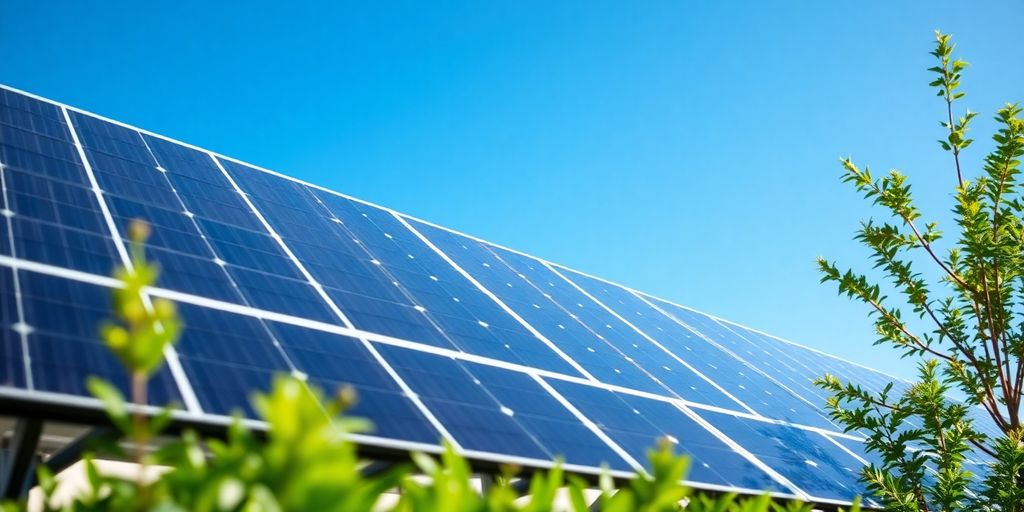
N-type solar cells are designed to capture more sunlight than traditional cells. This is mainly because they have a better ability to absorb light. This means they can produce more energy, even in low-light conditions.
Reduced Recombination Losses
One of the biggest challenges in solar technology is losing energy when electrons recombine. N-type cells have fewer recombination losses compared to P-type cells. This leads to:
- Higher energy output
- Better performance in various conditions
- Increased efficiency overall
Durability and Longevity
N-type cells are known for their strength and long lifespan. They can withstand harsh weather and have a lower chance of degradation over time. This results in:
- Longer-lasting energy production
- Reduced need for replacements
- Better return on investment
N-type solar cells not only enhance energy production but also ensure that the investment in solar technology pays off in the long run.
Applications of Bifacial Solar Panels
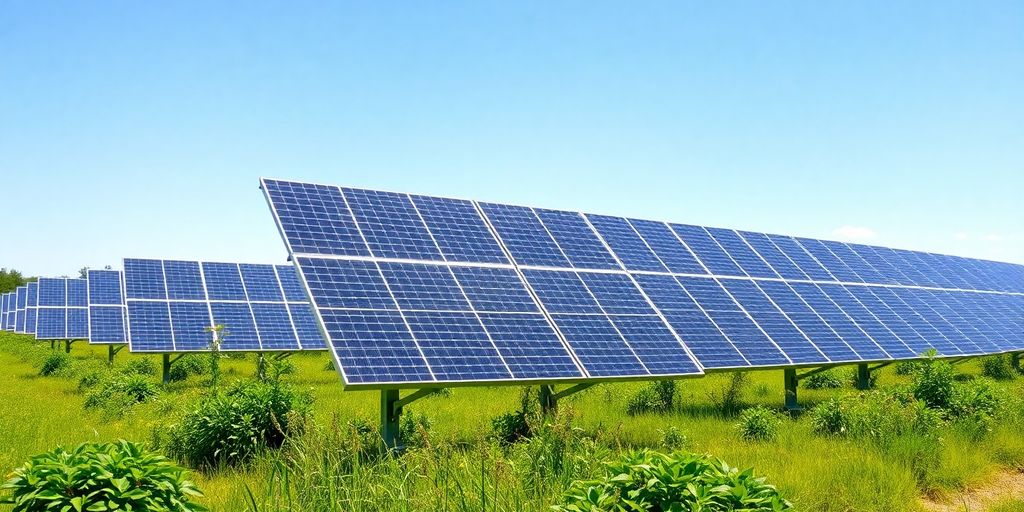
Bifacial solar panels are becoming popular in various settings due to their unique ability to capture sunlight from both sides. This feature allows them to produce more energy compared to traditional panels.
Residential Installations
- Homeowners are increasingly choosing bifacial panels for their rooftops.
- They can be installed in backyards or gardens, taking advantage of reflected light from surfaces like concrete or grass.
- Many homeowners appreciate the aesthetic appeal of these panels.
Commercial and Industrial Use
- Businesses are adopting bifacial panels to reduce energy costs.
- They are often used in large warehouses and factories where roof space is available.
- Companies can benefit from government incentives for using renewable energy.
Utility-scale Solar Farms
- Large solar farms are utilizing bifacial technology to maximize energy output.
- These farms can generate significant amounts of electricity, contributing to the grid.
- Bifacial panels can be installed in rows, allowing for optimal light capture from the ground.
Bifacial solar panels not only help in saving money but also play a crucial role in promoting clean energy.
In summary, bifacial solar panels are versatile and effective in various applications, making them a smart choice for energy production.
Economic and Environmental Benefits
Cost-effectiveness of N-type Cells
N-type solar cells are becoming more popular because they can produce more energy over time. This means that they can save you money on your electricity bills. Here are some reasons why they are cost-effective:
- Higher energy output
- Longer lifespan
- Lower maintenance costs
Environmental Impact
Using N-type bifacial solar panels helps the environment in several ways:
- Reduces carbon footprint
- Decreases reliance on fossil fuels
- Promotes clean energy production
Return on Investment
Investing in N-type bifacial solar panels can lead to a good return on investment (ROI). Here’s how:
- Lower energy costs: More energy means less money spent on electricity.
- Increased property value: Homes with solar panels often sell for more.
- Government incentives: Many places offer tax credits or rebates for solar energy.
Investing in solar energy not only benefits your wallet but also contributes to a healthier planet.
Future Trends in Solar Technology
Emerging Innovations
- New materials: Researchers are exploring advanced materials that can capture more sunlight.
- Smart technology: Solar panels are becoming smarter, with features that allow them to adjust to changing light conditions.
- Energy storage: Better batteries are being developed to store solar energy for use at night or on cloudy days.
Market Growth Projections
The solar market is expected to grow significantly in the coming years. Here’s a quick look at projected growth:
| Year | Projected Growth Rate |
|---|---|
| 2023 | 15% |
| 2025 | 20% |
| 2030 | 25% |
Challenges and Opportunities
- Challenges:
- Opportunities:
The future of solar technology looks bright, with many exciting developments on the horizon.
Installation and Maintenance of Bifacial Solar Panels
Installation Best Practices
- Choose the right location: Ensure the panels are placed where they can receive maximum sunlight.
- Proper angle: Install panels at an angle that captures the most light throughout the year.
- Secure mounting: Use strong mounts to keep the panels stable and safe from wind and weather.
Maintenance Requirements
- Regular cleaning: Keep the panels free from dirt and debris to maintain efficiency.
- Check connections: Inspect electrical connections periodically to ensure they are secure.
- Monitor performance: Use monitoring systems to track energy output and identify issues early.
Common Issues and Solutions
- Shading: If trees or buildings block sunlight, consider trimming or relocating.
- Dirt buildup: Schedule regular cleanings, especially after storms or high winds.
- Electrical faults: If performance drops, check for loose wires or damaged components.
Keeping bifacial solar panels in good shape is essential for getting the most energy from them. Regular checks and maintenance can help avoid bigger problems later.
Conclusion
In summary, bifacial solar panels with N-type cells are changing the way we think about solar energy. They not only capture sunlight from the front but also from the back, which means they can produce more energy than traditional panels. This extra energy can make a big difference, especially in places with lots of sunlight. As technology improves, these panels are becoming more popular and affordable. Choosing bifacial solar panels is a smart move for anyone looking to save money on energy bills and help the environment. With their ability to generate more power, they represent a bright future for solar energy.