

N-type solar panels are gaining popularity among homeowners and businesses alike. With advancements in technology, these panels offer several benefits over traditional options. This article explores what N-type solar panels are, how they work, and whether they are worth the investment.
Key Takeaways
- N-type solar panels are more efficient than P-type panels, converting more sunlight into energy.
- They perform better in low-light conditions, making them ideal for cloudy or shaded areas.
- These panels generally last longer, which means fewer replacements over time.
- While the initial cost is higher, savings on electricity bills can make them a smart choice.
- N-type panels are environmentally friendly, reducing carbon emissions and supporting sustainable practices.
Understanding N-type Solar Panels
What Are N-type Solar Panels?
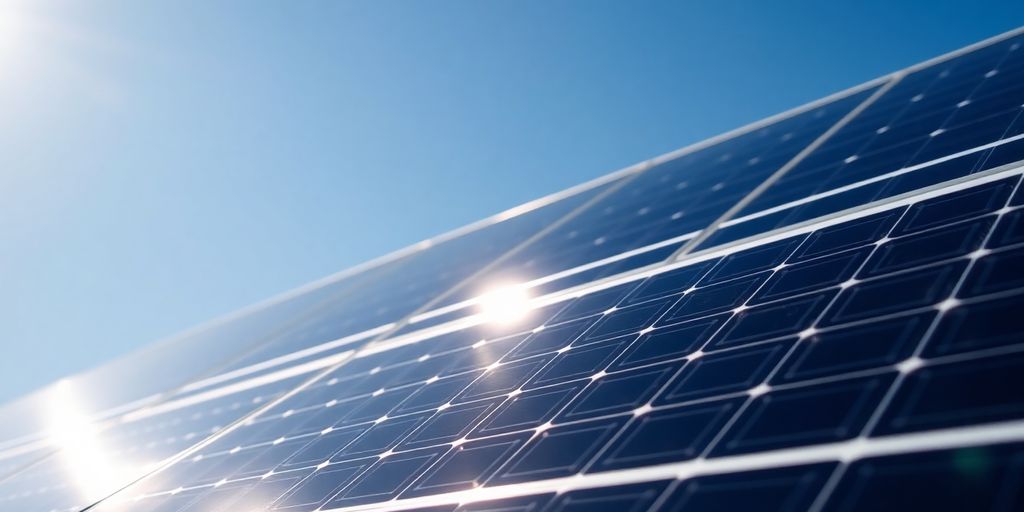
N-type solar panels are a type of solar technology that uses a specific kind of silicon. These panels are known for their efficiency and durability. Unlike their P-type counterparts, N-type panels have a different structure that helps them perform better in various conditions.
How Do N-type Solar Panels Work?
N-type solar panels work by using electrons to generate electricity. Here’s a simple breakdown of the process:
- Sunlight hits the solar cells.
- Electrons are freed from the silicon atoms.
- These free electrons create an electric current.
Key Differences Between N-type and P-type Solar Panels
| Feature | N-type Solar Panels | P-type Solar Panels |
|---|---|---|
| Efficiency | Higher | Lower |
| Performance in Low Light | Better | Not as good |
| Lifespan | Longer | Shorter |
N-type panels are often preferred for their ability to perform well even in less-than-ideal conditions.
N-type solar panels represent a significant advancement in solar technology, making them a popular choice for many homeowners and businesses.
Advantages of N-type Solar Panels
Higher Efficiency Rates
N-type solar panels are known for their higher efficiency rates compared to their P-type counterparts. This means they can convert more sunlight into electricity, making them a better choice for many homeowners and businesses.
Better Performance in Low Light Conditions
These panels perform better in low light situations, such as cloudy days or early mornings. This is important because it means they can generate more power when sunlight is limited.
Longer Lifespan
N-type solar panels typically have a longer lifespan than P-type panels. Here are some key points about their durability:
- They are less prone to degradation over time.
- They can last up to 30 years or more.
- Many manufacturers offer extended warranties for N-type panels.
N-type solar panels not only provide better efficiency but also promise a longer service life, making them a smart investment for the future.
Cost Analysis of N-type Solar Panels
Initial Investment Costs
N-type solar panels generally have a higher upfront cost compared to P-type panels. This is due to their advanced technology and materials. Here are some key points to consider:
- Higher manufacturing costs due to the materials used.
- Installation costs can vary based on location and complexity.
- Government incentives may help reduce initial expenses.
Long-term Savings
Investing in N-type solar panels can lead to significant savings over time. Here’s how:
- Lower electricity bills due to higher efficiency.
- Potential for increased property value.
- Reduced maintenance costs because of their longer lifespan.
Comparing Costs with P-type Solar Panels
When comparing N-type and P-type solar panels, it’s essential to look at both initial costs and long-term benefits. Here’s a quick comparison:
| Feature | N-type Solar Panels | P-type Solar Panels |
|---|---|---|
| Initial Cost | Higher | Lower |
| Efficiency Rate | Higher | Lower |
| Lifespan | Longer | Shorter |
Investing in N-type solar panels may seem costly at first, but their efficiency and durability can lead to greater savings in the long run.
Environmental Impact of N-type Solar Panels
Reduction in Carbon Footprint
N-type solar panels can significantly lower carbon emissions. By using these panels, households and businesses can reduce their reliance on fossil fuels. This shift helps in fighting climate change and protecting our planet.
Sustainable Manufacturing Processes
The production of N-type solar panels is designed to be more eco-friendly. Key points include:
- Use of less harmful materials.
- Lower energy consumption during manufacturing.
- Improved recycling methods for old panels.
Recycling and Disposal
When N-type solar panels reach the end of their life, they can be recycled effectively. This process includes:
- Breaking down the panels into reusable materials.
- Recovering valuable metals like silver and silicon.
- Reducing waste in landfills.
N-type solar panels not only provide clean energy but also promote a healthier environment through responsible manufacturing and disposal practices.
Real-world Applications of N-type Solar Panels
Residential Use
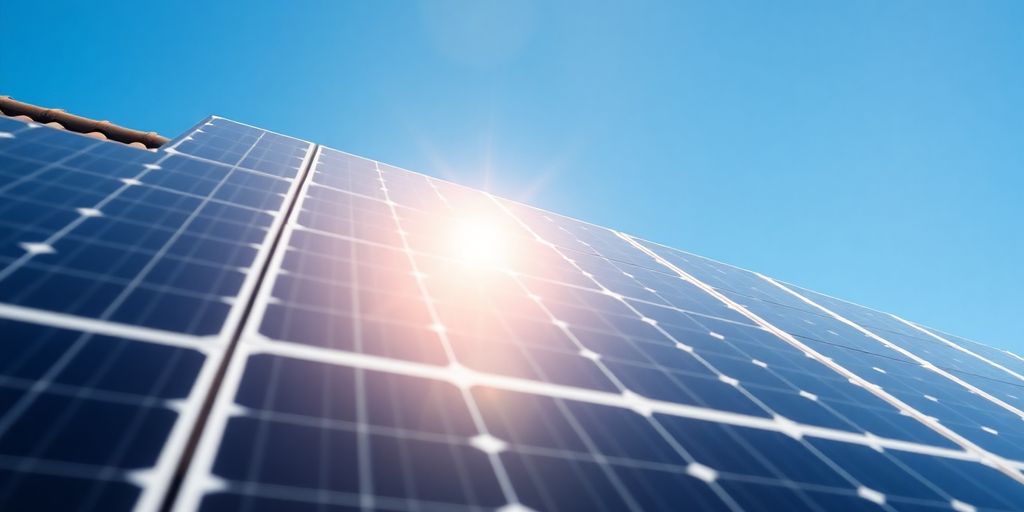
N-type solar panels are becoming popular for home installations. Many homeowners choose these panels for their efficiency and durability. Here are some reasons why:
- Higher energy output, especially in shaded areas.
- Longer lifespan compared to traditional panels.
- Better performance in various weather conditions.
Commercial Installations
Businesses are also adopting N-type solar panels. They offer:
- Cost savings on electricity bills.
- Enhanced energy production, leading to quicker returns on investment.
- A positive image as environmentally friendly companies.
Utility-scale Projects
N-type solar panels are used in large solar farms. These projects benefit from:
- Increased energy generation capacity.
- Reduced land use due to higher efficiency.
- Lower maintenance costs over time.
N-type solar panels are not just a trend; they are a smart choice for various applications, from homes to large-scale energy projects.
Technological Innovations in N-type Solar Panels
Recent Advances in N-type Technology
N-type solar panels have seen significant improvements in recent years. These advancements have made them more efficient and reliable. Some key innovations include:
- Enhanced cell designs that increase energy capture.
- Use of better materials that reduce energy loss.
- Improved manufacturing techniques that lower costs.
Future Prospects
The future looks bright for N-type solar panels. Experts predict:
- Continued efficiency improvements.
- Wider adoption in various markets.
- Integration with new technologies like energy storage.
Integration with Smart Grid Systems
N-type solar panels can work well with smart grid systems. This means they can:
- Share energy more effectively.
- Help balance supply and demand.
- Support renewable energy goals.
N-type solar panels are not just a trend; they represent the future of solar energy technology.
Customer Experiences with N-type Solar Panels
Case Studies
Many homeowners and businesses have shared their experiences with N-type solar panels. Here are a few notable examples:
- Homeowner in California: Reported a 30% reduction in energy bills after installation.
- Small Business in Texas: Noticed improved energy production even on cloudy days.
- School in New York: Achieved significant savings on electricity costs, allowing funds to be redirected to educational programs.
Customer Reviews
Feedback from users highlights several key points:
- Efficiency: Most users appreciate the higher efficiency rates compared to traditional panels.
- Durability: Many customers mention the longer lifespan of N-type panels, reducing the need for replacements.
- Aesthetics: Some users find N-type panels more visually appealing than older models.
Common Issues and Solutions
While N-type solar panels have many benefits, some customers have faced challenges. Here are common issues and their solutions:
- Installation Costs: Some found the initial costs high. Solution: Look for local incentives or financing options.
- Maintenance Needs: A few users reported maintenance concerns. Solution: Regular check-ups can help prevent issues.
- Performance in Extreme Weather: Some panels underperformed in severe conditions. Solution: Choose panels rated for your local climate.
Investing in N-type solar panels can lead to significant savings and environmental benefits, but it’s essential to consider your specific needs and circumstances.
Making the Decision: Are N-type Solar Panels Worth the Investment?
Factors to Consider
When deciding if N-type solar panels are a good choice for you, think about these important points:
- Cost: How much will you spend upfront?
- Efficiency: Will they produce more energy for your home?
- Lifespan: How long will they last compared to other types?
Expert Opinions
Experts generally agree that N-type solar panels offer several benefits. Many believe they are a smart investment due to their higher efficiency and longer lifespan. However, it’s essential to consider your specific needs and situation.
Final Thoughts
In conclusion, N-type solar panels can be worth the investment if you:
- Want better performance in low light.
- Are looking for a longer-lasting option.
- Can afford the initial costs.
Investing in N-type solar panels can lead to significant savings and environmental benefits over time.
Conclusion
In summary, N-type solar panels can be a smart choice for many people. They offer better efficiency and last longer than some other types. While they might cost a bit more upfront, the savings on electricity bills and the benefits of clean energy can make them worth it in the long run. If you’re thinking about going solar, N-type panels are definitely worth considering.