

Ever glanced at your solar energy bill and felt like you were reading a foreign language? You’re not alone. With all those numbers and terms, it can be pretty confusing. But getting a handle on your bill can actually lead to some serious savings. So, let’s break it down and see how you can make the most out of your solar investment.
Key Takeaways
- Understand the different parts of your solar bill, including basic charges and any extra fees.
- Maximize savings by boosting your solar panel’s efficiency and using energy storage options.
- Explore financing options like solar leases and loans to find what suits you best.
- Keep an eye on your energy habits to spot when you’re using the most power.
- Learn about net energy metering to get the best credits for the energy you produce.
Understanding the Components of Your Solar Energy Bill
Breaking Down the Basic Charges
When you first glance at your solar energy bill, it might seem like a jumble of numbers and terms. But don’t worry, it’s not as complicated as it looks. The basic charges usually include the cost of the electricity you consume and the rate per kilowatt-hour (kWh). This is pretty straightforward—it’s what you pay for the actual energy you use. Then, there’s the delivery charge, which covers the cost of getting electricity from the power plant to your home. It’s like paying for shipping when you order something online.
Identifying Additional Fees and Taxes
Beyond the basic charges, your bill might have some additional fees. These can include things like service fees, which are a fixed charge for maintaining your connection to the grid, and taxes, which vary depending on where you live. Some bills might also include demand charges, which are fees based on your highest usage during a billing period. It’s important to understand these fees because they can add up quickly.
Understanding Net Metering Credits
Net metering is a fantastic perk for solar users. If your system generates more electricity than you use, the excess is sent back to the grid, and you earn credits. These credits can offset the cost of the electricity you pull from the grid when your solar panels aren’t producing enough power, like at night or on cloudy days. After installing solar, your electric bill will show these credits, which can significantly lower your overall costs. Keep an eye on these credits—they’re like a reward for producing clean energy!
How to Maximize Savings on Your Solar Energy Bill
Optimizing Solar Panel Efficiency
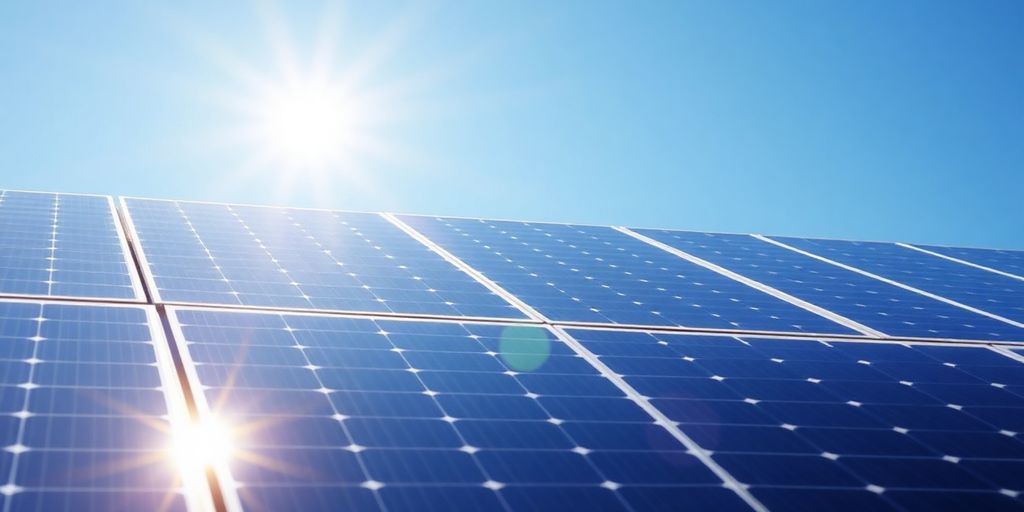
Maximizing the efficiency of your solar panels is crucial for reducing your energy bill. Here are some tips:
- Regular Maintenance: Clean your panels regularly to remove dust and debris that can block sunlight.
- Optimal Placement: Ensure your panels are positioned to receive maximum sunlight, ideally facing south.
- Monitor Performance: Use monitoring systems to track energy production and detect any issues early.
Utilizing Time-of-Use Rates
Time-of-use (TOU) rates can help you save money by charging different rates at different times of the day.
- Shift Usage: Try using high-energy appliances during off-peak hours when rates are lower.
- Smart Appliances: Invest in smart appliances that can be programmed to run during cheaper rate periods.
- Awareness: Stay informed about your utility’s TOU schedule to make the most of these savings.
Exploring Energy Storage Options
Energy storage systems, like batteries, allow you to store solar energy for use when sunlight isn’t available.
- Battery Benefits: Store excess energy during sunny days to use during cloudy days or at night.
- Cost Considerations: While initial costs can be high, batteries can lead to long-term savings.
- Explore effective strategies for reducing electricity bills with solar panels by integrating storage solutions.
Decoding Solar Financing Options
Comparing Solar Leases and Loans
When you’re thinking about going solar, understanding the financial options available is key. Two popular choices are solar leases and loans. With a solar lease, you don’t own the panels. Instead, you pay a fixed monthly fee to use the solar power generated by the system. It’s like renting your solar setup. This option is great if you want to avoid upfront costs and maintenance hassles.
On the other hand, a solar loan allows you to own the panels outright. It’s similar to a car loan where you make monthly payments until the loan is paid off. Owning your system can lead to greater long-term savings, especially once the loan is paid off. Plus, you can benefit from tax incentives and increase your home’s value.
Understanding Power Purchase Agreements
A Power Purchase Agreement (PPA) is another route to consider. With a PPA, a third-party company installs and maintains the solar panels on your property, and you pay for the electricity they produce. This means you can enjoy solar energy without the burden of ownership or maintenance. The rates are often lower than traditional utility rates, offering immediate savings.
Evaluating Federal and State Incentives
Don’t forget about the incentives! Both federal and state governments offer various incentives to make solar more affordable. The federal tax credit, for instance, can cover a significant portion of your installation costs. Additionally, state and local incentives can further reduce your expenses, making solar energy a financially smart choice. Always check the current incentives available in your area to maximize your savings.
Choosing the right financing option is crucial for maximizing your solar investment. Consider your financial situation, long-term goals, and the specific incentives available to make the best choice for your home.
Analyzing Your Energy Consumption Patterns
Understanding how and when you use energy can be a game-changer in managing your solar energy bill. By taking a close look at your consumption habits, you can identify ways to reduce costs and make the most of your solar investment.
Reviewing Historical Energy Usage
Start by examining your past energy bills to spot trends. Look for patterns in your consumption. Are there certain months where your usage spikes? This could be due to seasonal changes like increased air conditioning use in the summer or heating in the winter. Reviewing your historical data can help you plan better and budget for those high-usage months.
Identifying Peak Consumption Times
Knowing when you use the most energy is crucial. Typically, peak times are in the morning and evening when everyone is home. However, if you work from home, your peak might be during the day. Understanding these patterns can help you shift certain activities to off-peak times, reducing your reliance on grid power and saving money.
Adjusting Habits for Better Efficiency
Once you’ve identified your peak times, consider making small changes to your routine. Simple actions like running appliances like dishwashers and washing machines during off-peak hours can significantly cut down your energy costs. Here are some tips:
- Use timers on appliances to run them overnight or during the day when solar production is high.
- Adjust your thermostat to use less energy when you’re not home.
- Consider energy-efficient appliances that consume less power overall.
By understanding and adjusting your energy use, you not only save money but also contribute to a more sustainable environment. Small changes can lead to big savings in both energy and costs.
Taking control of your energy consumption patterns is a smart way to maximize the benefits of your solar system. It’s not just about saving money; it’s also about being mindful of how you use energy and making conscious choices that benefit both your wallet and the planet. For more insights into how financial incentives might influence your energy habits, explore the solar rebound effect.
Navigating Net Energy Metering Policies
Understanding Regional Regulations
Understanding the local policies around net energy metering is key. Different regions have varying rules about how much credit you get for the excess energy your solar panels produce and send back to the grid. Some places might offer full retail rates, while others might give less. It’s important to check the specific regulations in your area to know what to expect on your bill.
Calculating Potential Savings
Net metering can be a huge money-saver, but you need to do some math to see how much you can actually save. Look at your past energy bills and compare them to what you might save with net metering. Calculate how much energy you typically use and how much your solar panels can produce. This will give you a clearer picture of potential savings.
Avoiding Common Pitfalls
There are a few common mistakes people make when it comes to net metering. One is not fully understanding their utility’s net metering policy. Another is overestimating the amount of credit they’ll receive. Make sure to read the fine print and perhaps consult with a professional to avoid these pitfalls.
Net energy metering is a billing policy that lets homeowners earn credits for the extra electricity their solar systems produce and feed back into the grid. This can be a great way to save on your energy bill, but it’s important to understand the rules and how they apply to your situation.
By familiarizing yourself with these aspects, you can make the most of net metering and maximize your savings. For more detailed information on how net metering works, check out the specific policies in your region.
The Environmental and Financial Benefits of Solar Energy
Reducing Your Carbon Footprint
Switching to solar energy is a powerful way to cut down on carbon emissions. Solar panels harness the sun’s energy without releasing harmful pollutants into the atmosphere. This means every kilowatt-hour of solar power used is a step towards a cleaner environment. By reducing reliance on fossil fuels, solar energy helps combat climate change and promotes a healthier planet.
Increasing Property Value
Installing solar panels can actually make your home more attractive to potential buyers. Homes with solar energy systems often sell for more than those without. This is because buyers are drawn to the idea of lower energy bills and a sustainable lifestyle. Plus, as energy costs continue to rise, a solar-equipped home becomes even more appealing.
Protecting Against Rising Energy Costs
Solar energy offers a hedge against fluctuating energy prices. Once your solar panels are installed, the cost of producing electricity is essentially fixed, unlike traditional power sources. Over time, as utility rates climb, the savings from solar become more pronounced. This can provide peace of mind knowing that your energy expenses are under control.
Embracing solar energy is not just about saving money today; it’s an investment in a sustainable future. With the dual benefits of reducing environmental impact and financial savings, solar power is a smart choice for homeowners looking to make a positive change.
Choosing the Right Solar Installation Partner
When you’re ready to go solar, picking the right installation partner is a big deal. It’s like choosing a contractor for your home renovation, only this time, it’s about harnessing the power of the sun.
Evaluating Installer Credentials
First off, you want to make sure the installer is legit. Check their credentials and certifications. Are they compliant with local regulations? This is super important because it ensures your installation won’t hit any legal snags. Look for certifications like NABCEP (North American Board of Certified Energy Practitioners) which is a good indicator of professionalism.
- Verify Licenses and Insurance: Make sure they have the right licenses and insurance. This protects you if something goes wrong.
- Check Experience: How long have they been in the business? More years usually mean more expertise.
- Read Reviews: Go through customer reviews and testimonials. Past experiences can give you a good idea of what to expect.
Understanding Warranty and Maintenance
A good warranty can save you a lot of headaches down the line. It’s not just about the panels themselves, but also the workmanship.
- Panel Warranty: Look for at least 25 years warranty on the panels.
- Workmanship Warranty: This covers the installation process and should be at least 10 years.
- Maintenance Plans: Some companies offer maintenance plans. This can be handy if you’re not into DIY fixes.
A solid warranty and maintenance plan can mean the difference between a smooth solar experience and a frustrating one.
Planning for Future Expansion
Think long-term. You might start small, but what if you want to add more panels later? Or maybe you want to integrate a battery system?
- Scalability: Choose a system that allows for easy expansion.
- Technology Compatibility: Make sure future technologies can be integrated with your current setup.
- Space Considerations: Ensure there’s enough space on your property for additional panels or equipment.
Choosing the right solar partner is about more than just price. It’s about finding someone who can deliver quality service and support as your energy needs grow. Take your time, do your research, and you’ll be soaking up the sun in no time.
Wrapping It Up
So, there you have it! Understanding your solar energy bill might seem like a puzzle at first, but once you get the hang of it, it’s pretty straightforward. By knowing what each part of your bill means, you can make smarter choices about your energy use and save some cash. Plus, with options like net energy metering and various financing plans, solar power can be a real game-changer for your wallet and the planet. Keep learning and stay curious about new solar tech and incentives. Who knows? You might just find even more ways to save and go green. Thanks for sticking with us through this guide, and happy solar saving!
Frequently Asked Questions
What is net energy metering?
Net energy metering is a system where you earn credits for extra electricity your solar panels make and send back to the grid. It helps lower your bill by subtracting the power you use from the grid from the power you produce.
How can I save more on my solar energy bill?
You can save more by using energy during off-peak times, keeping your solar panels clean, and considering battery storage to use solar energy even when the sun isn’t shining.
What are the different ways to pay for solar panels?
You can buy them outright, get a loan, or enter into a power purchase agreement (PPA) where you pay for the energy they produce.
Do solar panels increase my property’s value?
Yes, having solar panels can make your home more valuable because they lower electricity costs and are good for the environment.
What should I consider when picking a solar panel installer?
Look at their experience, customer reviews, and what kind of warranty and maintenance services they offer.
How do solar panels help the environment?
Solar panels help by reducing the amount of fossil fuels needed for electricity, which lowers pollution and helps fight climate change.