

Switching to solar energy is a smart choice for saving money and helping the environment. However, with so many options out there, picking the right solar panels can be tough. This article will give you ten helpful tips to find the best solar panel system for your home.
Key Takeaways
- Know how much energy you need before choosing solar panels.
- Look for high-efficiency panels to get the most energy from the sun.
- Check the warranty to ensure long-lasting performance.
- Consider your roof type when selecting the mounting system.
- Compare prices and read reviews to find the best value.
1. Energy Needs
Understanding your energy needs is the first step in choosing the right solar panel. Knowing how much energy you use will help you select the best solar solution for your home. Here are some key points to consider:
- Calculate Your Usage: Look at your electricity bills to find out how much energy you use each month. This will give you a baseline for your solar needs.
- Consider Future Needs: Think about any changes in your energy consumption, like adding new appliances or expanding your home.
- Efficiency Upgrades: Before going solar, improve your home’s energy efficiency. This can reduce the number of panels you need and lower your costs.
Example of Monthly Energy Usage
| Appliance | Watts | Hours Used/Day | Daily Usage (Wh) |
|---|---|---|---|
| Refrigerator | 150 | 24 | 3600 |
| LED Lights (10) | 10 | 5 | 500 |
| Laptop | 50 | 4 | 200 |
| Total | 4300 |
Understanding your energy needs is crucial. It helps you choose the right solar panel system that fits your lifestyle and budget.
2. Type of Solar Panel
When selecting solar panels, it’s essential to understand the different types available. Choosing the right type can significantly impact your energy production and overall satisfaction. Here are the main types of solar panels:
1. Monocrystalline Solar Panels
- Efficiency: These panels are known for their high efficiency, making them ideal for limited roof space.
- Cost: They tend to be more expensive than other types.
- Lifespan: Generally, they have a longer lifespan and better performance in low-light conditions.
2. Polycrystalline Solar Panels
- Cost-Effective: These are usually less expensive than monocrystalline panels.
- Efficiency: They are less efficient, which may require more panels to meet energy needs.
- Temperature Performance: They perform well in high temperatures but may not be the best choice for small spaces.
3. Thin-Film Solar Panels
- Lightweight: These panels are portable and easy to install.
- Cost: They are often the most affordable option.
- Efficiency: However, they have the lowest efficiency among the three types.
| Type of Panel | Efficiency | Cost | Lifespan |
|---|---|---|---|
| Monocrystalline | High | High | 25+ years |
| Polycrystalline | Medium | Medium | 20-25 years |
| Thin-Film | Low | Low | 10-20 years |
Choosing the right type of solar panel is crucial for maximizing your energy output and ensuring a good return on investment. Consider your budget, space, and energy needs when making your decision.
3. Warranty
When choosing solar panels, understanding the warranty is crucial. A good warranty can protect your investment and give you peace of mind. Here are some key points to consider:
1. Length of Warranty
- Most solar panels come with a warranty of 20 to 25 years.
- Avoid panels with warranties shorter than 10 years, as this may indicate lower quality.
- Check if the warranty covers both the product and its performance.
2. Terms and Conditions
- Read the fine print to understand what is covered.
- Look for details on how to file a claim if something goes wrong.
- Ensure you know what maintenance is required to keep the warranty valid.
3. Customer Support
- Choose a manufacturer known for good customer service.
- Check if they offer support through phone, email, or chat.
- Look for reviews about their responsiveness and helpfulness.
A solid warranty not only protects your investment but also reflects the manufacturer’s confidence in their product.
4. Efficiency Rating
When choosing solar panels, understanding their efficiency rating is crucial. The efficiency rating tells you how well a solar panel converts sunlight into electricity. Higher efficiency means more power generation from the same amount of sunlight.
Key Points to Consider:
- Efficiency Levels: Solar panels typically range from 15% to 22% efficiency. Higher efficiency panels can produce more energy in less space.
- Space Availability: If you have limited roof space, opt for higher efficiency panels to maximize energy production.
- Cost vs. Efficiency: Sometimes, higher efficiency panels come with a higher price tag. Weigh the cost against the potential energy savings.
Efficiency Comparison Table:
| Panel Type | Efficiency Range | Cost per Watt |
|---|---|---|
| Monocrystalline | 18% – 22% | $0.70 – $1.00 |
| Polycrystalline | 15% – 18% | $0.50 – $0.80 |
| Thin Film | 10% – 13% | $0.30 – $0.60 |
Tip: Before purchasing, check the efficiency ratings of different panels to find the best fit for your energy needs.
5. Cost Comparison
When choosing solar panels, understanding the costs involved is crucial. Comparing prices can help you find the best deal for your budget. Here are some key points to consider:
1. Initial Costs
- Solar panels can range from a few hundred to several thousand dollars.
- Installation costs can add significantly to the total price.
- Look for financing options or incentives that can lower your upfront costs.
2. Long-term Savings
- Calculate how much you will save on your electricity bills over time.
- Consider the lifespan of the panels, which is typically 25 years or more.
- Factor in maintenance costs, which are usually low for solar panels.
3. Cost per Watt
| Type of Panel | Average Cost per Watt | Efficiency Rating |
|---|---|---|
| Monocrystalline | $0.70 – $1.00 | 15% – 22% |
| Polycrystalline | $0.50 – $0.80 | 13% – 16% |
| Thin-Film | $0.30 – $0.60 | 10% – 12% |
Understanding the cost comparison of different solar panels can help you make a smart choice. Always prioritize quality over the lowest price.
6. Certifications
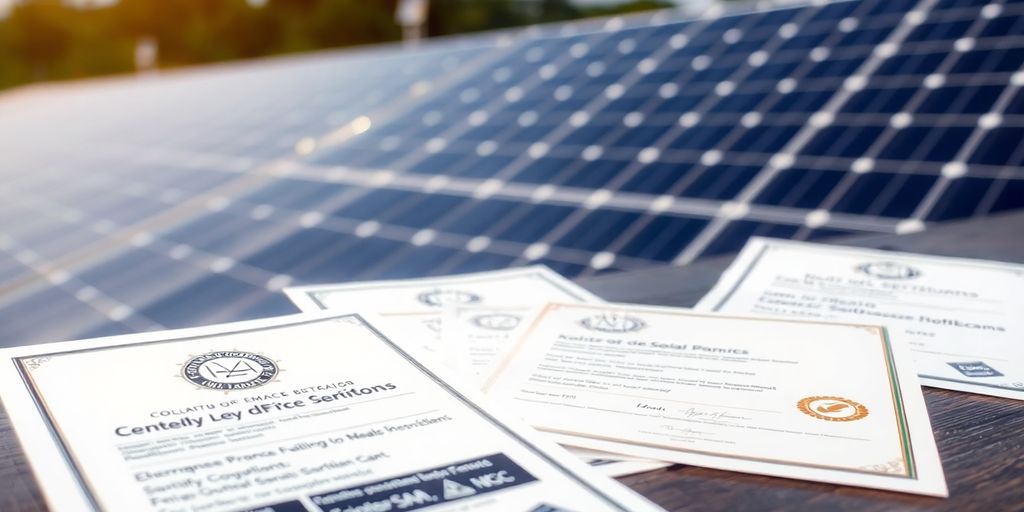
When choosing solar panels, it’s important to look for certifications that ensure quality and safety. Certifications can help you trust that the panels will perform well and last long. Here are some key certifications to consider:
1. UL Certification
- Ensures safety and performance standards.
- Indicates that the panels have been tested for durability.
- Commonly required for insurance purposes.
2. IEC Certification
- International standard for solar panels.
- Confirms that panels meet global performance and safety standards.
- Important for international purchases.
3. Energy Star Rating
- Indicates energy efficiency.
- Helps you save on electricity bills.
- Recognized by many government programs.
4. TUV Certification
- Focuses on product safety and reliability.
- Panels are tested under extreme conditions.
- Widely accepted in the industry.
5. CEC Certification
- Required for solar products in certain regions.
- Ensures compliance with local regulations.
- Important for rebates and incentives.
Choosing certified solar panels can save you money and ensure you get a reliable product. Always check for these certifications before making a purchase.
7. Manufacturer Reputation
When choosing solar panels, the reputation of the manufacturer is crucial. A well-known company often indicates reliability and quality. Here are some key points to consider:
- Customer Reviews: Look for feedback from people who have already purchased the panels. This can give you insight into how well the panels perform over time.
- Industry Experience: Companies with a long history in the solar industry are usually more trustworthy. They have likely faced challenges and learned from them.
- Certifications: Check if the manufacturer has any certifications from recognized organizations. This can be a sign of quality and adherence to industry standards.
| Manufacturer | Years in Business | Customer Rating |
|---|---|---|
| SolarTech | 15 | 4.5/5 |
| GreenEnergy Co. | 10 | 4.7/5 |
| EcoSolar Solutions | 20 | 4.8/5 |
Always do your homework before making a purchase. A good reputation can save you from future headaches.
8. Roof Type
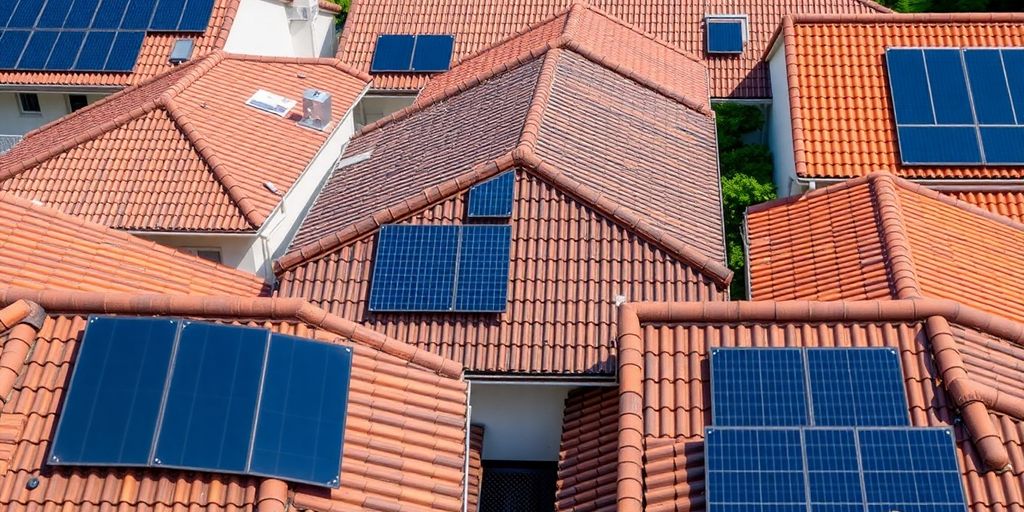
When choosing solar panels, your roof type plays a crucial role in the installation process. Different roofs require different mounting systems, which can affect the overall efficiency and effectiveness of your solar energy system.
Key Considerations:
- Flat Roofs:
- Pitched Roofs:
- Material Type:
Quick Comparison Table:
| Roof Type | Mounting System Needed | Installation Complexity |
|---|---|---|
| Flat | Ballasted or Railed | Moderate |
| Pitched | Standard Racking | Low |
| Tile | Specialized Racking | High |
Choosing the right mounting system based on your roof type can significantly impact the performance of your solar panels. Always consult with a professional installer to ensure the best fit for your home.
9. Mounting System
Choosing the right mounting system is crucial for your solar panel setup. The mounting system affects how well your panels perform and how long they last. Here are some key points to consider:
Types of Mounting Systems
- Roof Mounts: These are attached directly to your roof. They are great for homes with limited ground space.
- Ground Mounts: Ideal for larger properties, these systems are installed on the ground and can be adjusted for optimal sun exposure.
- Pole Mounts: These are elevated and can be adjusted to follow the sun, maximizing energy capture.
Factors to Consider
- Roof Type: The type of roof you have (flat, pitched, etc.) will determine the best mounting option.
- Local Weather: Consider how strong winds or heavy snow might affect your panels.
- Aesthetics: Some systems are more visually appealing than others, which might matter for your home’s appearance.
| Mounting Type | Pros | Cons |
|---|---|---|
| Roof Mount | Space-saving, cost-effective | May require roof modifications |
| Ground Mount | Easy access for maintenance | Requires more land space |
| Pole Mount | Adjustable for sun exposure | Higher installation costs |
Choosing the right mounting system can significantly impact the efficiency and durability of your solar panels. Make sure to consult with a professional to find the best fit for your needs.
10. Installation Process
When it comes to installing solar panels, the process can vary based on the size and complexity of your system. Here are some key points to consider:
1. Assess Your Roof
- Check the condition: Ensure your roof is in good shape before installation.
- Consider the angle: A roof with a good angle towards the sun will be more efficient.
- Look for shading: Trees or buildings that block sunlight can affect performance.
2. Choose a Professional Installer
- Research local installers: Look for companies with good reviews and experience.
- Get multiple quotes: This helps you find the best price and service.
- Ask about warranties: A good installer should offer a warranty on their work.
3. Understand the Installation Steps
- Site assessment: The installer will evaluate your home and roof.
- Permits and paperwork: Ensure all necessary permits are obtained.
- Installation day: The actual installation usually takes a few hours to a couple of days.
Remember: Proper installation is crucial for the efficiency and longevity of your solar panels. Always prioritize quality over cost.
4. Post-Installation Check
- Inspect the system: Make sure everything is working correctly.
- Learn about maintenance: Ask your installer how to care for your solar panels.
- Monitor performance: Keep an eye on your energy production to ensure it meets expectations.
Final Thoughts on Choosing Solar Panels
In summary, picking the right solar panel system for your home is important and can save you money in the long run. By understanding your energy needs, budget, and the different types of panels available, you can make a smart choice. Remember to look for quality, check warranties, and consider professional help if needed. Following these tips will help you find a solar panel system that works best for you and your home.